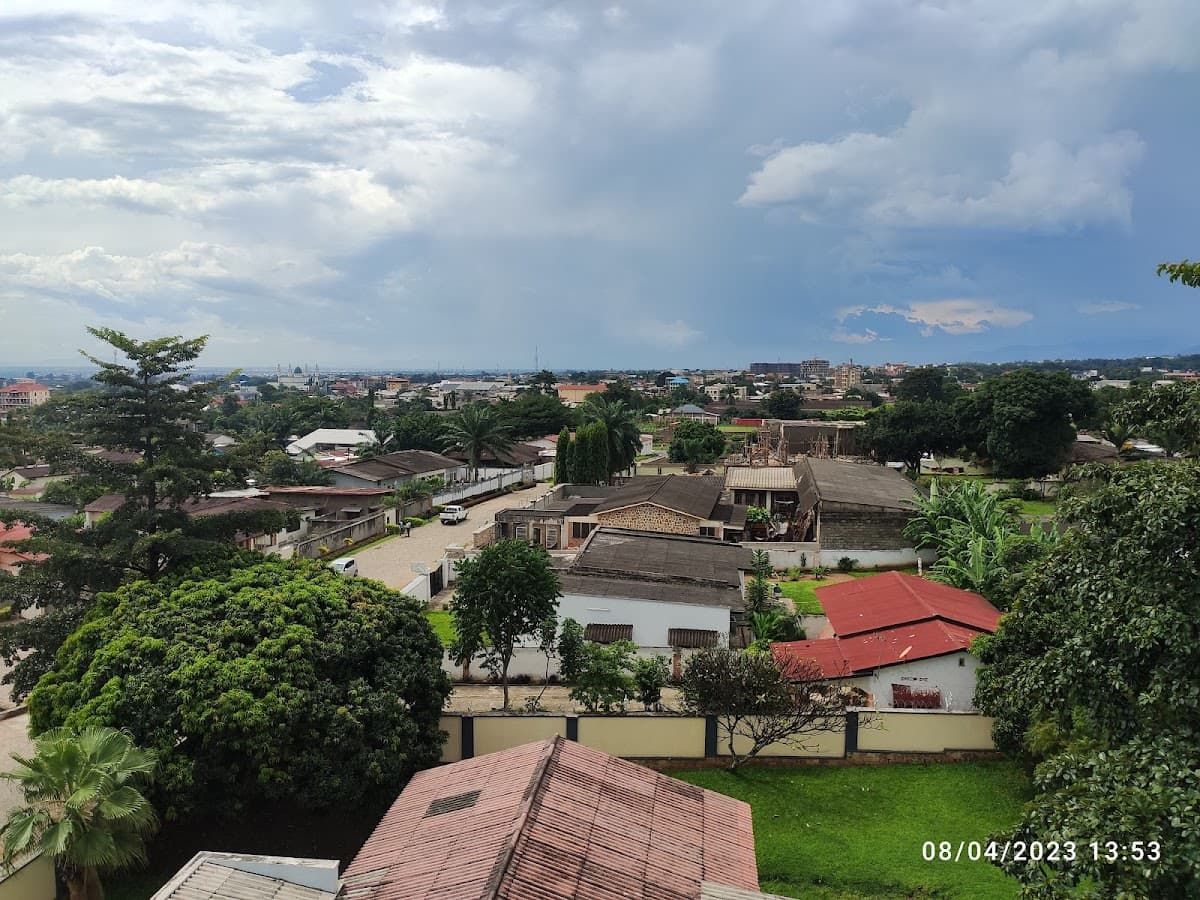
Burundi
Heart of Africa with stunning lakes and hills
Most people can't even find Burundi on a map. That's exactly what makes this tiny landlocked country so compelling. Squeezed between Rwanda, Tanzania, and the Democratic Republic of Congo, Burundi offers something increasingly rare in Africa: complete authenticity without the tourist crowds.
Lake Tanganyika dominates the western border, its crystal-clear waters stretching to the horizon like an inland sea. The rest of the country rolls in endless green hills - they don't call it the "Land of a Thousand Hills" for nothing. But here's what travel guides won't tell you: Burundi is challenging. Infrastructure is basic, English isn't widely spoken, and you'll need patience and flexibility.
The payoff? You'll experience Africa as it was meant to be experienced. Drum ceremonies that haven't been staged for tourists. Markets where you're the only foreigner. Sunsets over Lake Tanganyika that you'll have entirely to yourself. This isn't a destination for everyone, but for adventurous travelers seeking authentic cultural immersion, Burundi delivers in spades.
Explore Cities
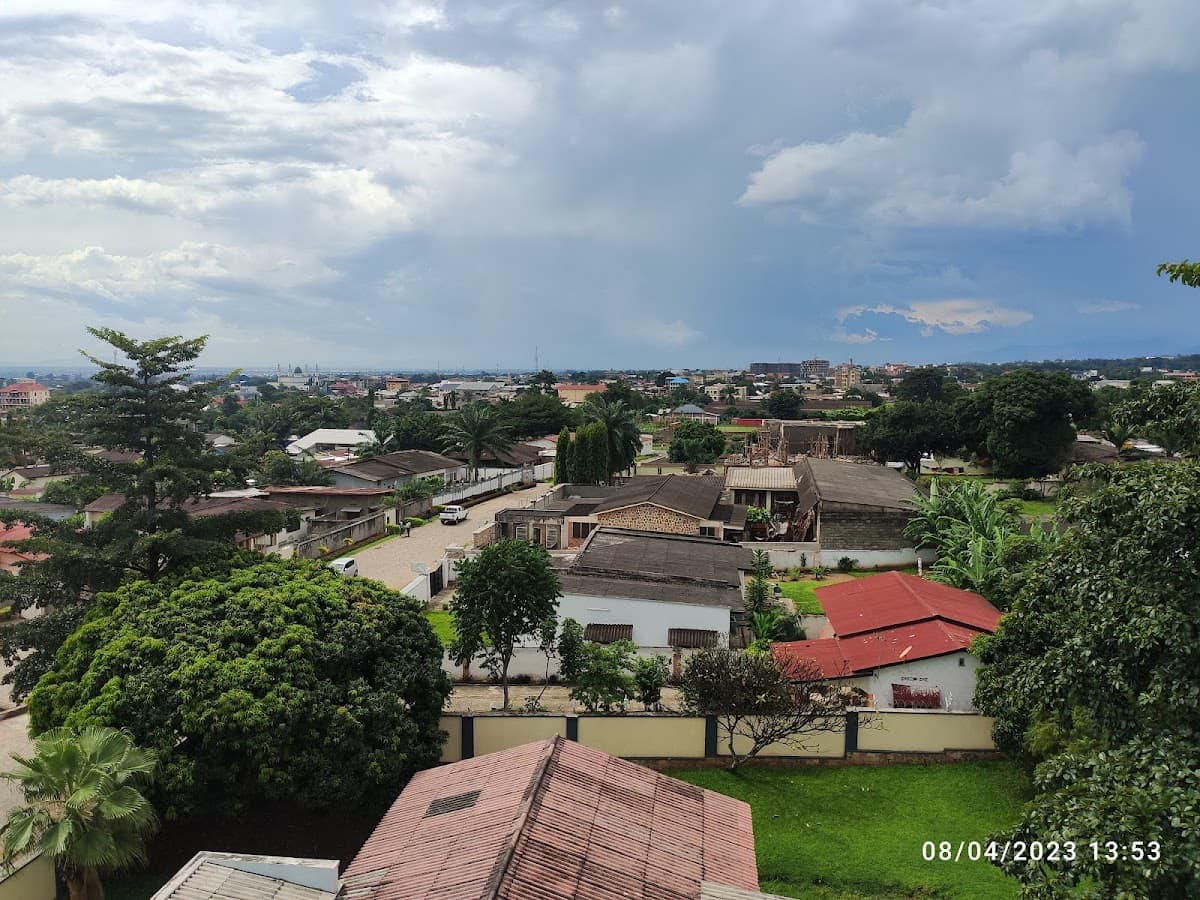
Explore the Region

Money-Saving Tips
- 1.The US dollar is king - bring clean, new bills as older or damaged notes get rejected
- 2.Credit cards work nowhere outside luxury hotels in Bujumbura - this is a cash economy
- 3.Negotiate taxi and moto prices upfront, especially in Bujumbura where drivers quote tourist rates
- 4.Local markets offer the best food prices - a full meal costs under $3 if you eat like locals
- 5.Primus beer costs about $1.50 in local bars, $4+ in hotel restaurants - drink where locals drink
- 6.Budget $50-80 daily for mid-range travel including accommodation, meals, and transport
Travel Tips
- •Learn basic French phrases - English speakers are rare outside tourist hotels
- •Pack a good headlamp as power outages happen frequently, even in Bujumbura
- •Bring hand sanitizer and toilet paper - public facilities rarely have either
- •Download offline maps before arriving - mobile data is expensive and unreliable
- •Dress conservatively, especially women - this is a traditional, religious society
- •Get yellow fever vaccination and carry the certificate - it's required for entry
- •Book accommodation in advance during dry season - options are limited
- •Carry small denomination bills - nobody has change for large notes