Cameroon
Africa in miniature with diverse landscapes and cultures
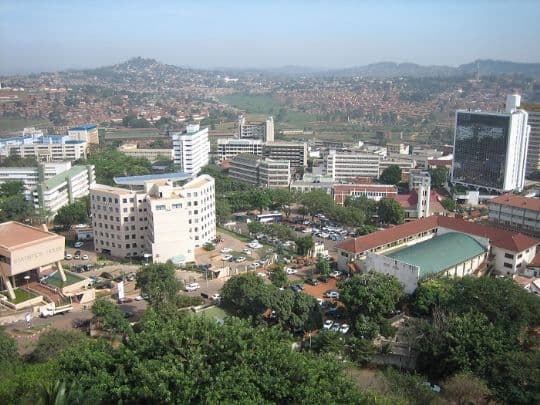
They call Cameroon "Africa in miniature" for good reason. This is where rainforests meet savannas, where French colonial architecture sits next to traditional kingdoms, and where you can spot elephants in the morning and climb volcanic peaks by afternoon. But here's the thing about Cameroon — it doesn't make travel easy. Roads can be rough, infrastructure varies wildly, and tourist services are hit-or-miss. That's also exactly why it's incredible. You'll have experiences here that simply don't exist in more polished destinations. The Baka people will teach you forest survival skills in the southeast. Fulani herders will share tea with you in the northern grasslands. And Mount Cameroon, West Africa's highest peak, will test every muscle you didn't know you had. This isn't a place for your first African adventure, but if you're ready for something real and unfiltered, Cameroon delivers in ways that will surprise you.
Explore Cities

Explore the Region
Money-Saving Tips
- 1.The Central African CFA franc is the currency, and ATMs are scarce outside major cities — bring euros or dollars to exchange
- 2.Bargaining is expected at markets and for taxi rides, but not in restaurants or hotels with posted prices
- 3.Budget around $30-50 per day for mid-range travel, including accommodation, meals, and local transport
- 4.National park entrance fees can add up quickly — Waza National Park charges about $15 per person plus vehicle fees
- 5.Street food costs under $2 per meal, while restaurant meals range from $5-15 depending on the establishment
- 6.Domestic flights are expensive (often $200+ for short routes) but can save days of overland travel
- 7.Tipping isn't mandatory but 10% is appreciated at sit-down restaurants and for guides
- 8.Bring small bills — vendors and taxi drivers rarely have change for large denominations
Travel Tips
- •Yellow fever vaccination is mandatory and you'll need to show your certificate at the border
- •Learn basic French phrases — English is official but French dominates outside the northwest and southwest regions
- •Pack for multiple climates: the north is hot and dry, the coast is humid, and mountain areas can be surprisingly cool
- •Download offline maps before traveling — cell service is spotty in rural areas and GPS data is expensive
- •Respect local customs in Muslim northern regions: dress conservatively and avoid public drinking
- •Bring a good headlamp and power bank — electricity is unreliable even in major cities
- •Malaria prophylaxis is essential, and bring DEET-based insect repellent for mosquitoes and tsetse flies
- •Photography permits may be required for some government buildings and military installations
- •Travel with copies of important documents stored separately from originals
- •Book accommodations in advance during dry season (November-February) as options are limited