Djibouti
Volcanic landscapes and unique geology in Horn Africa
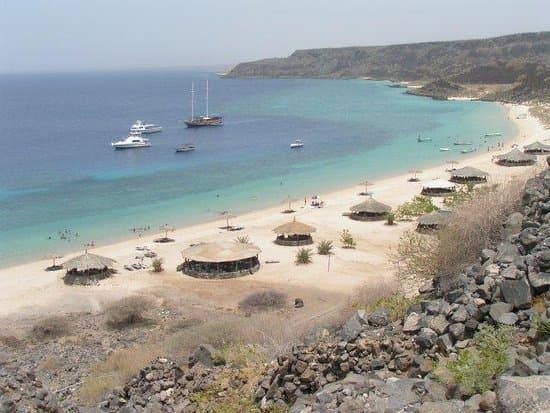
Djibouti feels like stepping onto another planet. This tiny nation wedged between Ethiopia, Eritrea, and Somalia serves up some of the most alien landscapes on Earth — think fluorescent salt lakes, active volcanoes, and desert plains that look straight out of a sci-fi movie. The Danakil Depression drops 500 feet below sea level, creating a moonscape of sulfur springs and salt formations that photographers travel halfway around the world to capture.
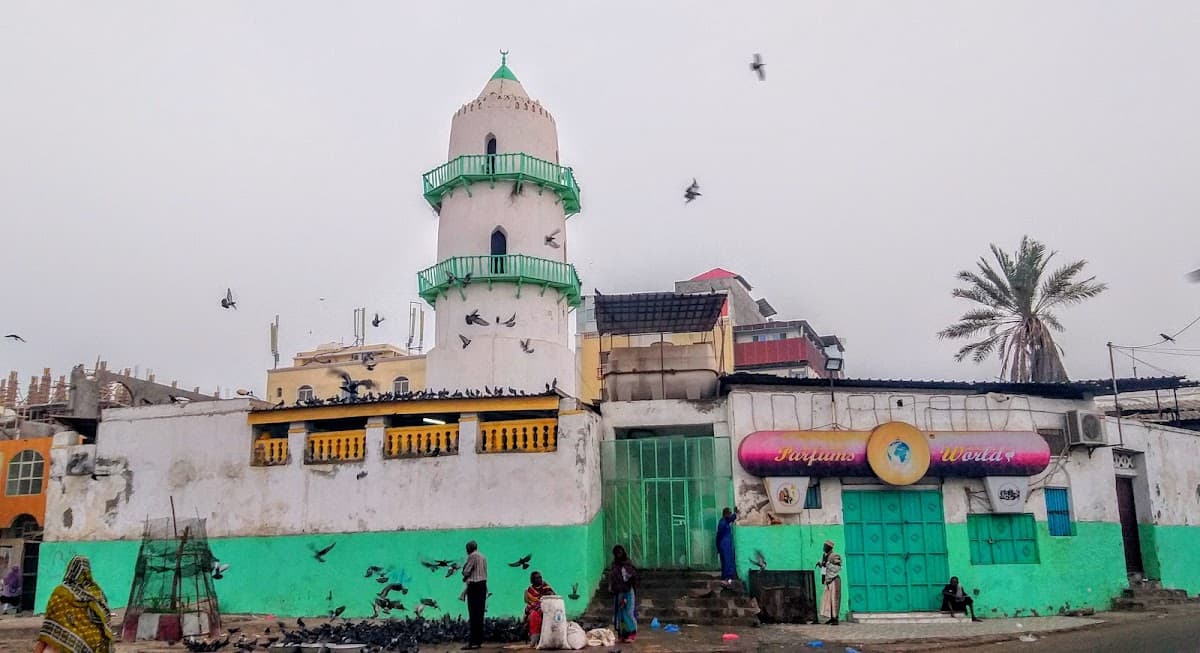
But here's the thing about Djibouti: it's not just about the geology. Lake Assal shimmers with pink and green hues depending on the light, while Lac Abbé's limestone chimneys steam like ancient temples. The capital, Djibouti City, mixes French colonial architecture with Somali culture and serves as your base for exploring this geological wonderland. You'll need a sense of adventure — this isn't luxury resort territory. The roads are rough, the heat is intense, and tourist infrastructure is minimal. That's exactly what makes it special.
Explore Cities
Explore the Region
Money-Saving Tips
- 1.The Djiboutian franc is pegged to the US dollar at about 177 francs per dollar, making calculations easy
- 2.ATMs in Djibouti City accept international cards, but bring backup cash as machines sometimes run empty
- 3.Negotiate taxi fares before getting in — meters exist but drivers prefer to quote flat rates
- 4.Hotel restaurants charge tourist prices; eat at local spots for meals under $10
- 5.Tour operators often quote prices in US dollars and prefer cash payment
- 6.Bottled water costs about $1 in shops, $3 at hotels — stock up at supermarkets
- 7.Fuel is expensive (about $1.50 per liter) so factor this into car rental costs
Travel Tips
- •Pack serious sun protection — the sun here is intense even in winter months
- •Bring electrolyte supplements; the dry heat dehydrates you faster than you realize
- •Download offline maps before heading to remote areas where cell service disappears
- •Start day trips before 7 AM to avoid the worst heat and catch better lighting for photos
- •Respect local customs — dress modestly and ask permission before photographing people
- •Book accommodations in advance; Djibouti City has limited hotel options
- •Carry cash for most transactions outside of major hotels and restaurants
- •Learn basic French phrases — it's more useful than English in most situations