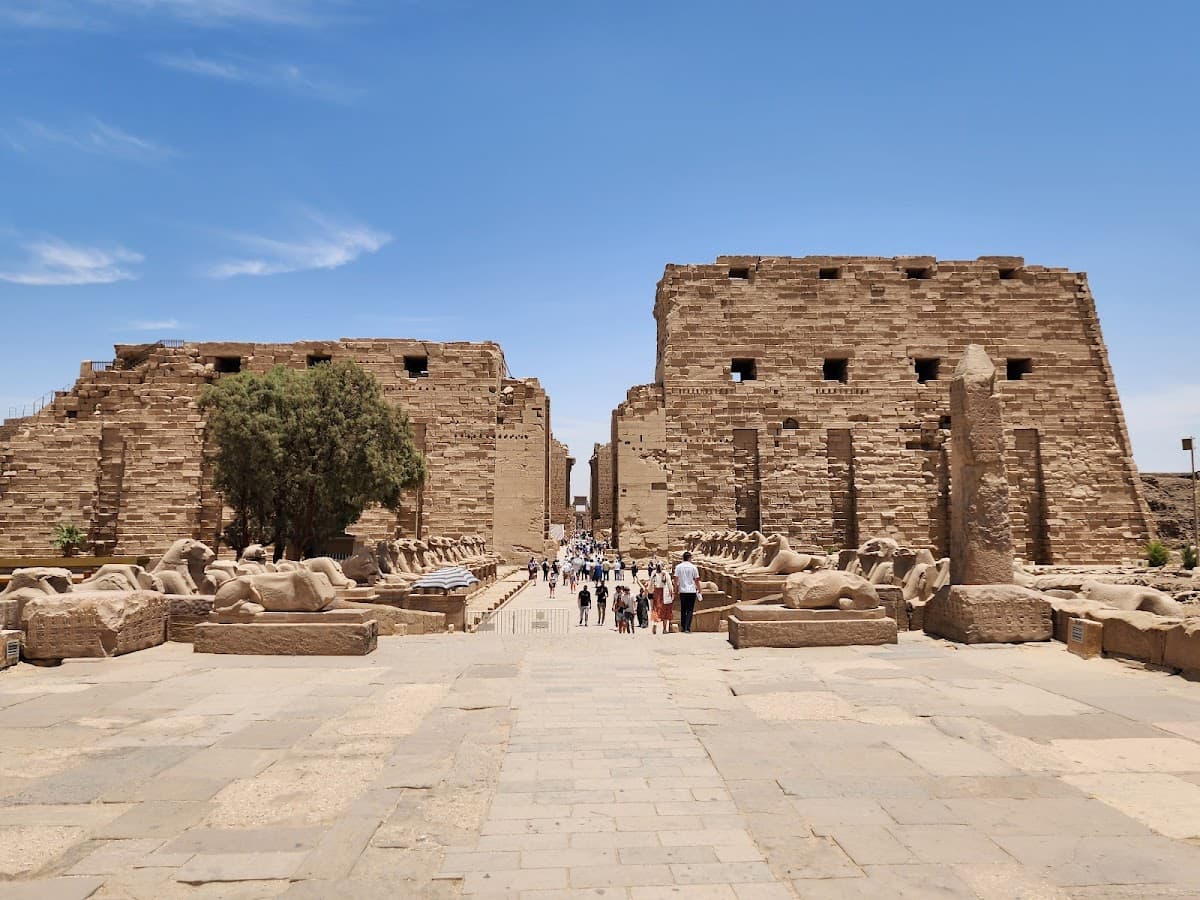
Karnak Temple
Ancient Egypt's most magnificent temple complex
Walking through Karnak Temple feels like stepping into the pages of a history book that's been left open for 4,000 years. This isn't just another pile of old stones — it's the largest religious complex ever built, sprawling across 200 acres of the East Bank in Luxor. The Great Hypostyle Hall alone will make you crane your neck in disbelief. 134 massive columns rise like a stone forest, each one thick enough that it would take six people holding hands to wrap around it. But here's what your guidebook won't tell you: the best time to visit is right when they open at 6 AM, before the tour buses arrive and you can hear your own footsteps echoing through chambers where pharaohs once walked.
Money-Saving Tips
- 1.Buy your ticket online in advance during peak season (December-February) to skip the lines
- 2.Bring small bills for tipping guards who unlock special areas or provide extra information
- 3.The official audio guide costs 50 EGP but you can download free apps with similar content
- 4.Bottled water inside costs 3x more than outside — stock up at local shops first
- 5.Photography tickets for special areas like the Holy of Holies cost extra 300 EGP
- 6.Taxi drivers will quote tourist prices — locals pay 30-50 EGP for most trips within Luxor
- 7.The sound and light show costs 350 EGP but many hotels get group discounts
- 8.Student discounts require international student ID cards, not local university cards
Travel Tips
- •Visit between 6-8 AM for the best light and smallest crowds
- •Wear closed-toe shoes — the ancient stones are uneven and can be sharp
- •Bring a portable phone charger — you'll take more photos than expected
- •The restrooms near the entrance are your only option, so plan accordingly
- •Local guides outside the entrance offer tours for 200-500 EGP — negotiate and check credentials
- •Download offline maps — GPS can be spotty inside the complex
- •The gift shop prices are inflated — buy souvenirs in Luxor's markets instead
- •Respect the 'no climbing' signs — they're there to protect 4,000-year-old monuments
- •Bring tissues — dust gets everywhere and there's no air conditioning
- •The Sacred Lake cats are friendly but don't feed them — it's not good for their health
Frequently Asked Questions
BUILD YOUR
KARNAK TEMPLE PLAN
Insider picks, smart timing, and a plan ready when you are.
Start Planning