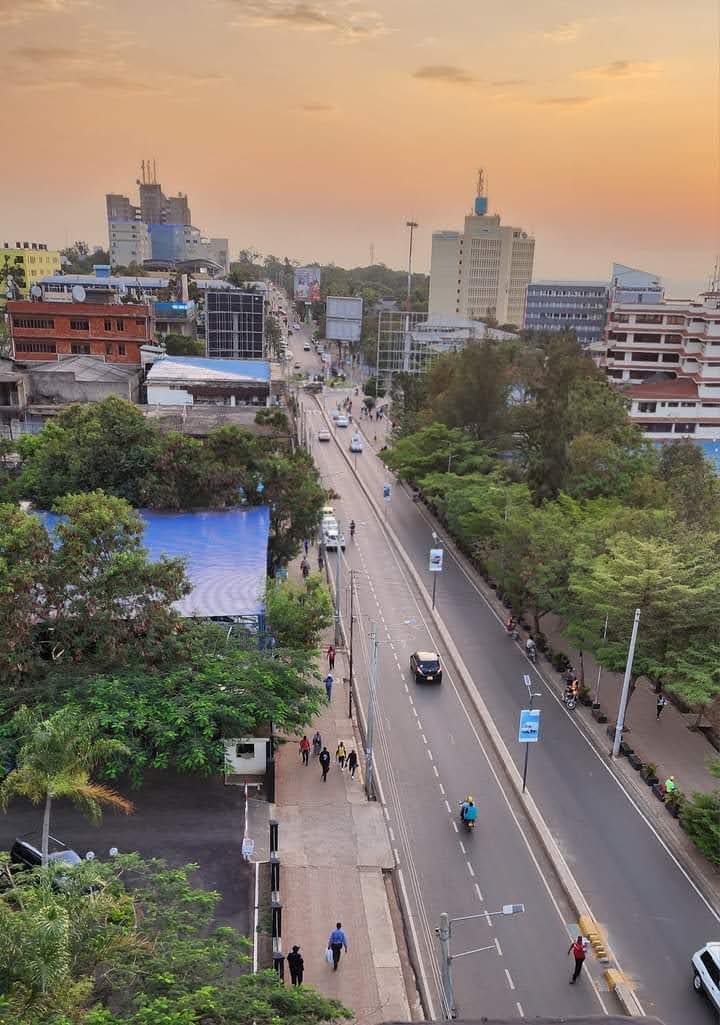
Kisumu
Lake Victoria's vibrant port city with Luo culture
Kisumu sits on the shores of Lake Victoria like a friend who's comfortable in their own skin. Kenya's third-largest city doesn't try to impress you with flashy attractions. Instead, it wins you over with genuine Luo hospitality, the best tilapia you'll ever taste, and a pace of life that actually lets you breathe. The fish market at dawn is pure chaos in the best way. Vendors shout prices in Dholuo while fishermen unload their night's catch, still glistening from Africa's largest lake. This is real Kenya, not the safari version tourists usually see.
Best Months
JAN · FEB · JUN · JUL · AUG · SEP · DEC
~27°C · moderate crowds
Culture & Context
LUO HEARTLAND & LAKE
Kisumu is Luo country, full stop. The Luo are one of Kenya's largest ethnic groups, and the city's entire identity, from its fishing culture to its music (ohangla beats, nyatiti lyre), is shaped by that heritage. Lake Victoria, called Nam Lolwe in Dholuo, isn't just scenery.
It's the economic and spiritual backbone of the community. Fishermen head out before dawn and return with tilapia and Nile perch that will be sold, smoked, and eaten the same day. That connection to the lake is real and tangible, not performative for tourists.
The Luo are also intensely proud of their political history. Kisumu is the hometown of Raila Odinga, and political identity runs deep here. That's not a problem for visitors, but it's worth knowing that the city has historically been a flashpoint during election periods.
Kondele neighborhood, once notorious for political violence going back to 1969, has shed much of that image and is now emerging as a genuine business hub. Go during calm political times and you'll find one of the most welcoming cities in Kenya. The local greeting culture is warm.
Respond in kind, even badly, and people appreciate it. Don't rush interactions at markets or restaurants. Pole pole (take it easy) is a Swahili phrase that perfectly describes the Kisumu pace.
Local Customs
GREET FIRST, NEGOTIATE LOW-KEY
Greet before you ask. Walking up to someone in a market and immediately asking for a price without a greeting first is considered rude. Even a quick 'Amosi' or 'Habari' goes a long way..
M-Pesa runs everything. Get your phone set up with M-Pesa or have the hotel help you. Small vendors, boda-bodas, and even some restaurants won't have card readers..
Negotiate at markets, but not aggressively. Kibuye Market is not a tourist trap, it's where locals shop. Bargaining is normal but low-key.
Starting at half price and working up is fine.. Ask before photographing people. This is especially true at Dunga Beach and Kibuye Market.
Many people are happy to be photographed but don't like being treated as scenery without being asked.. The lake is sacred, not just scenic. For the Luo people, Lake Victoria (Nam Lolwe) has deep spiritual significance.
Treat it with the same respect you'd give a place of worship.. Dress modestly when visiting Kit Mikayi. It's a pilgrimage site for both the local Luo community and the Legio Maria religious cult.
Shorts and revealing clothing are inappropriate here.. Avoid Kondele and Obunga at night. Both have improved enormously during the day and are fine for daytime exploring, but at night stick to well-lit areas and use a trusted taxi or Uber..
Malaria precautions are non-negotiable. Kisumu is at low altitude near a large lake. Mosquitoes are active, especially at dusk.
Use repellent, sleep under a net, and take antimalarials.
Safety
WATCH YOUR BELONGINGS
Kisumu is safer than its historical reputation suggests, but it's not without real risks. Petty theft, including pickpocketing and bag snatching from motorcycles, happens in crowded areas like Kibuye Market and bus terminals. Keep your phone in a front pocket, not dangling in your hand while walking.
Obunga and parts of Nyalenda have higher crime rates. Avoid them at night. The government of Canada and Australia both list Kisumu in their elevated-caution zones for urban crime, which is accurate, but millions of people live and visit here without incident.
Common sense is your main tool. Boda-bodas are convenient but reckless drivers are a genuine hazard. If you use them, negotiate the price first and hold on.
Uber and Bolt are available and much safer for longer distances or night travel. After dark, take a ride-hailing app rather than walking alone, regardless of the neighborhood. Malaria is a serious risk.
Kisumu sits at low altitude near a large lake and mosquitoes are active year-round. Take antimalarials, use repellent (DEET-based, not the weak stuff), and sleep under a net if your accommodation doesn't have screens. Don't drink tap water.
Bottled water is cheap and everywhere. The Kenya Tourism Federation runs a 24-hour Safety and Communication Centre (0202-713-348) if you need tourist assistance. During election periods, Kisumu has historically seen political protests that can escalate.
Stay aware of the political calendar and avoid large gatherings if tensions appear elevated.
Getting Around
MATATUS & RIDE-HAILING
Getting to Kisumu is straightforward. Kenya Airways and Jambojet fly daily from Nairobi's Wilson Airport, with flight time around 50 minutes. Kisumu International Airport (KIS) is only about 5km from the CBD.
Budget about KSh 600–1,000 for a taxi into town, or use Uber. From Nairobi by road, it's about 350km. Bus companies like Easy Coach and Modern Coast run comfortable services that take roughly 6–7 hours.
Getting around the city works on a few levels. Matatus (shared minibuses) are the cheapest option at KSh 30–80 per ride, but routes can be confusing and they're crowded. Boda-bodas (motorcycle taxis) are everywhere and useful for short hops.
Negotiate the price before you get on. For longer trips or after dark, use Uber or Bolt. Both apps are active in Kisumu.
For lake travel, local boats and water taxis operate from Dunga Beach and the main Kisumu harbor to nearby fishing villages and Ndere Island. Hiring a local fisherman's wooden canoe (as opposed to a motor boat) is cheaper and more atmospheric. The city is relatively compact around the CBD, and Dunga Beach is a manageable 6–8km from the center.
The Kisumu Railway Station is a colonial-era landmark worth seeing, but passenger rail services to Kisumu are limited. Most travel in and out uses road or air.
Useful Phrases
Kisumu Itineraries
View all
Kisumu Lakeside Escape with Wild, Green Outings
Week · $$$
Wild Waters & Sunset Skies: A Kisumu Weekend Escape
Weekend · $$$
Lake Victoria Jungle Vibes: A Kisumu Long Weekend
Day Trip · $$$

Lakeside Love: 7 Romantic Days in Wild Kisumu
Week · $$$

Romantic Jungle-Lakeside Weekend in Kisumu
Weekend · $$$

Romantic Lakeside Jungle Escape in Kisumu
Day Trip · $$$
Things to Do in Kisumu
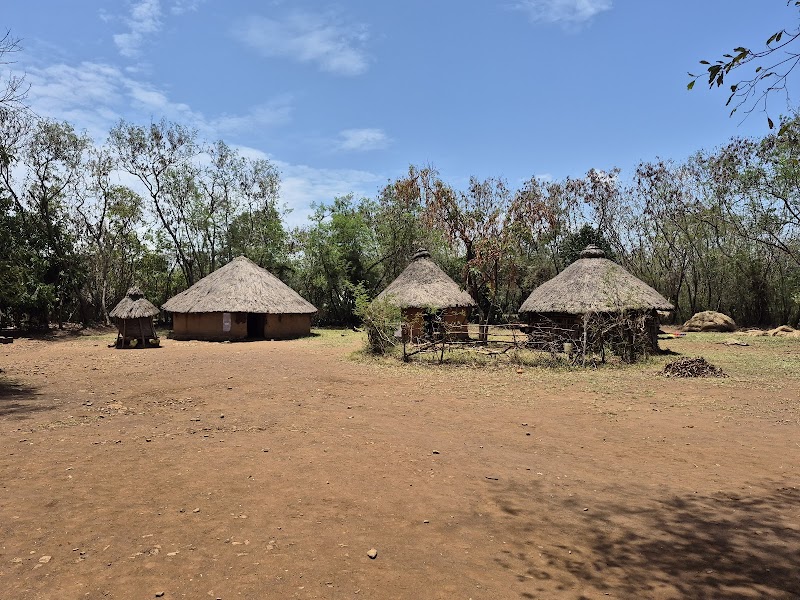
Kisumu Museum
Milimani / Kisumu CBD · 90 min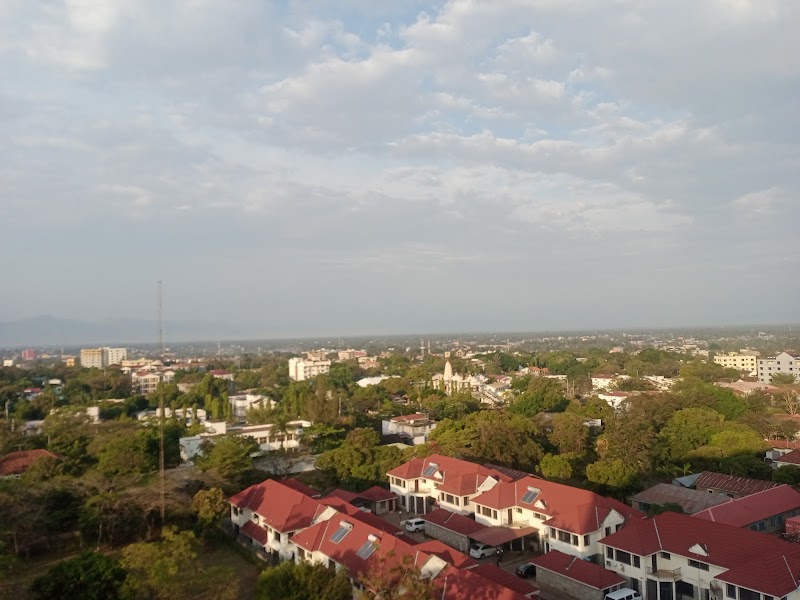
Milimani Neighborhood Stroll
Milimani / Kisumu CBD · 45 min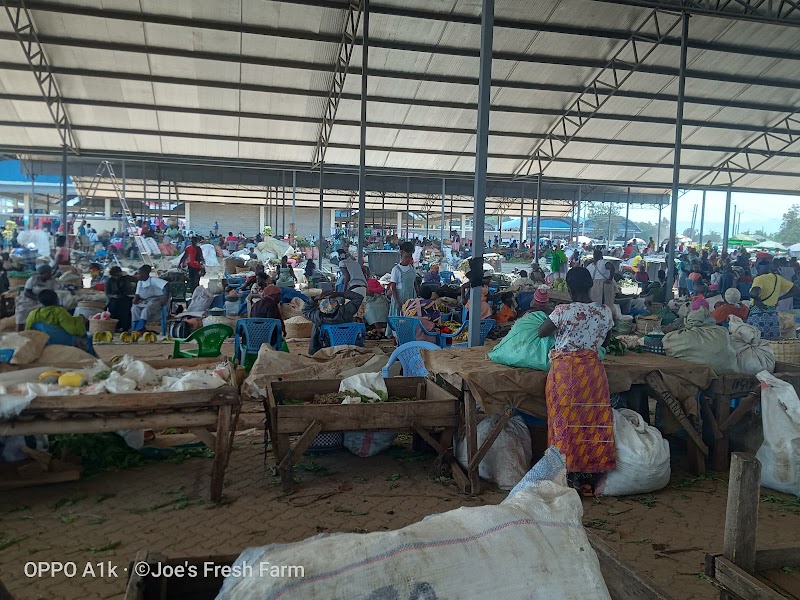
Kibuye Market (Light Visit)
Kisumu CBD · 60 minMoney-Saving Tips
- 1.Eat at local joints near the market - meals cost 200-300 shillings versus 800+ at hotels
- 2.Take matatus instead of taxis - you'll save 90% on transport costs
- 3.Buy fresh fish directly from fishermen at Dunga Beach, not restaurants
- 4.Stay in Milimani area to avoid expensive transport to city center
- 5.Negotiate prices for crafts at Kibuye Market - start at half the asking price
- 6.Share taxi costs for day trips with other travelers at your accommodation
Travel Tips
- •Learn basic Dholuo greetings - locals appreciate the effort and warm up quickly
- •Carry small bills for matatus and market purchases - change is often scarce
- •Visit the fish market early morning (6-8 AM) for the best selection and atmosphere
- •Respect local customs around Lake Victoria - it's sacred to many communities
- •Pack mosquito repellent - the lake brings bugs, especially during rainy season
- •Don't swim in Lake Victoria due to bilharzia risk - stick to hotel pools