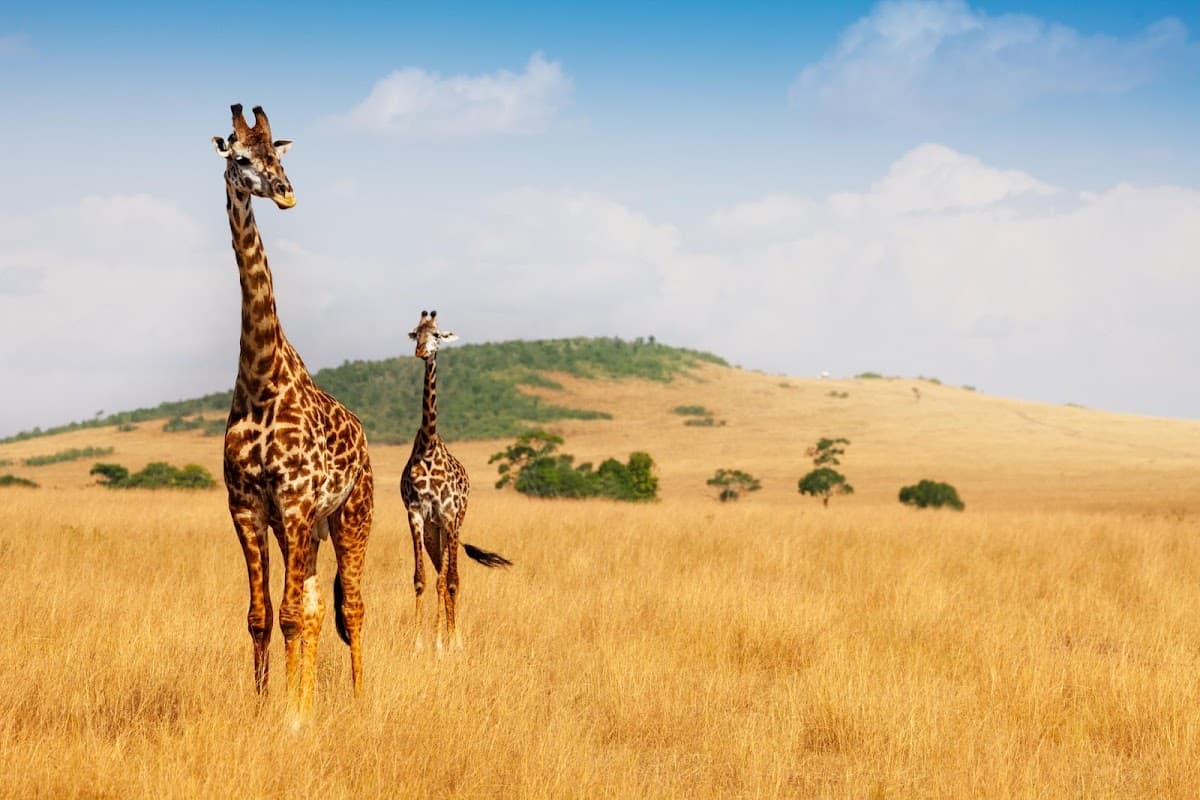
Masai Mara
Kenya's premier wildlife sanctuary and Great Migration spectacle
The Masai Mara isn't just another safari destination — it's the stage for one of nature's most spectacular shows. Every year, over two million wildebeest thunder across these golden grasslands in the Great Migration, followed by zebras, gazelles, and the predators who hunt them. But here's what the brochures won't tell you: the Mara delivers incredible wildlife year-round, not just during migration season. Lions lounge under acacia trees in January. Cheetahs sprint across the plains in March. And the bird life? Over 450 species call this place home. The Mara covers 1,510 square kilometers of rolling savanna in southwestern Kenya, extending into Tanzania's Serengeti. It's raw, wild, and utterly addictive once you've experienced it.
Money-Saving Tips
- 1.Book conservancy stays over main reserve — better wildlife viewing with fewer vehicles per sighting
- 2.Fly one way, drive the other to save on charter costs while seeing Rift Valley scenery
- 3.Visit during shoulder seasons (June or November) for 30-40% lower lodge rates
- 4.Pack all camera batteries and memory cards — electronics cost 3x more in the Mara
- 5.Bring cash in small bills for community visits and tip money — ATMs don't exist in the reserve
- 6.Book multi-night stays at one camp instead of hopping — transfer costs add up quickly
- 7.Consider camping options in conservancies — some offer luxury tented camps at half the price of lodges
Travel Tips
- •Download offline maps before arriving — cell service is spotty outside major camps
- •Pack neutral colored clothing for game drives — bright colors can spook animals
- •Bring a good zoom lens or binoculars — animals maintain natural distances from vehicles
- •Carry a portable phone charger — long game drives drain batteries fast
- •Book balloon safaris 48 hours in advance — they're weather dependent and fill up quickly
- •Respect Maasai photography requests — always ask permission and expect to pay for portraits
- •Stay hydrated but limit fluids before long game drives — bathroom stops aren't always possible
- •Pack warm layers for early morning drives — temperatures can drop to 10°C before sunrise