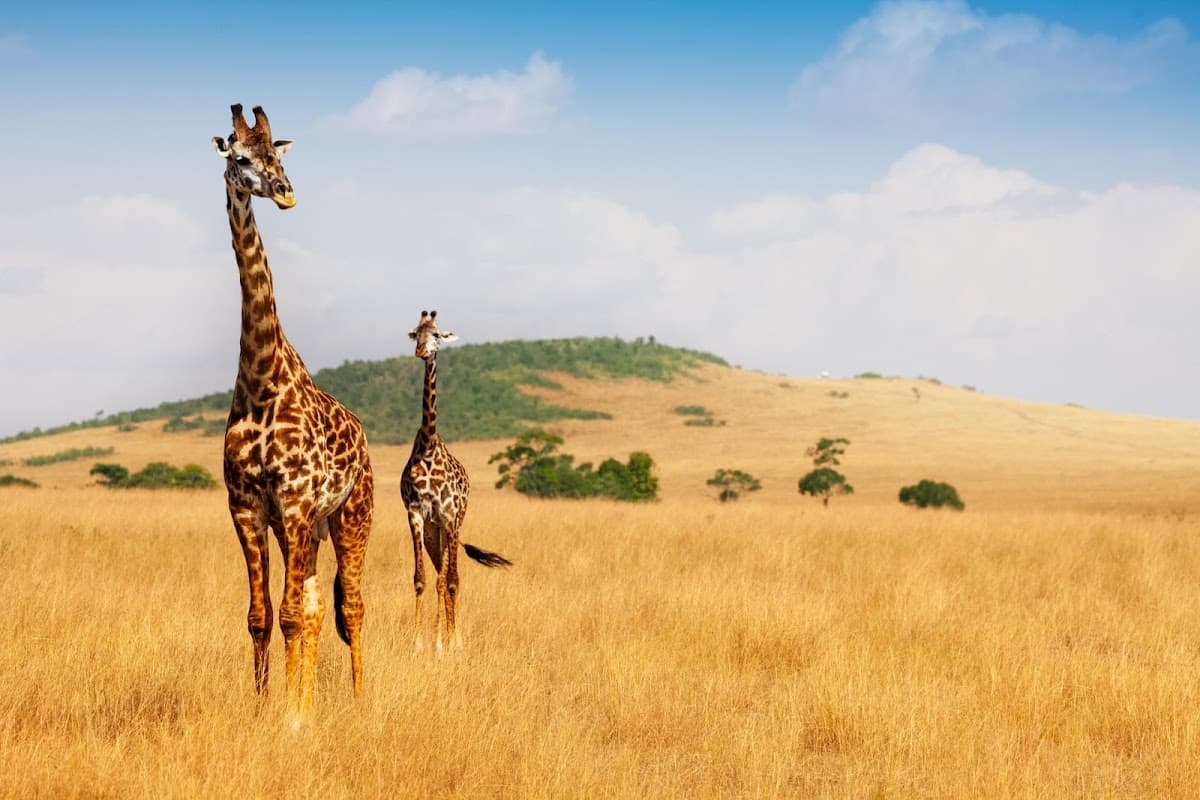
Masai Mara
Poland's historic heartland centered around vibrant Warsaw
The Masai Mara isn't just Kenya's most famous game reserve — it's where the African safari dream becomes reality. Stretching across 1,510 square kilometers of rolling grassland and acacia woodland, this ecosystem connects seamlessly with Tanzania's Serengeti, creating one of the world's most spectacular wildlife theaters. Here's the thing: while everyone talks about the Great Migration (and yes, it's incredible), the Mara delivers year-round wildlife encounters that'll leave you speechless. Lions lounge under fever trees, elephants lumber across the Mara River, and if you're lucky, you might spot a leopard draped across an acacia branch like it owns the place. But this isn't just about the animals — it's about the Maasai people who've called this land home for centuries, their red shukas adding splashes of color to an already dramatic landscape. Sure, it gets crowded during migration season, and yes, it's pricier than other Kenyan parks. The payoff? Wildlife density that makes every game drive feel like a nature documentary come to life.
Itineraries coming soon
We're working on adding amazing itineraries for Masai Mara. In the meantime, try the app to create your own!
Money-Saving Tips
- 1.Book accommodation directly with camps and lodges to avoid agent markups of 20-30%
- 2.Visit during shoulder seasons (June or November) for 40% lower rates and fewer crowds
- 3.Pack a good camera lens — renting a 400mm telephoto in Nairobi costs $50/day vs buying for $2000+
- 4.Bring US dollars in small denominations for park fees and tips — credit cards aren't accepted at gates
- 5.Budget camps like Mara Springs and Enchoro Wildlife Camp offer game drives for $30-40 vs $80+ at luxury lodges
- 6.Share balloon safari costs by booking as a group — some operators offer discounts for 4+ people
- 7.Buy safari clothes in Nairobi's Eastleigh district for 70% less than tourist shops
- 8.Negotiate multi-day park fees at gates — some rangers offer slight discounts for 3+ day stays
Travel Tips
- •Download offline maps before arriving — cell coverage is spotty and GPS unreliable in the reserve
- •Pack layers for temperature swings from 15°C at dawn to 30°C+ at midday
- •Bring a good flashlight and extra batteries — most camps have limited generator hours
- •Book hot air balloon safaris 48 hours in advance during peak season
- •Carry anti-malarial medication and insect repellent — the Mara has year-round malaria risk
- •Respect the 25 meter wildlife viewing distance rule — rangers will fine vehicles that get too close
- •Learn basic Swahili greetings — guides and staff appreciate the effort and share better stories
- •Pack dust masks for game drives — the murram roads create fine red dust that gets everywhere
- •Bring a portable charger — electricity is limited and camera batteries drain quickly in the heat
- •Book river crossing spots early in the morning when wildebeest are most active
Frequently Asked Questions
Explore Masai Mara
Ready to explore Masai Mara?
Get a personalized itinerary in seconds with Takeoff.
Free on iOS. No credit card required.