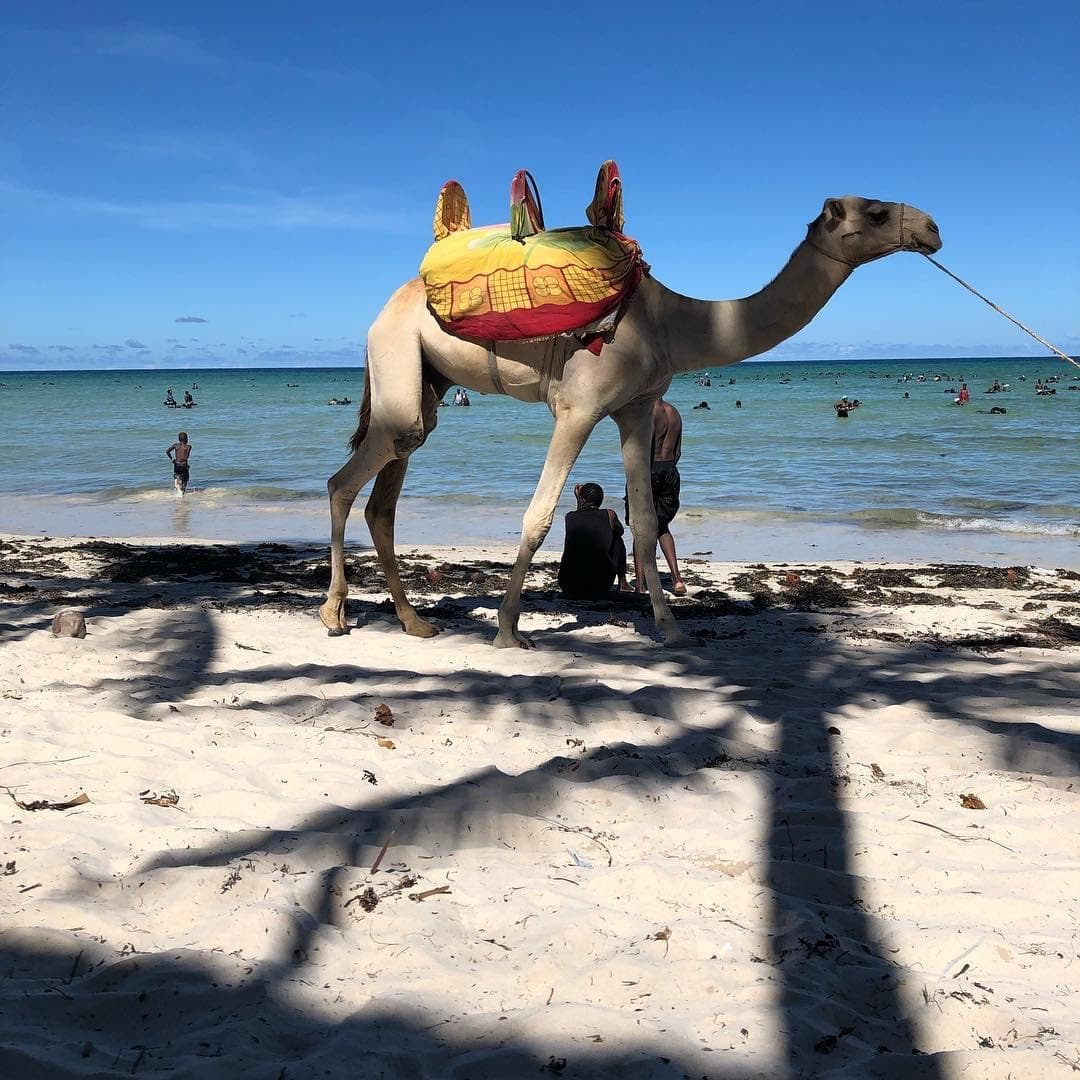
Mombasa
Kenya's Swahili coast jewel with beaches and history
Mombasa hits different. This isn't just another beach town – it's where 1,000 years of Swahili culture meets the Indian Ocean, where Portuguese forts stand guard over dhow harbors, and where the call to prayer mingles with reggae beats from beachside bars. The air smells like cardamom and sea salt, and every street corner tells a story of traders, explorers, and the resilient people who made this coast home.
But here's what guidebooks won't tell you: Mombasa can overwhelm first-timers. The Old Town's narrow alleys twist without logic, matatu drivers negotiate like Wall Street brokers, and the humidity hits like a warm, wet blanket. Yet stick around past that initial culture shock, and you'll find a city that rewards the curious – where Nyama Choma tastes better at sunset, where Fort Jesus holds secrets in its coral stone walls, and where Diani Beach stretches so white it hurts your eyes.
Best Months
JAN · FEB · MAR · JUN · JUL · AUG · SEP · DEC
~30°C · high crowds
Culture & Context
THOUSAND YEAR TRADING PORT
Mombasa is Kenya's second-largest city and its oldest, sitting on a coral island connected to the mainland by bridges and a ferry. It's been a trading port for over a thousand years, and you can feel that history in the architecture: Arab balconies, Portuguese stone forts, Indian carved doorways, and Swahili rooftop terraces all sharing the same block. The city is majority Muslim, which shapes the rhythm of daily life. Fridays mean quieter streets in the morning and packed mosques. During Ramadan, restaurant hours shift and alcohol is harder to find in certain areas. None of this is a problem for visitors who pay attention.
Locals call the city "Mombasa Raha," roughly meaning "the pleasure of Mombasa." Life moves at a different pace here than Nairobi. Slower. More relaxed. People greet strangers on the street. Conversations happen spontaneously. The trade-off is that things also run on their own schedule. Don't book tight connections.
Local Customs
GREET FIRST, DRESS MODEST
Dress modestly when visiting Old Town, mosques, or any religious site. Both men and women should cover shoulders and knees. This isn't just a rule posted on a sign — locals genuinely notice and appreciate it..
Always greet before asking anything. Walking up to someone and launching straight into a question, without a 'Habari' or 'Salaam,' reads as rude regardless of how politely you phrase the request itself.. Use 'Shikamoo' (pronounced shee-kah-MOH) when greeting elders.
The response is 'Marahaba.' Using it will earn you immediate warmth and respect from older residents.. Bargaining is expected at markets like Marikiti but do it with a smile, not aggression.
Insulting an opening price loudly is considered disrespectful. Start at about 50-60% of asking, work up from there.. Don't photograph people, especially women in hijabs or people at prayer, without asking first.
It will cause real offense, not just mild annoyance.. Tipping is appreciated but not mandatory. Around 10% at restaurants is generous.
For drivers and guides, round up or add a small amount on top.. Public displays of affection are frowned upon, particularly in more conservative neighborhoods and near mosques. What flies at a beach resort does not fly in Old Town..
Tap water is not safe to drink. Stick to sealed bottled water. This is not a guidebook exaggeration.
Safety
PAY ATTENTION REQUIRED
Mombasa is manageable when you're paying attention. The tourist areas — Nyali, Bamburi, Shanzu, Old Town (daytime), and the CBD during daylight — are fine for most travelers. Avoid isolated beaches after dark and don't flash expensive gear in crowded markets.
Solo female travelers should be extra cautious. Unwanted attention and persistent harassment in public spaces is a reported reality, particularly in less touristy areas. Walking alone at night is not advisable for anyone. Use Bolt or Uber rather than hailing unregistered taxis.
One specific warning from actual arrivals: there are reports of immigration officials at Moi International Airport attempting to extract payments. Know your rights. The official eTA fee is paid online before you arrive. No officer should be asking you for cash. If pressed, ask for a supervisor and document the interaction.
Internet and phone scams are prevalent across Kenya. Verify any business contact independently before sending money or goods. The US State Department explicitly flags scammers impersonating legitimate companies and routing shipments through Mombasa port.
Health: Take malaria prophylaxis seriously — this is a real risk, not a formality. A Yellow Fever certificate is required if arriving from or transiting through an endemic country. Drink sealed bottled water only. Medical facilities in Mombasa are limited; for anything serious, evacuation to Nairobi or abroad may be necessary, so travel insurance with medical evacuation coverage is not optional here.
Getting Around
TUKTUKS & BYPASS ROUTE
Getting to Mombasa: Three options from Nairobi. Fly (1 hour, most convenient), take the SGR train (4.5–6 hours, scenic and comfortable), or bus/car (7–9 hours, skip this if you have a choice). The SGR is genuinely good — air-conditioned, on time, and the window views are worth it.
Getting around Mombasa: Tuk-tuks are the local move for short hops and cost very little. Matatus go everywhere but are crowded. Bolt and Uber both operate here, and using them at night is smarter than flagging a random taxi. The Mombasa Commuter Train runs from the old CBD station to the SGR terminal at Miritini for KES 100 — wooden seats, no AC, but it completely sidesteps the notorious Mombasa Road gridlock.
South Coast travel: The Dongo Kundu Bypass, completed between 2022 and 2024, now connects the mainland directly to the Diani side without the Likoni Ferry. What used to be a two-hour ordeal in ferry queues is now a 45-minute drive. If you're heading to Diani, tell your driver to use Dongo Kundu.
Likoni Ferry: Still exists for pedestrians (free crossing) and is the traditional route to the South Coast. Fine during off-peak hours. Avoid it during rush hour and avoid it completely after dark.
Useful Phrases
Money-Saving Tips
- 1.Negotiate everything except restaurant bills – tuk-tuk fares, souvenir prices, and even some hotel rates have flexibility built in
- 2.Eat street food for lunch (mandazi and samosas cost under 50 KES) and splurge on dinner at proper restaurants
- 3.Buy a local SIM card at the airport (500 KES) instead of paying international roaming charges
- 4.Matatus cost 30-50 KES per ride versus 800+ KES for Uber – learn the routes to save serious money
- 5.Visit during shoulder seasons (June-August) for 30% lower hotel rates without sacrificing weather
- 6.Bring cash – many places don't accept cards, and ATM fees add up quickly
Travel Tips
- •Pack reef-safe sunscreen – the equatorial sun reflects off white sand and water, creating double exposure
- •Download offline maps before exploring Old Town's maze-like streets where GPS signals disappear
- •Carry small bills (50 and 100 KES notes) for street vendors and matatu fares
- •Learn basic Swahili greetings – 'Jambo' and 'Asante' open doors and earn smiles
- •Book Fort Jesus tours for early morning to avoid crowds and heat
- •Bring insect repellent for evening beach walks when mosquitoes emerge
- •Keep copies of your passport – some attractions require ID, and police checkpoints are common