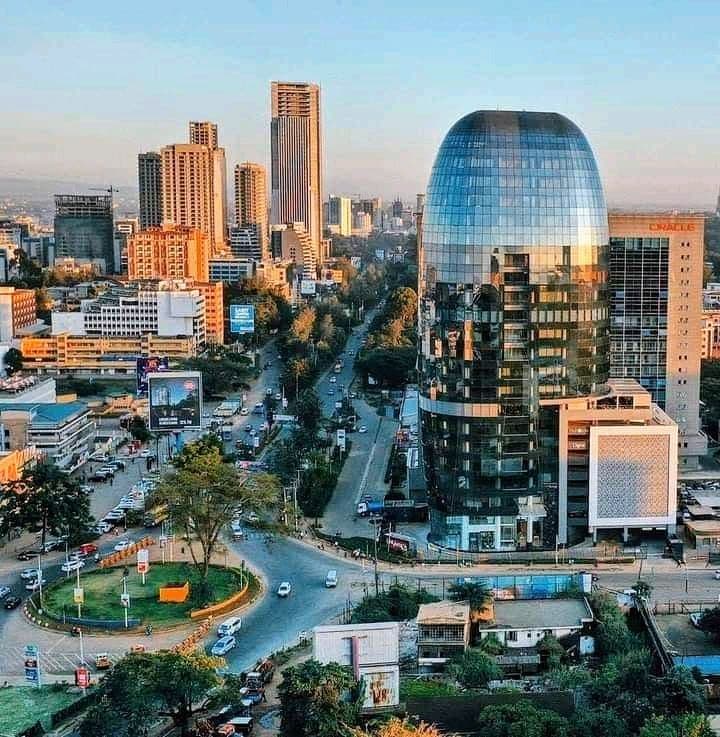
Nairobi
Africa's safari capital where wildlife meets urban sophistication
Lions prowl just 7 kilometers from downtown skyscrapers. That's Nairobi for you — the only capital city in the world with a national park on its doorstep. But this isn't just about the Big Five. Kenya's bustling hub serves up rooftop bars with skyline views, world-class coffee culture, and some of East Africa's best nyama choma (grilled meat). The matatu rides might test your nerves, but the city's energy is infectious. Here's your guide to navigating Africa's safari capital.
Best Months
JAN · FEB · JUN · JUL · AUG · SEP · OCT · DEC
~24°C · high crowds
Culture & Context
LIONS, GLASS TOWERS, SHENG
Nairobi is the only capital city in the world with a national park inside its boundaries. Lions laze 7km from parliament. Office workers eat nyama choma roasted over 55-gallon drums, then go back to glass towers built with Chinese loans and Kenyan audacity. The same avenue holds a Java House pour-over single-origin and a woman selling charcoal corn for 30 shillings.
Sheng — a constantly evolving mix of Swahili, English, and tribal languages — is the lingua franca of Nairobi's youth. It keeps changing. New words emerge, old ones die. Over 60 languages are spoken in the city, including Kikuyu, Luo, Somali, French, and increasingly Mandarin. English and Swahili are the official languages and get you everywhere.
Kenya grows some of the world's finest single-origin arabica. The coffee culture in Westlands and Kilimani is serious, not performative. Nairobi's live music scene is rooted in benga, gengetone, and Afrobeats, filling venues from Thursday to Sunday. The contemporary visual art scene has been producing internationally recognized work for over a decade. The standard tourist itinerary (elephant orphanage, giraffe centre, Carnivore, fly to the Mara) misses most of this. A city worth at least a day more than your safari schedule currently allows for.
Local Customs
GREET FIRST, ALWAYS
Always greet before asking anything. Walking up to someone and immediately asking a question without a greeting first is genuinely rude here, regardless of how politely you phrase the request. Start with Habari every single time..
Negotiation is expected at the Maasai Market — the first price quoted is rarely the final one. Ask 'Bei gani?' and counter with roughly half.
Don't be aggressive about it; the whole thing is meant to be conversational.. Ask permission before photographing people. Some communities, particularly Maasai, may request payment.
Some urban Nairobians just don't want a camera in their face. Always check first.. If you want a cold beer, say so explicitly.
In many local bars, room temperature is the default and cold costs a few extra shillings. 'Baridi' means cold — 'bia baridi tafadhali' gets you what you want.. M-Pesa is the dominant payment system.
Many small vendors, landlords, and service providers prefer it over cash. Getting a Safaricom SIM at the JKIA arrivals hall and loading M-Pesa is genuinely useful from day one.. Tipping isn't mandatory but is appreciated, especially at restaurants and for safari guides.
10% at a sit-down restaurant is reasonable. For guides, USD 10–20 per day is considered generous.. Traffic is genuinely brutal during rush hour, 7–9 AM and 4:30–6:30 PM.
Build serious buffer time into any morning plans. The city isn't being dramatic — it can take 50 minutes to cover 5 kilometres on Ngong Road at 5 PM.. The Maasai Market rotates locations by day: Friday at Village Market, Saturday at the High Court, Sunday at Yaya Centre.
Ask a local to confirm current rotation as it occasionally shifts.
Safety
WATCH AFTER DARK
The US State Department rates Kenya at Level 2: Exercise Increased Caution. The main elevated concern is terrorism — Al-Shabaab is the identified threat and has historically targeted locations frequented by international visitors. Be particularly alert around anniversaries of previous attacks: August 7, September 21 (Westgate Mall), and October 7.
Day-to-day, the realistic concerns are petty crime: pickpocketing, bag snatching, and muggings — especially in the CBD after dark and in crowded transit areas. Carjackings happen but are concentrated in specific areas most tourists won't be in. The CBD becomes genuinely uncomfortable after dark. Don't walk it alone at night.
The practical rules: Use Bolt or Uber instead of street taxis. Street taxis quote triple after dark and won't run meters. Bolt and Uber give fixed fares and GPS tracking. Don't display laptops, cameras, or phones openly on the street. Break large bills at a supermarket so you're not flashing 1,000 KES notes at market stalls. In safer neighborhoods (Westlands, Kilimani, Karen, Gigiri, Lavington) daytime walking is generally fine if you stay alert.
One underreported issue: never open a bank account at a local bank without thoroughly understanding the fee structure. Multiple visitors report unexplained balance discrepancies. Use ATMs at reputable banks (KCB, Equity, ECO Bank) for better exchange rates than forex bureaus at the airport.
Getting Around
MATATUS & BOLT
Jomo Kenyatta International Airport (JKIA) sits 18km southeast of the city. Pre-book your transfer — airport taxis run $17–30 and take 45 minutes to 1.5 hours depending on traffic. Wilson Airport, closer to the CBD, handles domestic safari flights.
Matatus are the city's nervous system. These privately operated minibuses cover almost every route for around 100 KES (under $1) per ride. They're loud, fast, and occasionally terrifying — matatu crews repaint entire murals overnight and blast benga or gengetone at 120 decibels. Useful for getting around cheaply if you're comfortable with the chaos. Allow extra time. Always.
Bolt and Uber are the go-to for anything important. Fixed fares, GPS tracking, and roughly 30% cheaper than street taxis. Download both apps before you arrive and have a local SIM loaded so you can use them from the moment you land.
The Standard Gauge Railway (SGR) connects Nairobi to Mombasa in just over 4 hours — a scenic, comfortable ride that beats both road and air for the cost-to-experience ratio.
Rush hours are 7–9 AM and 4:30–6:30 PM. The city doesn't exaggerate about this. Ngong Road at 5 PM can take 50 minutes to travel 5 kilometres. If you have a morning flight or a morning tour, leave absurdly early or you'll miss it.
For connectivity: Safaricom dominates the network and has legitimately good 4G/5G coverage across Westlands, Kilimani, Upper Hill, and Karen. A SIM costs KES 100 at the JKIA arrivals hall. Load 30 GB for KES 1,000–1,500. Coworking spaces like Nairobi Garage and iHub offer 100 Mbps+ fiber. Kenya Power load shedding is real — scheduled and unscheduled cuts that typically last 2–6 hours — so carry the Safaricom mobile hotspot as backup.
Useful Phrases
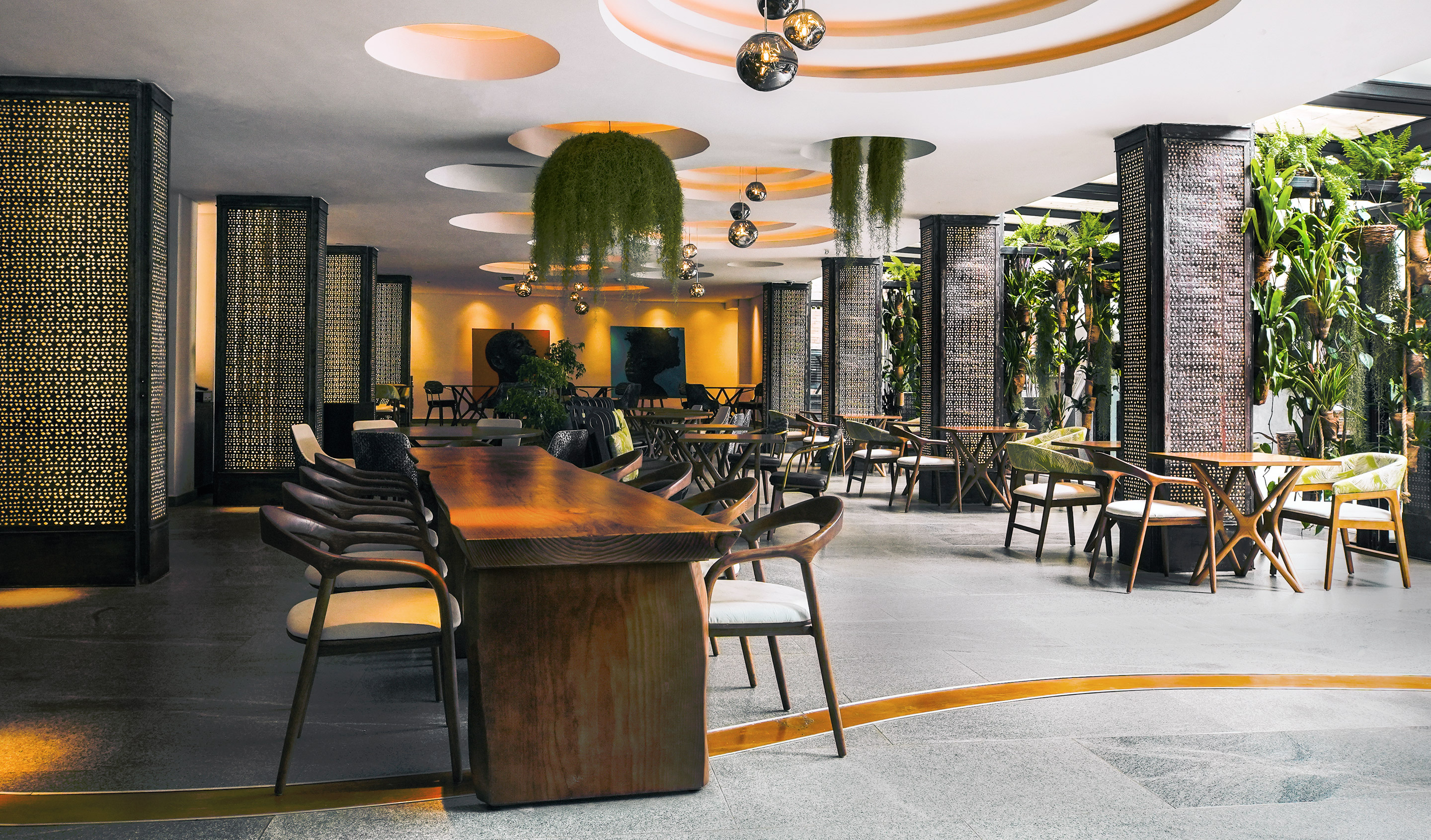
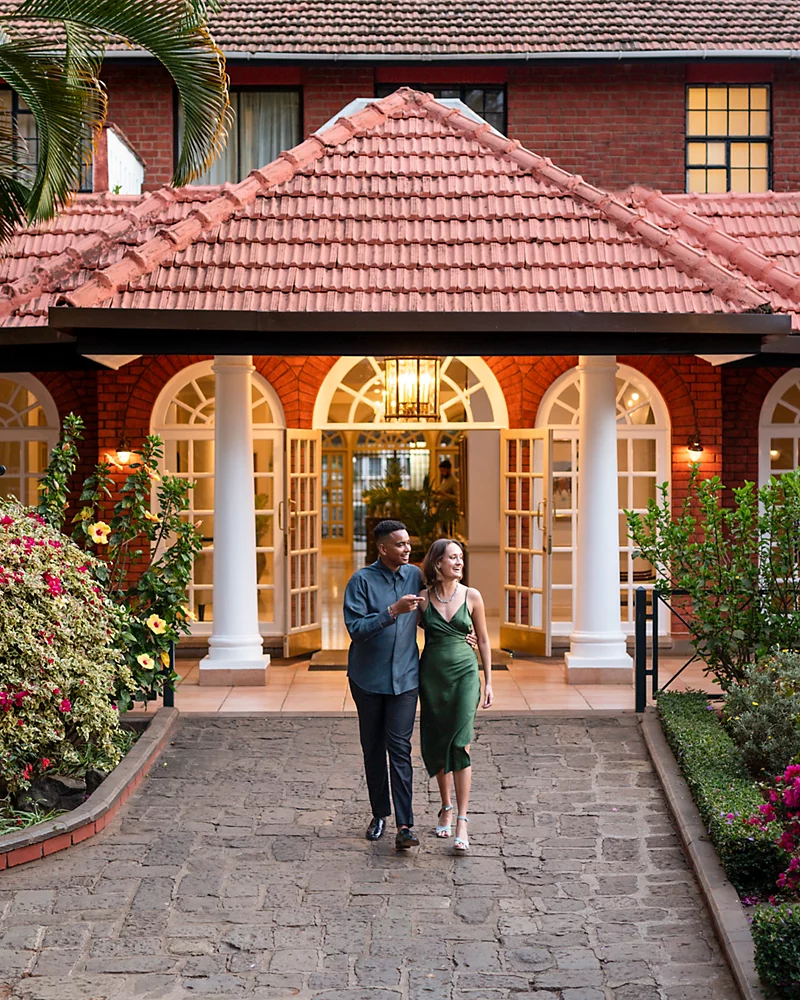
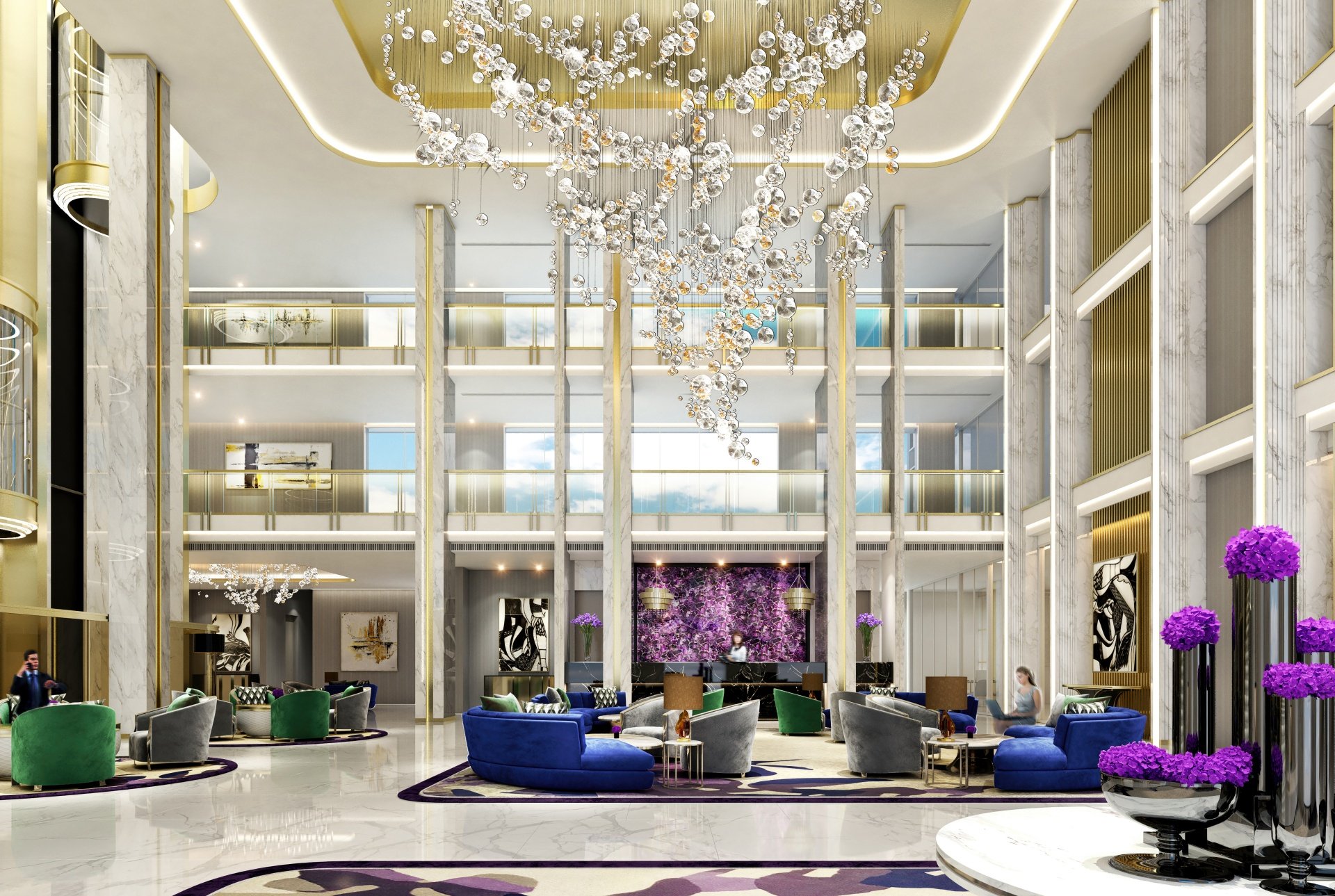
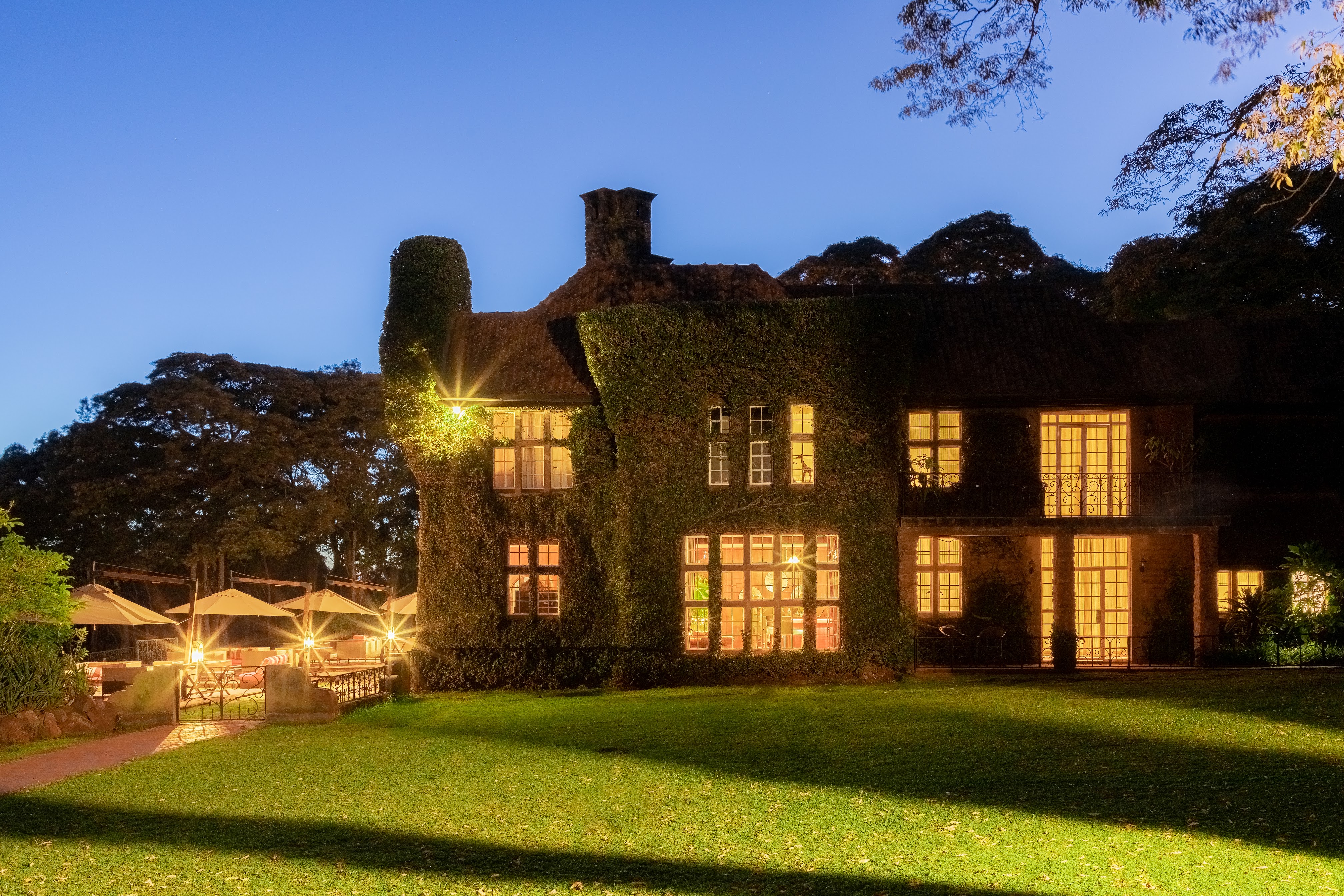
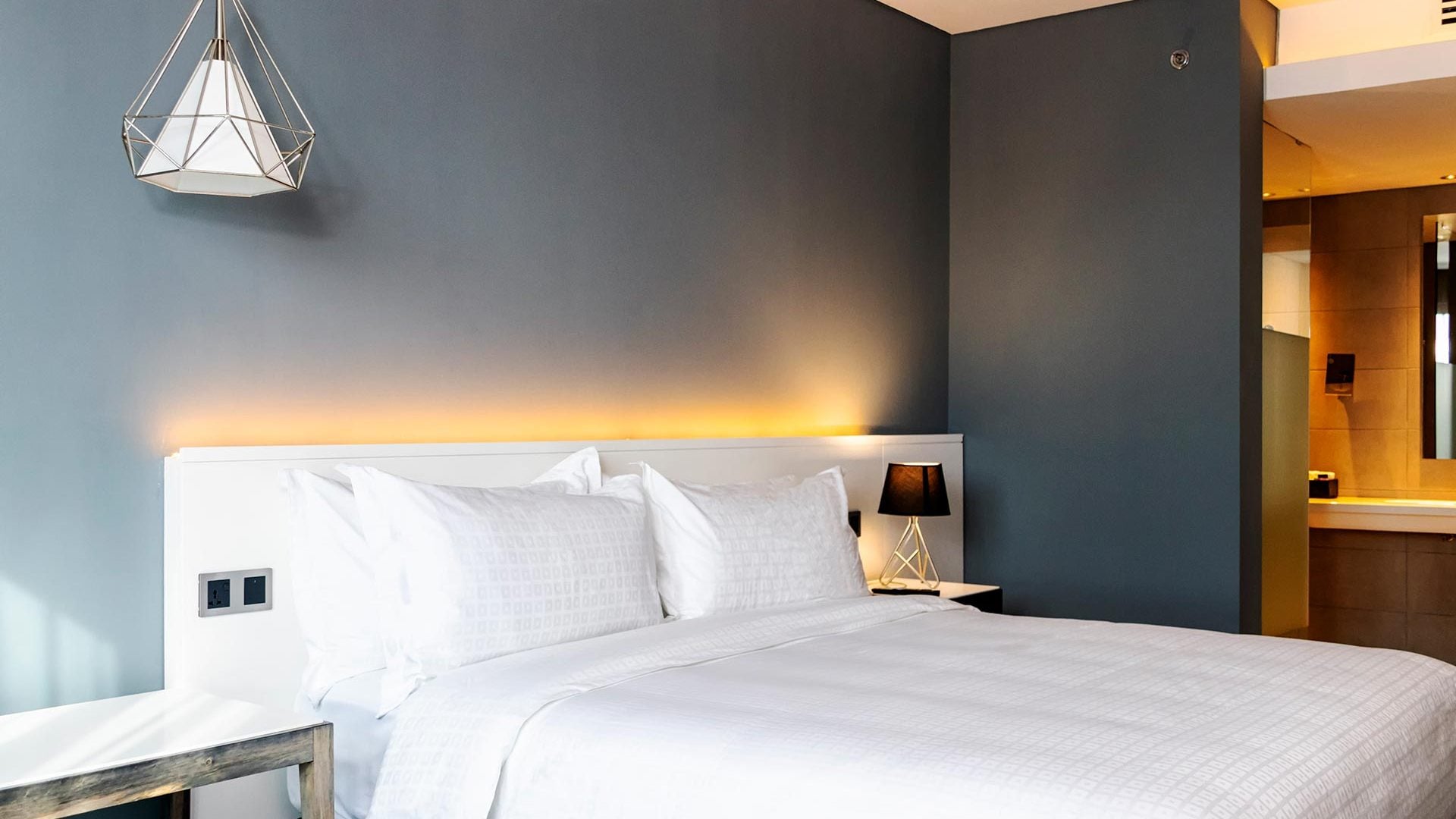
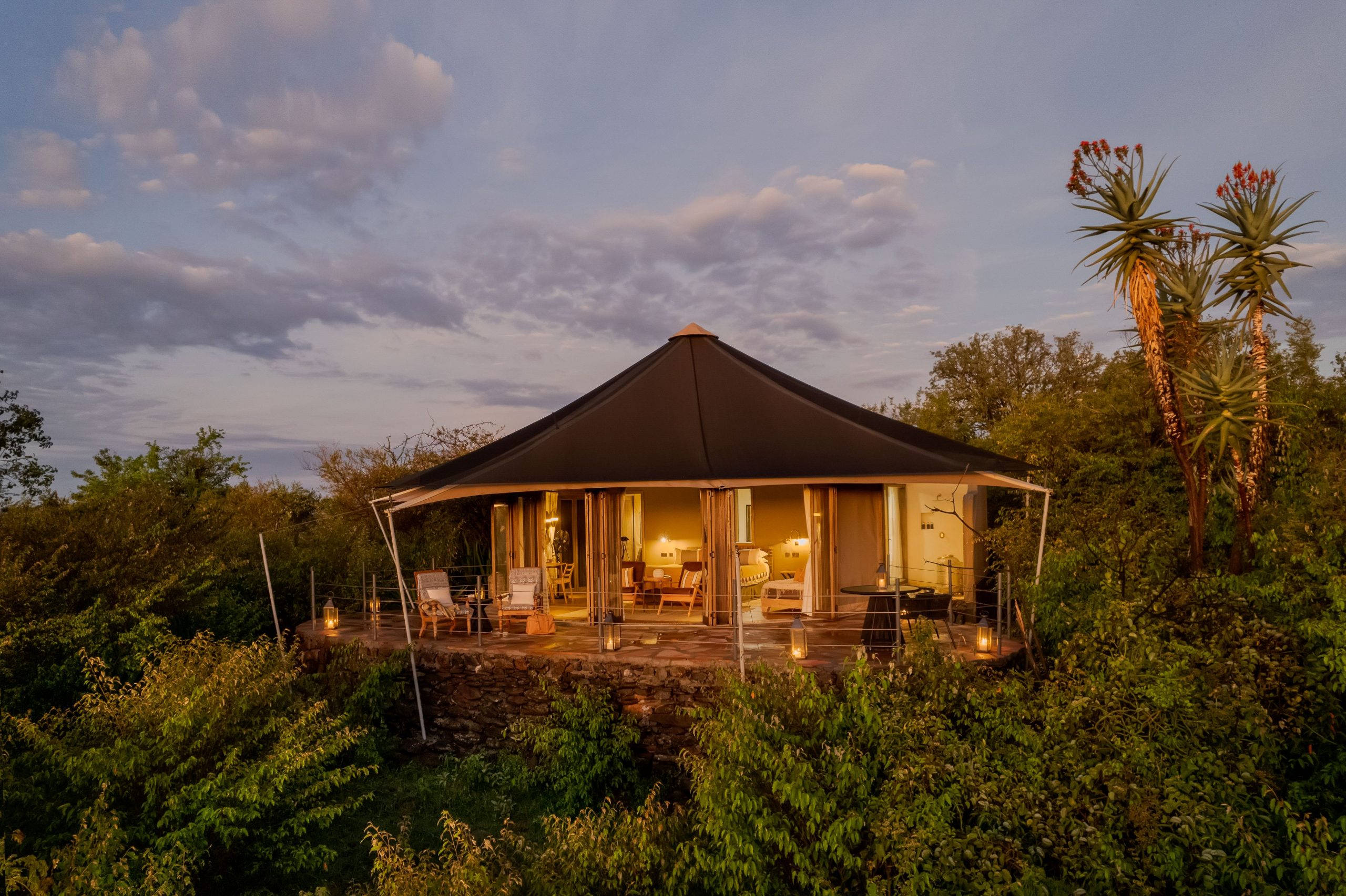
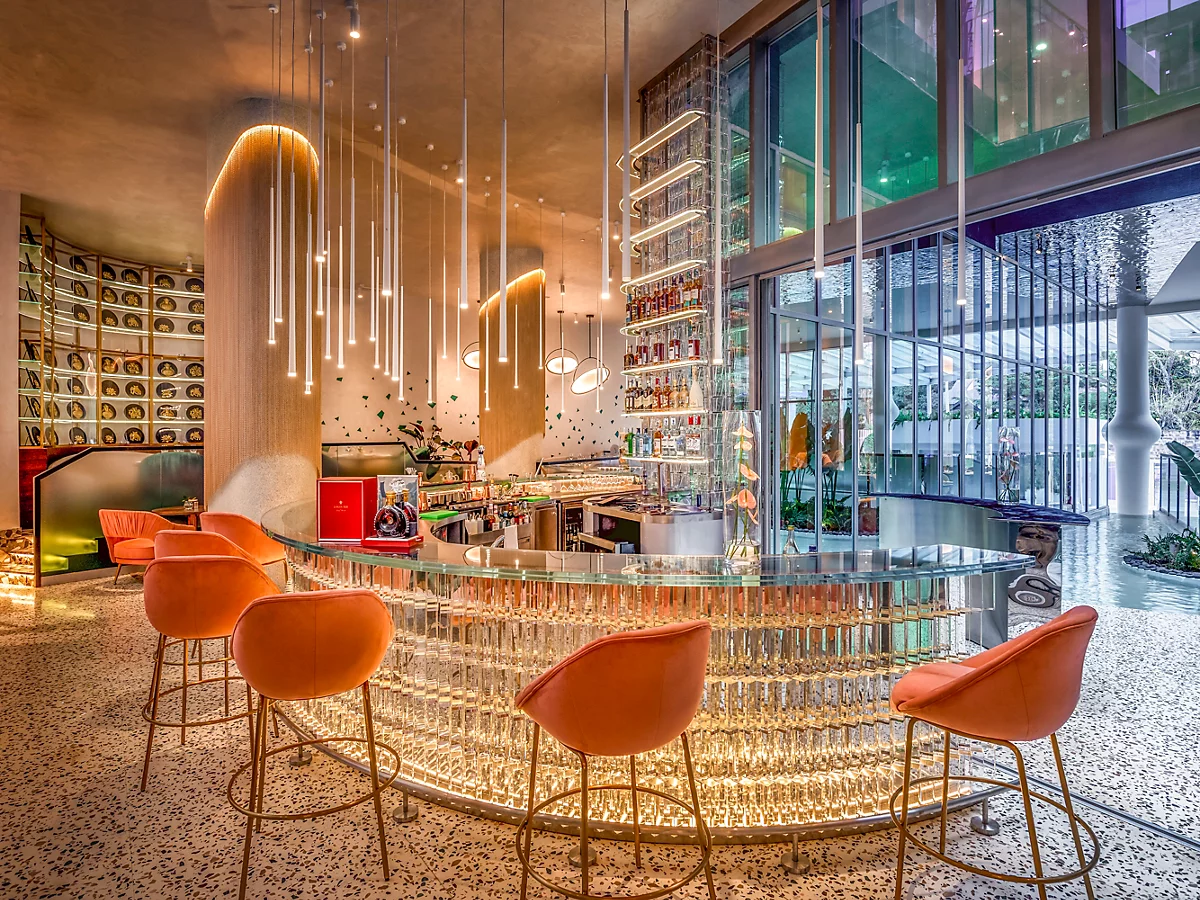
Where to Stay in Nairobi
8 recommended properties

Money-Saving Tips
- 1.Withdraw cash from bank ATMs rather than standalone machines to avoid skimming devices. Equity Bank and KCB have the most reliable networks.
- 2.Negotiate matatu fares before boarding — tourists often get quoted double the local price of 50-100 KES per ride.
- 3.Buy safari park entry online in advance to skip queues and sometimes get small discounts at places like Nairobi National Park.
- 4.Eat lunch at local joints rather than hotel restaurants to save 60-70%. A filling meal costs 300-500 KES versus 1,500+ at tourist spots.
- 5.Book domestic flights through local agents like Bonfire Adventures rather than international sites — they often have better rates on Wilson Airport departures.
- 6.Shop for souvenirs at Maasai Market (Tuesdays at Uhuru Park) rather than hotel gift shops. Prices start 70% lower, though haggling is expected.
- 7.Use mobile money (M-Pesa) for small purchases once you get a local SIM card — many vendors offer discounts for avoiding card processing fees.
Travel Tips
- •Get yellow fever vaccination at least 10 days before travel — it's mandatory for entry into Kenya and many neighboring countries.
- •Download offline maps before arriving. Cell coverage is good in Nairobi but data can be expensive, and GPS helps navigate the city's confusing roundabouts.
- •Pack layers for Nairobi's unpredictable weather. Mornings can be 15°C while afternoons hit 28°C, especially during dry seasons.
- •Keep copies of your passport and visa separately from originals. Police checkpoints are common, and you'll need ID for many activities.
- •Learn basic Swahili greetings like 'jambo' (hello) and 'asante' (thank you). Locals appreciate the effort, and it often leads to better service.
- •Carry small bills (100 and 500 KES notes) for tips, matatu fares, and street vendors. Many places can't break 1,000 KES notes.
- •Book safari accommodations well in advance, especially for June-October. Popular camps like those in Maasai Mara fill up 6+ months ahead.
- •Avoid tap water even in hotels. Stick to bottled water (50-100 KES) or bring a good filtration system.
- •Respect photography rules — never photograph government buildings, military installations, or people without permission. Always ask first.