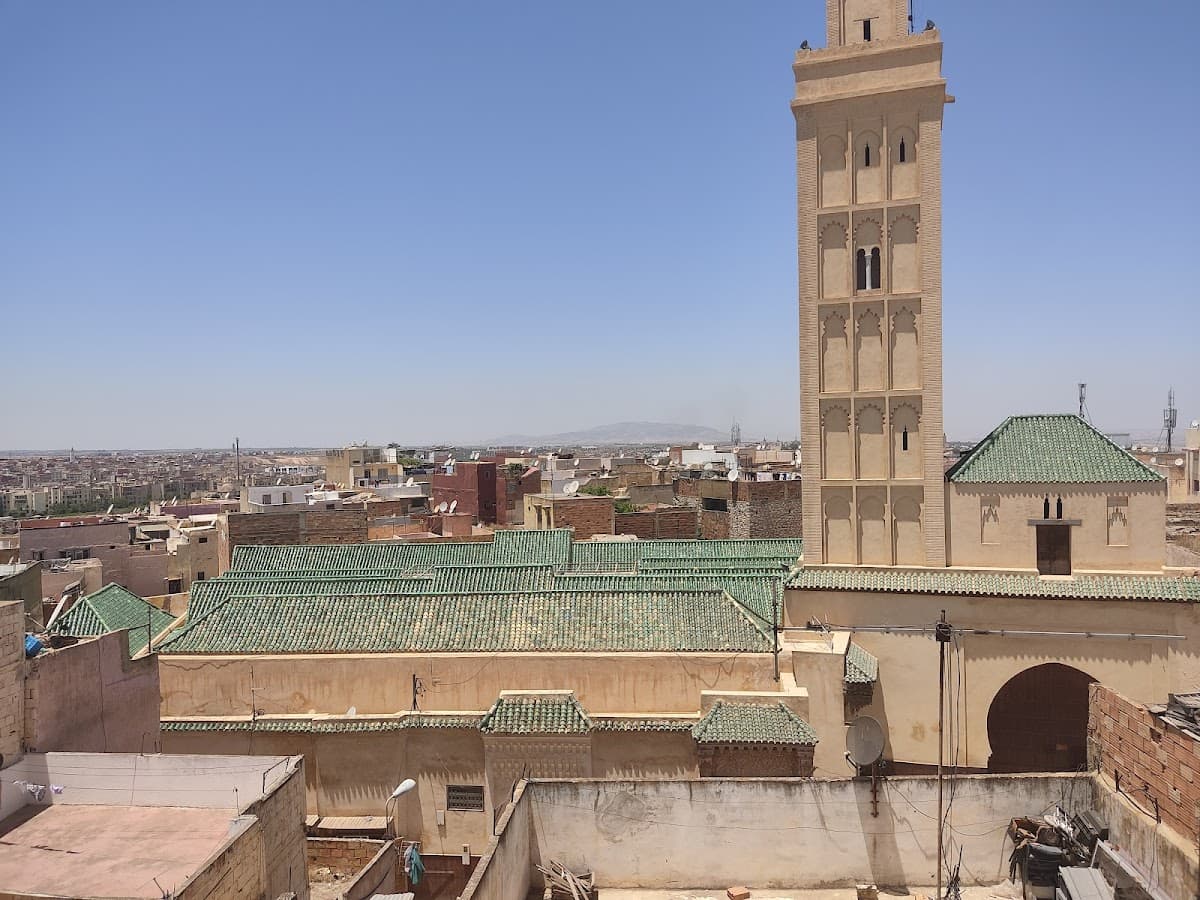
Atlas Mountains
Morocco's dramatic peaks blend Berber culture with adventure
The Atlas Mountains stretch across Morocco like a jagged spine, separating the Sahara from the Atlantic coast. But this isn't just scenery — it's home to Berber communities who've lived in these peaks for centuries. You'll find terraced farms clinging to impossible slopes, mule trains navigating ancient paths, and villages where Tamazight is still the first language. The mountains rise to 4,167 meters at Toubkal, North Africa's highest peak, but you don't need to summit anything to feel their pull. Even the lower valleys pack a punch, with their red earth kasbahs and mint tea ceremonies that happen on rooftops overlooking endless ridges.
Money-Saving Tips
- 1.Negotiate taxi fares before getting in — drivers often quote tourist prices that are 2-3x the local rate
- 2.Stay in family-run guesthouses instead of hotels; you'll pay 200-400 dirhams per night and get better food
- 3.Buy supplies in valley towns before heading to mountain villages where prices double for basic items
- 4.Hire local guides through guesthouses rather than tour companies to cut out the middleman markup
- 5.Visit during shoulder seasons (April-May, September-November) for 30-40% lower accommodation rates
Travel Tips
- •Download offline maps before heading into the mountains — cell service is spotty in remote valleys
- •Pack layers even in summer; temperatures drop 20°C between valley floors and mountain peaks
- •Learn basic French or Arabic phrases; English isn't widely spoken outside tourist areas
- •Respect local customs in Berber villages — ask before photographing people and dress modestly
- •Carry cash in small bills; most mountain establishments don't accept cards or large denominations
- •Book accommodations in advance during peak seasons; popular villages like Imlil fill up quickly
Frequently Asked Questions
BUILD YOUR
ATLAS MOUNTAINS PLAN
Insider picks, smart timing, and a plan ready when you are.
Start Planning