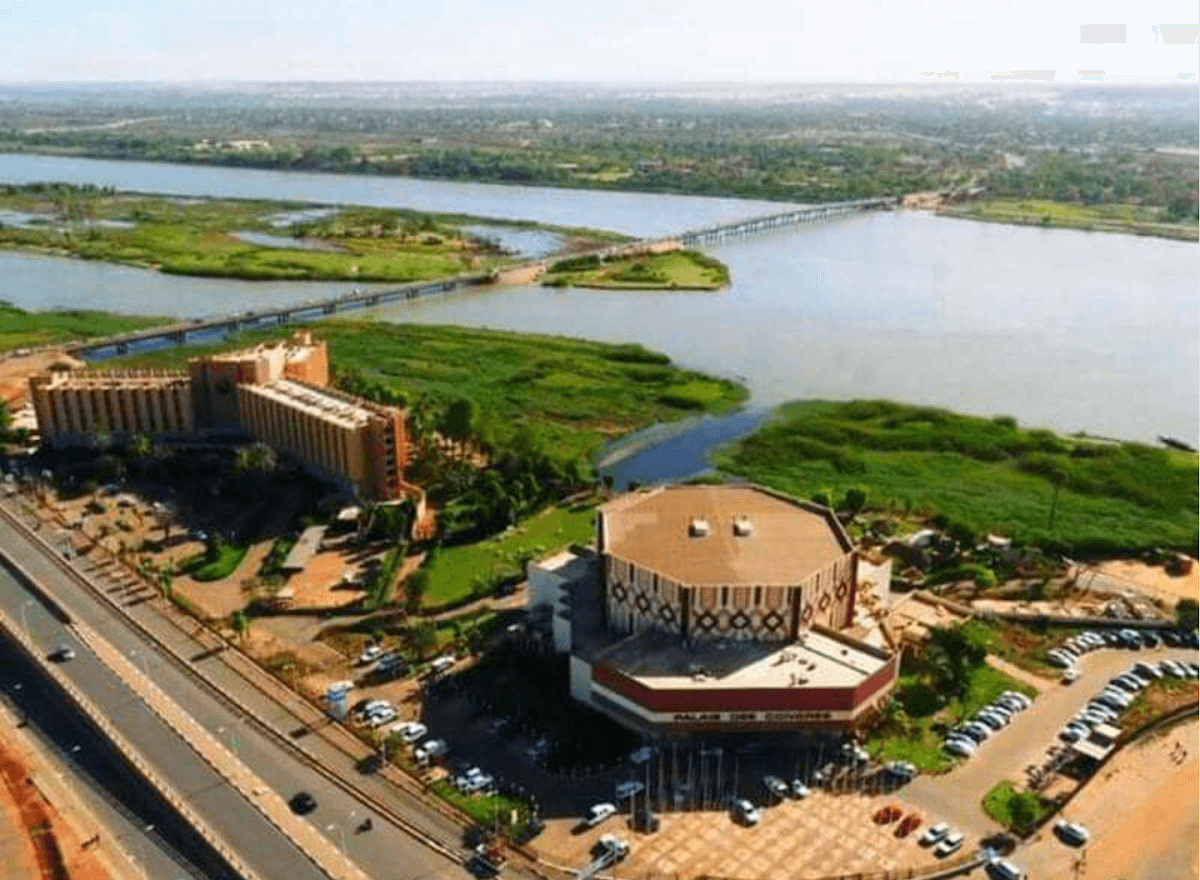
Niamey
Niger's riverside capital blending tradition and modernity
Niamey sits along the Niger River like a city that hasn't quite decided what it wants to be when it grows up. Traditional mud-brick houses share streets with modern government buildings. Fulani herders drive cattle past internet cafes. And the Grand Marché sprawls across downtown blocks where you can buy everything from handwoven textiles to mobile phone credit.
This is West Africa without the tourist crowds. No hawkers chasing you down Boulevard de la République. No inflated prices at riverside restaurants. Just a genuine slice of Sahelian life where the call to prayer mingles with French pop music and the smell of grilled meat drifts from roadside stands.
The city moves at its own pace. Afternoons slow to a crawl during harmattan season when dust hangs in the air like a sepia filter. But come evening, the banks of the Niger come alive with families picnicking and teenagers playing football on sandy pitches.
Best Months
JAN · FEB · MAR · NOV · DEC
~35°C · peak crowds
Culture & Context
GREETINGS MATTER DEEPLY
Niger is roughly 90% Muslim, and that shapes daily life in Niamey in practical ways. Friday midday prayers empty streets around the Grand Mosque. During Ramadan — which shifts yearly with the lunar calendar — eating, drinking, or smoking in public during daylight hours is a real faux pas and can draw attention you don't want.
Cover shoulders and knees, especially near mosques and in traditional neighborhoods like Gamkallé. Photography of people requires asking first. A polite "no" is common and you should respect it, no exceptions.
The city is ethnically diverse: Zarma, Hausa, Tuareg, Fulani, and Songhai people all have a presence. Griots (traditional oral historians and musicians) are still culturally important. Aid workers and NGO staff make up a visible slice of the foreign population, so you'll hear French alongside Hausa and Zarma at almost every corner.
The culture runs on greetings — launching straight into a transaction without a proper exchange of pleasantries is considered rude.
Local Customs
GREET FIRST, ALWAYS
Greet before you do anything else. Walking up to a market stall and immediately asking a price without a 'Sannu' or 'Salam aleikum' is considered blunt and rude. Nigeriens take greetings seriously — exchange pleasantries first, every time..
Cover up near mosques and in traditional neighborhoods. Plateau is more cosmopolitan, but Gamkallé and the old quarter are more conservative. Shoulders and knees covered is the minimum..
Don't photograph people without asking. Many will say no. Don't push past it..
During Ramadan, don't eat, drink, or smoke in public during daylight hours, even as a non-Muslim visitor. It reads as disrespect.. Always give positive answers during greetings — even if you are not feeling well, the cultural norm is to respond that things are fine.
Save the real talk for later in the conversation.. Fix taxi and kabou-kabou (moto-taxi) fares before you get in or climb on. No meters exist, and foreign visitors are routinely quoted double the going rate..
Friday prayers shut down streets around the Grand Mosque at midday. Plan your movement accordingly.. Bargain at markets, but do it respectfully.
Walking away after a price is agreed is considered bad form. Don't start negotiating unless you're actually interested in buying.
Safety
LEVEL 4 DO NOT TRAVEL
Here's the thing — this is not a destination to approach casually in 2026. The U.S. State Department issued a Level 4 'Do Not Travel' advisory on January 30, 2026, following a coordinated attack on Diori Hamani International Airport by Islamic State-linked militants on January 29. The UK, Canada, and Australia have issued similar warnings. Non-emergency U.S. government personnel were ordered to leave the country. Commercial flights in and out of Niamey are severely disrupted.
Within Niamey itself, the security situation is better than in the countryside but still serious. Armed groups have conducted attacks within 15km of the city center. There is a mandatory curfew in effect for U.S. government employees, and all restaurants and open-air markets are officially off-limits to them. Private travelers face these same risks without the institutional backup. A state of emergency and movement restrictions are in place across many regions. Foreigners traveling outside Niamey require military escorts — and you cover the cost.
Petty crime (pickpocketing, purse snatching) is common throughout the capital. Express kidnapping is a growing threat. Violent crime against foreign nationals is documented and rising. Road safety is genuinely dangerous — drive only in daylight, and never alone on the major highways.
Medical facilities in Niamey are limited and do not meet Western standards. Medical evacuation to Europe costs between $180,000–$300,000. Travel insurance with medical evacuation coverage is non-negotiable if you're going. ATM networks fail regularly. Carry cash.
The Tillabéri region (western Niger, near the Mali and Burkina Faso borders) is considered completely off-limits — controlled by terrorist organizations. The Diffa region near Lake Chad has active Boko Haram presence. Do not travel to any border area.
Read your government's current advisory. This is one destination where that step is not optional.
Getting Around
MOTORCYCLE TAXIS & ESCORTS
Niamey runs on kabou-kabou — motorcycle taxis that can get you across town for 200–500 XOF ($0.35–$0.85). Wave one down anywhere. Fix the fare before you climb on. No meters exist, and drivers routinely quote foreigners double the first time. It's not aggressive, just standard practice — negotiate calmly.
Regular taxis exist but are in poor condition and fares are fixed but often inflated for foreigners. The U.S. Embassy officially prohibits its personnel from using local taxis, which tells you something about their condition.
For day trips to Kouré Giraffe Reserve (60km south) or any point outside Niamey, book a car and driver through your hotel. Do not attempt to travel outside the capital without either a driver you trust or a Nigerien military escort — and in the current security environment (2026), the latter is legally required for foreign nationals. You will pay for that escort yourself.
Bush taxis connect Niamey to other cities but the main highways carry real security risks, particularly the Niamey-Agadez route (950km) and the road to Tillabéri. These are not recommended for independent travel in current conditions.
The airport is Diori Hamani International (airport code NIM), located on the western edge of the city. Following the January 2026 attack on the airport, commercial flight options are severely limited — check airline status carefully before booking. When traveling between the airport and the city, use a convoy of at least two vehicles.
Inter-city travel to nearby day-trip destinations like the riverside town of Say (historic mosque, pottery) is possible with the right arrangements, but check the current security situation before committing.
Useful Phrases
Niamey Itineraries
View all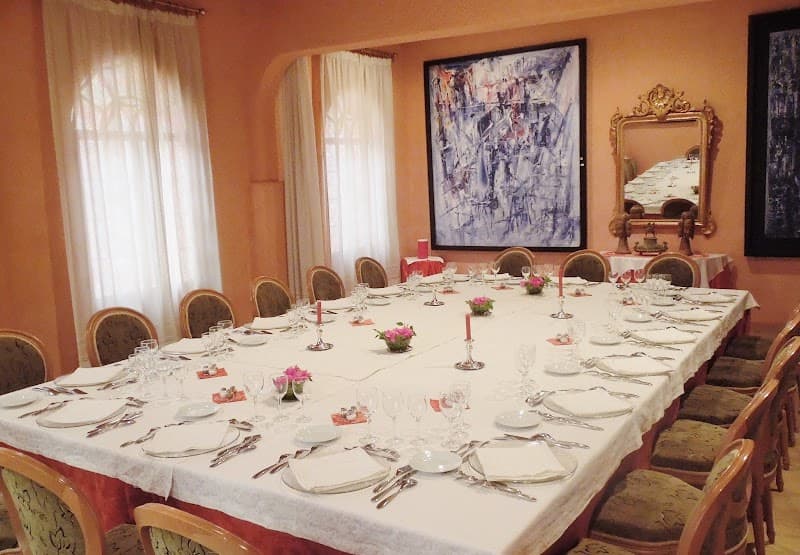
Riverfront Wild: 7 Days Exploring Niamey’s Green Side
Week · $$$
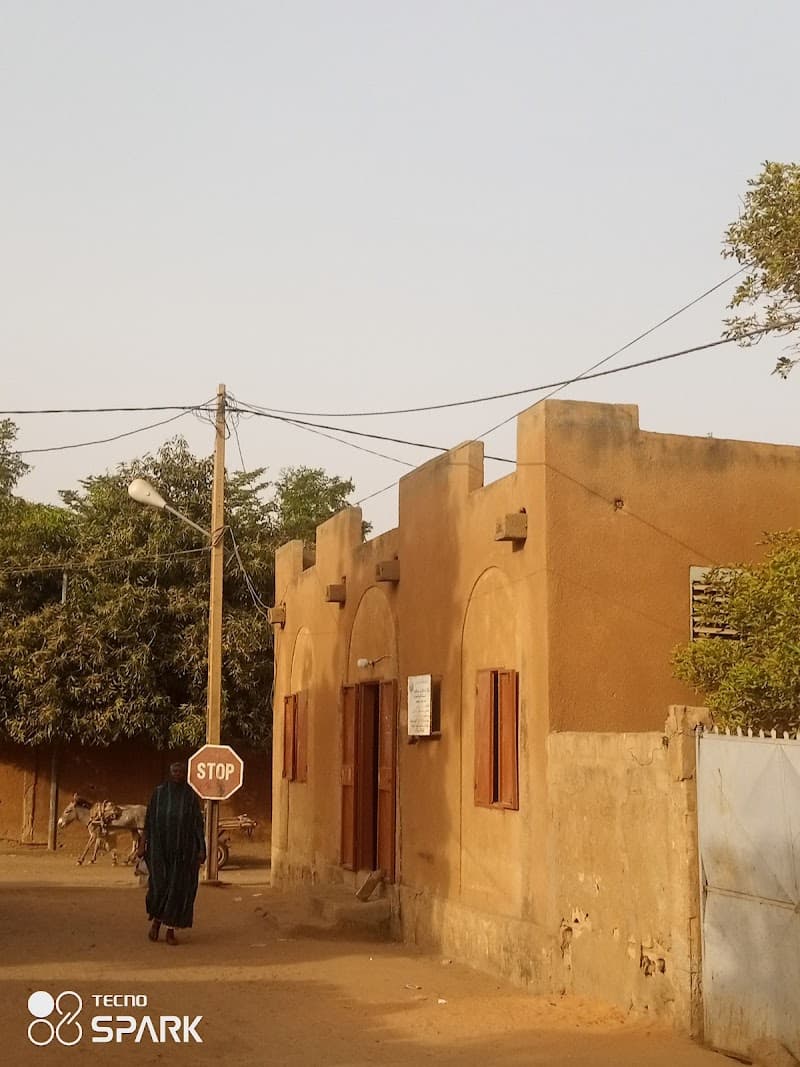
Wild Green Weekend in Niamey
Weekend · $$$
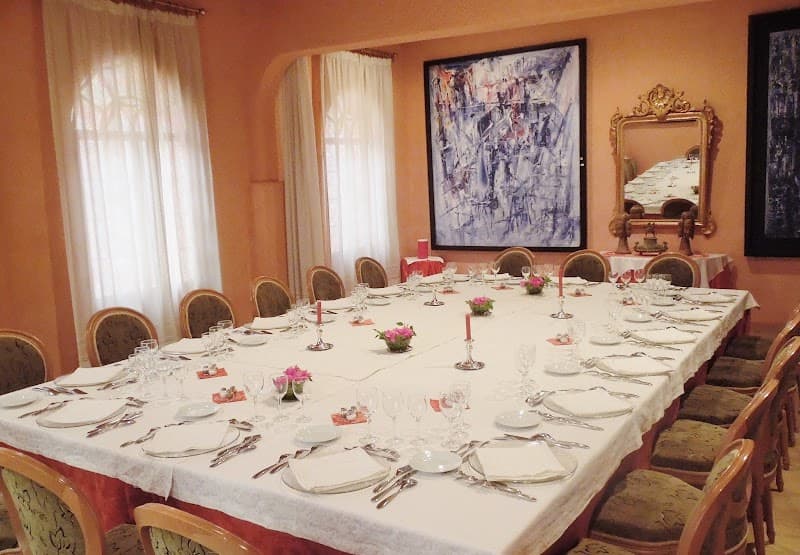
Romantic Niamey: Rivers, Gardens, and Sahel Skies
Week · $$$
Riverfront Romance & Wild Escapes in Niamey
Weekend · $$$
7 Days of Riverfront Adventure in Niamey with Kids
Week · $$$
Wild Weekend in Niamey: River, Giraffes & City Life
Weekend · $$$
Things to Do in Niamey
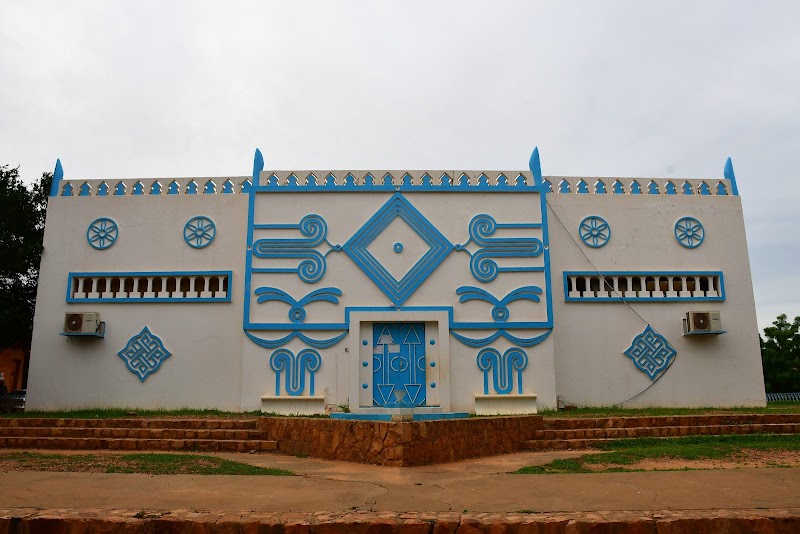
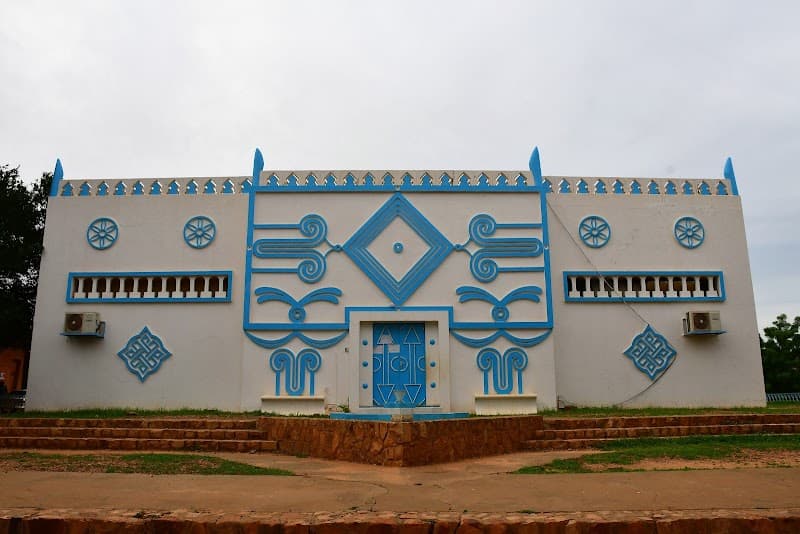
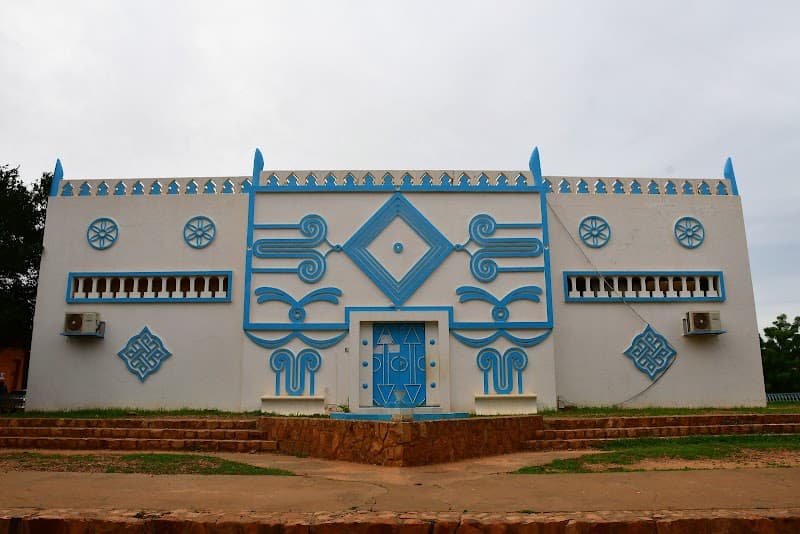
National Museum Boubou Hama (Musée National)
Plateau / Museum District · 120 min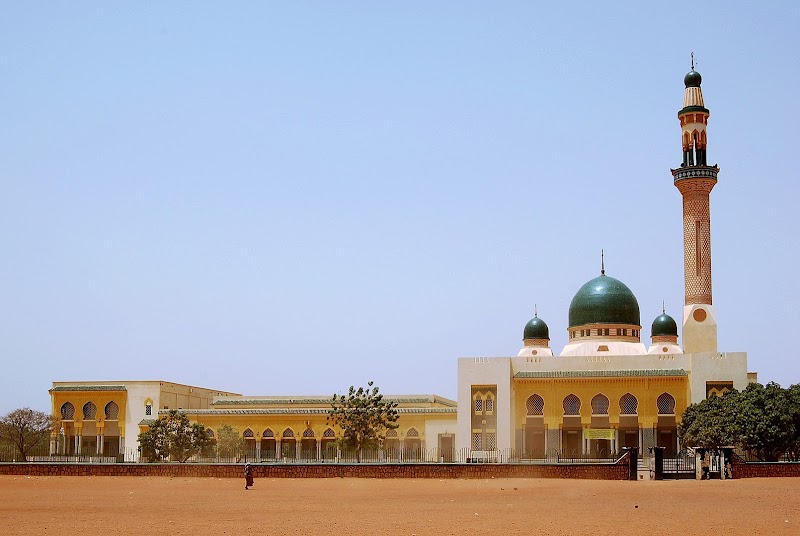
Grand Mosque of Niamey (Wadata / Mosque Area)
Wadata / Grand Mosque District · 60 min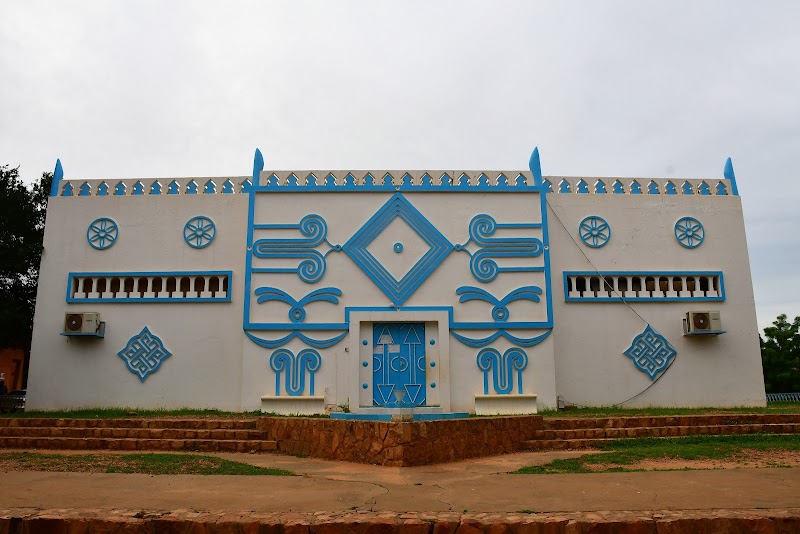
Musée National Boubou Hama (National Museum & Zoo)
Plateau / City Center · 120 minMoney-Saving Tips
- 1.Bargain at Grand Marché but not aggressively – vendors here aren't used to hard-core tourist haggling
- 2.Carry small bills (500 and 1,000 CFA notes) for shared taxis and street food – drivers rarely have change
- 3.ATMs exist but frequently run out of cash – bring euros or dollars to exchange at banks
- 4.Tipping isn't expected but 500 CFA for good restaurant service is appreciated
- 5.Hotel prices are often negotiable, especially for stays longer than three nights
- 6.Street food costs 200-1,500 CFA per meal while restaurant meals run 3,000-8,000 CFA
- 7.Shared taxis cost 200 CFA per ride regardless of distance within city limits
Travel Tips
- •Learn basic French phrases – English is rare outside upscale hotels
- •Carry toilet paper everywhere – public facilities rarely provide it
- •Dress conservatively, especially around mosques and government buildings
- •Avoid photographing military installations, government buildings, or people without permission
- •Malaria prophylaxis is essential – mosquitoes are active year-round
- •Drink only bottled or properly filtered water – tap water isn't safe for visitors
- •Keep copies of your passport and visa separate from originals
- •Power outages happen regularly – pack a flashlight and portable battery
- •Friday afternoons see reduced business activity due to mosque prayers
- •Dust storms during harmattan season can ground flights and reduce visibility