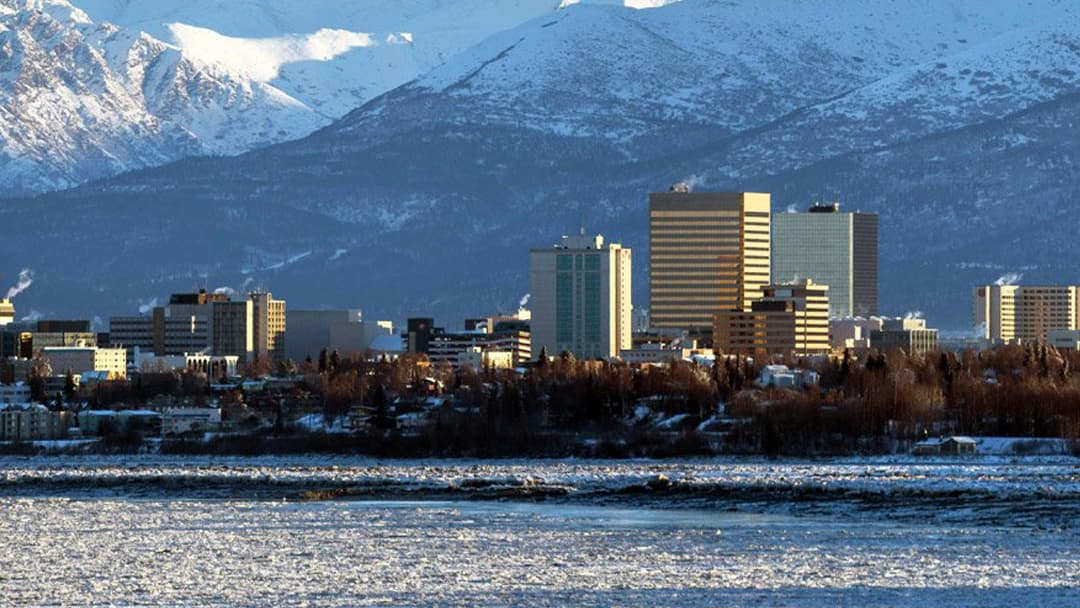
Alaska
Last frontier wilderness with glaciers and northern lights
Alaska doesn't mess around. This is where glaciers calve into the sea with thunderous cracks, where grizzly bears fish for salmon just yards from your boat, and where the northern lights dance across skies so dark you forget light pollution exists. The Last Frontier earned its nickname — this place operates on its own terms, with weather that changes in minutes and wildlife that reminds you who's really in charge. But here's what the postcards don't tell you: Alaska rewards the prepared. Come in summer for endless daylight and accessible wilderness. Visit in fall for the aurora borealis and smaller crowds. Just don't expect cell service everywhere, and pack layers even in July.

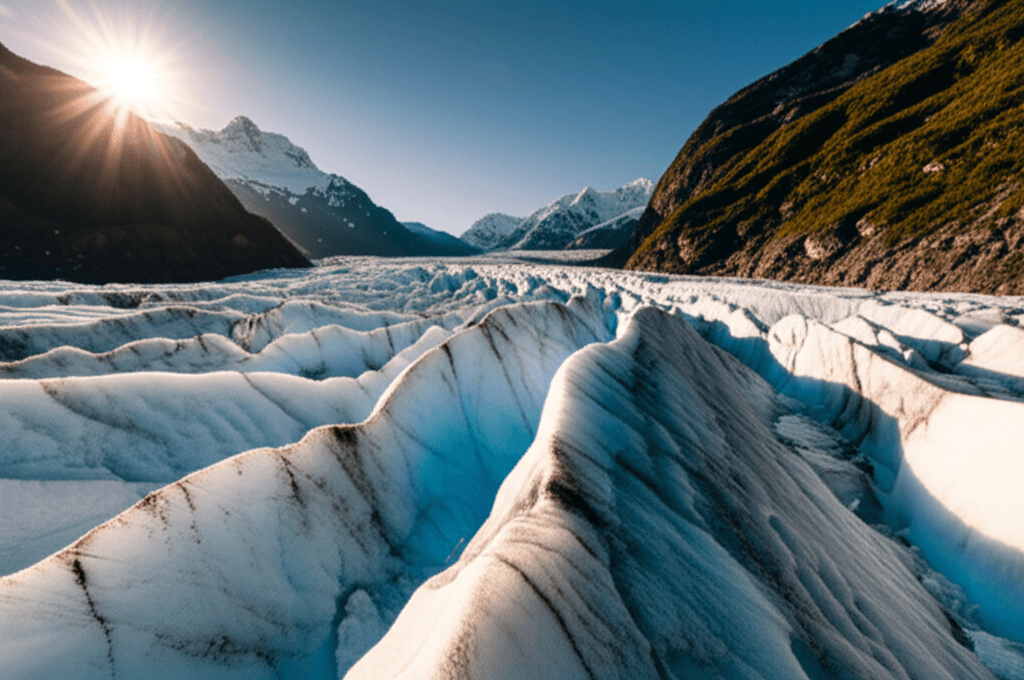
Explore the Region
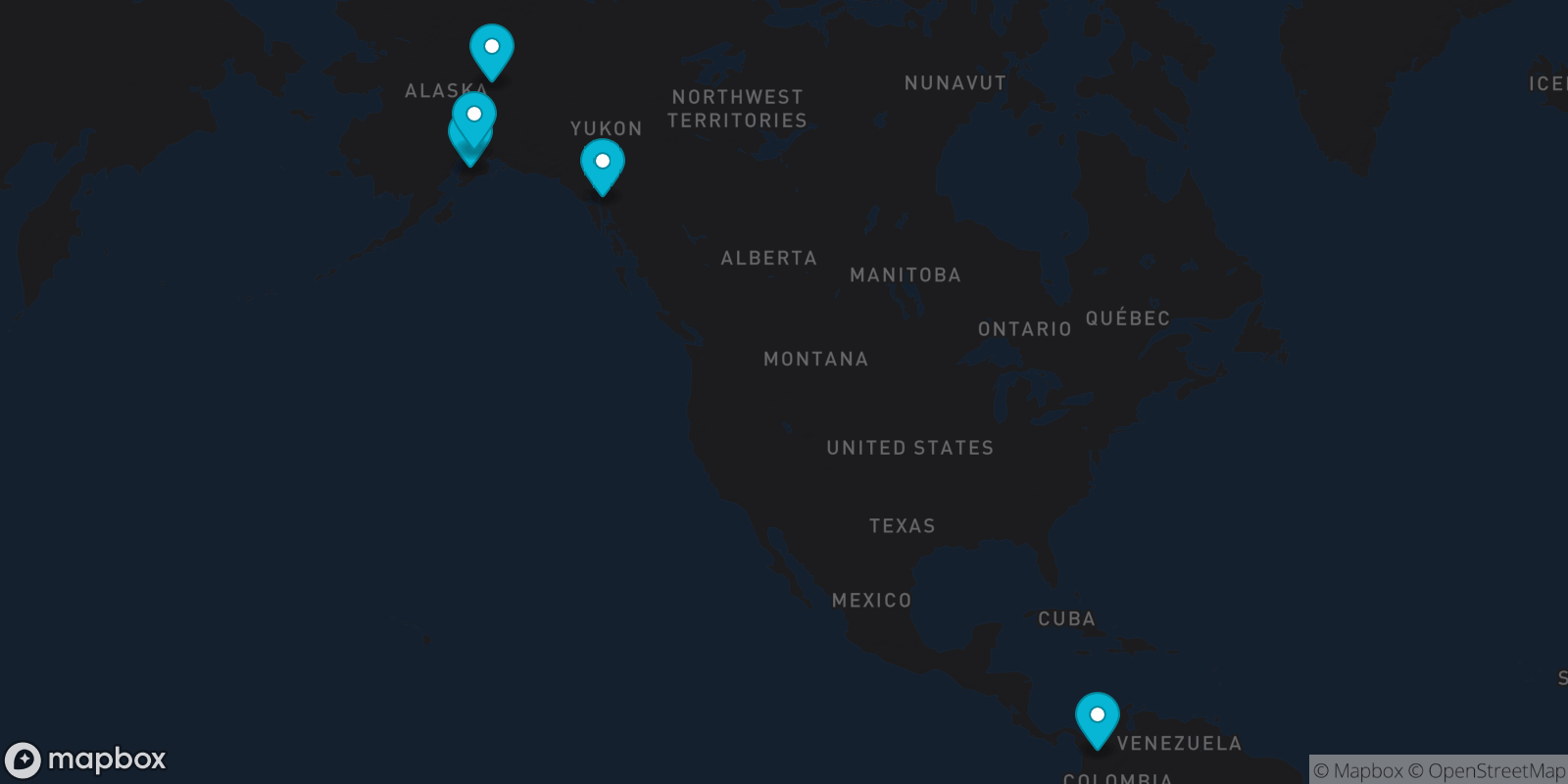
Alaska Itineraries
View all12 Serene Days in Coastal & Wild Alaska
Weekend · $$$
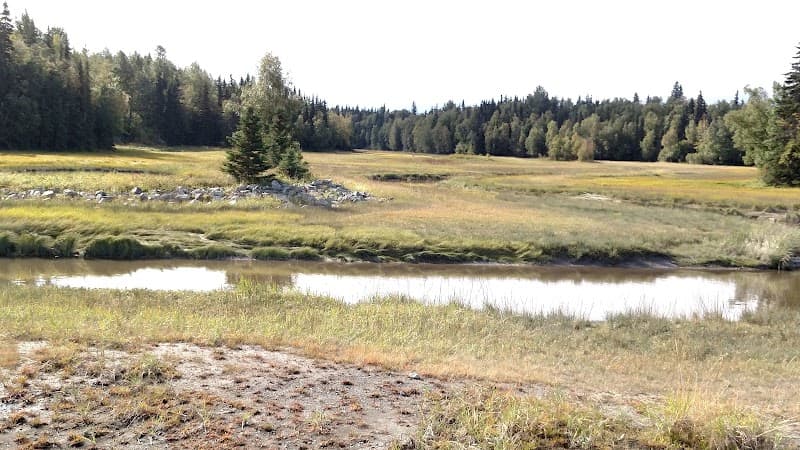
Anchorage Adventure & Wildlife in a Gentle Day
Weekend · $$$$
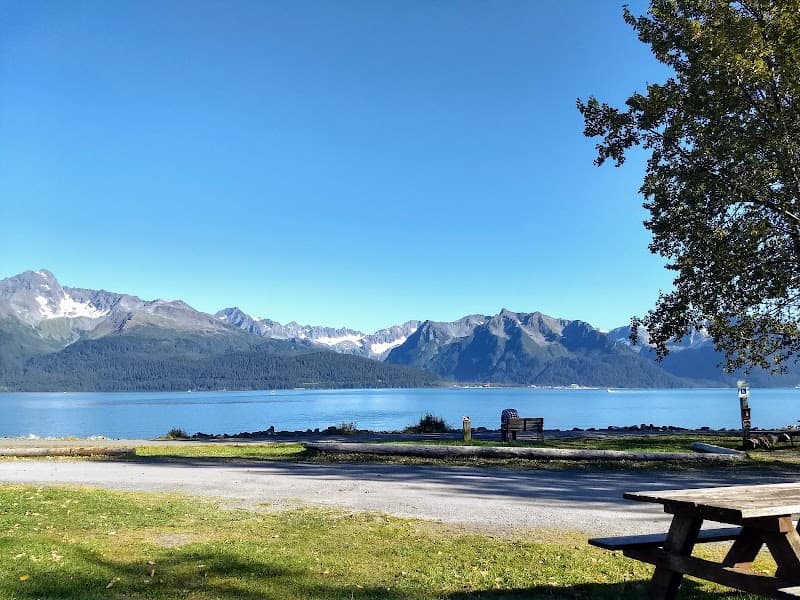
Wild Fjords & Rainforest Trails: 7 Days in Seward
Week · $$$

Wild Coastal Seward: Glaciers, Harbor Walks, and Easy Adventure
Weekend · $$$
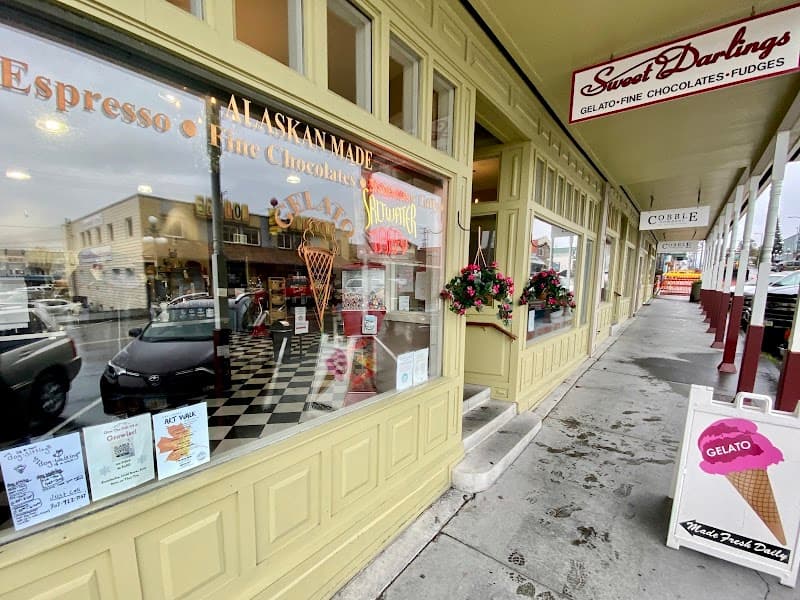
Seward Wild Coast Weekend with Glaciers, Bay Views, and Calm
Day Trip · $$$
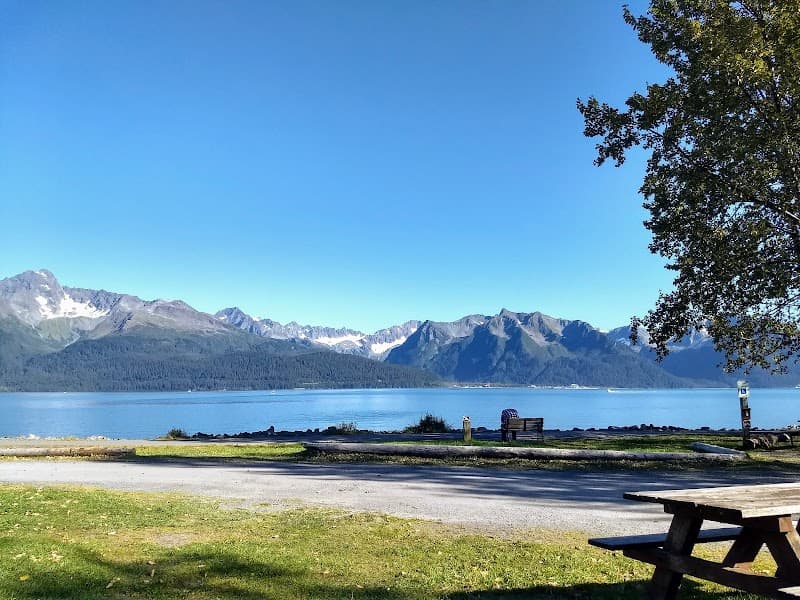
Wild Shores & Fjords: 7 Days in Romantic Seward
Week · $$$
Money-Saving Tips
- 1.Book flights to Anchorage 2-3 months ahead for summer travel — prices jump 40% closer to departure dates
- 2.Rent cars in Anchorage, not at remote locations where selection is limited and prices are 50% higher
- 3.Pack your own snacks and water for day trips — gas stations in small towns charge $8 for a sandwich
- 4.Buy Alaska fishing licenses online before arrival to avoid $5 processing fees at sporting goods stores
- 5.Stay in Anchorage and drive to Denali instead of booking park lodges that cost $300+ per night
- 6.Shop at Fred Meyer or Safeway in Anchorage for camping supplies before heading to remote areas
- 7.Book northern lights tours directly with local operators, not through cruise lines that mark up 100%
Travel Tips
- •Download offline maps before leaving cell service areas — GPS works without data but maps need to be cached
- •Pack insect repellent even for summer visits — mosquitoes and black flies are relentless in wilderness areas
- •Bring layers including rain gear year-round — weather changes from sunny to stormy in 30 minutes
- •Book Denali shuttle buses in advance during summer — popular departure times sell out weeks ahead
- •Carry bear spray when hiking and know how to use it — both black and grizzly bears are common
- •Check road conditions on 511.alaska.gov before driving — construction and weather close roads frequently
- •Respect wildlife viewing distances — stay 25 yards from bears and 300 yards from marine mammals
Frequently Asked Questions
Explore Alaska
Ready to explore Alaska?
Get a personalized itinerary in seconds with Takeoff.
Free on iOS. No credit card required.