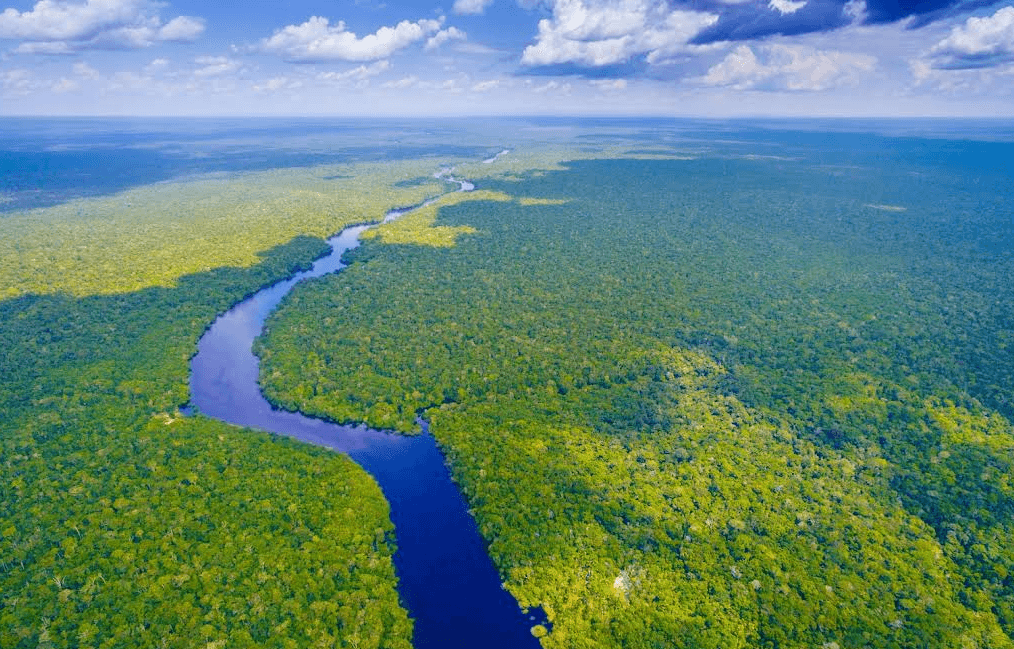
Amazon Rainforest
Earth's lungs and biodiversity capital
The Amazon isn't just a rainforest. It's a 2.1 million square mile living laboratory where pink dolphins swim alongside piranhas and indigenous communities have thrived for thousands of years. You'll hear howler monkeys at dawn, spot three-toed sloths moving in slow motion, and realize your smartphone has zero bars for days. And that's exactly the point. This isn't Costa Rica with paved roads and luxury lodges. The Amazon demands patience, flexibility, and a genuine respect for nature's timeline. But show up with the right mindset, and you'll experience something that changes how you see the planet.
Itineraries coming soon
We're working on adding amazing itineraries for Amazon Rainforest. In the meantime, try the app to create your own!
Money-Saving Tips
- 1.Book Amazon lodge packages that include meals and activities - à la carte pricing in remote areas gets expensive fast
- 2.Fly into smaller gateway cities like Puerto Maldonado instead of Manaus to avoid Brazil's higher costs
- 3.Take cargo boats instead of tourist riverboats - you'll pay $30-50 for a hammock space versus $200+ for a cabin
- 4.Buy insect repellent and basic supplies in major cities before heading into the rainforest - lodge shops charge premium prices
- 5.Consider staying in Leticia, Colombia as your base - it's significantly cheaper than Brazilian Amazon towns
- 6.Book directly with local operators in Iquitos or Puerto Maldonado rather than through international tour companies
Travel Tips
- •Pack everything in dry bags - the Amazon will test every piece of gear you bring
- •Bring cash in small bills - many communities don't accept cards and ATMs are rare outside major towns
- •Download offline maps and translation apps before losing cell service
- •Pack long sleeves and pants in light colors - mosquitoes are relentless and dark colors attract more insects
- •Bring a headlamp with extra batteries - you'll use it more than your phone's flashlight
- •Respect indigenous communities by asking permission before taking photos and following guide instructions
- •Book yellow fever vaccination at least 10 days before travel - it's required for many areas
- •Expect basic accommodations even at eco-lodges - hot water and consistent electricity aren't guaranteed
Frequently Asked Questions
Explore Amazon Rainforest
Ready to explore Amazon Rainforest?
Get a personalized itinerary in seconds with Takeoff.
Free on iOS. No credit card required.