Bishkek
Soviet-era capital gateway to Kyrgyzstan's mountain adventures
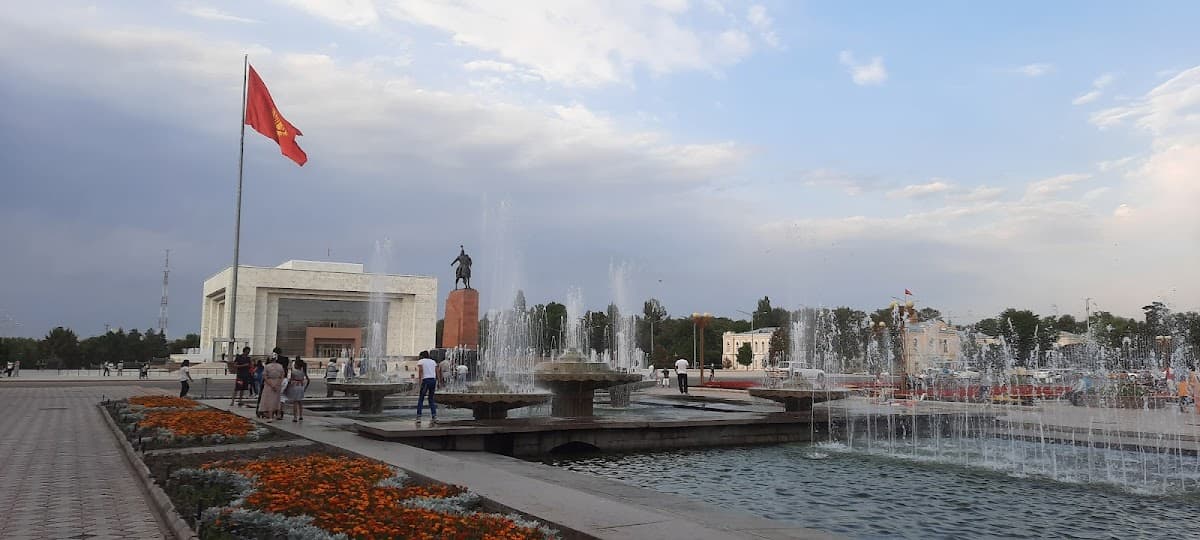
Bishkek doesn't try to impress you. This Soviet-built capital sits at 2,500 feet, backed by the snow-capped Tien Shan mountains, operating on its own unhurried rhythm. You'll find Lenin still standing in Ala-Too Square, marshrutkas (shared taxis) weaving through wide boulevards, and some of the cheapest beer in Central Asia. But here's what makes Bishkek special: it's your launching pad for Kyrgyzstan's epic mountain adventures, and the locals treat visitors like long-lost relatives. The city runs on a mix of Soviet nostalgia and nomadic hospitality, with enough quirks to keep you entertained between mountain trips.
Best Months
MAY – SEP
~26°C · high crowds
Culture & Context
SOVIET GRID MEETS NOMADIC HEART
Bishkek is a Soviet-planned city that never quite shed the grid. Wide boulevards, marble public buildings, Soviet-era apartment blocks, and a mountain backdrop that makes you stop mid-sentence. About 1.1 million people live here at 800 meters elevation, with the snow-capped Kyrgyz Ala-Too range sitting right behind the skyline to the south.
Two cultures are in constant conversation. Russian dominates city life and commerce — most signs, menus, and office conversations happen in it. But Kyrgyz, a Turkic language, is making a strong comeback, especially among younger people who grew up after the Soviet collapse. In rural areas, you'll barely hear Russian at all.
The nomadic heritage isn't just for tourists. It shapes how locals think about hospitality, community, and food. Tea is a ritual, not a drink. Families take hosting seriously. The digital nomad scene has surged since 2022, which has made Bishkek more international and added new cafés, coworking spaces, and a small but growing English-speaking social circle. But leave the center and you're quickly back in a city that runs entirely on Russian and Kyrgyz. Come prepared for that, and it becomes part of the appeal rather than a frustration.
Local Customs
TEA RITUAL, SHOES OFF
Tea is non-negotiable. Kyrgyz people drink it with every meal and throughout the day. Traditionally it's poured back into the pot three times before serving.
They also mix jams into the tea. If someone offers you tea, accept — declining is considered rude.. Hospitality is taken seriously, not as a phrase.
Being invited into someone's home for a meal happens faster than you'd expect. If it does, bring something small — sweets or fruit from a bazaar.. It runs mostly on cash.
ATMs exist in the city but are sparse outside it. Keep a mix of small bills in KGS (Kyrgyzstani Som). Card machines are common in hotels and bigger restaurants; local canteens and markets are cash-only..
Remove shoes when entering someone's home. Always. No exceptions..
Dress is relaxed in Bishkek — Western clothing is totally normal. But in rural areas and when visiting mosques, cover your shoulders and knees. Women should take a headscarf for mosque visits..
Don't photograph people without asking first. In markets especially, locals can be uncomfortable with cameras pointed at them. A smile and a gesture goes a long way.
Most people are fine once asked.. The Osh Bazaar is the biggest market in town and full of character — but it's also prime pickpocket territory. Keep your bag in front, wallet in a front pocket, and stay alert in the crowd..
Police corruption exists. If you're stopped, stay calm and polite. Street taxis are four times more likely to produce a price dispute than app-based rides, so use Yandex Go or Yango and avoid getting into negotiations entirely.
Safety
WATCH PICKPOCKETS, TRUST APPS
Bishkek is generally fine. The US State Department rates it Level 1 (exercise normal precautions), and the 2025 Global Peace Index ranked Kyrgyzstan 78th out of 163 countries. That's better than the US and most of South America. So don't let the -stan in the name scare you off.
But there are real things to know. Petty theft is the main risk, particularly pickpocketing at the Osh Bazaar and in crowded public transport. Keep valuables in a front pocket or a closed bag worn in front of you. There have been mugging reports in downtown Bishkek late at night — avoid dark streets after midnight, especially alone.
Street taxis in Bishkek are a known trouble spot for inflated fares and occasional scams. Use Yandex Go or Yango every time. A ride from Manas Airport to the city center should run 600–800 KGS ($7–9 USD) by app. Anyone quoting you five times that in the arrivals hall is running a scam.
Air quality is a real downside, especially in winter. Bishkek ranks among the more polluted cities globally during the cold months when coal heating kicks in. If you have respiratory issues, plan around it.
Stay away from the Batken province (border with Tajikistan) — there's a recent history of border clashes, and the area is under increased caution. Nothing on the standard tourist route is there anyway.
One more thing: always ensure your passport gets stamped on entry. There have been reports of officials skipping the stamp, which creates problems when you leave. Check it before walking away from the booth.
Getting Around
BUSES CHEAP, APPS ESSENTIAL
Getting around Bishkek itself is easy and cheap. Buses and trolleybuses use the Tulpar card — top it up at kiosks and tap on. One ride costs 20 KGS, roughly $0.23. The grid layout means navigation is straightforward; 2GIS is more reliable than Google Maps for bus routes.
For taxis, use Yandex Go or the Yango app. Both work with foreign phone numbers. A cross-town ride runs $3–5. Do not negotiate with street taxis or accept rides from people approaching you at the airport — the price dispute rate is four times higher and it's not worth the stress.
For getting out of the city, marshrutkas (shared minibuses) are the cheapest and most common option. They're packed and not always comfortable, but a three-hour journey runs around 500 KGS ($6). Long-distance shared taxis are faster and you pay per seat. Bishkek to Osh by air is around 2,300 KGS ($29) and worth it for the distance. Manas International Airport handles most international flights, with connections to Istanbul, Dubai, and Moscow. The ride from the airport to the city center takes 30–45 minutes depending on traffic.
Useful Phrases
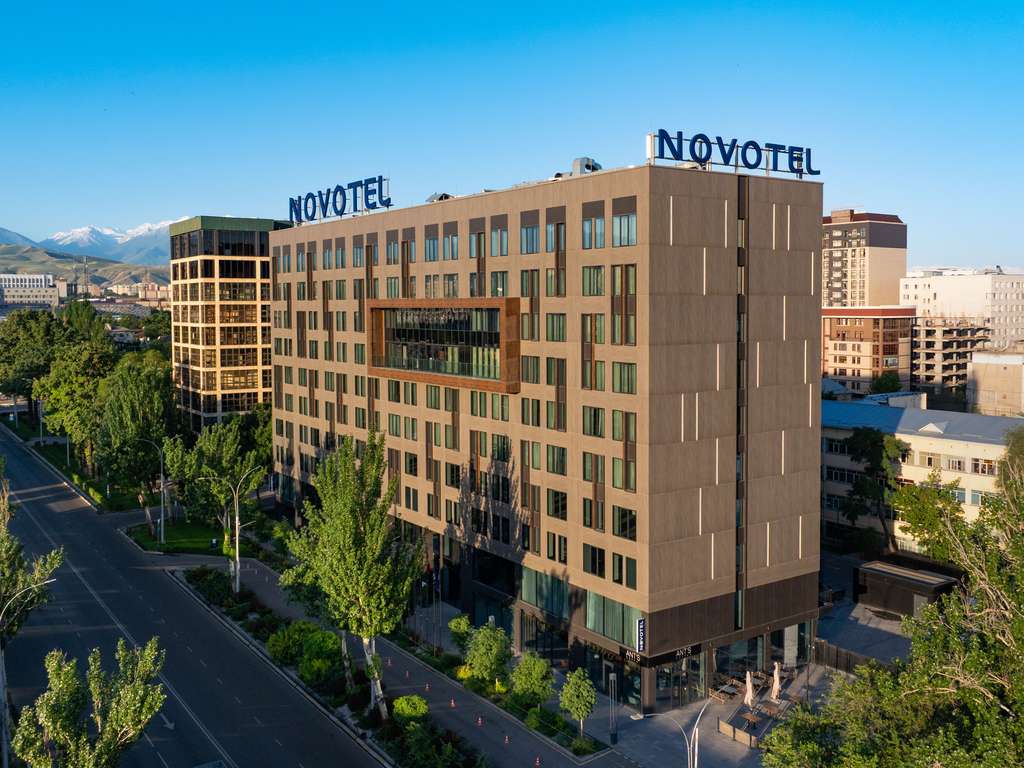
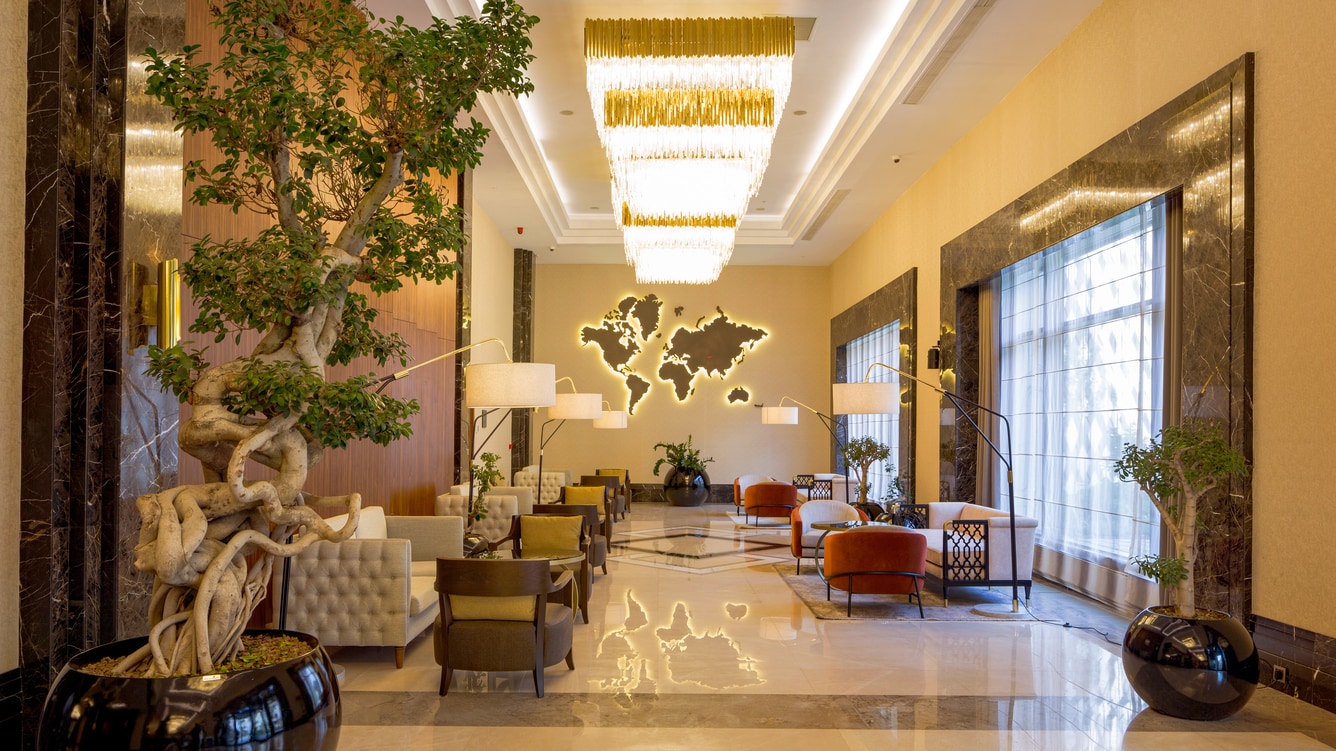
Where to Stay in Bishkek
2 recommended properties
Money-Saving Tips
- 1.Marshrutkas cost 12 som (15 cents) – always carry small bills and exact change
- 2.Osh Bazaar vendors expect haggling – start at half their first price
- 3.ATMs charge high fees – bring USD cash and exchange at banks for better rates
- 4.Guesthouse meals cost $3-5 and beat restaurant food for authenticity and value
- 5.Mountain guide services through guesthouses cost 50% less than tour agencies
- 6.Buy a local SIM card for 100 som – data is cheap and works in remote areas
- 7.Shared taxis to mountain destinations split costs among passengers
- 8.Stock up on snacks at Green Market – mountain village shops charge tourist prices
Travel Tips
- •Register with OVIR within 5 days of arrival – your guesthouse can handle this
- •Download offline maps – GPS works but cell coverage disappears in mountains
- •Pack warm clothes even in summer – mountain weather changes fast
- •Learn basic Russian phrases – English is rare outside tourist areas
- •Carry toilet paper everywhere – public facilities rarely stock it
- •Respect photography rules around government buildings and military sites
- •Join travelers at guesthouses for shared transport to popular destinations
- •Try kumys (fermented mare's milk) at least once – it's a cultural experience