Karakol
Mountain adventures and Silk Road heritage in Kyrgyzstan
Karakol sits at the eastern tip of Lake Issyk-Kul, where snow-capped peaks meet ancient trading routes. This isn't your typical Central Asian city — it's where Russian Orthodox churches stand next to Dungan mosques, where you can trek glaciers in the morning and feast on lagman noodles by afternoon. The town serves as base camp for some of Kyrgyzstan's wildest adventures, from the Ala-Archa gorges to the Terskey Ala-Too range. But here's what most guidebooks miss: Karakol has kept its authentic edge while quietly becoming Central Asia's outdoor adventure hub.
Best Months
JUN – SEP
~24°C · moderate crowds
Culture & Context
NAILS-FREE MULTICULTURALISM
Karakol is one of the most genuinely multicultural spots in all of Central Asia. Founded in 1869 as a Russian imperial military post at the edge of the empire, it grew into something stranger and more interesting than a typical frontier town. Today, around 85,000 people live here, and on any given street you might walk past Kyrgyz, Dungan (Chinese Muslims whose ancestors were exiled here in the 1870s), Russians, Uyghurs, Tatars, Kalmyks, and Uzbeks, all sharing the same dusty grid of roads.
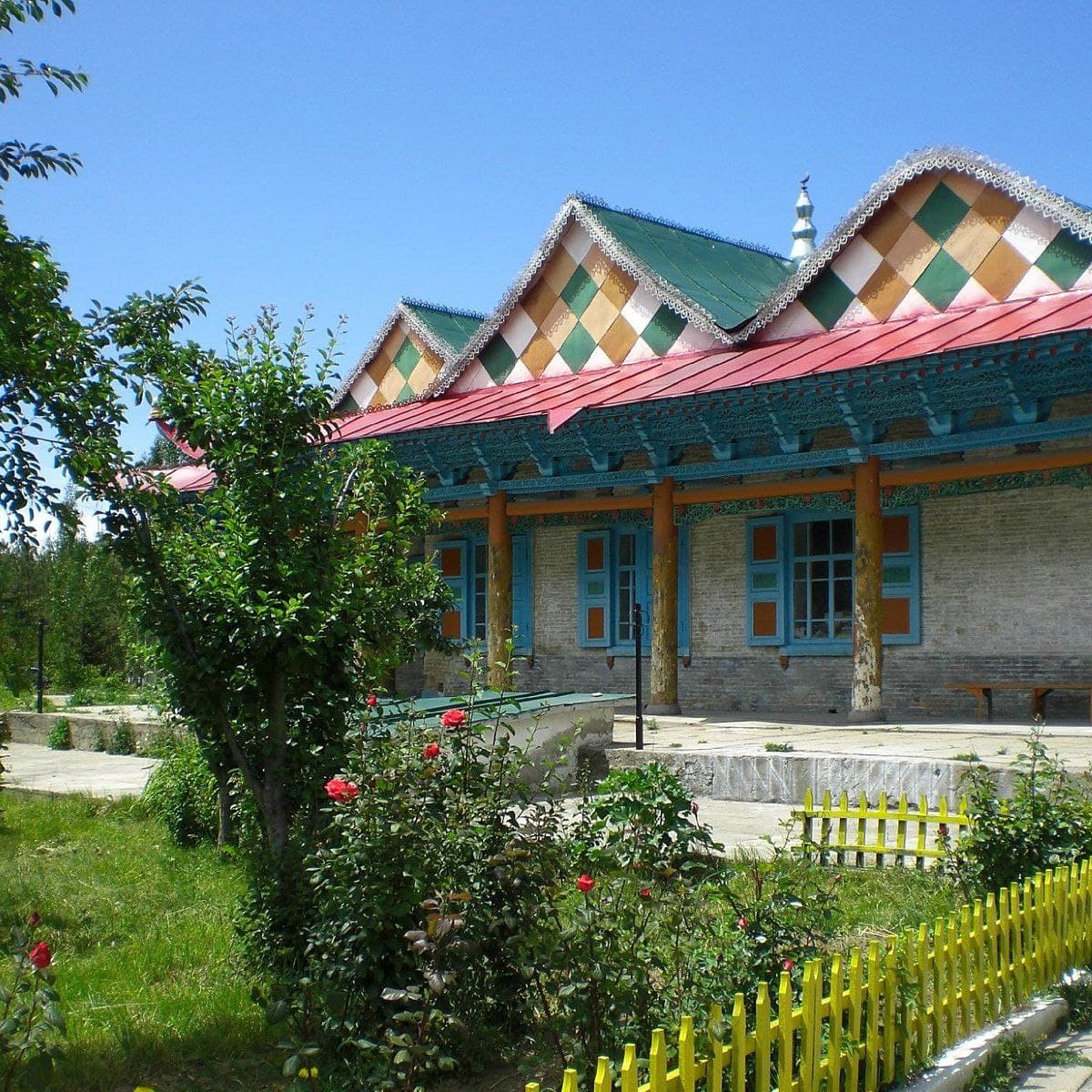
That Dungan influence especially stands out. The community built a mosque without a single nail, decorated it with Chinese-style woodwork and paintings of mystical animals, and planted it right in the middle of a provincial Kyrgyz city. A few blocks away, a wooden Russian Orthodox Cathedral built in 1894-1895 has an emerald green roof and still holds miraculous icons inside.
During the Soviet era, both buildings were repurposed as gyms and storerooms. Both survived. The city sits at 1,770 meters altitude at the eastern tip of Issyk-Kul Lake, with the Terskey Ala-Too range visible from basically everywhere you stand.
It's the administrative capital of Issyk-Kul Region and the fourth-largest city in Kyrgyzstan, though it doesn't feel that big. Evenings are quiet. Tea and lagman, not nightlife.
Most travelers show up for the mountains and end up staying longer than planned because the town itself has actual character, not just a trailhead.
Local Customs
TEA ACCEPTS YOU
Accept tea when offered in a home or guesthouse — refusing is considered rude. You'll likely be offered bread and tea within five minutes of sitting down anywhere local.. Remove your shoes before entering homes and many guesthouses.
Watch what the host does at the door and follow their lead.. Ask permission before photographing people, especially in markets and rural areas. Locals are generally fine with it but appreciate being asked.
Government buildings and uniformed officers are a hard no.. Older people get addressed with honorifics: women older than you are 'eje,' men are 'baike.' Using these shows respect and people genuinely appreciate it..
The Sunday Animal Market runs every week about 2km north of city center and wraps up around 10am — arrive early or you'll miss the actual trading. It's not a tourist show; horses and livestock are seriously being bought and sold.. Don't point the soles of your feet toward someone while sitting.
Sit cross-legged or with feet tucked under if on a floor cushion.. Hospitality here is real, not performative. If a local invites you for dinner, accept.
You're expected to eat well, compliment the food, and not rush out.
Safety
ALTITUDE OVER CRIME
Karakol is generally safe. The bigger risk is altitude, not crime. Ala-Kul lake sits above 3,500 meters and altitude sickness is real — spend at least 48 hours in Karakol before heading up.
Always register your trekking route with your hostel or the local Mountain Rescue Service, with an expected return date. For the mountain stuff, travel insurance with medical evacuation coverage is non-negotiable. An airlift from the Tien Shan starts at five figures.
On the street-level side: the main concern is pickpocketing at the central bazaar, not violent crime. Keep your bag in front of you in crowded markets. During peak summer, the Kyrgyz Ministry of Internal Affairs deploys English-speaking tourist police in Karakol — they're the right contact for minor problems.
Use Yango or Nomad apps for taxis to avoid price disputes. Fake police (plainclothes people asking to see your wallet) do operate occasionally — real officers carry visible ID and will take you to a station, not ask for cash on the spot. The far south of Kyrgyzstan (Batken region, near Tajikistan) has a recent history of border tension — but Karakol is 400km north of that, and Issyk-Kul is entirely safe territory.
Tap water: stick to bottled or filtered outside major restaurants. Solo women travelers regularly visit Karakol without issues.
Getting Around
WALKABLE HUB
Getting to Karakol from Bishkek is straightforward. The marshrutka (shared minibus) from Bishkek's Western Terminal takes 6-7 hours and costs $7-9. GoBus offers the same route with reserved seats and AC for $12-16 — worth it if you value your back.
And as of December 2024, Karakol has a newly reconstructed international airport with Asman Airlines running twice-weekly flights from Bishkek (Thursdays and Sundays), cutting the journey to 30 minutes for about 3,100 KGS one-way. Seasonal flights from Almaty, Tashkent, and Osh also ran during 2025 summer. A bus line from Almaty via the Karkara border crossing restarted in September 2025 and runs year-round, with that checkpoint now operating 24/7.
Within Karakol, the city center is genuinely walkable. Marshrutkas handle local routes for 70 som flat. Use the Yango or Nomad apps for taxis — don't flag cabs off the street if you want to avoid price disputes.
For day trips to Jeti-Oguz, marshrutka #372 from Aktilek Station runs every 30 minutes for 100 som per seat. Getting to Altyn Arashan requires either a shared taxi or hiring a 4WD — the road gets serious. No public transport goes to the Karkara valley.
Useful Phrases
Where to Stay in Karakol
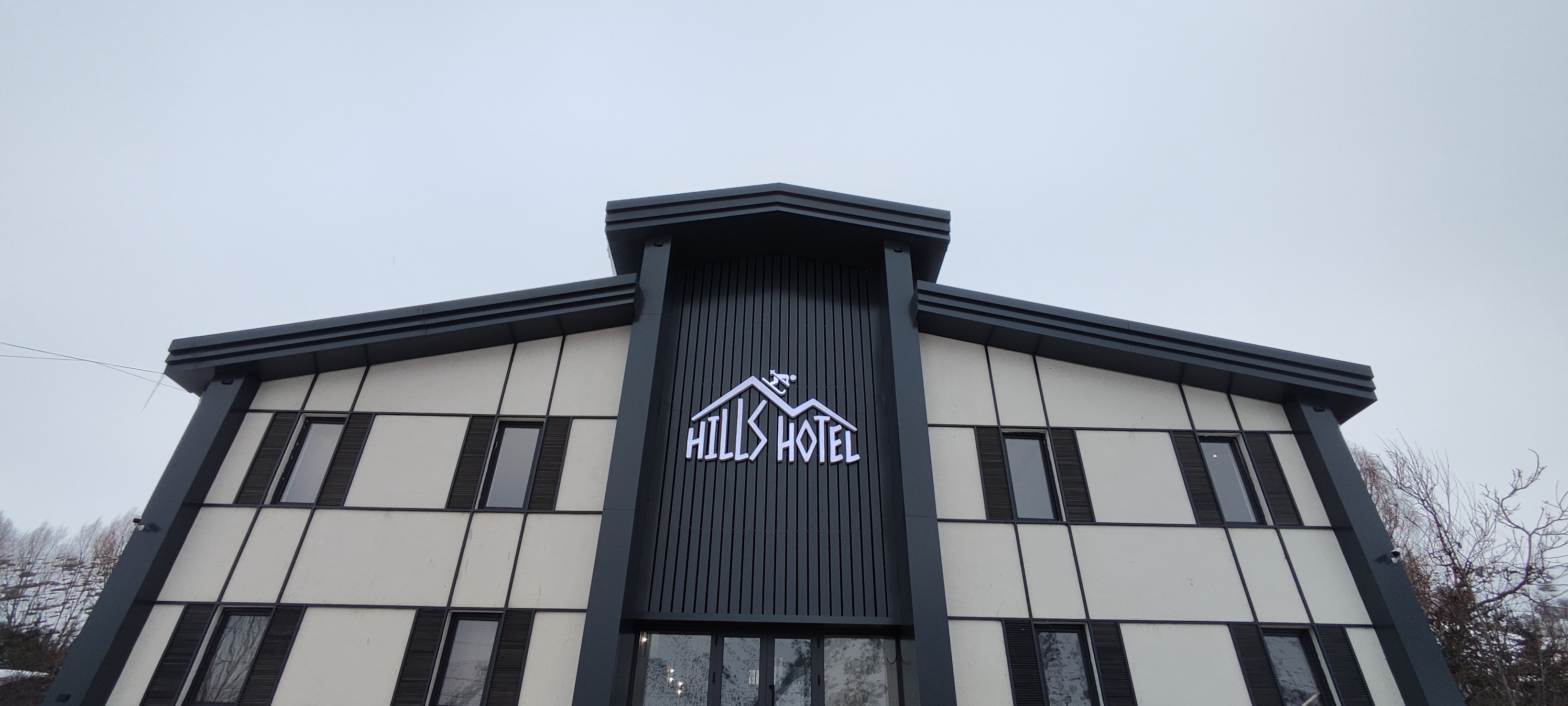
1 recommended properties
Money-Saving Tips
- 1.Negotiate taxi fares before getting in — drivers often quote tourist prices that are 2-3x the local rate
- 2.Stock up on snacks and water at the central bazaar instead of buying from mountain vendors who charge premium prices
- 3.Many guesthouses offer discounts for stays longer than 3 nights, especially during shoulder season
- 4.Rent hiking gear in town rather than bringing your own — saves airline baggage fees and local shops need the business
- 5.Eat at local cafes instead of hotel restaurants — you'll pay 60% less for the same dishes
- 6.Buy a SIM card at the bazaar for 150 som rather than paying roaming charges on your home carrier
Travel Tips
- •Bring cash in US dollars or euros — ATMs are limited and cards aren't widely accepted outside hotels
- •Pack layers even in summer — mountain weather changes fast and temperatures drop 20 degrees after sunset
- •Learn basic Russian phrases — English isn't common outside tourist-oriented businesses
- •Respect local customs at religious sites — cover shoulders and remove shoes when entering mosques
- •Altitude can affect some visitors even at Karakol's 1,690m elevation — take it easy your first day
- •Register with police within 3 days if staying longer than 72 hours — most guesthouses handle this automatically
- •Carry toilet paper and hand sanitizer — public facilities often lack both
- •Download offline maps before heading into the mountains — cell coverage disappears quickly outside town