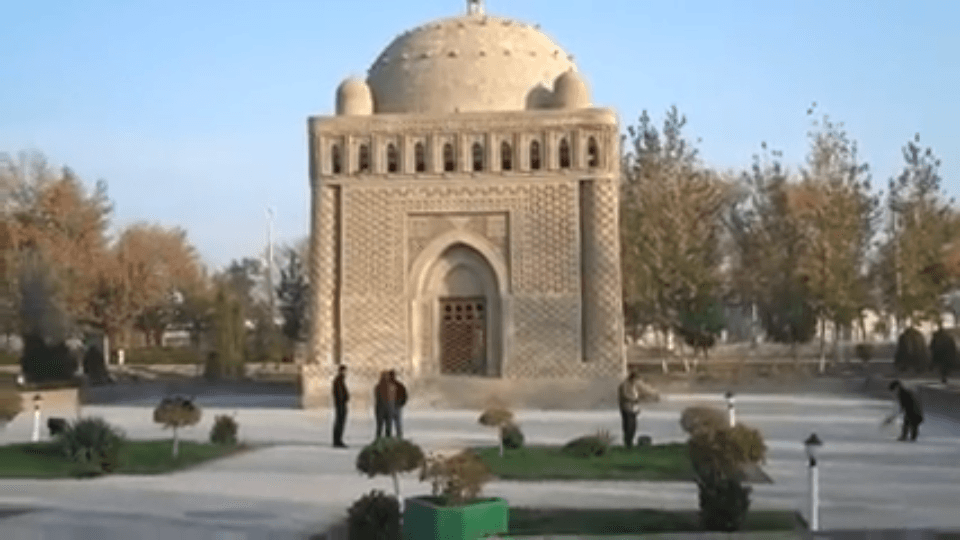
Bukhara
Uzbekistan's ancient Silk Road trading post jewel
Step into Bukhara and you're walking through 2,500 years of history. This isn't some reconstructed theme park version of the Silk Road — it's the real deal. Traders have been haggling in these same covered bazaars since before Marco Polo passed through. The Kalyan Minaret still dominates the skyline after nearly a thousand years, and craftsmen still hammer copper in workshops their great-grandfathers built.
But here's what makes Bukhara special: it feels lived-in. Kids play football in courtyards between madrasas. Old men sip tea in the shade of ancient walls. The smell of fresh bread drifts from tandoor ovens tucked into narrow alleys. This is Central Asia at its most authentic, before the tour buses and Instagram crowds discover it.
Best Months
APR · MAY · SEP · OCT
~28°C · moderate crowds
Culture & Context
ISLAMIC SCHOLARSHIP LIVES
Bukhara is historically known as Buxoroi Sharif — the Holy Bukhara. It was one of the great centers of Islamic scholarship in the medieval world, with over 350 mosques and 80 madrasahs at its peak. Many still stand.
But here's the thing: this isn't a frozen-in-time monument city. People actually live here. The population is around 280,000.
Walk five minutes off the main tourist drag and you're in residential lanes where kids play football and neighbors argue over bread prices. The city has a distinct dual identity: officially Uzbek-speaking, but widely Tajik-speaking on the street, especially among older residents. Bukhara's Tajik is its own Persian dialect with heavy Uzbek and Russian influence.
Address someone in Uzbek and they'll reply in Uzbek. Try Tajik and they'll switch. The linguistic hospitality is genuinely remarkable.
Bukharan Jews have called this city home for possibly over a millennium, and while most emigrated to Israel and the US by the 1990s, their cultural fingerprint remains — in the old Jewish quarter near Lyabi-Hauz, in two surviving synagogues, and in the rare Bukharan Jewish cuisine (green plov, for example) that a handful of local spots still serve. The craft tradition here is not decorative — it's economic. Gold embroidery (zarduzi), carpet weaving, silk dyeing and pottery are still passed down family to family.
You can watch this happen in real workshops, not staged demos.
Local Customs
HANDS DOWN IN THANKS
At the end of a meal, hold your hands cupped in front of your face and lightly run them downward — the traditional prayer of thanks (omin). Locals will notice and appreciate it.. Haggling is expected at bazaars and for taxis, but keep it light.
Prices are not massively inflated, and aggressive bargaining is considered rude. A smile gets you further than a hard counter-offer.. When visiting mosques, cover your shoulders.
Women should carry a scarf. Kalyan Mosque requires it — a group of tourists who forgot this was noted as genuinely disrespectful by locals.. Tap water is not safe to drink anywhere in Bukhara.
Bottled water is extremely cheap (0.12 USD for 500ml). Buy it from local shops, not from cafes around Lyabi-Hauz where the markup is significant..
Hotels and licensed guesthouses automatically register you with the authorities (a Soviet-era requirement still enforced). You get a small slip at check-in — keep every single one. They can be checked at train stations and border crossings..
If you're staying with a local family or in an unlicensed private apartment, the host must register you online themselves. Make sure this actually happens.. Summer afternoons (1pm-4pm) are brutal — 40°C+ is realistic in July and August.
Plan your heavy sightseeing for early morning or evening. The city looks spectacular at night when monuments are lit up anyway.. Young Uzbek people near popular sights often approach tourists to practice English.
It's genuinely friendly, not a scam setup. A short chat is usually all they want.
Safety
GENUINELY VERY SAFE
Bukhara is genuinely safe. Violent crime is essentially unheard of. Mugging and pickpocketing are not a real concern — the city has a visible tourist police presence and locals are oriented toward hospitality.
Solo female travelers have consistently reported feeling comfortable here. The main practical risks are: heat exhaustion in summer (plan around it — midday in July is 40°C+), drinking tap water (don't, ever), and tourist-adjacent price inflation around Lyabi-Hauz (aware travelers simply walk a block further). One genuine note: some bath houses (hammams) marketed to tourists have drawn negative reviews for deceptive service descriptions — the experience described by guides and the reality on the ground can differ significantly.
Read recent reviews before booking. Avoid codeine-based medications — they're prohibited entry into Uzbekistan entirely. Carry your hotel registration slips throughout your trip; losing them can cause friction at departure.
Getting Around
WALK THE OLD CITY
Getting to Bukhara: the high-speed Afrosiyob train from Samarkand takes under 2 hours; from Tashkent, around 4 hours. Tickets run $7-16 USD in second class. Book through the Uzbekistan Railways app or website — seats on popular routes sell out, especially in high season.
Important: the train station is in Kogon, a separate town 20-30 km from the old city. A taxi from there costs around 60,000 UZS (~$5). Bukhara also has its own international airport (BHK), 15-20 minutes from the center.
Getting around Bukhara: the historic old city is pedestrian-only in its core — no cars, which makes walking the natural and only real option. The city is compact; most major sites are within 30-40 minutes on foot of each other. A Hop-on Hop-off bus departs from Lyabi-Hauz daily between 9am and 6pm, looping between old and new city and outer monuments — worth it if you want to cover maximum ground in minimal time.
Yandex Taxi works well for getting between the station, airport, and the old city perimeter.
Useful Phrases
Bukhara Itineraries
View all
Seven Slow Days in Silk Road Bukhara
Week · $$$

Silk Road Weekend: Three Days Wandering Old Bukhara
Weekend · $$$

Silk Road Oasis: A Long Weekend in Bukhara
Day Trip · $$$
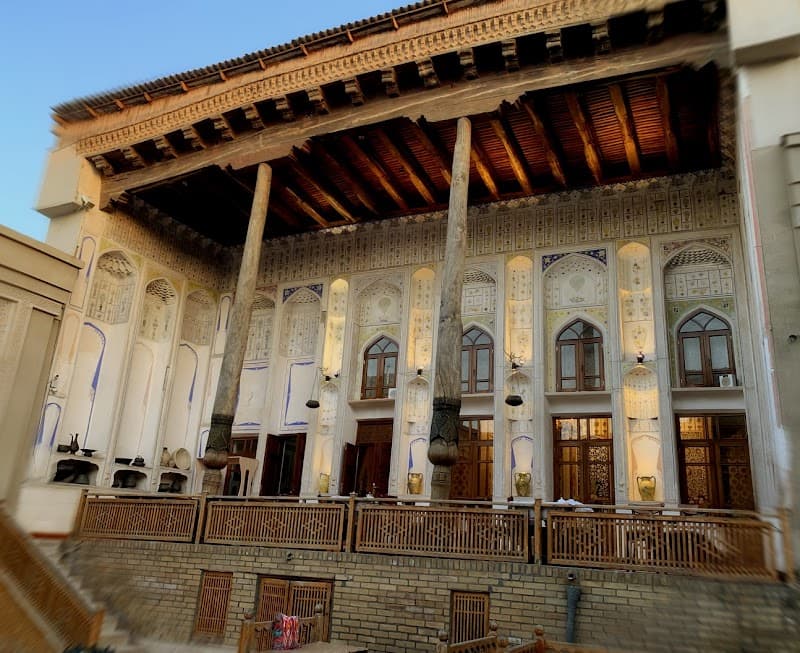
Silk Road Romance: 7 Slow Days in Bukhara
Week · $$$
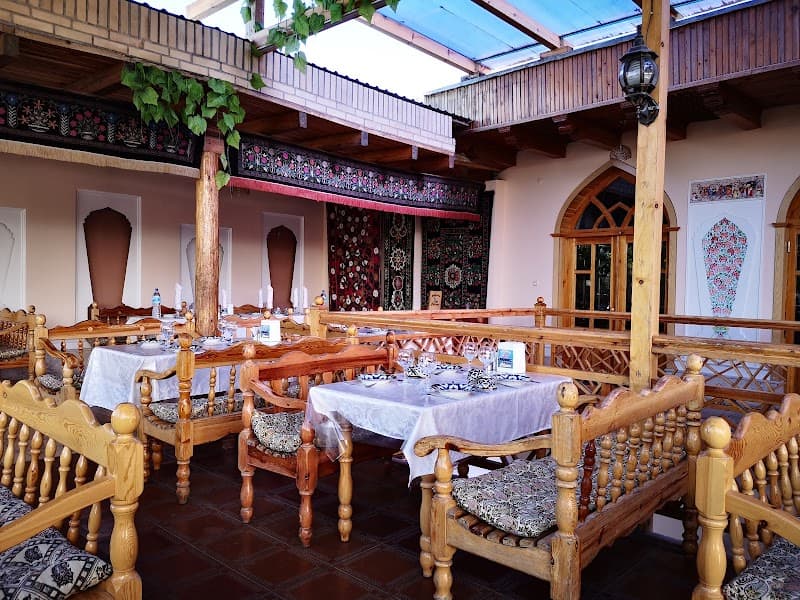
Silk Road Romance: 3 Days in Enchanted Bukhara
Weekend · $$$
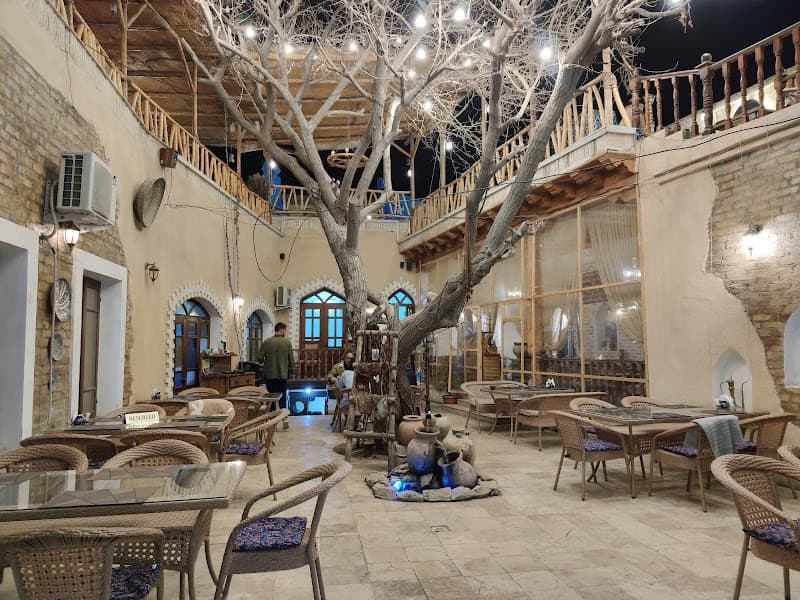
Romantic Bukhara: Old-World Charm, Gardens, and Silk Road Nights
Day Trip · $$$
Things to Do in Bukhara
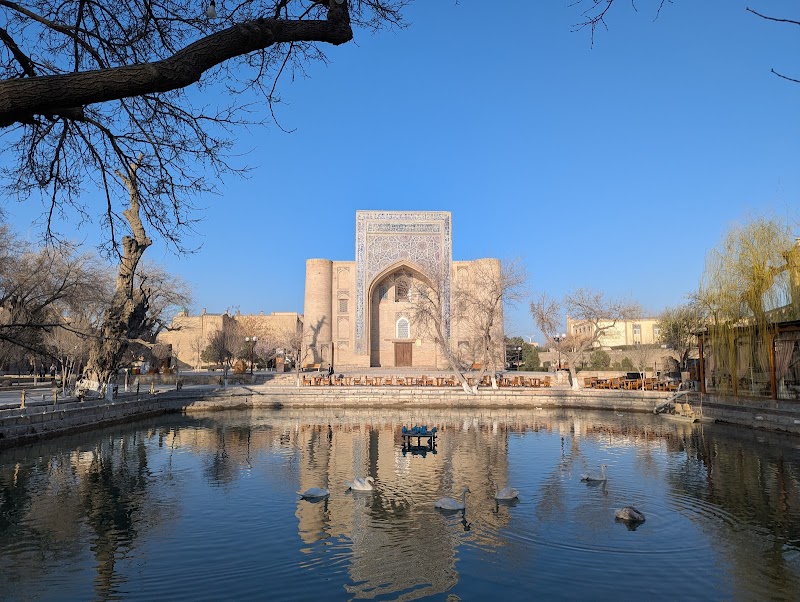
Lyab-i Hauz Ensemble Evening Walk
Lyab-i Hauz Old Town · 60 min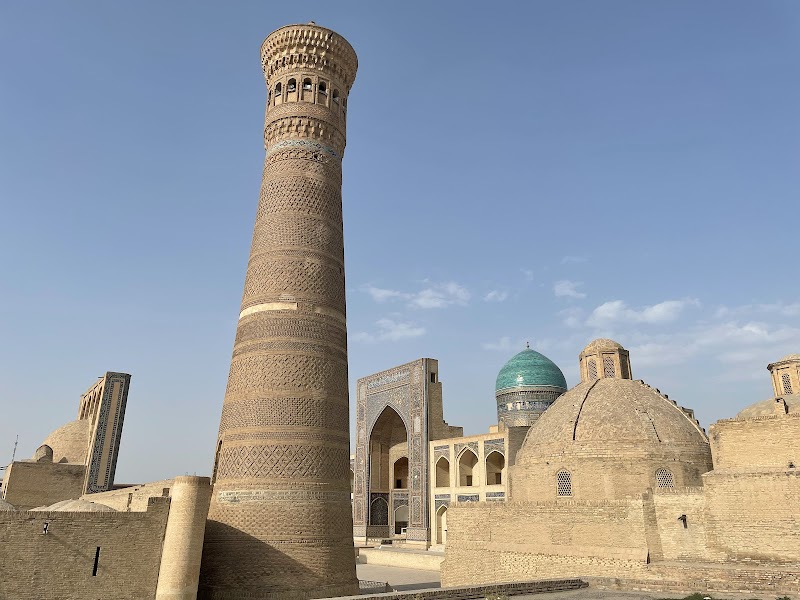
Kalyan Minaret & Poi Kalyan Complex
Poi Kalyan Complex · 120 min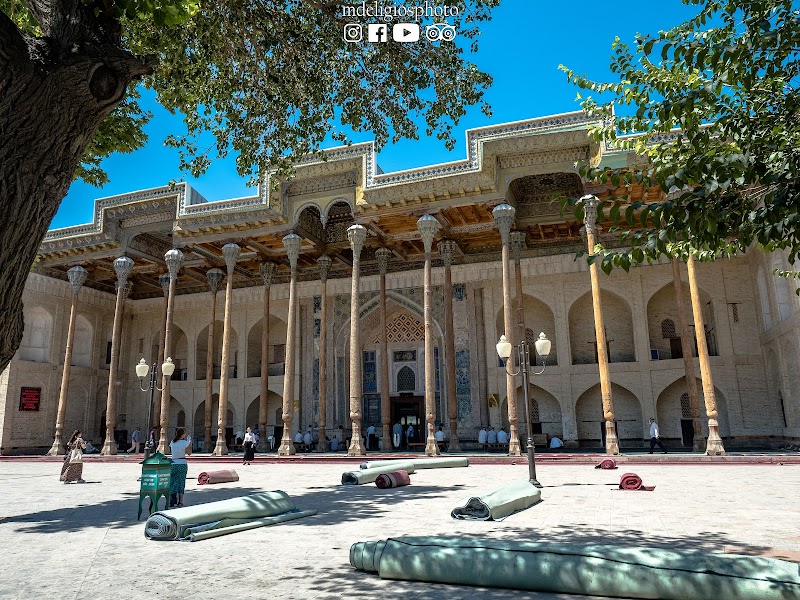
Bolo Hauz Mosque & Park
Registan & Bolo Hauz · 60 minMoney-Saving Tips
- 1.Bargain hard in the bazaars — initial prices can be 5x the fair rate
- 2.Carry small bills (5,000 and 10,000 som notes) for street food and taxis
- 3.Many restaurants don't accept cards, so bring cash for meals
- 4.Hotel prices drop significantly if you book directly rather than online
- 5.Shared taxis to nearby sites cost a fraction of private hire
- 6.Buy handicrafts at Toki-Sarrafon bazaar, not from hotel gift shops
Travel Tips
- •Learn basic Russian phrases — more useful than English here
- •Dress modestly when visiting religious sites (long pants, covered shoulders)
- •Download offline maps — GPS can be spotty in the Old City's narrow alleys
- •Bring a good camera — the architecture photography opportunities are endless
- •Pack sunscreen and a hat — the desert sun is stronger than you think
- •Respect prayer times at mosques and madrasas
- •Try to visit during a traditional craft demonstration for authentic cultural insight