Tashkent
Soviet grandeur meets Central Asian tradition in Uzbekistan's capital
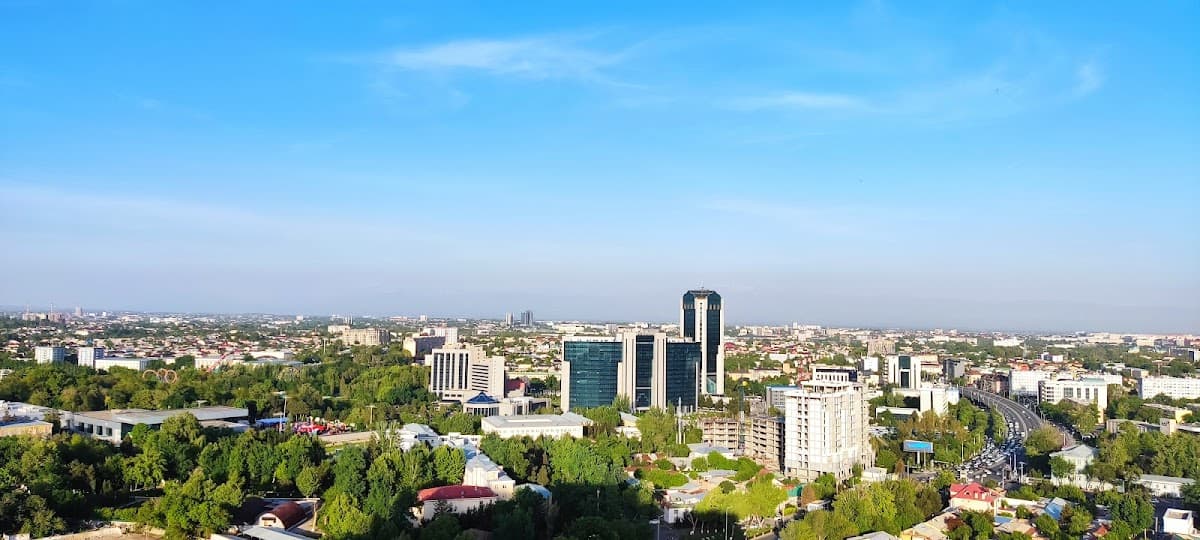
Tashkent doesn't look like other Central Asian capitals. Walk down Amir Timur Avenue and you'll see why – towering Soviet monuments cast shadows over traditional tea houses, while gleaming skyscrapers rise behind 19th-century madrasas. This is a city rebuilding itself piece by piece, where you can ride one of the world's most beautiful metro systems for pennies, then haggle for spices in thousand-year-old bazaars. The 1966 earthquake leveled most of old Tashkent, but what emerged is something uniquely fascinating: a Soviet experiment wrapped around Central Asian soul. Here's the thing – most travelers skip Uzbekistan's capital for Samarkand's blue domes. Their loss. Tashkent offers something rarer: authenticity without the tour groups.
Local Knowledge
Culture & Context
Tashkent is the capital of Uzbekistan and Central Asia's most populous city, home to over 3 million people. The society is Muslim but the government is officially secular, a legacy of Soviet rule that shaped everything from architecture to daily habits. You will see grand Soviet-era boulevards and ornate metro stations sitting next to turquoise-domed mosques and old mahalla (neighborhood) alleyways. The city rebuilt itself almost from scratch after a devastating 1966 earthquake, which is why so much of it looks post-Soviet rather than ancient. Russian is widely spoken alongside Uzbek, especially among older residents. English is growing, particularly among younger people and those in tourism and services. Locals are famously warm. An unsolicited invitation to tea or a family meal is genuine, not a sales pitch. The choyxona (teahouse) is the social hub of the city — slow, communal, mostly male by tradition but newer spots welcome everyone. Meals arrive on shared platters. Bread (non) is sacred: never place it upside down, always break it by hand. Hospitality is not performative here; it is the actual culture.
Safety
Tashkent is rated Level 1 (Exercise Normal Precautions) by the US State Department — one of the safest capitals you can visit. Violent crime against tourists is essentially unheard of, and travelers consistently report feeling safer here than in many European cities. The main real risk is petty theft at Chorsu Bazaar and on crowded metro cars. Keep your phone in a front pocket and your bag zipped. Use Yandex Go for taxis rather than flagging down unmarked cars — agree on a fare first if you do use street taxis. Fake police officer scams do happen occasionally; actual officers will have visible ID. Carry your real passport, not just a copy, as police checks occur near tourist sites. Avoid photographing military installations and government buildings. Winter air quality is a genuine issue — Tashkent regularly ranks among the world's most polluted cities in winter months, so an N95 mask is worth packing for December through February visits. Summer heat can hit extreme levels (the city's electrical grid sometimes buckles under the AC load, causing outages). Border regions have different risk profiles, but Tashkent itself is safe and well-policed. Emergency numbers in Tashkent: police 102, ambulance 103, fire 101.
Getting Around
The metro is the best way to move around central Tashkent. A single ride costs 1,400 UZS (about $0.12), trains run every 4–7 minutes during peak hours, and the last train leaves around 11:45 PM. The stations themselves are worth riding for, with ornate Soviet-era mosaics and architecture. A new Orange Line is being extended with around six new stations expected by late 2026. Get an ATTO Card if staying more than a day or two. For taxis, Yandex Go is the standard app — Uber does not operate in Uzbekistan. Most city rides cost $1–5. Airport to city center runs $5–10 via Yandex versus $15–20 at the official taxi desk. Always verify the plate number and driver name in the app before getting in. Buses and marshrutkas (shared minibuses) exist and are extremely cheap but are chaotic for first-time visitors without Russian or Uzbek. The high-speed Afrosiyob train connects Tashkent to Samarkand in just over two hours and onward to Bukhara — book tickets at least a week in advance as they sell out on popular routes. Book via the Uzrailway app or the e-ticket portal. Yandex Go launched intercity rides in May 2026 covering routes to Samarkand, Bukhara, and other cities, which is useful when trains are sold out.
Useful Phrases
Hello / Hi
Thank you
Thank you very much
You're welcome / No problem
How much does it cost?
Where is it? (add a place name before it)
Awesome / Great (casual slang, widely understood by younger people)
Can I have this without meat? (useful for vegetarians)
Local Customs
- •Bread (non flatbread) is treated with real respect — never place it upside down on the table and always break it by hand, never cut it with a knife.
- •Accept tea with both hands or your right hand only. Refusing tea when offered is considered rude; you can sip slowly if you don't want much.
- •Remove your shoes before entering homes and many traditional restaurants. Look for a pile of shoes at the door as your cue.
- •At a choyxona (teahouse), do not rush. The point is staying for hours. Order one pot of green tea and backgammon practically comes standard.
- •Plov is a Friday tradition. Families gather, portions are enormous, and the best osh markazi (plov restaurants) sell out by 1pm. Show up early.
- •Mosques require loose clothing covering shoulders, knees, and chest. Women should carry a headscarf. This is not optional at active religious sites.
- •Restaurants often add a non-negotiable 10–15% service charge to the bill. Check before tipping on top of that.
- •Do not photograph government buildings, military installations, or security checkpoints. It will cause problems quickly.
- •Carry your passport at all times. Police checks happen, especially near tourist areas. A photocopy is better than nothing but the real thing is expected.
- •Monday is the worst day to visit museums — most of them are closed.
Itineraries coming soon
We're working on adding amazing itineraries for Tashkent. In the meantime, try the app to create your own!
Money-Saving Tips
- 1.Metro rides cost 15 cents – buy a handful of tokens to avoid queuing at ticket booths
- 2.Eat at Chorsu Bazaar's second floor food court where locals pay local prices, not tourist rates
- 3.Shared taxis (marshrutkas) cost a fraction of Yandex rides for common routes like airport to city center
- 4.Book hotels directly instead of through booking sites – many offer 20% discounts for cash payment
- 5.Street vendors near tourist sites charge 3x normal prices – walk two blocks away for better deals
- 6.Currency exchange works best at banks, not hotels or airport counters which offer terrible rates
- 7.Local SIM cards cost $3 and include 10GB data – much cheaper than international roaming
- 8.Many museums offer student discounts even for international students with valid ID cards
Travel Tips
- •Download offline maps before arriving – GPS works but street signs switch between Cyrillic, Latin, and Arabic scripts
- •Learn basic Russian phrases – more useful than English in most situations outside hotels
- •Carry passport copies everywhere but leave originals in hotel safe – police checks happen frequently
- •Dress modestly when visiting religious sites – long pants and covered shoulders for both men and women
- •Friday prayers make Old Town extremely crowded between 12-2 PM – plan museum visits accordingly
- •Tashkent tap water is safe but tastes heavily chlorinated – bottled water costs 50 cents
- •ATMs sometimes run out of cash on weekends – withdraw som on weekdays when possible
- •Photography restrictions apply at government buildings and some metro stations – ask first
- •Bargaining expected at bazaars but not in regular shops – start at 50% of quoted price
- •Power outlets use European plugs – bring adapters for US/UK devices
Frequently Asked Questions
Explore Tashkent
Ready to explore Tashkent?
Get a personalized itinerary in seconds with Takeoff.
Free on iOS. No credit card required.