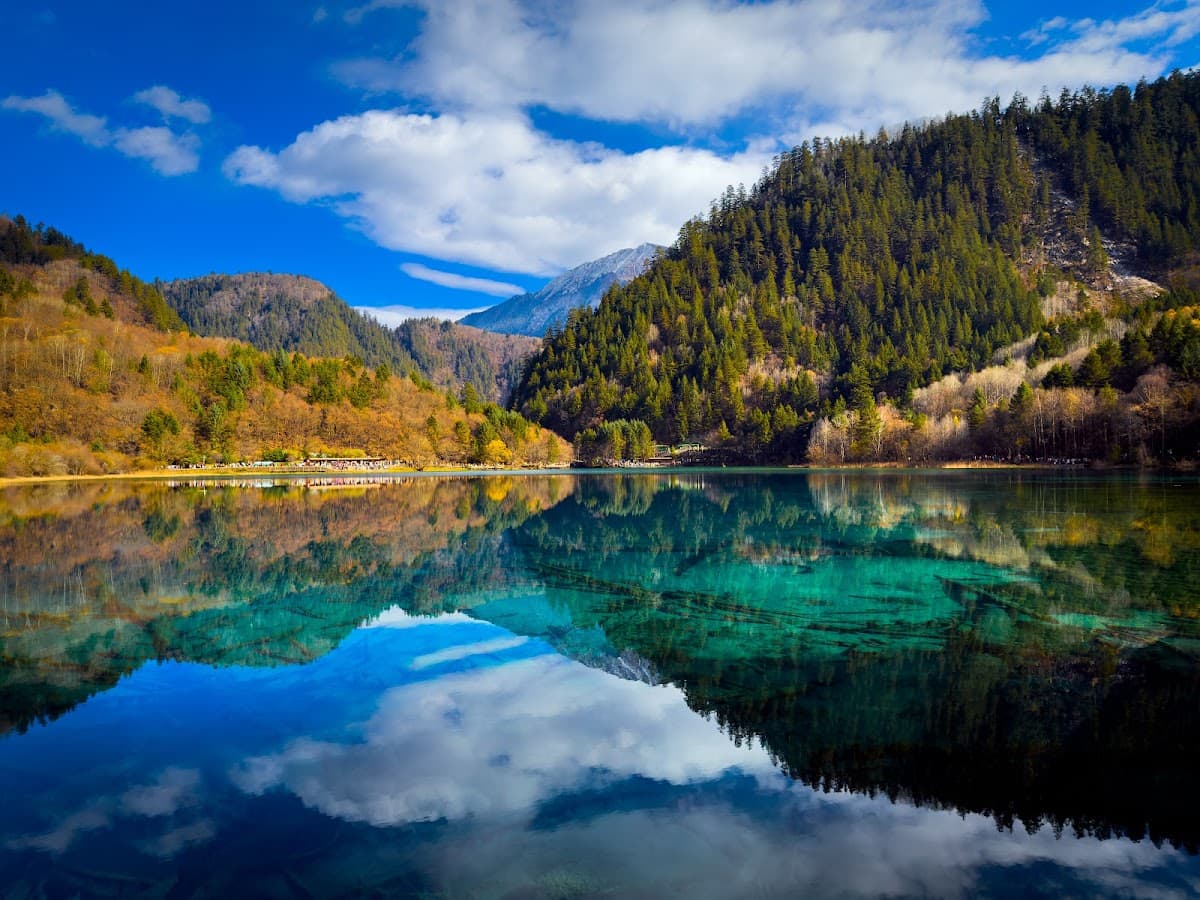
Jiuzhaigou Valley
Fairy-tale landscape of turquoise lakes and waterfalls
Look, I'll be straight with you about Jiuzhaigou Valley: the photos don't lie, but they don't tell the whole story either. This UNESCO World Heritage site in Sichuan Province really does look like someone Photoshopped nature into impossible shades of turquoise and emerald. The Tibetan name means "Nine Village Valley," and those villages are still here, though tourism has changed everything.
Here's what makes this place special beyond the Instagram shots. The water gets its otherworldly colors from mineral deposits and algae that create natural prisms. You're walking through a landscape that took millennia to form, where 118 lakes connect through waterfalls and streams across three main valleys. But don't expect wilderness solitude – this is China's most popular national park, and it shows.
Money-Saving Tips
- 1.Book park tickets and accommodation as a package deal through your hotel to avoid the foreign visitor booking hassle
- 2.Eat breakfast at your hotel and pack snacks if allowed – food inside the park costs 3x normal prices
- 3.Skip the expensive park shuttle photos and bring your own camera with extra batteries for the cold weather
- 4.Visit during shoulder season (April-May or late October) for lower accommodation rates and smaller crowds
- 5.Use the free park wifi instead of buying international data plans – coverage is surprisingly good at major viewpoints
Travel Tips
- •Download offline maps before entering – cell service gets spotty in the valleys despite the wifi hotspots
- •Start your visit at the furthest point (Long Lake) and work your way back to avoid fighting upstream crowds
- •The wooden boardwalks get incredibly slippery when wet – bring shoes with good grip or risk joining the blooper reel
- •Respect the Tibetan prayer flags and mani stones throughout the park – they're sacred to local communities
- •Book your return transport before entering the park – taxis and buses fill up quickly at closing time
Frequently Asked Questions
BUILD YOUR
JIUZHAIGOU VALLEY PLAN
Insider picks, smart timing, and a plan ready when you are.
Start Planning