Kaohsiung
Taiwan's southern port city blends tradition with modernity
Taiwan's second-largest city doesn't try to compete with Taipei's flash. Instead, Kaohsiung does its own thing — and does it well. This southern port city mixes Buddhist temples with cutting-edge art installations, night markets with rooftop bars, and traditional fishing villages with gleaming shopping districts. The harbor that built this city still defines it today. You'll see container ships sharing the water with dragon boat races, while the old pier areas transform into cultural hotspots after dark. Look, it's not as polished as Taipei, but that's exactly the point. Kaohsiung feels more authentic, more lived-in, more real.
Best Months
JAN · FEB · MAR · OCT · NOV · DEC
~26°C · moderate crowds
Culture & Context
INDUSTRIAL RUINS REBORN
Kaohsiung is Taiwan's major southern city and its largest port. It spent decades as a heavy industry and shipping hub, which left a grittier physical legacy than Taipei — warehouses, container terminals, wide industrial roads. The last 15 years of urban renewal have turned that into an asset.
Pier-2 Art Center is the clearest example: former cargo warehouses converted into galleries, studios, cafes, and performance spaces. The city has a distinct identity from Taipei, and locals are proud of that difference. The pace is slower.
The weather is warmer and sunnier year-round. Taiwanese Hokkien is heard more frequently here than in the north, and there's a stronger sense of southern Taiwanese folk culture, visible in places like the Neimen Song Jiang festival or the temple density around Lotus Pond. Indigenous mountain culture is accessible in the surrounding hills and gorges.
The city also has a long LGBTQ+ community presence, underscored by hosting the 2026 Asia Pride Games.
Local Customs
TWO HANDS, NO TIPS
Tipping is not a thing here. Don't do it at restaurants or with taxi drivers — it creates confusion more than goodwill.. Use both hands when passing money, receiving change, or accepting a business card.
It's a small gesture that signals respect and locals notice it.. Don't point at people or objects with your index finger. Use an open hand instead..
Shoes off before entering someone's home. No exceptions, and you'll usually see a pile of footwear at the door as your cue.. Avoid leaving chopsticks standing upright in a bowl of rice — it's associated with funeral offerings..
Don't refuse food or drink when offered by a host. A polite taste is always the right move, even if you're full.. Avoid sensitive political topics, including anything related to cross-strait relations.
The subject is genuinely complex and not a casual conversation topic.. Taiwanese Hokkien (locally called 'Taiwanese') is widely spoken in Kaohsiung, especially among older generations and in southern neighborhoods. More so than in Taipei.
If an elderly vendor seems confused by your Mandarin, they may simply be more comfortable in Hokkien.. Kaohsiung has a significant air quality issue in winter. Industrial pollution from the port and refineries in the south of the city, combined with air flowing over from mainland China, can make some days genuinely unpleasant.
Check AQI before long outdoor activities, especially January through March.. The MRT has a strict no-food-and-drink rule — and it's actually enforced. Don't test it.
Safety
SAFE, WATCH MOSQUITOES
Kaohsiung is extremely safe. Violent crime targeting tourists is essentially nonexistent, and locals are genuinely helpful if you look lost. That said, a few real things to know: Dengue fever is a legitimate concern in the south, especially in Kaohsiung and Tainan during the wetter months.
Use mosquito repellent and cover up in the evenings. Typhoon season runs May through November — when a typhoon day is declared, businesses close with very little notice, so monitor weather apps. Scooter traffic can feel chaotic to newcomers; pedestrians don't always have right of way in practice, even when they do on paper.
Some neighborhood sidewalks are inconsistent or partially blocked by parked scooters. Earthquake preparedness is worth knowing — they happen without warning, and the standard advice is to get under a sturdy table and stay away from windows. For emergencies, dial 110 for police.
Many officers in central districts speak some English. Healthcare quality is high, but non-residents pay out of pocket (no reciprocal agreements for most nationalities), so travel insurance is worth having. Air quality in winter months is a genuine downside — the port and industrial zones in the south of the city are not far, and pollution levels can spike.
Getting Around
MRT & LIGHT RAIL
The MRT runs two lines: the Red Line (north–south) and the Orange Line (east–west). Between them, they cover most of what tourists need. Get an EasyCard or iPASS at any MRT station on arrival — it works on the MRT, buses, Light Rail, and even the Cijin Island ferry.
Single trip fares are NT$20 per ride (about $0.63 USD), and a monthly pass runs around $26.66 USD.
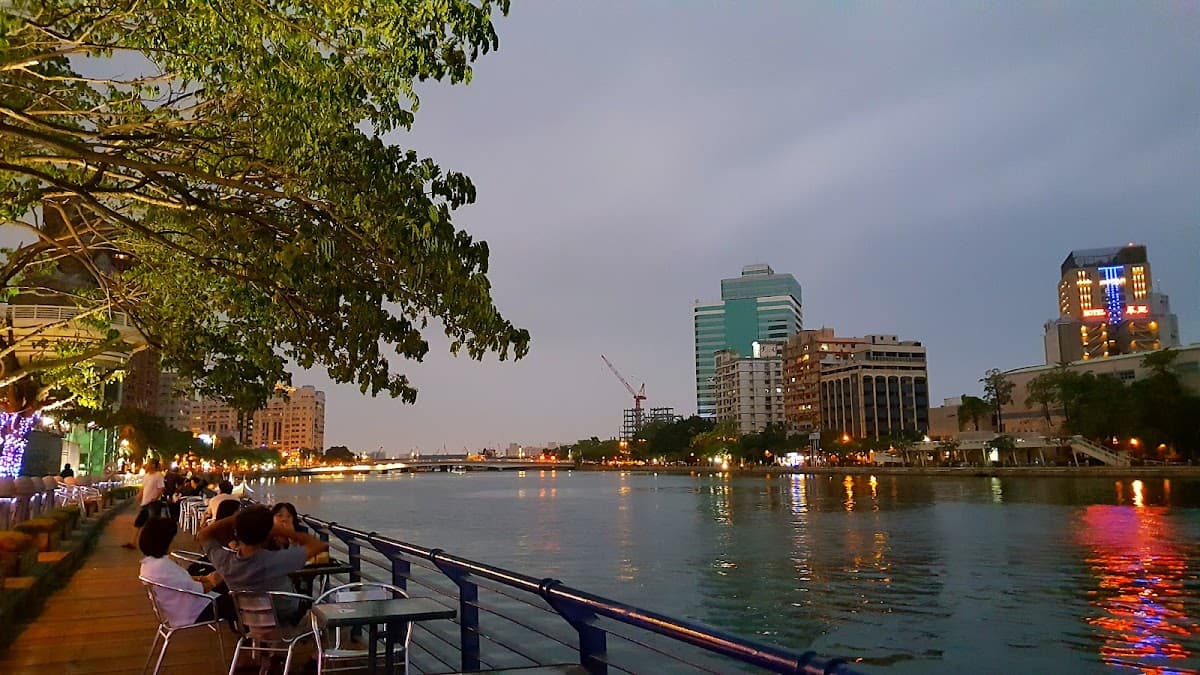
The Light Rail (LRT) loops around the waterfront area and connects key spots like Pier-2 Art Center, the Great Harbor Bridge, and Love River Bay. It's slow but scenic. For Cijin Island: take the Orange Line to Sizihwan Station or the Light Rail to Gushan Ferry Pier, then the NT$20 ferry across.
The HSR (High-Speed Rail) arrives at Zuoying Station in the north — from there, MRT connects you to the city center in 15–20 minutes. The HSR from Taipei takes about 90 minutes and costs around NT$1,490 ($45 USD). YouBike docking stations are spread along the Love River and major streets — solid for flat rides around the waterfront.
Renting a scooter expands your range dramatically, especially for getting to Gushan hills or out to Meinong Township, but city traffic requires confidence. Uber operates and is generally reliable. Taxis are honest; starting fare is around NT$85 ($2.
70 USD) with NT$25 (~$0.79 USD) per kilometer after.
Useful Phrases
Where to Stay in Kaohsiung
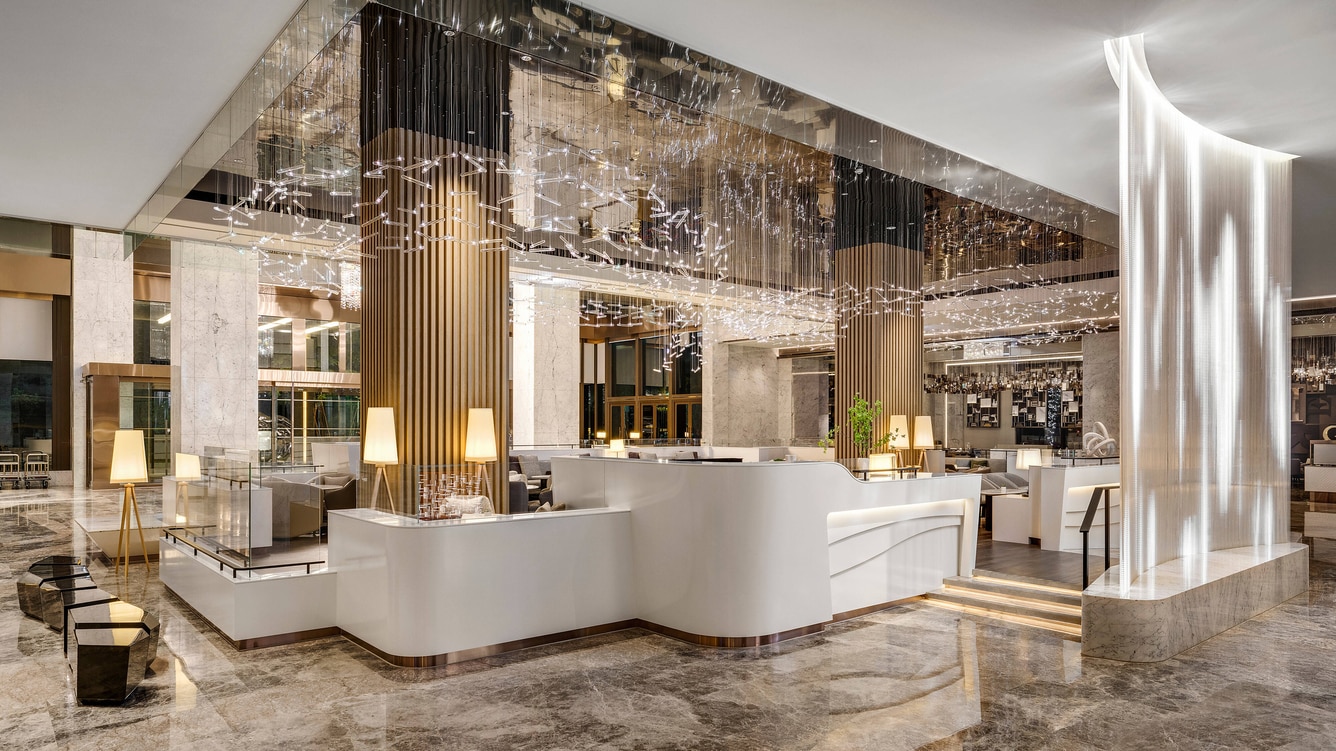
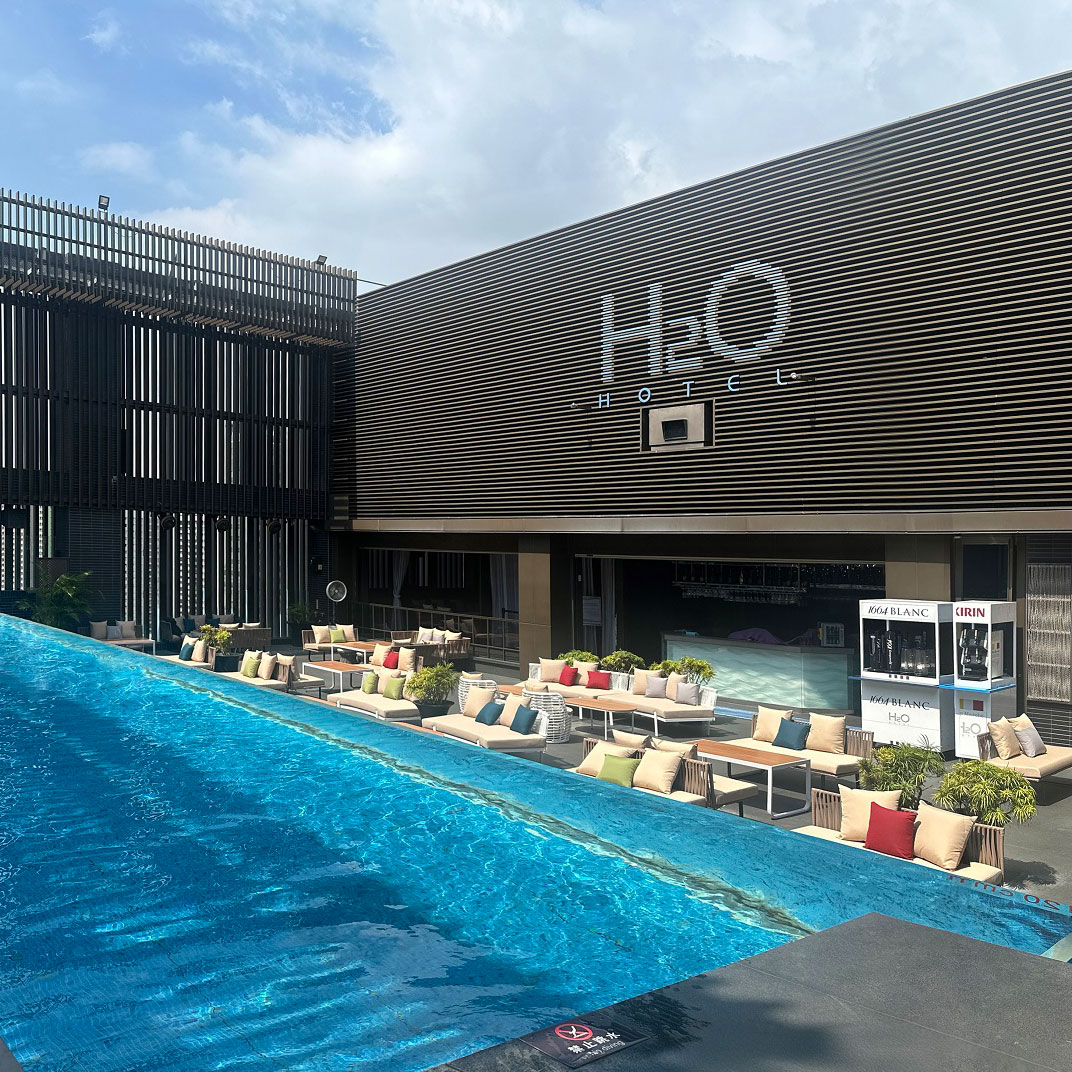
2 recommended properties
Money-Saving Tips
- 1.Night market meals cost NT$50-150 per person — way cheaper than restaurant dining
- 2.MRT day passes (NT$150) pay for themselves after 5 rides
- 3.Many temples offer free vegetarian meals during festivals
- 4.Convenience store meals (NT$60-100) beat expensive hotel breakfast buffets
- 5.Scooter rental splits well between two people at NT$300-400 per day
- 6.Free WiFi at all MRT stations and most cafes saves on data roaming
- 7.Department store food courts offer AC and cheap local dishes
- 8.Happy hour at rooftop bars (5-7 PM) cuts cocktail prices in half
Travel Tips
- •Download the Kaohsiung MRT app for real-time train schedules
- •Bring a portable fan — even locals carry them year-round
- •Learn basic Mandarin numbers for night market ordering
- •The Dome of Light at Formosa Boulevard Station is free to view
- •Many restaurants close between 2-5 PM for afternoon break
- •Temple etiquette: no photos of main altars, remove hats inside
- •Cijin Ferry runs every 10-15 minutes but stops at midnight
- •Book high-speed rail tickets online for 20% early bird discounts
- •Pharmacies sell mosquito repellent — you'll need it near the harbor
- •Cash-only vendors are common; ATMs at every 7-Eleven