
Taipei
Modern Metropolis Where Night Markets Meet Skyscrapers
Taipei hits different. This is a city where you can slurp beef noodle soup at a street stall under neon lights, then take an elevator to the 89th floor of Taipei 101 twenty minutes later. The Taiwanese capital doesn't just blend old and new — it makes them dance together in ways that feel completely natural.
Here's what makes Taipei special: the food scene rivals Tokyo but costs a fraction of the price. Night markets stay open until dawn. The MRT system actually works. And somehow, despite being home to 2.6 million people, it never feels overwhelming.
You'll eat better here than almost anywhere else in Asia. The xiaolongbao (soup dumplings) at Din Tai Fung might be famous, but the hole-in-the-wall spots serving gua bao and stinky tofu will change your life. And when you need a break from the city energy, hot springs and mountain trails sit just a short train ride away.
Best Months
JAN · FEB · MAR · APR · OCT · NOV · DEC
~23°C · high crowds
Culture & Context
ANCIENT MEETS DEMOCRATIC
Taipei is where ancient Chinese folk religion, a half-century of Japanese colonial influence, and a genuinely modern democracy all ended up living in the same apartment. That sounds like a recipe for identity crisis, but it works. You'll find a Taoist temple tucked between a 7-Eleven and a third-wave coffee shop and nobody blinks.
Taiwan never went through the cultural purges that the mainland did, so old religious customs — temple festivals, ancestor worship, ghost month in August — are still fully alive and not performance pieces for tourists. The Japanese influence is real and visible: clean streets, a cultural obsession with queue etiquette, a serious cafe and convenience-store culture, and some very good ramen. Politically, Taiwan is a functioning democracy with free press and LGBTQ+ rights that are unusually progressive for the region.
Same-sex marriage has been legal since 2019. Taipei Pride is one of the largest in Asia. Don't bring up the Taiwan-China question casually with locals — it's not that they're offended you're asking, it's that opinions vary widely and it's genuinely complicated for many families.
The food culture is not just a thing to enjoy — it's a major social currency. "Have you eaten?" is literally a greeting.
Turning down food is an awkward move.
Local Customs
QUEUE CULTURE RULES
No eating or drinking on the MRT — and this is enforced. Not a suggestion. The fine is NT$7,500..
Stand on the right side of escalators everywhere: MRT, malls, anywhere. The left is for people walking. Violating this will earn you a death stare from commuters..
Tipping is not a thing in Taiwan. At restaurants, hotels, and taxis, it's just not done and can create awkwardness. Exception: bars, where it's sometimes welcome..
Never stick your chopsticks vertically into a bowl of rice. It looks like funeral incense sticks and is considered seriously bad luck.. Queuing is sacred.
At popular food stalls, bubble tea shops, and MRT boarding areas, the line is orderly and people take it seriously. Cut in at your peril.. Take your shoes off before entering someone's home.
Slippers are usually provided. This is non-negotiable.. Bring both hands when receiving or giving something — a business card, a gift, even a drink from a host.
It signals respect.. The trash system is elaborate and taken very seriously. Separate your waste into general trash, recyclables, and food scraps.
You'll see multiple bins even at night markets.. Avoid discussing Taiwan-China politics casually with locals you've just met. People have very different and deeply personal views on this..
The 'have you eaten?' greeting is real. If someone asks you this, it's a warm check-in, not an invitation to explain your entire meal history.
Safety
VERY SAFE, WATCH SCOOTERS
Taipei is one of the safest cities on earth, full stop. The US State Department rates it Level 1 (same as Japan and Canada). Violent crime against tourists is essentially nonexistent.
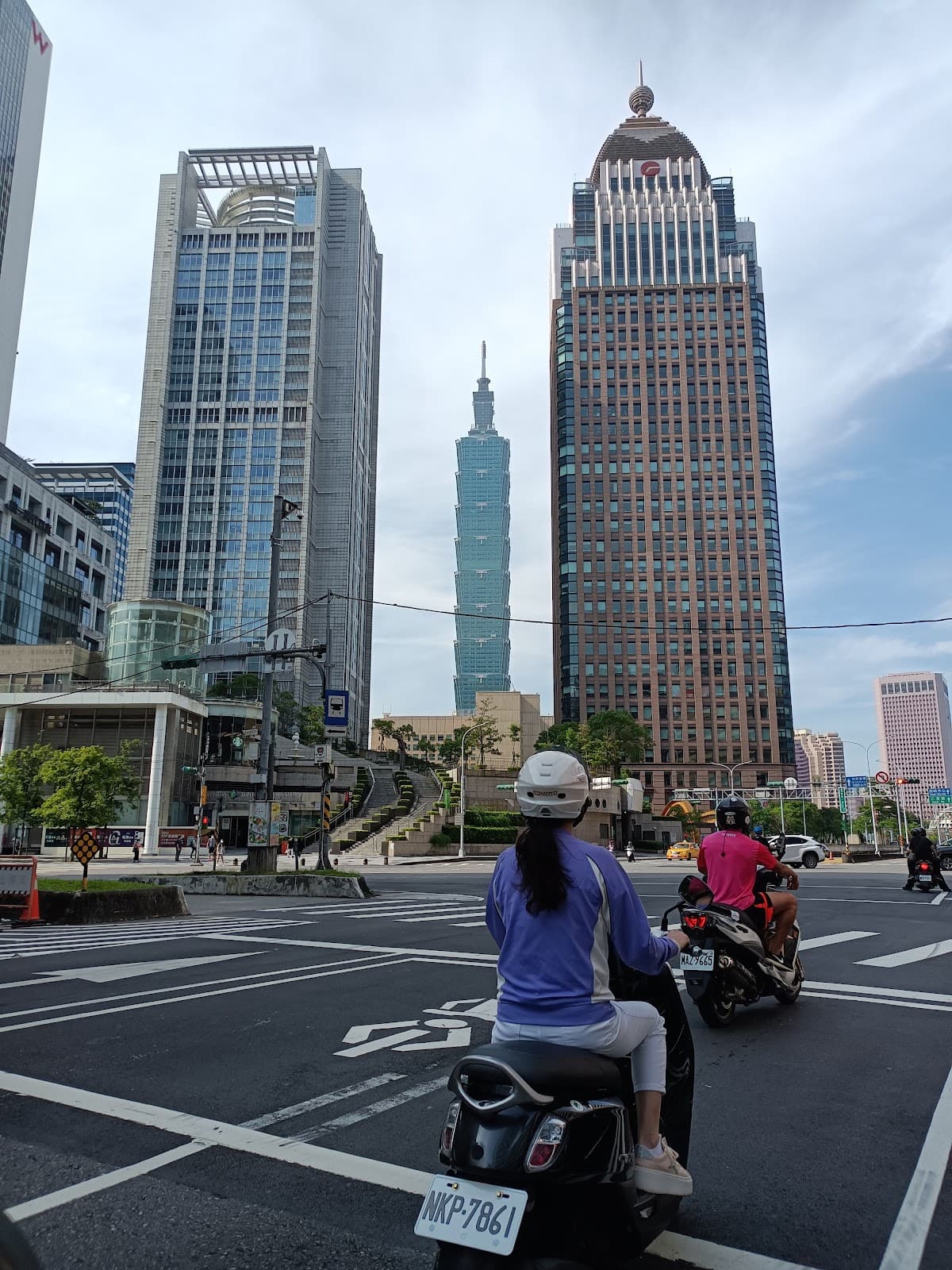
People leave laptops and phones unattended in cafés to hold seats and nothing gets taken. That said, a few specific things worth knowing: scooters are everywhere and will not always stop for pedestrians — the 'pedestrians first' policy exists on paper but habits are slow to change, so cross carefully. The area around Longshan Temple in Wanhua gets rougher late at night and has more petty crime than the rest of the city, though it's still safe by global standards.
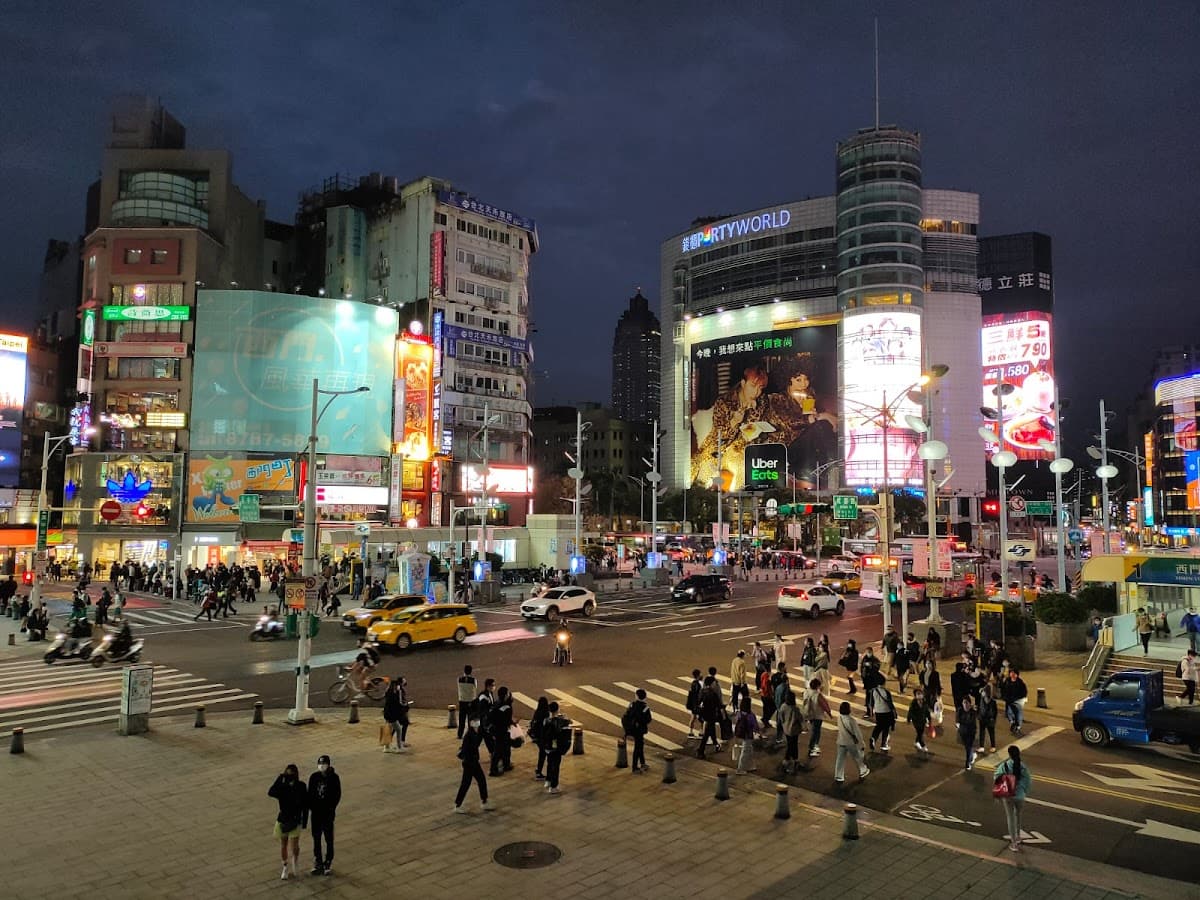
Ximending nightlife streets can get rowdy after midnight with intoxicated crowds. Don't hike Elephant Mountain or Yangmingshan trails after dark — not because of crime, but because visibility is poor and the terrain is unforgiving. Typhoon season runs May to November; if a typhoon day is declared, businesses close at very short notice and public transport halts.
Keep an eye on the Central Weather Administration app. Tap water in Taipei meets treatment standards but aging pipe infrastructure in older buildings means most locals boil it first. Drink bottled or filtered water to be safe.
Card skimming can occur; keep an eye on your card at smaller vendors.
Getting Around
MRT & EASYCARD
The MRT is your best friend in Taipei. Over 131 stations, color-coded lines, bilingual signs in Chinese and English, and announcements in four languages. Trains run 6 AM to midnight daily (some stations run slightly later).
Buy an EasyCard (NT$100 deposit) at any MRT station — it gets you a 20% discount on fares, works on buses, YouBike rentals, and even convenience stores. Single rides within central Taipei run NT$20–35. Peak hours are 7–9 AM and 5–7:30 PM on weekdays; trains are packed, but still move fast.
From Taoyuan International Airport, the Airport MRT Express reaches Taipei Main Station in about 35 minutes. Taipei Main Station is the central hub where the MRT, high-speed rail, regular Taiwan Railways, and long-distance buses all converge. YouBike (yellow and orange dock bikes) is a genuinely useful option in flat neighborhoods like Da'an and Zhongshan — rent with your EasyCard, credit card, or phone.
Taxis start at NT$85 and are generally metered and honest. Uber operates normally in Taipei. For getting to places not on the MRT — Jiufen, Yangmingshan, Wulai — you'll need a bus (use the Taipei Bus app for real-time tracking) or a taxi/Uber.
Jiufen requires a combination of TRA train to Ruifang then bus, or just take a private car for NT$70–120. Do not rent a scooter in Taipei city traffic if you're not used to it.
Useful Phrases
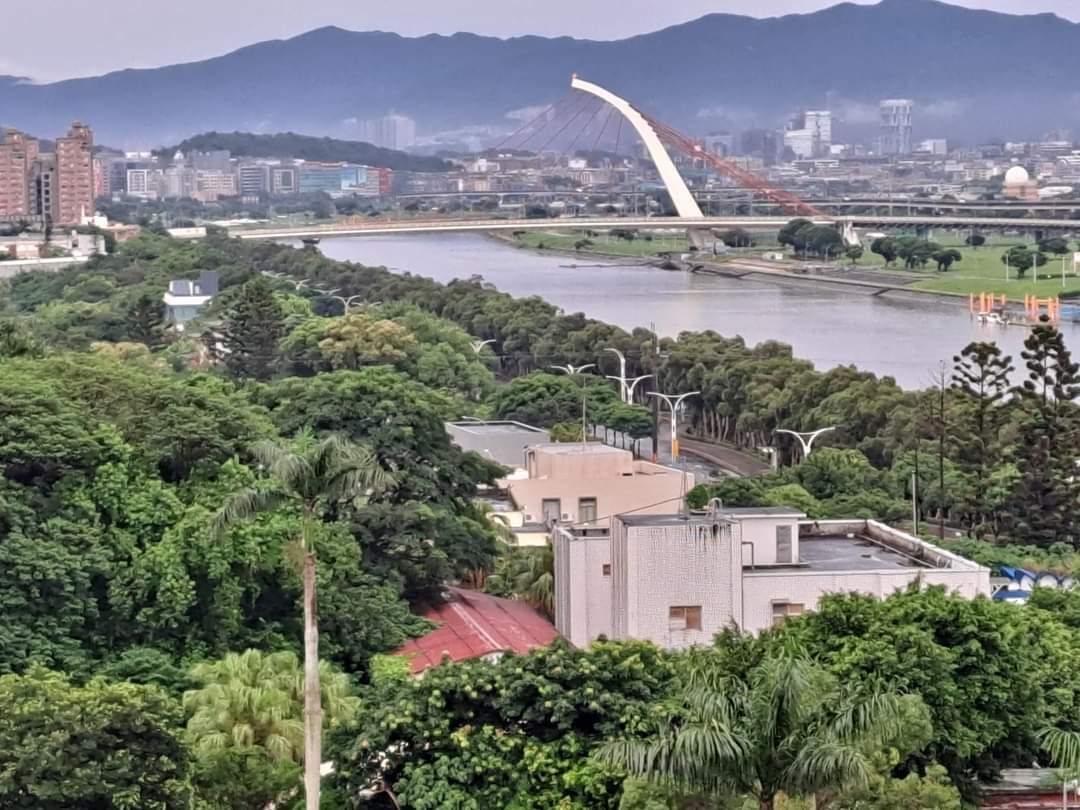
Explore the Region
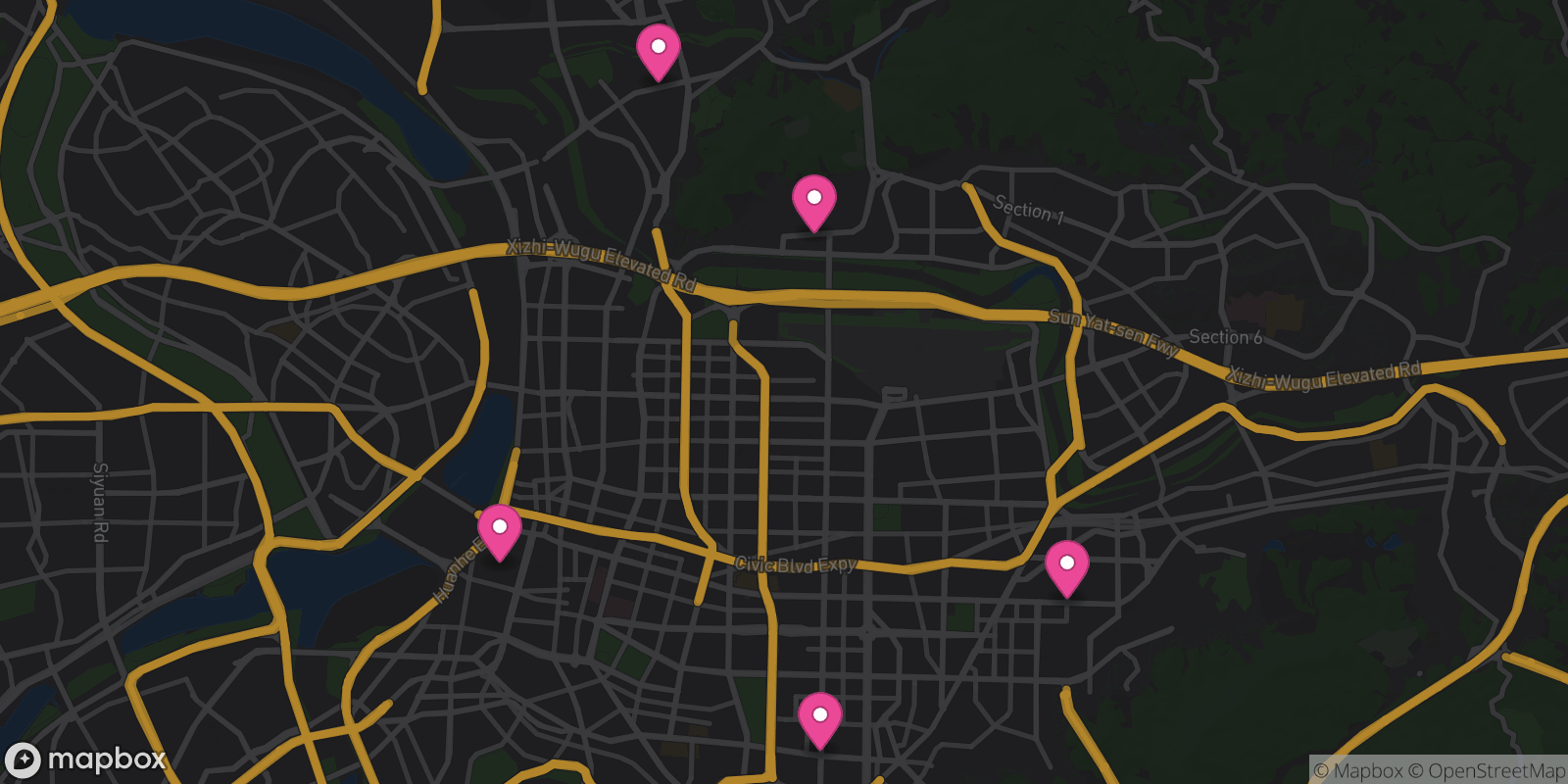
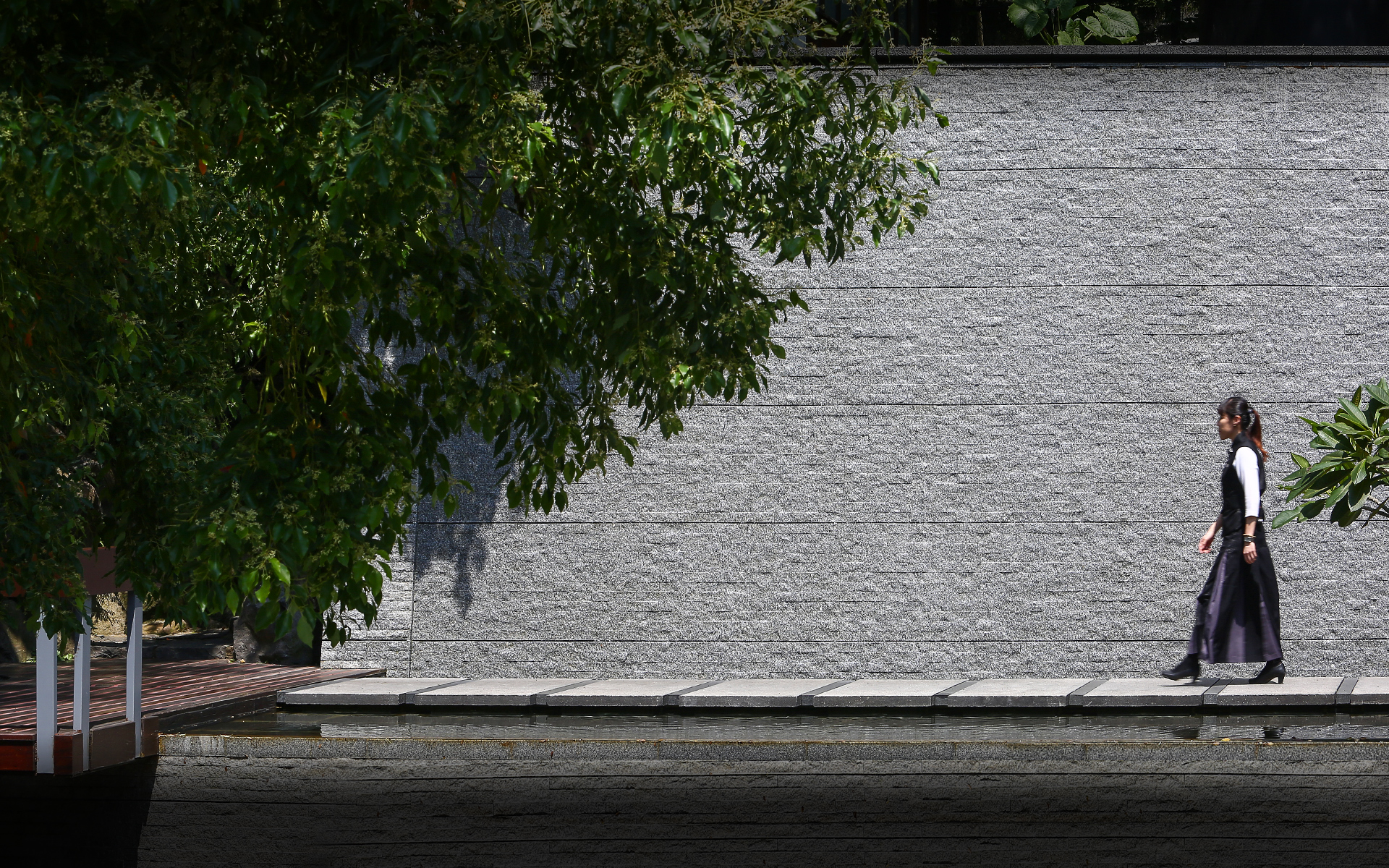
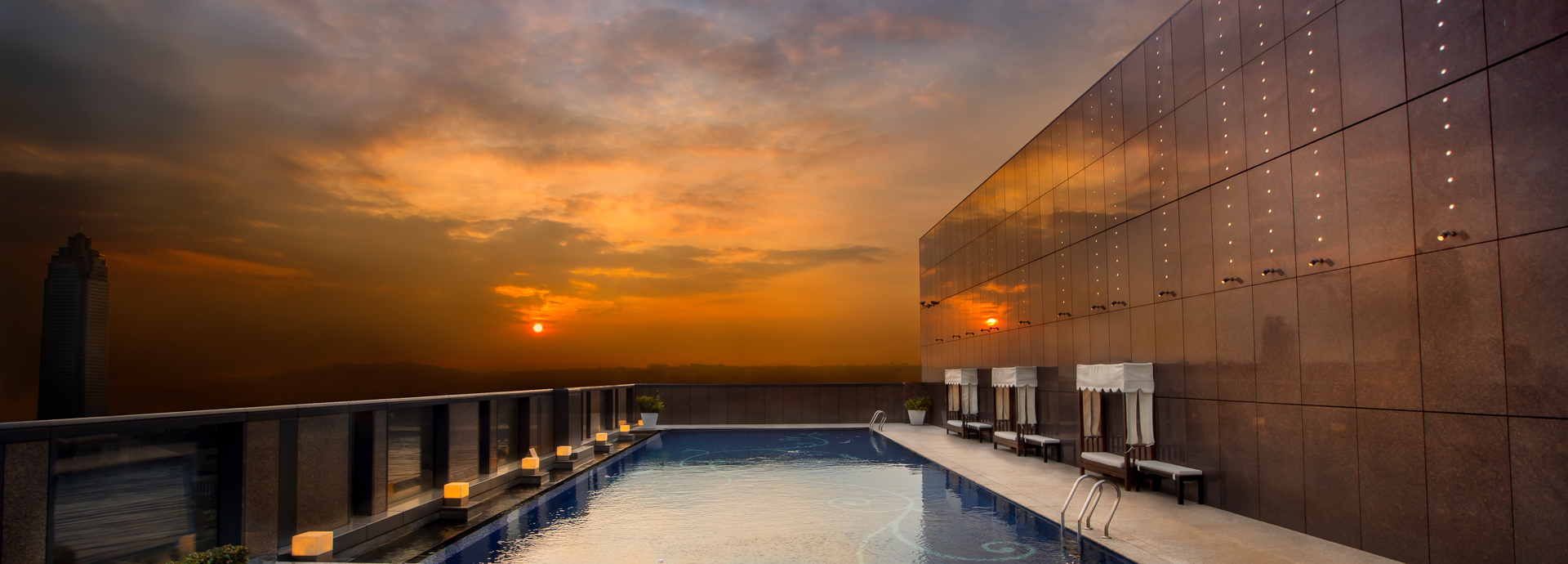
Where to Stay in Taipei
2 recommended properties
Money-Saving Tips
- 1.Night markets offer incredible meals for under $5 — skip expensive hotel restaurants and eat where locals do
- 2.EasyCard gives discounts on MRT rides and works at convenience stores for quick snacks and drinks
- 3.Happy hour at convenience stores runs 6-8 PM with buy-one-get-one deals on beer and coffee
- 4.Free WiFi is everywhere — 7-Eleven, MRT stations, and most cafes, so skip expensive international roaming
- 5.Temple visits are always free and offer beautiful architecture plus cultural insights
- 6.Public bathrooms in MRT stations and department stores are spotless and free — no need to buy drinks just for restroom access
- 7.Taipei 101 observation deck costs $20, but the free viewing area on the 35th floor of Taipei City Hall offers similar views
- 8.Local buses cost just $0.50 with EasyCard versus $8-15 for tourist hop-on-hop-off buses
Travel Tips
- •Download offline maps before arriving — Google Maps works perfectly in Taipei but burns through data quickly
- •Learn to use chopsticks properly — many street food vendors don't provide forks, and you'll miss out on the full experience
- •Carry tissues and hand sanitizer — public restrooms don't always stock toilet paper, especially at night markets
- •Book restaurants in advance for dinner — popular spots fill up by 6 PM, and walk-in waits can stretch over an hour
- •Dress in layers during winter months — indoor spaces blast heat while outdoor temperatures can drop to 50°F
- •Stay right on escalators and let people pass on the left — Taipei takes escalator etiquette seriously
- •Download the Taiwan Rail app for day trip planning — English interface and real-time schedules make it essential
- •Bring a portable phone charger — you'll use your phone constantly for translation, maps, and food photos
- •Pack comfortable walking shoes — you'll cover 15,000+ steps daily between MRT stations and night market wandering
- •Keep your EasyCard topped up with at least NT$200 — running out of credit during rush hour is frustrating