Middle East
Ancient crossroads where history, culture, and tradition converge dramatically
The Middle East hits different. Here's where you'll find 5,000-year-old ruins next to gleaming skyscrapers, where you can haggle in a Damascus souk in the morning and sip champagne on a Dubai rooftop by sunset. This isn't just a region—it's where civilization got its start, and every street corner tells that story.
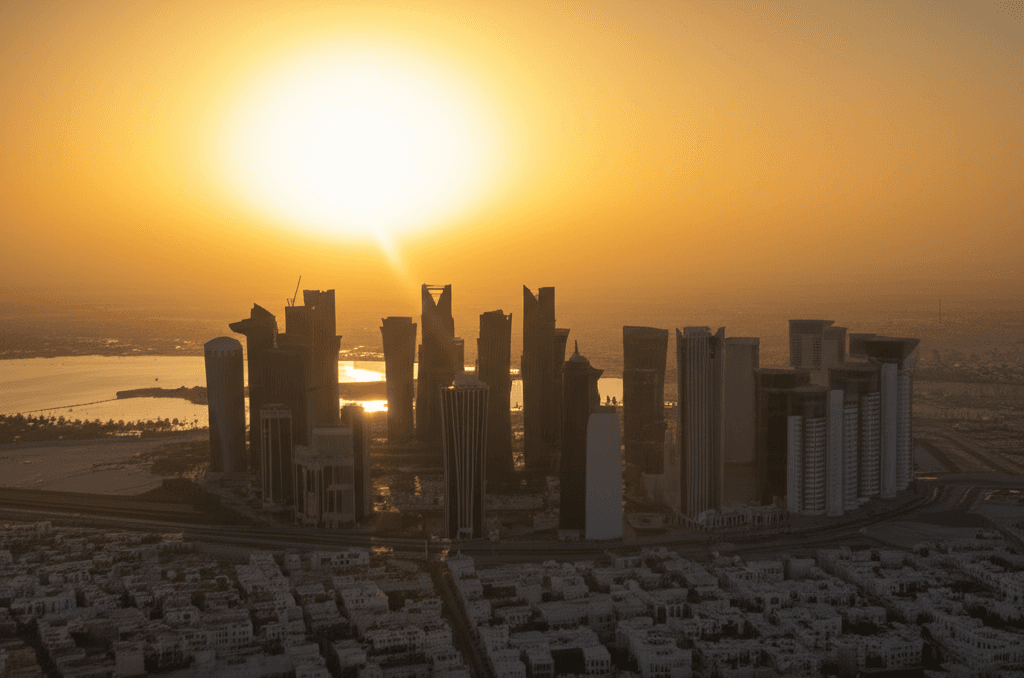
Look, the Middle East gets a bad rap in the news. But travel here and you'll discover some of the world's most hospitable people, jaw-dropping architecture that puts Instagram to shame, and food so good you'll question everything you thought you knew about flavor. From the ancient city of Jerusalem to the futuristic towers of Doha, this region serves up contrasts that'll give you whiplash—in the best possible way.
The logistics can be tricky. Visa requirements change faster than a Riyadh sandstorm, and yes, some areas require extra planning. But here's the thing: the payoff is enormous. You're not just visiting places—you're walking through the birthplace of three major religions, standing where empires rose and fell, tasting cuisine that influenced the entire world.

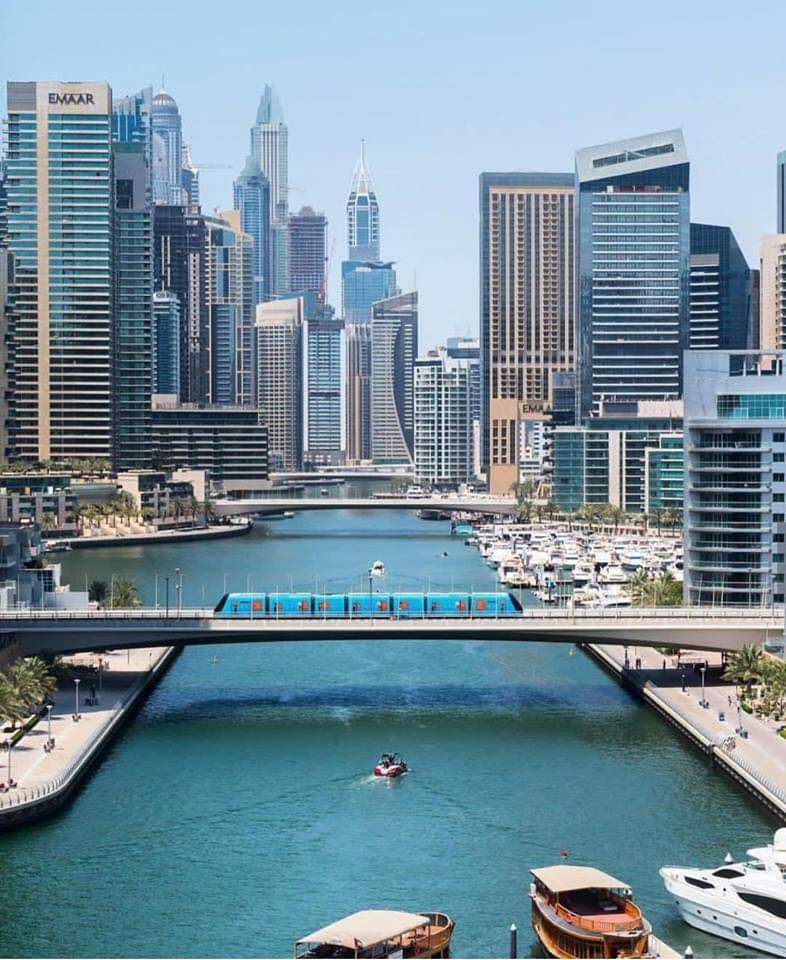
Explore the Region
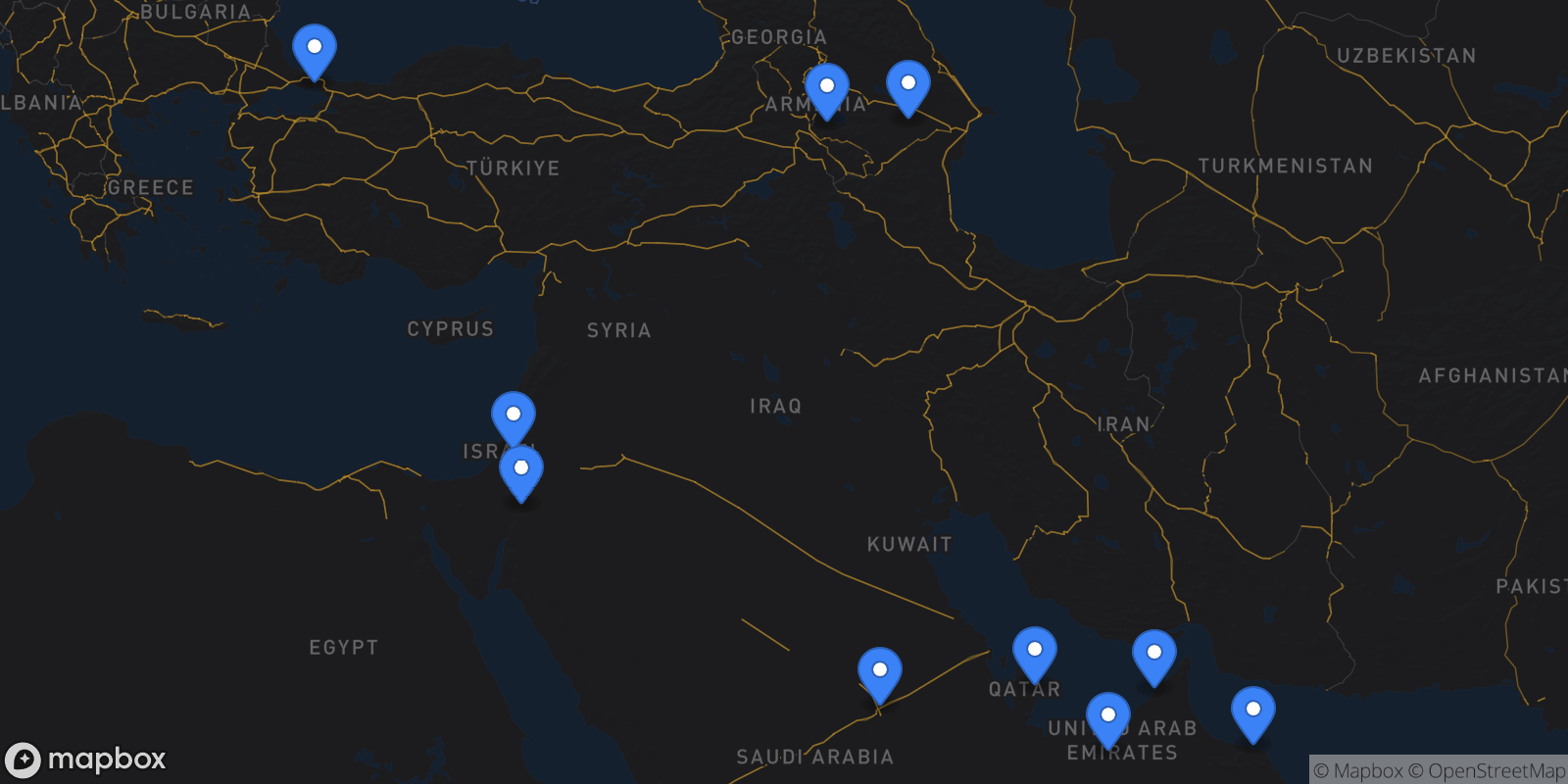
Middle East Itineraries
View all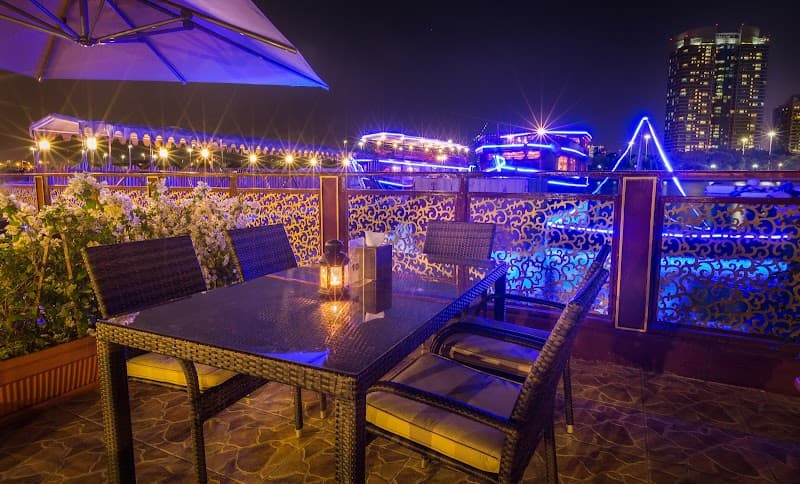
Romantic Abu Dhabi: Culture, Coastline, and Sunset Dining
Weekend · $$
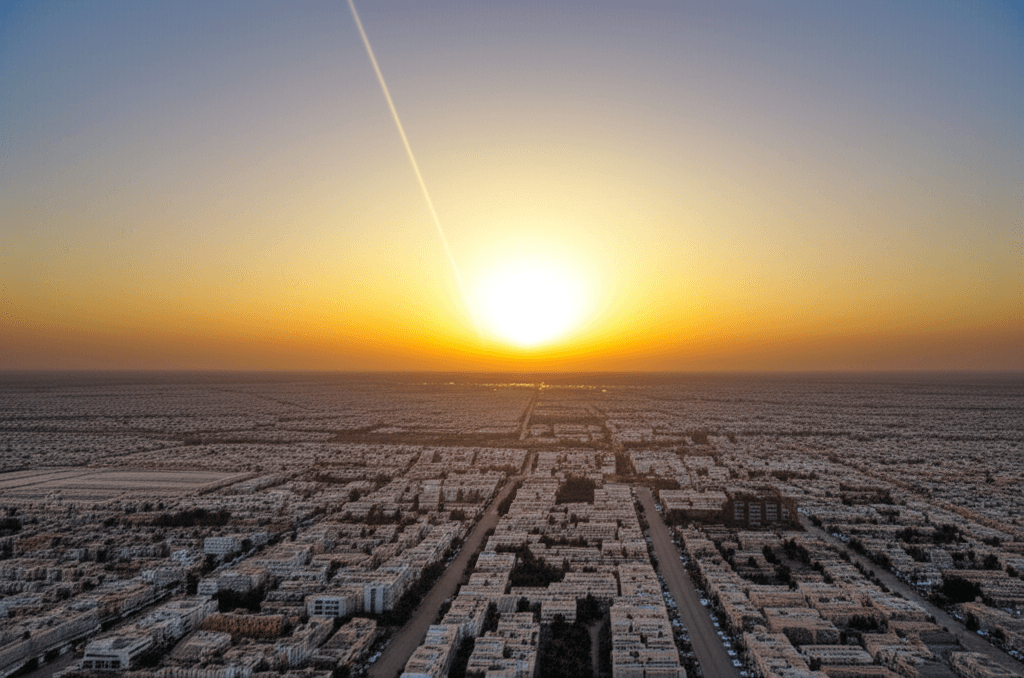
Red Sea Relaxation & Culture in Jeddah
Weekend · $$$
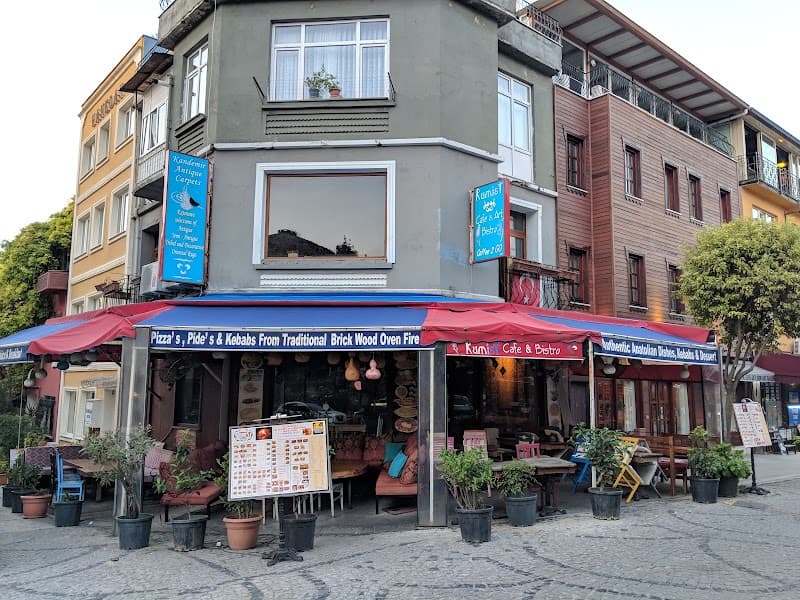
Seven-Day Family Discovery of Istanbul’s Two Continents
Week · $$$
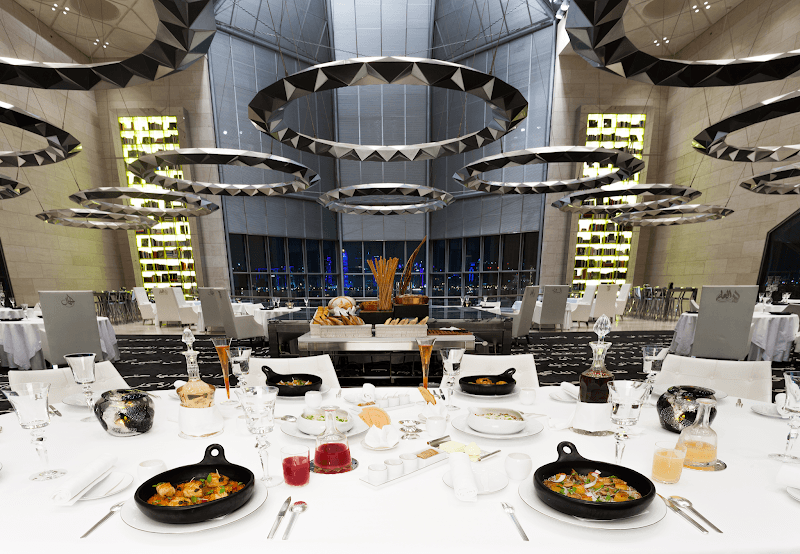
Doha Culture, Corniche Views, and Souq Nights
Weekend · $$$
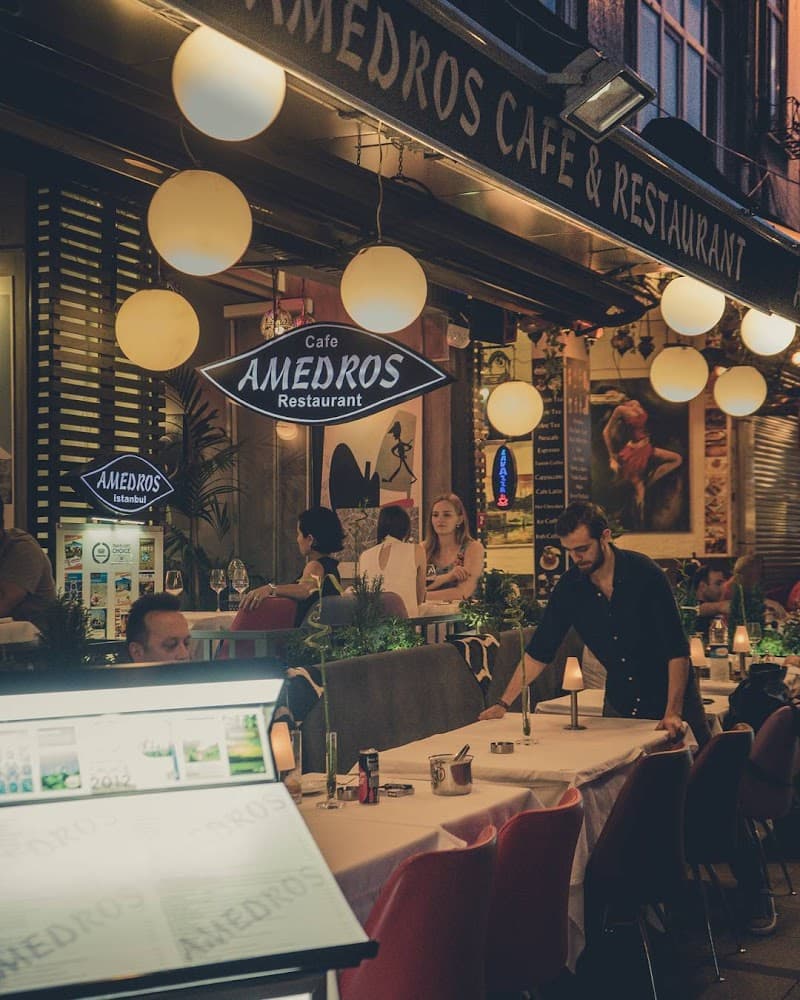
Classic Istanbul: Byzantine Grandeur, Bosphorus Views, and Gluten-Free Dining
Weekend · $$$
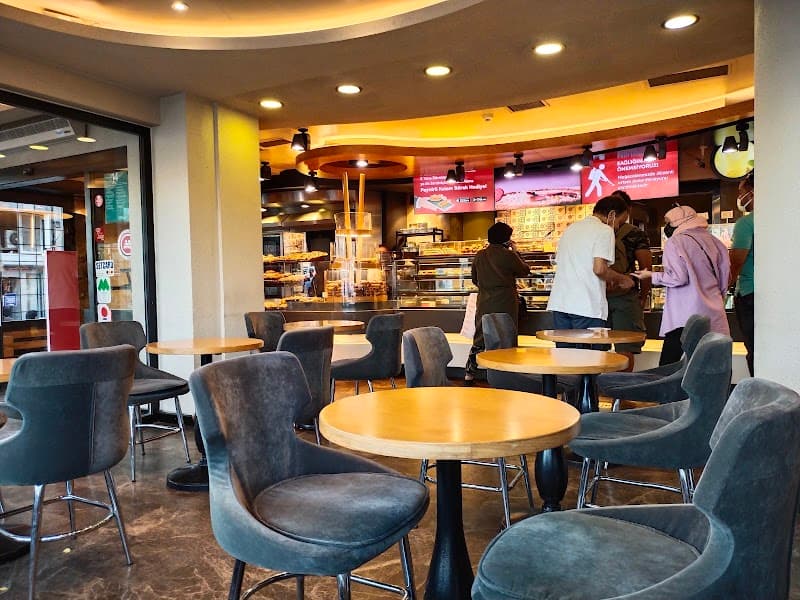
Eight Slow Days in Istanbul on a Shoestring
Weekend · $
Money-Saving Tips
- 1.Haggle in traditional markets but not in malls—vendors expect negotiation in souks, starting at 30-40% of the asking price
- 2.Use local currency when possible; USD and EUR are widely accepted but you'll get better rates with dirhams, lira, or rials
- 3.Tipping varies by country: 10-15% in restaurants in Dubai and Israel, round up in Turkey, minimal tipping expected in Iran
- 4.Friday prayers affect business hours across the region—many shops close 11 AM-2 PM, plan accordingly
- 5.Airport duty-free in Dubai and Doha offers genuine savings on electronics and perfumes, but skip the gold unless you know jewelry
- 6.Local SIM cards cost $10-20 and save massive roaming charges—buy at airports or phone shops, not tourist areas
- 7.Ramadan brings evening food deals and special menus, but daytime restaurant options become limited
- 8.Credit cards work everywhere in Gulf states and Israel, but carry cash in Syria, Iran, and rural areas of other countries
Travel Tips
- •Download offline maps before arriving—GPS can be spotty in older city centers and desert areas
- •Dress codes matter: cover shoulders and knees at religious sites, pack a scarf for mosque visits regardless of gender
- •Learn basic Arabic greetings—'Salam alaikum' and 'Shukran' open doors and hearts throughout the region
- •Avoid public displays of affection in conservative areas; holding hands is generally okay, kissing is not
- •Check passport stamp restrictions—Israeli stamps can prevent entry to some Arab countries
- •Carry toilet paper and hand sanitizer—not all public restrooms are well-stocked
- •Friday is the weekend in most Muslim countries, but Israel observes Saturday Sabbath—plan museum visits accordingly
- •Photograph restrictions are common near government buildings, military sites, and some religious locations
- •Tap water is safe in Israel and Gulf states, bottled elsewhere—a $1 bottle can save days of stomach issues
- •Power outlets vary by country—bring a universal adapter or buy one locally for $5-10