DISTRICT GUIDE
Ajmer
Sacred Sufi shrine city in Rajasthan's heart
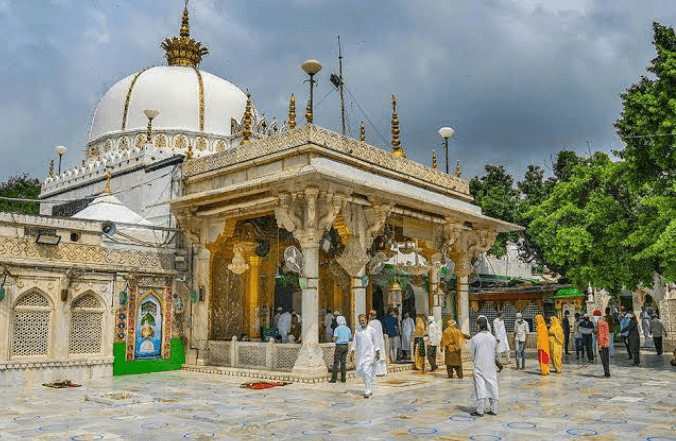
Most travelers rush past Ajmer on their way to Pushkar, missing one of Rajasthan's most spiritually significant cities. This isn't the palace-hopping Rajasthan of guidebooks. Here, pilgrims from across the world gather at the tomb of Sufi saint Moinuddin Chishti, creating an atmosphere that's both sacred and surprisingly welcoming to outsiders.
The city sits in a valley surrounded by the Aravalli Hills, about three hours southwest of Jaipur. You'll find fewer touts and more authentic experiences than in Rajasthan's tourist hotspots. But don't expect luxury resorts or Instagram-perfect palaces. Ajmer rewards travelers seeking cultural depth over creature comforts.
Ajmer's story centers on one man: Moinuddin Chishti, a 12th-century Sufi saint whose teachings of love and tolerance still draw millions of pilgrims annually. The Mughal emperor Akbar walked barefoot from Agra to Ajmer to pray at the saint's tomb - a 350-kilometer journey that speaks to the shrine's importance.
The Chauhan Rajputs founded the city in the 7th century, but it was under Muslim rule that Ajmer became a major pilgrimage center. The British later established Mayo College here in 1875, creating an odd juxtaposition of colonial architecture against ancient Islamic monuments.
Today, the Ajmer Sharif Dargah remains one of India's most important Sufi shrines. People of all faiths visit to tie threads at the marble lattice screens and offer rose petals at the saint's tomb. The annual Urs festival in the seventh Islamic month draws over a million devotees.
Money-Saving Tips
- 1.Stay in budget guesthouses near the dargah for ₹800-1,200 per night instead of hotels
- 2.Eat at local dhabas like Honeydew Restaurant near the railway station - full meals cost ₹150-200
- 3.Take state buses instead of private ones to save 20-30% on intercity travel
- 4.Buy rose petals and chadar (cloth offerings) from shops outside the dargah - they're cheaper than inside
- 5.Visit during weekdays to find better accommodation rates and fewer crowds
- 6.Use shared auto-rickshaws (₹5-10 per person) instead of private ones for short distances
Travel Tips
- •Remove shoes before entering the dargah and wear thick socks - marble floors get extremely hot
- •Dress conservatively with long pants and covered shoulders, especially at religious sites
- •Keep your belongings secure in the crowded dargah area - pickpocketing can occur
- •Learn basic Hindi phrases - English isn't widely spoken outside hotels
- •Carry cash as many local shops and restaurants don't accept cards
- •Respect photography restrictions inside the main tomb chamber
- •Try the famous Ajmeri kalakand (milk sweet) from shops near the dargah
- •Book accommodation in advance during Urs festival (dates vary by Islamic calendar)
Frequently Asked Questions
Yes, Ajmer welcomes visitors of all faiths. The Sufi tradition emphasizes tolerance and love for all people. Many Hindu and Sikh pilgrims visit the dargah regularly, and tourists are treated with respect when they follow local customs and dress codes.