
Chennai
Tamil heritage thrives in India's bustling cultural gateway
Chennai hits you with the scent of jasmine and filter coffee before you've even left the airport. This sprawling metropolis on India's southeastern coast serves as the gateway to Tamil Nadu, where 2,000-year-old temples share streets with tech offices and classical dancers perform next to beach volleyball courts. The city pulses with Tamil pride — you'll hear more Tamil than Hindi here, see more lungis than kurtas, and taste South Indian flavors that put the rest of the country to shame. Marina Beach stretches for 13 kilometers, making it one of the world's longest urban beaches, while neighborhoods like Mylapore preserve centuries-old traditions. But Chennai isn't stuck in the past. It's India's Detroit, cranking out cars for global brands, and its IT corridor rivals Bangalore's. The result? A city where classical music concerts happen in air-conditioned auditoriums and street food vendors accept digital payments.
Best Months
JAN · FEB · MAR · NOV · DEC
~30°C · moderate crowds
Culture & Context
CARNATIC MUSIC & COFFEE
Chennai was called Madras until 1996 and still gets called that by many locals who are completely unapologetic about it. It is the capital of Tamil Nadu and the main gateway to South India for good reason. Tamil is one of the world's oldest living classical languages, and Chennaiites are deeply proud of that fact.
The city has a strong identity around Carnatic classical music, Bharatanatyam dance, and ancient Dravidian temple architecture. It is also a serious IT and automobile manufacturing hub, which means you get this very particular Chennai mix: engineers in the morning, sabha concerts at night, and filter coffee holding it all together. The filter kaapi here is not a trend.
It is a ritual. Expect to be offered it constantly and accept it. The city runs on a different frequency than Mumbai or Delhi.
Less chaotic on the surface, but very much its own confident thing. Religion is woven into daily life in ways that feel completely natural rather than performative. Temple bells in the morning, flower garlands at front doors, kolam (rice flour patterns) drawn on doorsteps before sunrise.
Respect that and people will be warm and generous with you.
Local Customs
TEMPLE RULES, RIGHT HAND
Remove footwear before entering any temple. Always. There are shoe racks outside — use them.
Wearing slip-ons makes your day much easier.. Cover shoulders and knees at temples. The Kapaleeshwarar Temple in Mylapore and Parthasarathy Temple in Triplicane both enforce dress codes.
Jeans are sometimes flagged too, so a cotton salwar or loose trousers are your best bet.. Accept prasad (temple offerings) and food with your right hand. Left hand is considered unclean in this context..
Don't point your feet toward deities or elders while sitting on the floor. Tuck your legs to the side instead.. Do NOT drink tap water.
Ever. This is not optional. Use sealed bottled water even for brushing teeth if your stomach is sensitive.
Ice, cut fruit, and washed salads from unknown kitchens can cause trouble faster than anything else.. The sideways head wobble means yes, acknowledgment, or 'I understand.' It is not confusion.
Once you spot it, you will see it everywhere.. Eating with your right hand at a banana leaf meal is customary and genuinely enhances the experience. The servers will keep piling food on your leaf until you say 'podhum' (enough).
Say it when you mean it.. When leaving someone's home or wrapping up a conversation, say 'poyittu varen' rather than just goodbye. It literally means 'I'll go and come back' and reflects a cultural belief that declaring you are simply leaving is inauspicious..
Bargain with auto drivers if you are not using an app. Some will quote triple the going rate for anyone who looks like a tourist. Ola Auto and Rapido with fixed pricing are far less stressful..
During the December Margazhi music season (mid-December through mid-January), dress more conservatively when attending sabha concerts. Audiences take the music seriously.
Safety
HEAT & WATER MATTER
Chennai is generally manageable and rewards travelers who pay attention. Violent crime against visitors is not the main worry. The real concerns are heat, stomach bugs, auto overcharging, and getting genuinely lost in traffic.
Tap water is off-limits. Full stop. Drink sealed bottled water, avoid ice from unknown sources, and be careful with cut fruit from street vendors. Many travel health problems in Chennai start as food or water problems, not crime.
The heat is serious. Temperatures can be uncomfortable for most of the year, and summers are punishing. Carry water constantly, use sunscreen, wear light cotton, and schedule outdoor sightseeing before 10am or after 4pm. The best weather for visiting is November to February (20-28°C).
Use Ola or Uber from the airport rather than negotiating with random drivers when you are tired and carrying luggage. Prepaid taxi counters at the airport are also fine.
Daytime across most of the city feels safe. Eighty-eight percent of residents and visitors report feeling completely safe during daylight hours. After dark, stick to well-lit, populated areas. Avoid Puzhal and Perambur late at night. Solo female travelers particularly should use metro and app cabs rather than walking or using unbooked autos in isolated areas after 11pm.
Petty theft is the most common issue — watch your bags in crowded markets like T. Nagar and on busy public transport. Keep your passport at the hotel and carry a photo of it instead.
On the beach at Marina, be aware of photo scams — strangers who offer to take your photo and then demand payment.
Getting Around
METRO & APP AUTOS
The Chennai Metro is your best friend. Two lines currently operating: the Blue Line (Wimco Nagar to Airport, 26 stations, 32.6km) and the Green Line (Chennai Central to St. Thomas Mount). Fares run ₹5-₹50 depending on distance, and the metro runs 5am to 11pm. A Tourist Card costs ₹250 for unlimited one-day travel or ₹550 for three days, plus a ₹60 refundable deposit. The Metro connects the international airport directly to the city centre — it is the cheapest and most reliable airport transfer. The nearest station to Marina Beach is Government Estate on the Blue Line (then a short auto ride). For T. Nagar shopping, get off at Nandanam and take an auto to Panagal Park.
Auto-rickshaws cover everywhere the metro doesn't. Short city-centre trips cost ₹50-₹100; longer cross-city rides run ₹150-₹300. The meters exist but negotiating a fare upfront is standard. Ola Auto and Rapido offer app-based booking with fixed pricing — strongly recommended for anyone not familiar with local fare norms. Ola and Uber taxis are widely available, with a standard sedan run from the city centre to Mylapore or Marina Beach running ₹150-₹250. Airport transfers from central Chennai cost ₹400-₹600.
The MTC bus network runs 4,000+ buses on 622 routes, with a one-way ticket at ₹30. The new Chennai One government app (launched September 2025) integrates metro, buses, suburban trains, and autos into a single QR ticket platform. It is a real improvement, though user reviews flag that live bus tracking and timetable features still need work. Download it but keep Ola as a backup.
Peak hours are 7-10am and 5-8pm. Traffic is brutal during those windows. Plan around it or budget extra time. July 2026 should see 220 new AC electric feeder buses launching from metro stations to extend last-mile connectivity.
Useful Phrases
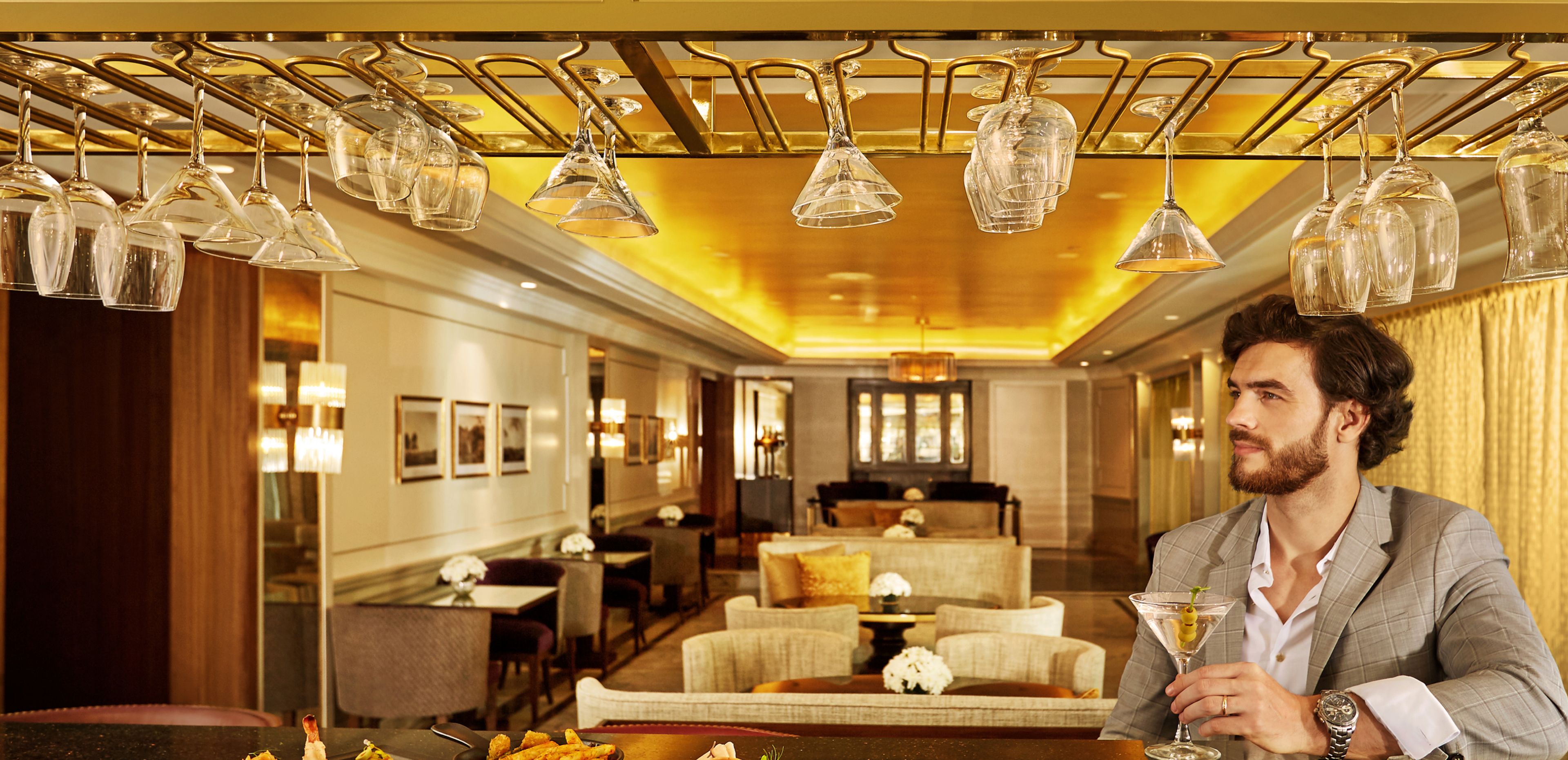
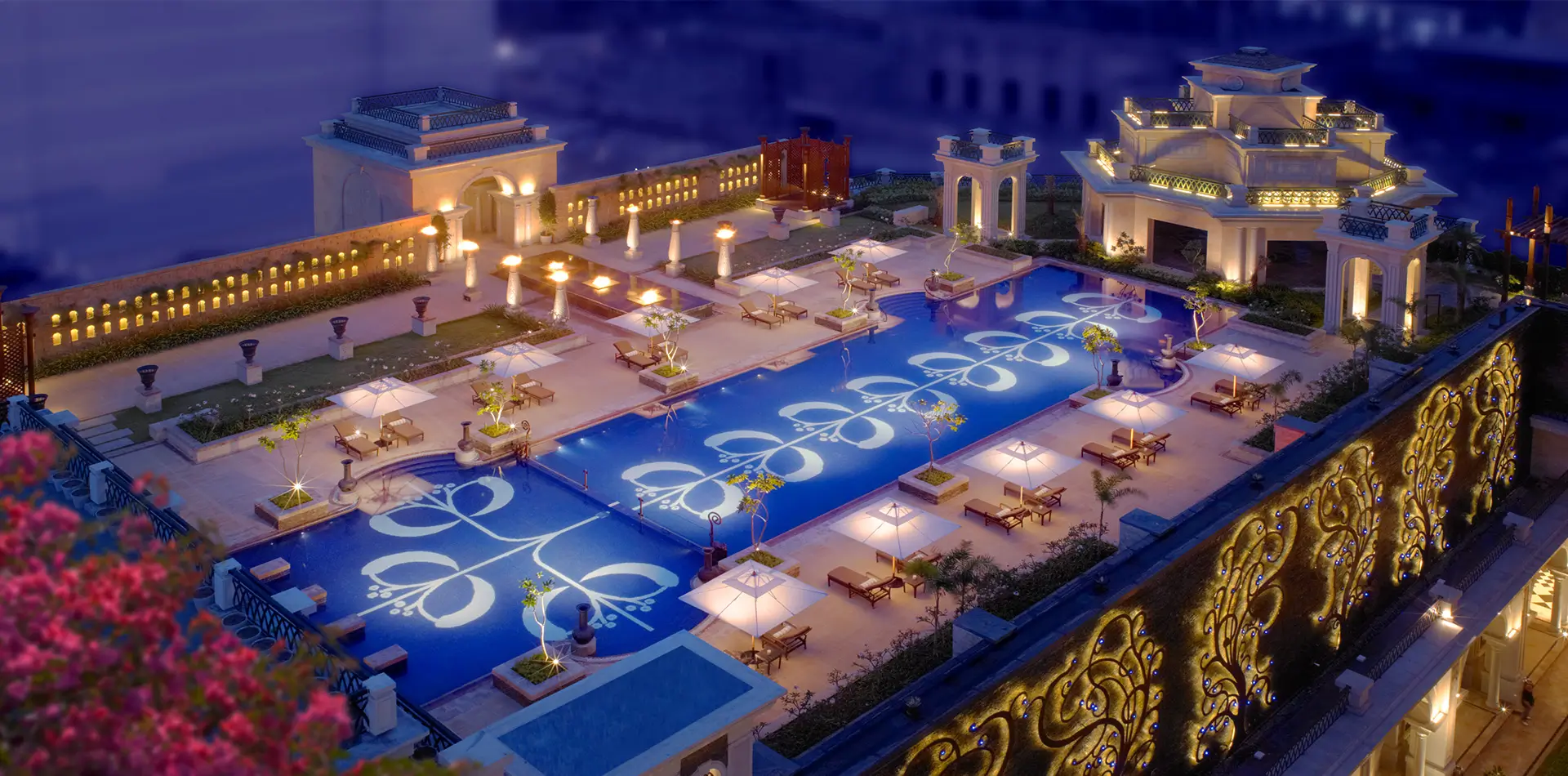
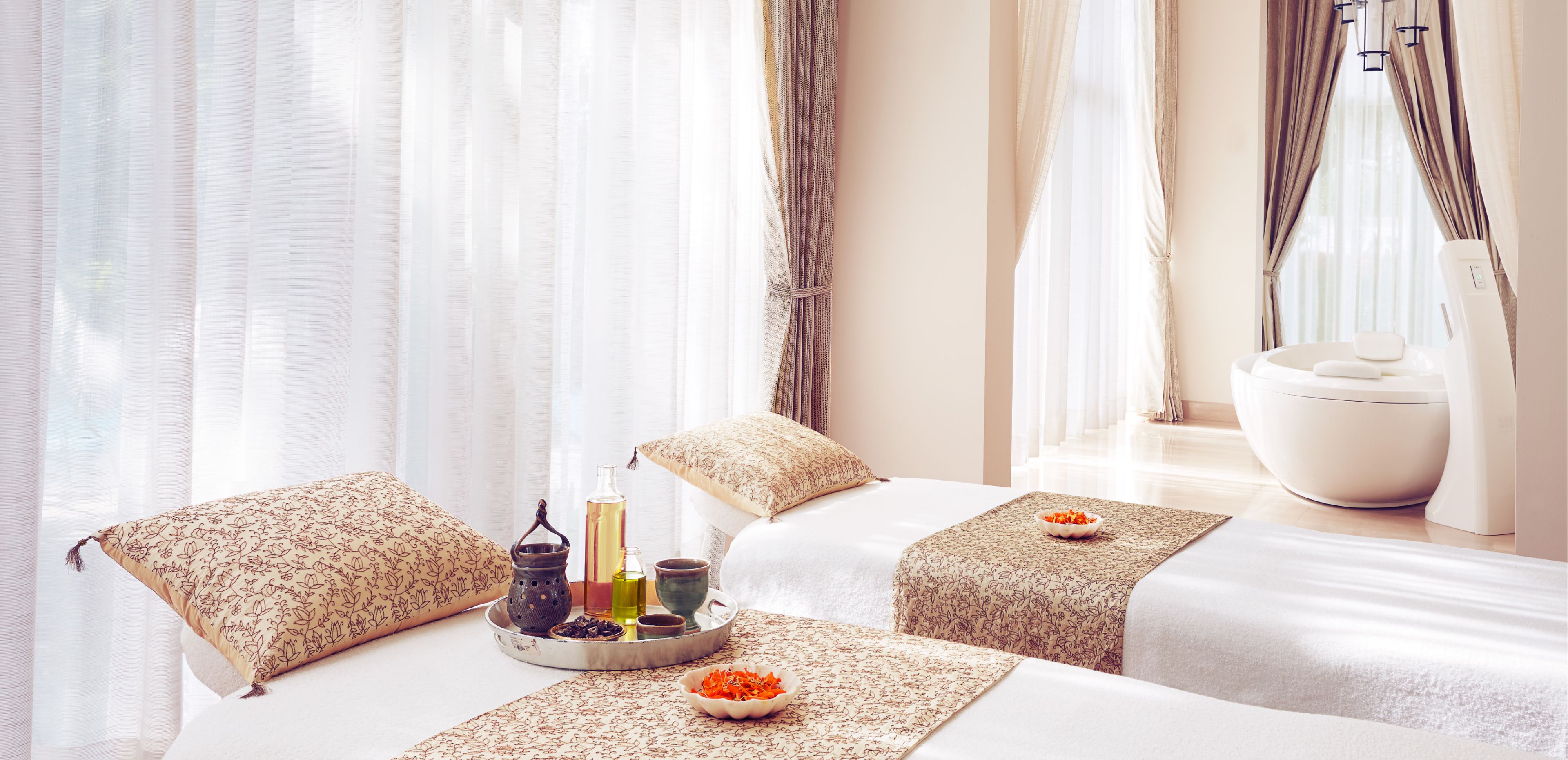
Where to Stay in Chennai
3 recommended properties
Money-Saving Tips
- 1.Book trains through the IRCTC app in advance — last-minute tickets can cost 3x more
- 2.Eat at local mess halls instead of hotel restaurants to save 70% on meals
- 3.Use Chennai Metro day passes (₹100) if you're temple hopping across the city
- 4.Shop for silk sarees in T. Nagar's wholesale markets rather than tourist-focused stores
- 5.Carry cash for street food and auto-rickshaws — many don't accept digital payments
- 6.Visit temples early morning to avoid both crowds and paid fast-track entry fees
- 7.Book accommodations outside festival seasons to save 30-50% on room rates
- 8.Use government-run TTDC buses for day trips — they cost half of private operators
Travel Tips
- •Download Google Translate with Tamil language pack — most signs are in Tamil script
- •Carry tissues and hand sanitizer — public restrooms vary wildly in cleanliness
- •Dress conservatively when visiting temples — shoulders and knees must be covered
- •Remove shoes before entering temple premises and keep the receipt safe
- •Avoid street food near Marina Beach during monsoon season due to contamination risks
- •Book classical music concerts online during December-January season — they sell out fast
- •Keep ₹10-20 coins handy for temple donations and small purchases
- •Use ride-sharing apps late at night rather than flagging down autos on the street
- •Carry an umbrella year-round — Chennai's weather changes without warning
- •Learn basic Tamil greetings — locals appreciate the effort and become more helpful