
Darjeeling
Himalayan hill station famous for tea and sunrise
Darjeeling sits at 6,700 feet, clinging to Himalayan slopes where mist rolls through tea gardens and the toy train chugs past colonial-era buildings. This West Bengal hill station built its reputation on two things: some of the world's finest tea and sunrise views over Kanchenjunga that'll make you forget about your phone for a solid ten minutes.
The British turned this into their summer escape in the 1800s, and you can still feel that colonial hangover in the architecture along Mall Road. But look closer and you'll find Tibetan prayer flags fluttering above Nepali momos shops, Buddhist monasteries tucked between Victorian houses, and locals who speak four languages before breakfast.
Sure, it gets crowded during peak season and the roads are steep enough to test your car's brakes. But when morning fog lifts off those emerald tea terraces and you're sipping a proper cup of Darjeeling while watching the sun paint the mountains gold? That's when this place earns its reputation.
Best Months
MAR · APR · MAY · OCT · NOV
~19°C · peak crowds
Culture & Context
LAYERED HIMALAYAN CULTURES
Darjeeling is a mashup of cultures that have been layered on top of each other for two centuries. The majority of residents are Gorkha/Nepali, with significant Tibetan, Lepcha, and Bengali communities alongside them. You'll see Hindu temples and Buddhist monasteries within walking distance of each other, sometimes sharing the same hilltop.
The British left behind sturdy stone buildings, an obsessive love for tea, and an equally obsessive love of football — locals here track Premier League results the way some cities track cricket. The name itself comes from the Tibetan "Dorjeling," meaning "place of the thunderbolt." It served as the summer capital during the British Raj.
That colonial chapter is still visible in the architecture along Mall Road, in the missionary schools, and at places like the Windamere Hotel. But the town's identity today is firmly Gorkha, which matters — there's been a long-running political movement for a separate Gorkhaland state. Political situations can shift, so check news before travel.
Most visits are completely trouble-free, but it's worth knowing the background.
Local Customs
SHOES OFF, FOOTBALL PASSION
Remove your shoes before entering any monastery or temple — no exceptions, and it applies to the famous Ghoom/Yiga Choeling Monastery too.. Photography inside most monasteries requires permission from the monks. Just ask — most will say yes, but don't assume..
Bargaining is expected and normal at Chowk Bazaar and with market hawkers on Mall Road. Don't bargain at fixed-price tea shops or heritage stores like Nathmull's and Golden Tips.. Respect prayer flags — don't walk under them or touch them casually.
They're not decorations.. Football is serious here. If a match is screening at Hawa Ghar on Chowrasta, the atmosphere rivals any stadium.
Join in if you're a fan.. Mornings are sacred for mountain views. Clouds roll in by 10am most days, so plan Tiger Hill and any outdoor photography early..
Taxis are not allowed into the Mall/Chowrasta area. You walk the last stretch from Gandhi Road. Don't argue with the driver about this..
Dress modestly at religious sites. A light shawl or scarf is useful to carry.
Safety
SAFE, ALTITUDE AWARE
Darjeeling is generally safe and well-set-up for tourism. Solo travelers, including solo women, move around freely on Mall Road and Nehru Road without issue. After dark, stick to the lit and populated areas around the center rather than walking alone on unlit lanes on the hillsides.
Local police emergency number is 100. The Gorkhaland political movement has historically disrupted tourism during periods of agitation — these situations are unpredictable and can mean road closures and shutdowns. Check news before travel and keep an eye on local developments if you're visiting during politically sensitive periods.
Altitude is real here. Darjeeling sits at around 2,042 meters (6,700 feet). Take it easy on day one, especially if you're coming directly from sea level.
Headaches on arrival are common. The approach roads are narrow and winding — if you're prone to motion sickness, take medication before the jeep ride up from NJP or Bagdogra.
Getting Around
SHARED JEEPS & TOY TRAIN
The nearest airport is Bagdogra (about 71km away), which handles flights from Kolkata, Delhi, and other major Indian cities. A private taxi from Bagdogra costs ₹2,500–4,000. Shared cabs run for ₹400–800 per person.
From New Jalpaiguri (NJP) railway station — the main rail gateway — shared jeeps cost ₹200–300 per person and are perfectly comfortable. Within Darjeeling, shared jeeps run fixed routes between the town and Ghoom. Taxis for local sightseeing run fixed rates; sharing with other travelers cuts costs significantly.
The Toy Train (Darjeeling Himalayan Railway, UNESCO World Heritage Site) runs a joy ride from Darjeeling station to Ghoom and Batasia Loop — about a 2-hour round trip. Pre-book on IRCTC, especially in peak season. Book the steam engine over the diesel if given a choice.
It costs more but the experience is a different thing entirely. Private taxis are not allowed on the Mall/Chowrasta. The taxi stand is at the Gandhi Road junction, and the last 5–7 minutes is on foot uphill along Nehru Road.
Useful Phrases
Darjeeling Itineraries

Things to Do in Darjeeling
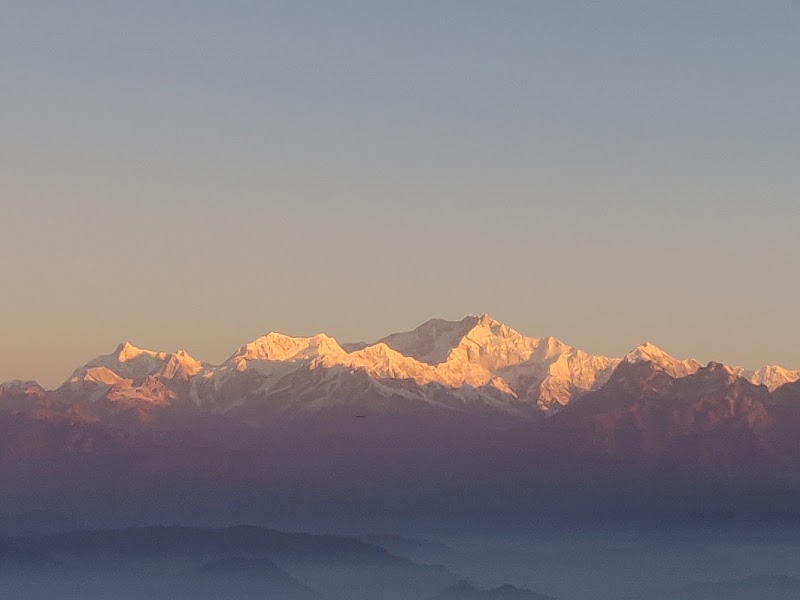
Tiger Hill Sunrise (with quiet side viewpoint)
Tiger Hill · 150 minMoney-Saving Tips
- 1.Book accommodation 2-3 months ahead for March-May season to avoid inflated last-minute rates
- 2.Buy tea directly from estates like Happy Valley or Glenburn rather than tourist shops on Mall Road
- 3.Share taxis with other travelers for day trips – private vehicles cost 3-4x more
- 4.Eat at local joints like Kunga or Hasty Tasty instead of hotel restaurants to cut food costs in half
- 5.Visit during October-November for 30% cheaper hotels and clearer mountain views
Travel Tips
- •Pack warm clothes even in summer – temperatures drop 10°C after sunset at this altitude
- •Start Tiger Hill sunrise trips at 4 AM sharp – later departures miss the best light
- •Carry cash – many tea gardens and local restaurants don't accept cards
- •Book toy train tickets online in advance during peak season to avoid disappointment
- •Acclimatize gradually if coming from sea level – the 6,700-foot altitude affects some visitors