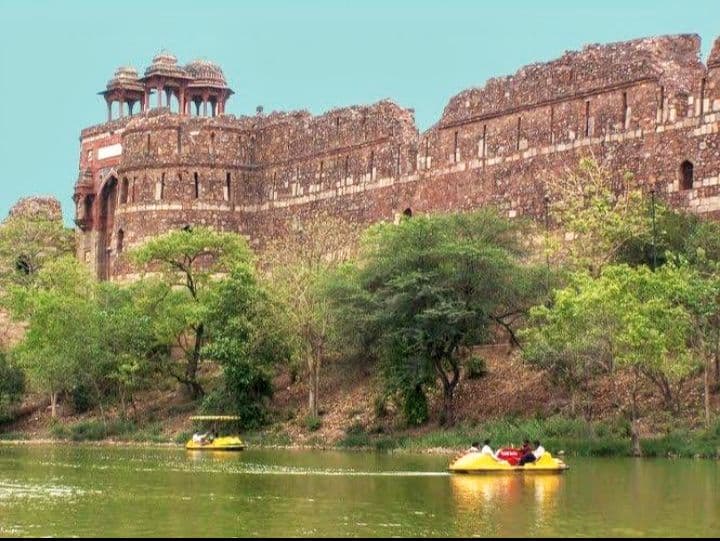
New Delhi
India's chaotic capital where ancient meets modern magnificently
New Delhi hits you like a sensory overload wrapped in 1,000 years of history. One minute you're dodging auto-rickshaws on Chandni Chowk, the next you're standing in the shadow of the Red Fort where Mughal emperors once ruled. This isn't just India's capital—it's a city where street vendors sell chaat next to government buildings, where ancient temples share streets with gleaming malls, and where every corner tells a different story. Sure, the traffic is legendary and the pollution real, but Delhi rewards the curious traveler with some of India's best food, most stunning architecture, and most authentic experiences. Just bring your patience and an empty stomach.
Best Months
JAN · FEB · MAR · OCT · NOV · DEC
~26°C · high crowds
Culture & Context
MUGHAL & MODERN COLLISION
Delhi doesn't ease you in gently. The city hits you the moment you step outside the airport — the heat, the horns, the sheer density of people and history occupying the same street. It operates on two timelines simultaneously.
Old Delhi is the Mughal capital: 17th-century mosques, narrow lanes where cycle-rickshaws have right of way over cars, and food markets that haven't fundamentally changed in centuries. New Delhi is the British-designed capital with its wide boulevards, government buildings, and a rapidly expanding cafe and restaurant scene. These two Delhis don't compete.
They coexist, and that tension is exactly what makes the city so compelling. Most tourists pass through quickly on their way to the Taj Mahal or Rajasthan. That's a mistake.
Delhi deserves at least 2-3 days on its own terms. The street food alone is worth the trip.
Local Customs
HAGGLE & HEAD WOBBLE
Remove shoes before entering any temple, mosque, or gurudwara — no exceptions. There are usually racks outside; leave them there.. Dress modestly at religious sites.
Both men and women should cover shoulders and knees. At Jama Masjid, women may be asked to wear a robe (available to rent at the entrance for a small fee).. Always negotiate prices in markets like Chandni Chowk, Sarojini Nagar, and Janpath.
Starting at 50% of the asking price is not rude — it's expected.. Never admit it's your first time in India. Touts specifically look for first-timers.
If asked, you've been before and you know the prices.. The Indian head wobble (a side-to-side tilt) means yes, acknowledgement, or 'I'm listening.' It does not mean no.
Once you learn to read it, you'll see it everywhere.. UPI payments (like Google Pay or PhonePe) are accepted almost everywhere, from auto-rickshaws to street food stalls. Having a local SIM linked to a payment app saves a lot of cash fumbling..
Carry ₹2,000–3,000 in cash at all times for tips, cycle-rickshaws, and vendors without a QR code.. Tap water in Delhi is not safe to drink. Buy large 1.
5L bottles from corner shops for ₹31 ($0.33) — not from inside tourist attractions where they're marked up significantly.. Visiting temples and mosques outside of prayer times is generally fine, but dress down and be respectful.
Qawwali performances at Nizamuddin Dargah happen every evening and are open to everyone — one of the most genuinely moving experiences in the city.
Safety
SCAMS OVER VIOLENCE
Delhi is not a dangerous city for tourists in the violent-crime sense, but it is one of the most scam-heavy cities in Asia. The difference matters. Violent incidents targeting tourists are genuinely rare. Getting financially scammed or wasting hours in a fake tourist office is extremely common if you're not prepared.
The scams to know: The 'hotel is closed' scam — a driver or official-looking person claims your booked hotel has shut down, flooded, or been condemned, then offers to take you somewhere better. It's almost never true. Call your hotel directly. The fake government tourist office scam — near Connaught Place, Janpath, and New Delhi Railway Station, touts direct you to offices that look official and sell overpriced tours or nonexistent packages. The only official India Tourism office is clearly listed on the government website. Auto-rickshaw overcharging — meters are frequently ignored. Use Uber Auto or Ola Auto for price transparency. The gem and carpet investment scam — a friendly local steers you toward a shop where 'export-quality' goods can supposedly be resold at home for profit. Walk away.
Don't say it's your first time in India. Don't follow strangers to secondary locations. Keep valuables in a cross-body bag with a zipper. Use women-only metro cars if you're a solo female traveler — they exist on every train and are clearly marked. Air quality in Delhi is worst November through January; an N95 mask is worth packing if you visit during those months. Emergency number: 112 (police, ambulance, fire). Tourist Police Delhi: +91-11-23374012. If you need to report an incident to police, always request a First Information Report (FIR) — without one, insurance claims become very difficult.
Getting Around
METRO DOMINATES
The Delhi Metro is the single best transport decision you can make. It's modern, air-conditioned, and covers the city well. Fares run ₹10-60 ($0.12-0.72) per trip depending on distance. Buy a Smart Card on arrival — it gives you a 10% discount on every journey and lets you skip the ticket queue. Day passes cost ₹100. The Airport Express Line from Terminal 3 at Indira Gandhi International Airport takes 19-20 minutes to New Delhi Railway Station and costs ₹60. It's faster than a taxi in traffic and a fraction of the price.
For everything the metro can't reach, use Uber or Ola. Both apps work well in Delhi, prices are shown upfront, and you avoid the auto-rickshaw overcharging problem entirely. Auto-rickshaws should cost ₹30-150 for short trips, but the meter is routinely ignored with tourists — always agree on a price before you get in, or book through an app.
Hiring a private driver for a full day runs $40-65 for a standard vehicle (Toyota Innova Crysta is the most common). For a jam-packed sightseeing day across spread-out monuments, this is often the most efficient option. Drivers and tour guides are separate roles — drivers are not permitted to act as guides inside monuments, so hire a licensed guide separately if you want depth.
Airport taxi scam warning: do not follow anyone at Delhi airport who offers to carry your bags or tells you there's a 'problem' with your pre-booked hotel. Call your hotel directly to verify. Take the Airport Express metro or pre-book a verified ride through Uber.
Useful Phrases
Explore Neighborhoods
Explore the Region

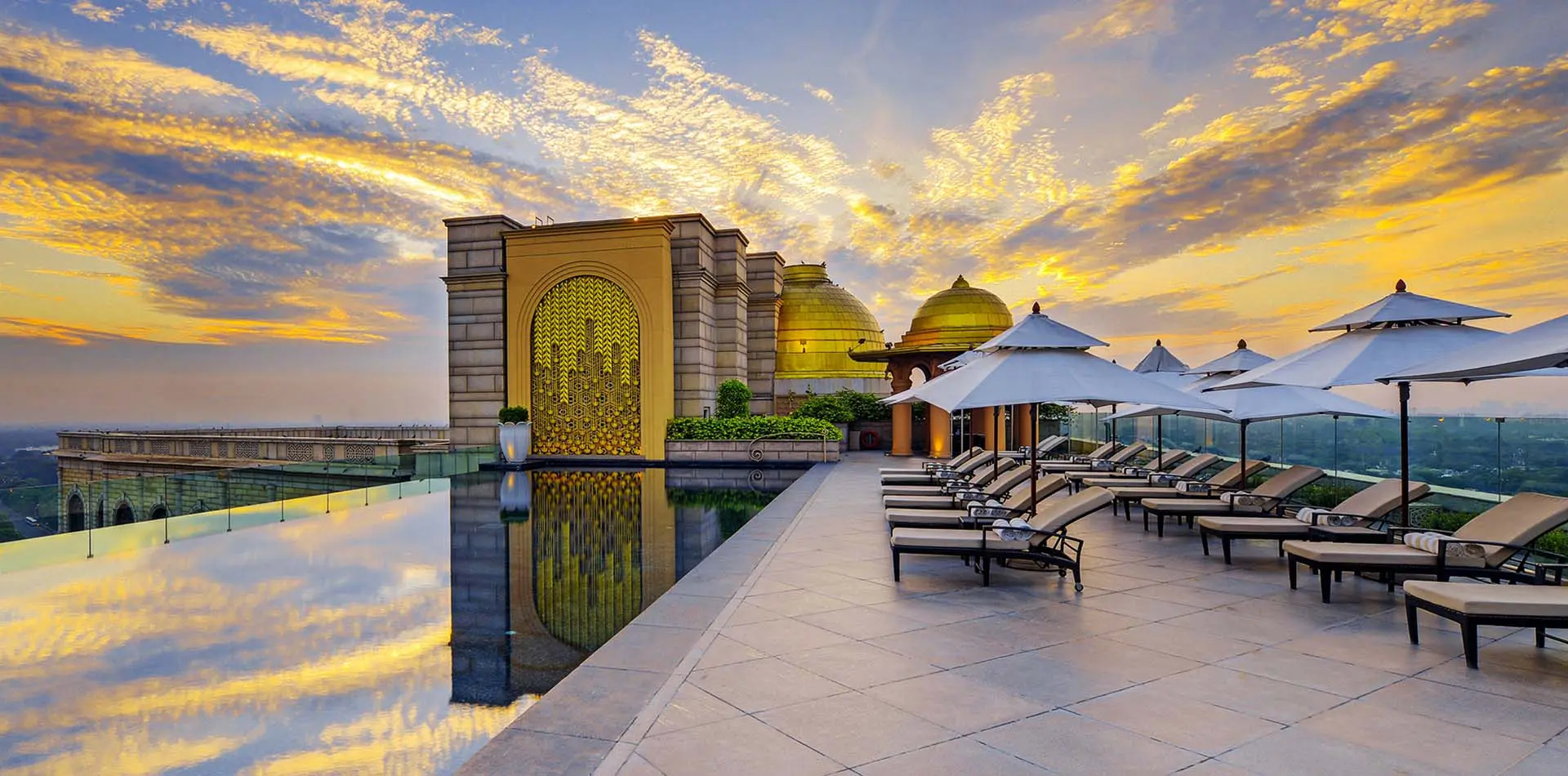
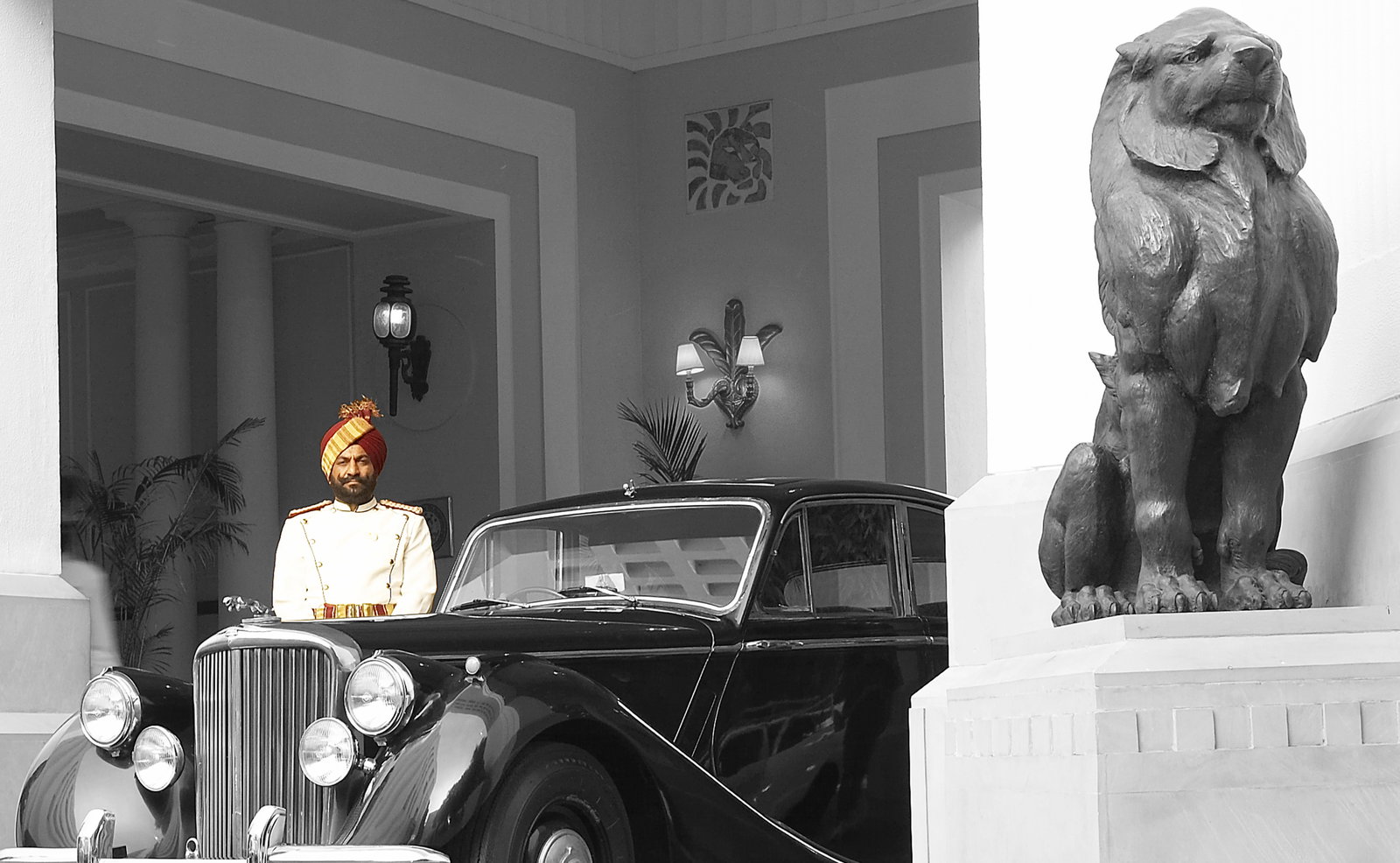
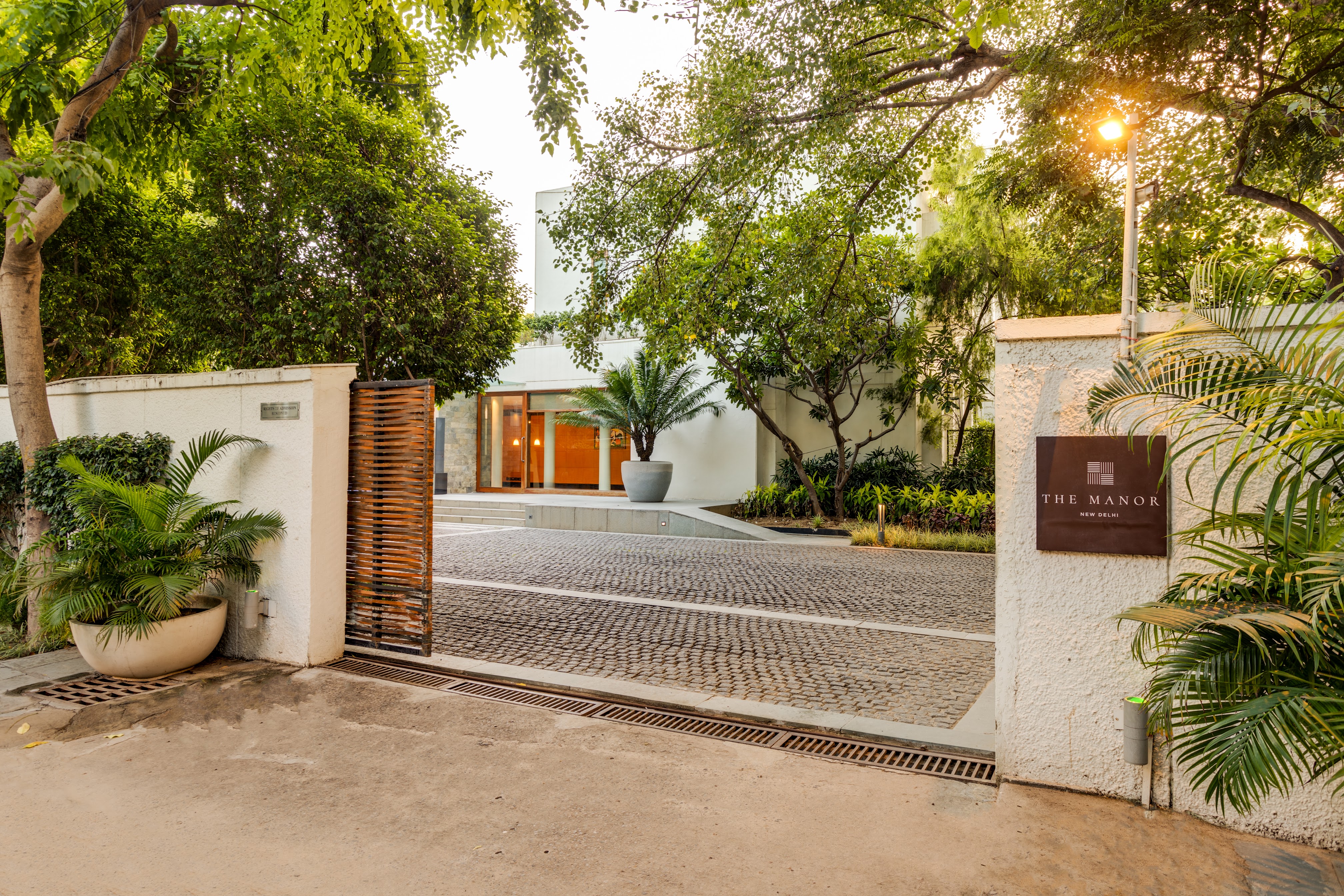
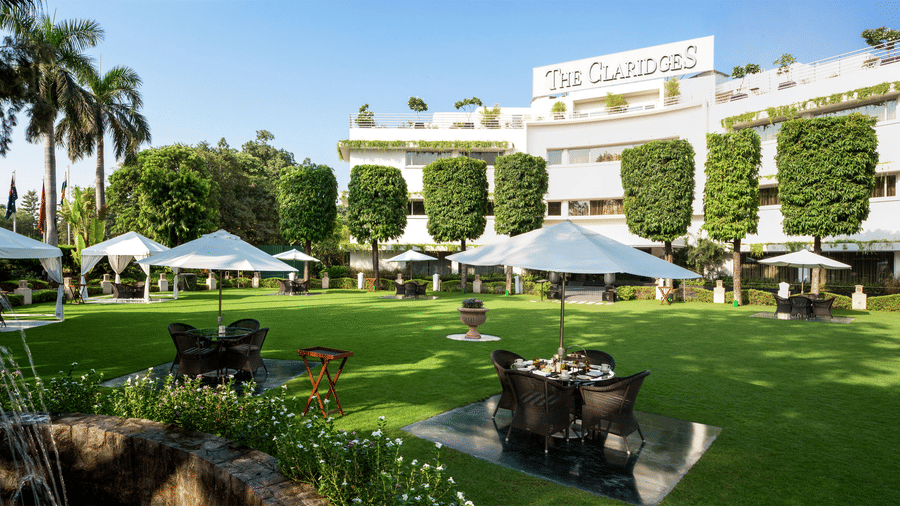
Where to Stay in New Delhi
9 recommended properties





Things to Do in New Delhi
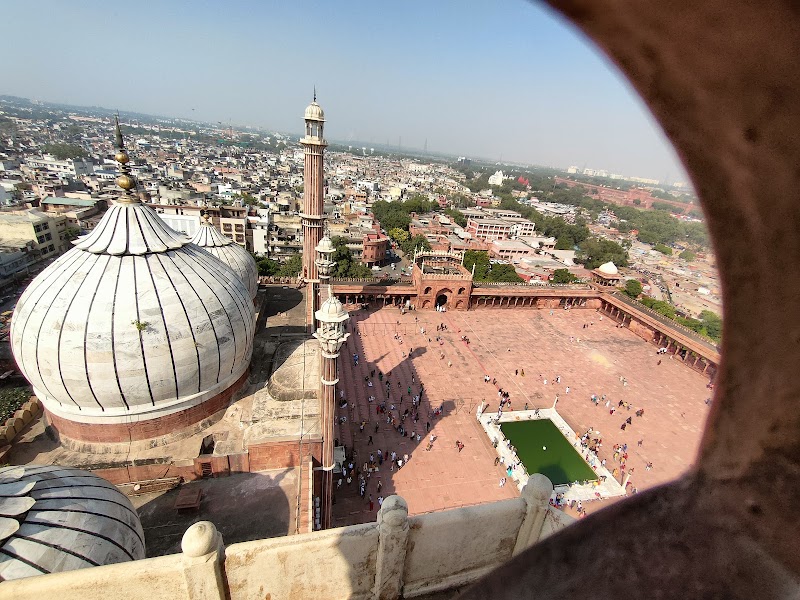
Jama Masjid Viewpoint & Rickshaw Ride
Old Delhi · 60 min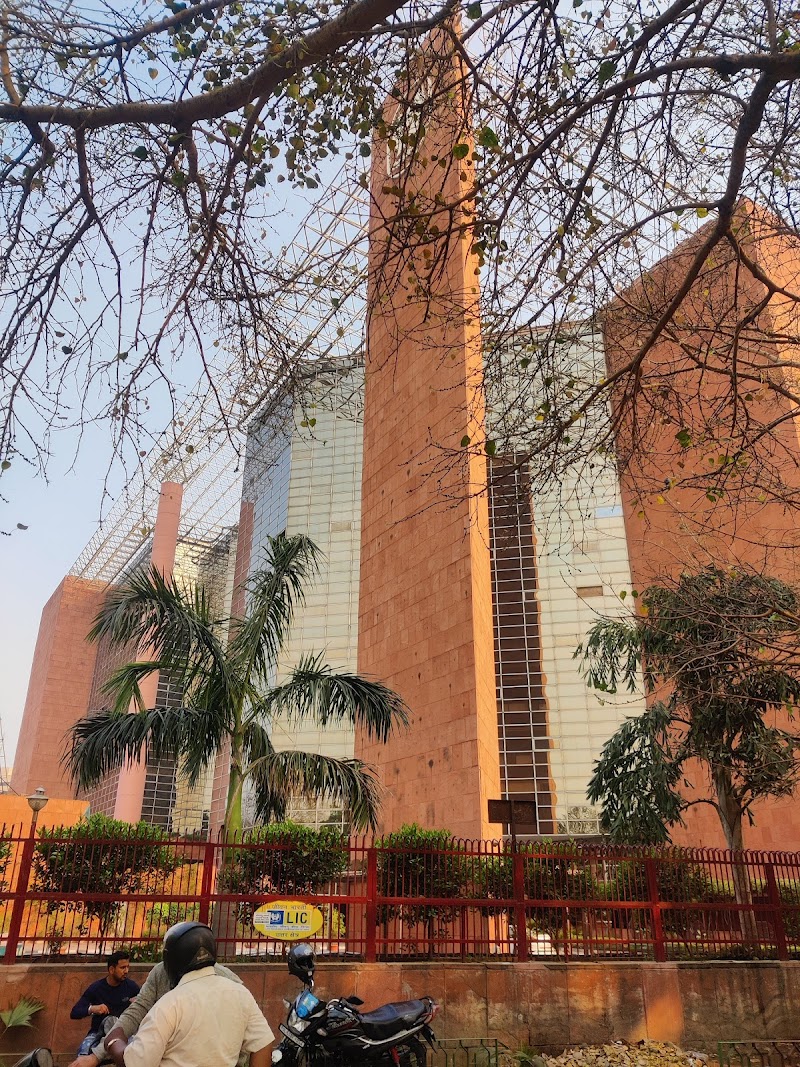
Connaught Place Inner & Outer Circles
Connaught Place · 90 min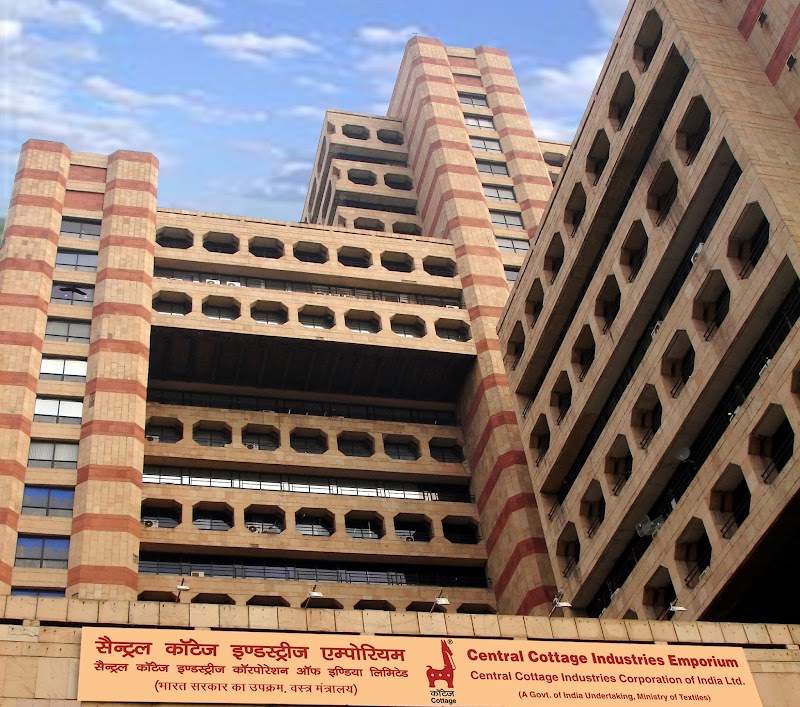
Janpath & Cottage Industries Market Wander
Janpath / Connaught Place fringe · 90 minMoney-Saving Tips
- 1.Bargain at markets but not in government shops with fixed prices—you'll know the difference
- 2.Metro day passes (₹200) beat individual tickets if you're making more than 4 trips
- 3.Street food costs ₹30-100 per dish while restaurants charge ₹300-500 for similar items
- 4.Auto-rickshaw meters exist but drivers rarely use them—negotiate or use app-based rides
- 5.Government museums charge ₹10-50 for Indians, ₹250-500 for foreigners—bring student ID if you have one
- 6.Buy water bottles in bulk from local shops (₹20 each) rather than tourist areas (₹50-100)
- 7.Book trains through IRCTC app to avoid agent commissions—foreigners can use Cleartrip
Travel Tips
- •Carry toilet paper and hand sanitizer—public restrooms vary wildly in quality
- •Download offline maps before exploring Old Delhi's maze-like streets
- •Dress conservatively when visiting religious sites—cover shoulders and legs
- •Keep small bills (₹10, ₹20, ₹50) for street vendors who rarely have change
- •Air pollution peaks in winter—consider bringing or buying masks
- •Learn basic Hindi numbers for better bargaining and navigation
- •Avoid drinking tap water—stick to bottled or filtered water
- •Book accommodation with backup power—electricity cuts still happen
- •Carry a scarf or bandana for dust, sun protection, and temple visits
- •Use hotel WiFi for important tasks—mobile data can be spotty in crowded areas