
Holi Festival
India's explosive celebration of colors and spring joy
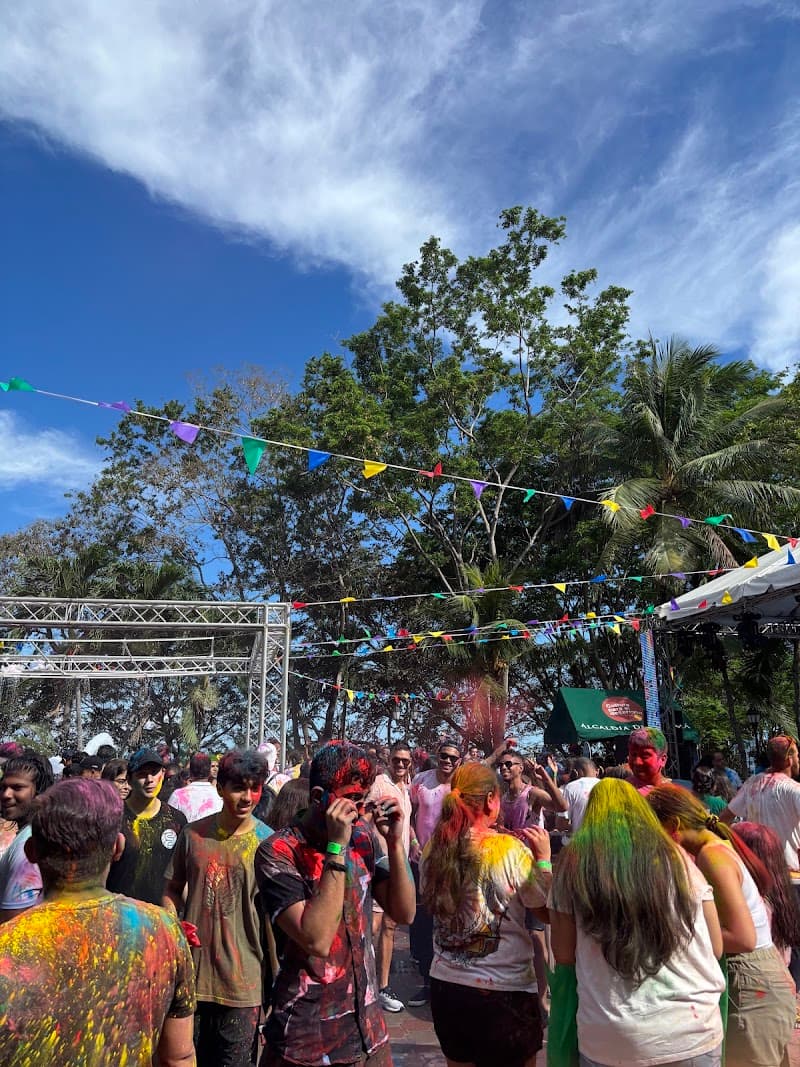
Picture this: thousands of people dancing in the streets while clouds of pink, yellow, and green powder explode overhead. That's Holi, India's most joyous festival, where strangers become friends covered head to toe in vibrant colors. This ancient celebration marks the arrival of spring and the triumph of good over evil. But here's what the guidebooks won't tell you - Holi isn't just one day of color throwing. It's a multi-day cultural immersion that varies dramatically depending on where you celebrate. From the legendary festivities in Vrindavan to the royal celebrations in Udaipur, each region puts its own spin on this 2,000-year-old tradition. And yes, you'll get completely covered in colors. That's the whole point.
Best Months
MAR
~29°C · peak crowds
Culture & Context
Holi is rooted in two major Hindu mythological traditions.
The first is the story of young Prahlad — a devoted boy whose evil king father tried to have him burned alive. His aunt Holika, believed immune to fire, sat with him in a bonfire; the cloak of protection transferred to Prahlad and Holika burned instead. The ceremonial bonfire on Holika Dahan night reenacts this victory of devotion over evil. The second tradition belongs to Lord Krishna, who according to legend worried that his blue skin would make him unlovable. His mother suggested he playfully smear color on others — and so the color-throwing tradition was born in the Braj region around Mathura and Vrindavan.
Holi is Hindu, not universally Indian. Sikhs, Muslims, and Christians in India may or may not celebrate, and assuming everyone is participating is a mistake that can cause offense. In the Braj region, the festival carries deep devotional meaning — it's not purely a street party. Temples open at specific times, rituals follow strict timing, and the spiritual context coexists with the joyful chaos.
The festival also marks the arrival of spring and signals the end of the agricultural cycle — a time for community renewal, forgiveness, and setting aside social hierarchies. For one day, caste and class distinctions traditionally dissolve. Everyone is covered in the same colors.
Organic colors from turmeric (yellow), hibiscus (red), and neem (green) are making a comeback, particularly in Vrindavan and Jaipur, where markets explicitly stock natural gulal. If skin sensitivity is a concern, seek these out.
Local Customs
Coat your skin and hair in coconut oil before going out — this is not optional.
Chemical colors without oil protection can take an hour to wash off and may irritate skin. Apply generously from head to toe..
Wear white cotton clothes you don't mind sacrificing. White makes colors pop beautifully and signals you're participating. Don't wear anything you care about..
Holi is a Hindu festival, not a national holiday for everyone. Not all communities participate. If you see someone who clearly doesn't want to be colored, respect that completely.
Don't throw colors at people without consent.. Remove shoes before entering any temple, even during Holi celebrations. The devotional context doesn't disappear just because there's color everywhere..
Accept prasad (blessed food offerings) graciously at temples. It's fine to politely decline if you have dietary restrictions, but refusing rudely is considered offensive.. Holika Dahan bonfires the night before are actually the spiritual heart of the festival and most tourists miss them entirely.
Find your local bonfire — hostels and hotels can point you to the nearest one.. In Braj region (Mathura, Vrindavan, Barsana), Holi builds over 10+ days. Arrive by February 25 to catch the full schedule, not just the main March 4 day..
Thandai — a cold spiced milk drink — is offered everywhere. In some places, especially Varanasi and Mathura, it comes laced with bhang (cannabis). Ask before drinking.
'Bhang wali thandai?' is the question to ask.. Celebrations peak between 8 AM and noon, then start winding down.
By 2–3 PM in most cities, the powder fighting is largely over. The afternoon gets rowdier and less enjoyable in crowded areas.. Photography etiquette matters: ask before photographing people in intimate religious moments.
Most celebrants are happy to be photographed during color play, but the Holika Dahan rituals deserve more discretion.
Safety
Holi is generally safe for tourists who plan smartly.
Here's the honest version: celebrations are joyful between 8–11 AM, and the crowd dynamic shifts after noon when alcohol kicks in. Wrap things up by 2–3 PM in open street settings.
Female travelers: Solo street Holi in Mathura or Varanasi carries real risk of harassment as the day progresses. The best options are organized hotel events, ticketed festivals like Holi Moo in Delhi, or Pushkar (where alcohol is prohibited and volunteer security actively monitors the celebrations). Traveling in groups — even with people you just met at a hostel — makes a significant difference. Jaipur and Udaipur are consistently cited as more traveler-friendly for women.
Petty theft is a genuine concern in festival crowds. Leave valuables at the hotel. Use a waterproof phone pouch — both for the color water and to deter pickpockets.
Chemical colors can cause skin and eye irritation. Opt for organic gulal wherever possible (widely available in Vrindavan and Jaipur markets). Sunglasses are mandatory.
Booking accommodation 2–3 months in advance is essential. Train tickets to Mathura and Vrindavan sell out completely — some sources report 300% of normal demand. Consider a hired car/SUV from Delhi instead.
During Holi, many shops, restaurants, and pharmacies close for the day. Stock up on water, snacks, and any medications the day before. Drink bottled water only. An e-Arrival Card must now be submitted online within 72 hours of arriving in India — complete this before departure.
Getting Around
The gateway airport for Holi travel is Indira Gandhi International Airport (DEL) in Delhi.
From Delhi, the Mathura-Vrindavan circuit is roughly a 3-hour drive (180 km). During Holi week, book an SUV or hire a car rather than relying on trains — train tickets sell out completely and demand reportedly hits 300% of normal capacity.
Local transport in Mathura and Vrindavan: auto-rickshaws and e-rickshaws are the standard way to get between the two towns (about 15 km apart). Negotiate the fare before getting in. During Holi, standard routes get congested — allow extra time for everything.
For Delhi to Jaipur: either take the comfortable Shatabdi Express (about 4.5 hours, book well in advance through IRCTC) or hire a car for the 5.5-hour drive via NH48.
Get a local SIM card the moment you land. Jio and Airtel kiosks are in the airport arrivals hall. A 28-day plan costs roughly ₹600–900 and gives you data for Google Maps, Ola/Uber, and UPI payment apps. Navigating Holi week without a local data connection is genuinely difficult.
UPI payment apps (Google Pay, PhonePe) work at most vendors and are increasingly preferred over cash, though carry rupees for smaller street vendors and color stalls. ATMs can have lines during festival days — withdraw cash the day before Holi.
Useful Phrases
Holi Festival Itineraries
View allColor-Splashed Delhi & Agra: A Jungle-Wild Holi Week
Week · $$$
Colors of Holi: A Jungle-Wild Weekend in Jaipur
Weekend · $$$
Color-Drenched Holi & Himalayan Foothills Escape
Week · $$$
Romantic Holi Escape in Jaipur’s Colorful Chaos
Weekend · $$$
Colorful Golden Triangle Holi Family Adventure
Week · $$$
Jaipur Holi Weekend: Color, Forts, and Family Fun
Weekend · $$$
Money-Saving Tips
- 1.Buy colors from local markets, not tourist areas - gulal powder costs 10 rupees per packet vs 50 rupees at hotels
- 2.Book trains over flights for Holi travel - Delhi to Mathura costs 50 rupees vs 8,000 rupees for last-minute flights
- 3.Stay in dharamshalas (pilgrim guesthouses) in Vrindavan for 300-500 rupees per night vs 3,000+ at hotels
- 4.Eat at local dhabas during Holi week - tourist restaurants charge 3x normal prices during festival season
- 5.Buy white clothes from street markets for 100-200 rupees - no point wearing expensive stuff that'll get ruined
- 6.Share auto-rickshaws with other travelers on Holi day when rates surge to 5x normal fares
- 7.Carry small denomination notes (10-50 rupee bills) - vendors won't have change during busy celebrations
Travel Tips
- •Wear white cotton clothes that you're okay with throwing away - colors rarely wash out completely
- •Apply coconut oil to your hair and skin before celebrations to make color removal easier
- •Bring waterproof phone cases and keep electronics in sealed plastic bags during color throwing
- •Pack old sneakers or flip-flops - the streets become muddy rivers of colored water
- •Learn basic Hindi phrases like 'Holi hai!' (It's Holi!) and 'Bura na mano, Holi hai' (Don't mind, it's Holi)
- •Respect people who say no to colors - not everyone participates, especially in mixed communities
- •Book return transport in advance - getting vehicles after celebrations becomes nearly impossible
- •Carry tissues and wet wipes - public restrooms become unusable during peak celebrations
- •Stay hydrated with bottled water - colored water isn't safe to drink despite the festive atmosphere
Frequently Asked Questions
Explore Holi Festival
BUILD YOUR
HOLI FESTIVAL PLAN
Insider picks, smart timing, and a plan ready when you are.
Start Planning