
Jaisalmer
Golden City Rising from Thar Desert Sands
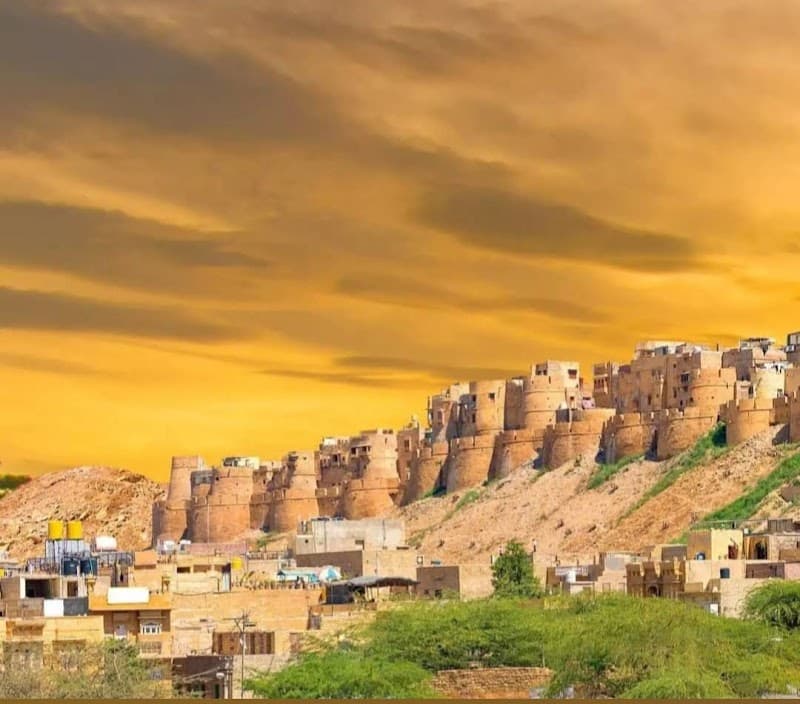
Jaisalmer rises from the Thar Desert like something out of a fairy tale. This Golden City gets its nickname from the honey-colored sandstone that makes up almost every building, creating a warm glow that shifts from pale gold at dawn to deep amber at sunset. The massive Jaisalmer Fort still houses a quarter of the city's population within its walls — one of the few living forts left in the world.
But here's what makes Jaisalmer special: it's where Rajasthan's royal heritage meets genuine desert adventure. You can explore 800-year-old havelis with intricate stone carvings in the morning, then ride camels across sand dunes at sunset. The city sits just 70 kilometers from the Pakistan border, giving it a frontier feeling that's both remote and romantic.
Look, Jaisalmer isn't for everyone. Summer temperatures hit 45°C, and the desert wind can coat everything in fine sand. But visit between October and March, and you'll find one of India's most magical destinations — a place where golden architecture meets endless desert horizons.
Best Months
JAN · FEB · MAR · OCT · NOV · DEC
Culture & Context
SILK ROAD WEALTH PRESERVED
Jaisalmer was founded in 1156 AD by Rawal Jaisal of the Bhati Rajput clan on Trikuta Hill, chosen based on a prediction by a local hermit named Eesaal. The city grew rich by taxing Silk Road caravans passing between India, Persia, and Africa — which explains the extraordinary merchant havelis that still stand today. The Patwa brothers who commissioned Patwon Ki Haveli were silk and brocade traders; the 550+ carved panels on the facade are essentially a flex of accumulated wealth.
The local dialect is Marwari, a branch of Rajasthani. Hindi is widely understood. English works fine in tourist areas and most guesthouse staff speak it reasonably well.
The Desert Festival (Maru Mahotsav) is organized by the Rajasthan Tourism Development Authority and was created not primarily as a tourist event but as a platform to showcase and preserve Thar Desert folk culture: Manganiyar musicians, Kalbelia snake-charmer dancers, Bhopa storytellers, and Langha vocalists. That origin story matters. The performers are not recreating something dead — they learned their craft from grandparents who lived it.
Jaisalmer Fort is one of the world's last inhabited forts, with roughly 3,000 residents still living inside. It was designated a UNESCO World Heritage Site in 2013 as part of the Hill Forts of Rajasthan series.
Local Customs
NO SHOES IN TEMPLES
Remove shoes AND any leather items (belts, leather bags) before entering the Jain temples inside the fort. This is not optional and is taken seriously. Lockers are available outside..
Ask before photographing locals, performers, and villagers. At the Desert Festival this matters especially — many folk performers have been doing this for generations and find cameras in their face without permission disrespectful. A smile and a gesture asking permission costs nothing..
Dress modestly at religious sites. This applies to both men and women. Bare shoulders and shorts are fine in the desert and cafes but not inside temples or the fort's Jain temple complex..
Carry cash. A lot of it, in small denominations. ₹500 and ₹2,000 notes regularly get refused with claims of no change.
Stock up on ₹100 and ₹50 notes from ATMs inside the city before heading out to Sam or Khuri.. Bargaining is normal and expected in markets. Starting price is rarely the real price.
Being polite and a little playful about it works better than hard negotiating. Walking away slowly often brings the price down further.. Temperatures drop sharply in the desert after 7 PM between November and February.
Everyone underestimates this. Pack a warm layer even if you think you won't need it.. The camel safari operators near the main Sam Dunes entrance are heavily concentrated and some are pushy.
Booking through your hotel or camp is cleaner, even if slightly more expensive.
Safety
WATCH FOR TOURIST TRAPS
Jaisalmer is generally safe. It sits close to the Pakistan border but is a heavily administered military and tourism area, so security presence is significant. Petty theft can happen in crowded market areas.
The bigger practical danger is tourist traps: shops near the fort entrance sell overpriced goods with aggressive pressure tactics. One TripAdvisor reviewer put it plainly — don't shop unless you're ready to pay inflated prices for inauthentic merchandise. The artisan markets slightly further from the main tourist drag are more honest.
The desert itself poses real environmental risks: dehydration, sunburn, and sudden cold at night are all underestimated. The summer months (April–August) see temperatures exceeding 45°C. Do not attempt extended time outside between May and July without serious preparation.
Carry water at all times. For the desert camps, most are legitimate but a few operate without proper safety protocols for jeep safaris. Booking through established camps or your hotel reduces this risk.
Medical facilities are available — Shri Jawahir Hospital is the main government facility; Sri Maheswari Hospital near Hanuman Circle handles private patients.
Getting Around
TRAINS & SCOOTER RENTALS
Getting to Jaisalmer: The city has its own railway station (JU) with direct trains from Delhi, Jaipur, Jodhpur, and other major Indian cities. Sleeper class costs ₹300–600, AC ₹800–1,200. The train journey from Delhi takes roughly 17–18 hours overnight.
Jaisalmer Airport (JSA) is 12 km from the city center with direct flights from Delhi and Jaipur costing ₹2,500–7,000. Note: some sources still list Jodhpur as the nearest airport — that's outdated, Jaisalmer has its own. From Jodhpur by bus: ₹400–700; private cab: ₹3,000–4,000 for the 5–6 hour drive.
Getting around: Auto-rickshaws handle short city trips for ₹50–150. Always agree on the fare first — meters are rare. Scooter rental runs ₹300–500/day and is a genuinely good option for reaching Bada Bagh, Gadisar Lake, and the outskirts.
For Sam Sand Dunes (42 km away), most camps organize shared or private shuttles. A private taxi runs ₹600–900 one-way. During the Desert Festival period, local autos and shared cabs also run the Sam route.
Airtel and Jio offer the best mobile coverage in the city. Both go patchy once you're deep in the desert or at remote camps, so download offline maps before heading out to Sam.
Useful Phrases
Jaisalmer Itineraries
View all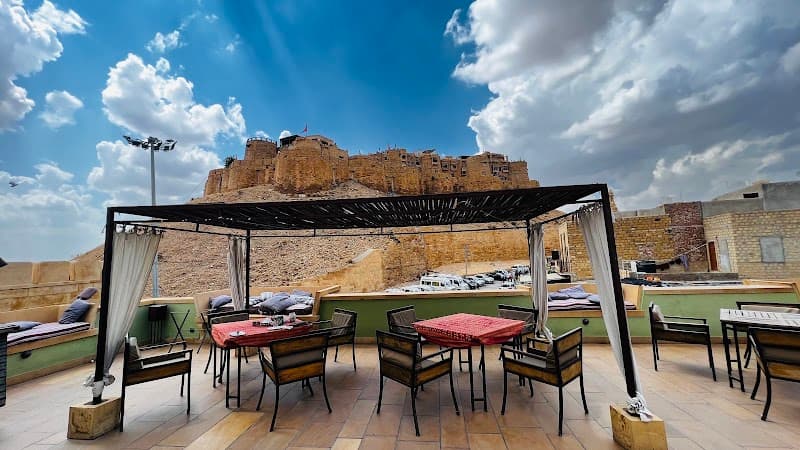
7 Days of Golden Forts, Desert Dunes, and Hidden Jaisalmer
Week · $$$
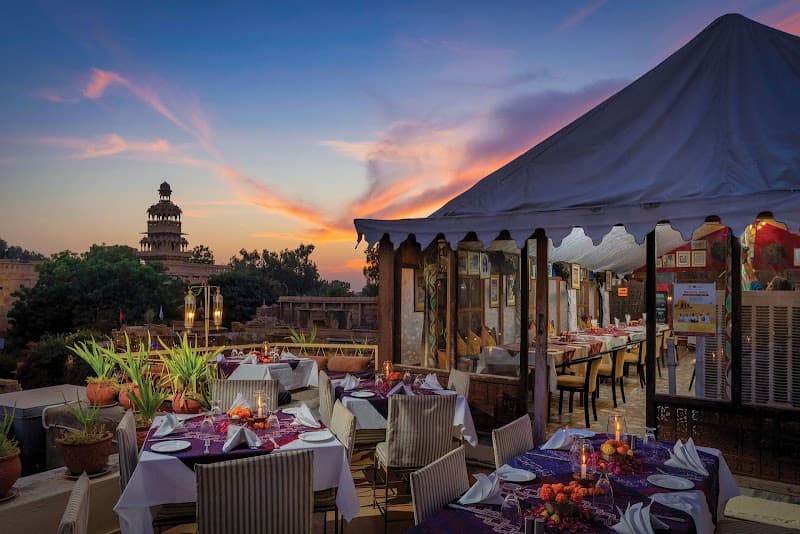
Golden Dunes & Living Fort: A Jaisalmer Weekend
Weekend · $$$
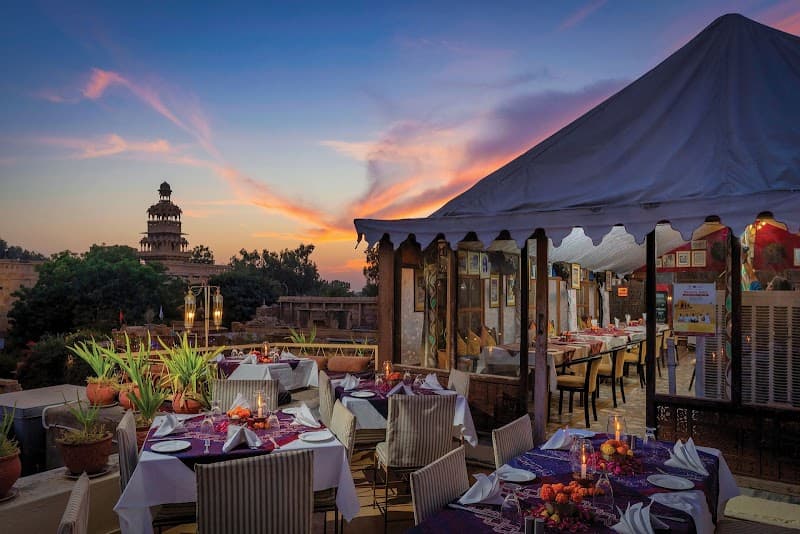
Romantic Jaisalmer: Forts, Desert Nights, and Golden Havelis
Weekend · $$$
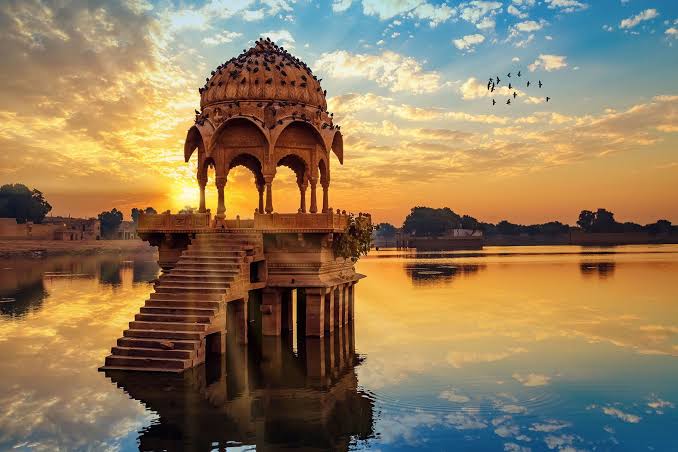
Golden Sands & Fort Walls: 7 Days in Jaisalmer
Week · $$$
Golden Sands & Fort Dreams: A Jaisalmer Family Escape
Weekend · $$$
Jaisalmer Desert Calm: Fort Walls, Dunes, and Slow Evenings
Week · $$$
Things to Do in Jaisalmer
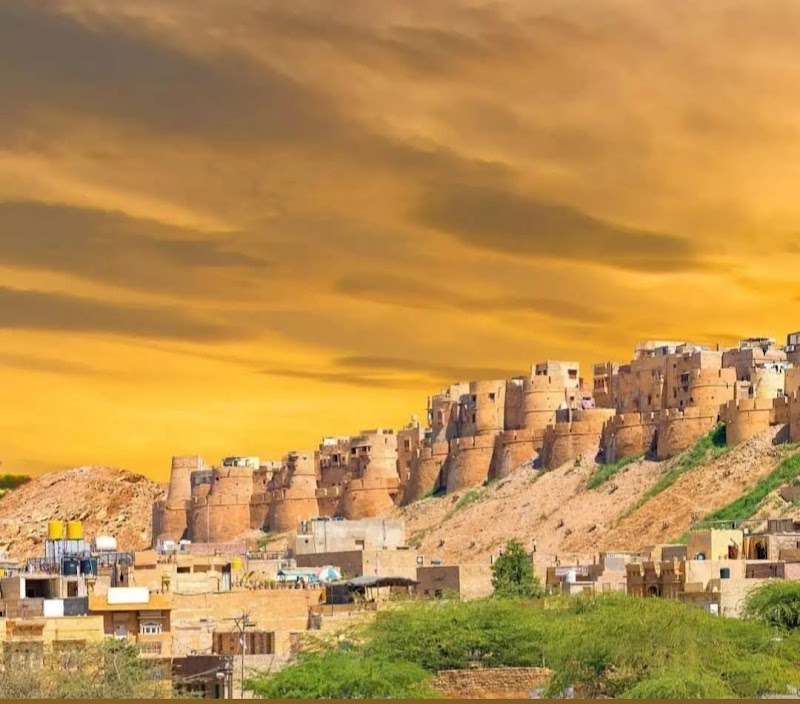
Jaisalmer Fort (Sonar Quila) & Jain Temples
Inside Jaisalmer Fort · 150 min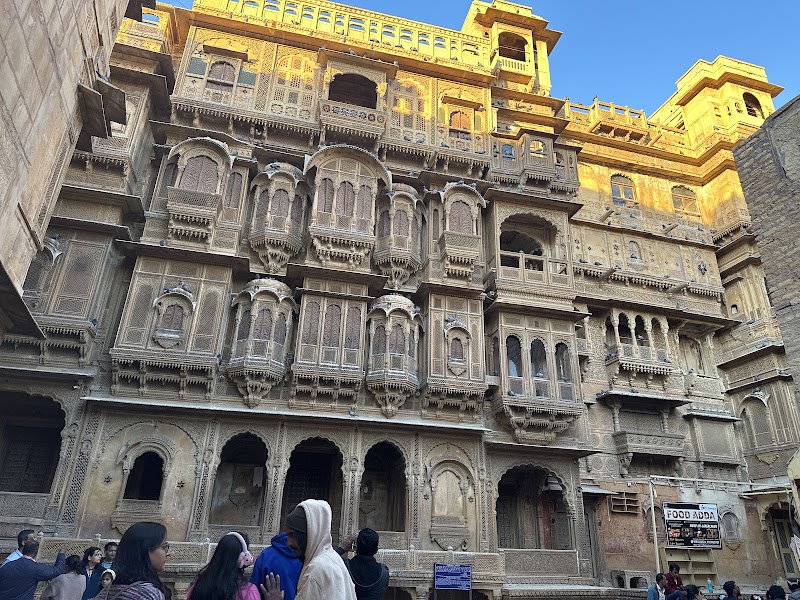
Patwon Ki Haveli & Old City Walk
Patwon Ki Haveli / Main Bazaar · 150 min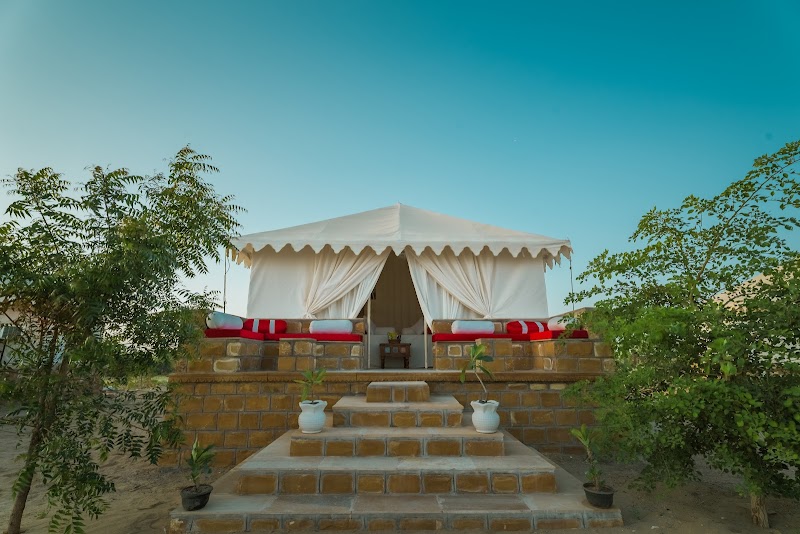
Sam Sand Dunes Camel Safari & Desert Camp Evening
Sam Sand Dunes (Thar Desert) · 210 minMoney-Saving Tips
- 1.Book accommodations 2-3 months ahead for December-January peak season to avoid 40-60% price surges
- 2.Eat at local joints like Natraj Restaurant (₹180 for dal baati churma) instead of fort-view restaurants charging ₹600+ for the same dishes
- 3.Negotiate camel safari prices directly with operators at Sam Sand Dunes rather than booking through hotels — save ₹200-400 per person
- 4.Buy train tickets to Jaisalmer well in advance — last-minute sleeper berths can cost 3x more than advance booking
- 5.Rent motorcycles from guesthouses (₹400-600/day) instead of hotel concierges who add 30-50% markup
- 6.Visit Bada Bagh cenotaphs and Khaba Fort as DIY trips using local transport rather than expensive guided tours
- 7.Shop for textiles and jewelry on Bhatia Bazaar rather than inside Jaisalmer Fort where prices inflate 2-3x for tourists
Travel Tips
- •Carry a good camera lens cleaner — desert sand gets into everything and will scratch your phone screen
- •Pack layers for winter visits; December nights drop to 10°C while days reach 25°C
- •Download offline maps before heading to Sam Sand Dunes — cell coverage becomes spotty 20km outside the city
- •Bring a flashlight for exploring Jaisalmer Fort's narrow passages and underground chambers
- •Keep cash handy — most local restaurants, camel safari operators, and small shops don't accept cards
- •Book desert camps that include pickup/drop service — finding the camps after dark can be challenging
- •Wear closed shoes when exploring the fort — the stone steps are worn smooth and can be slippery
- •Start fort exploration early morning (7-9 AM) to avoid crowds and harsh afternoon sun
- •Carry electrolyte packets or ORS — the dry desert air causes dehydration faster than you expect
- •Learn basic Hindi numbers for bargaining — vendors often quote higher prices when they hear English