Jodhpur
The magnificent Blue City of Rajasthani royal splendor
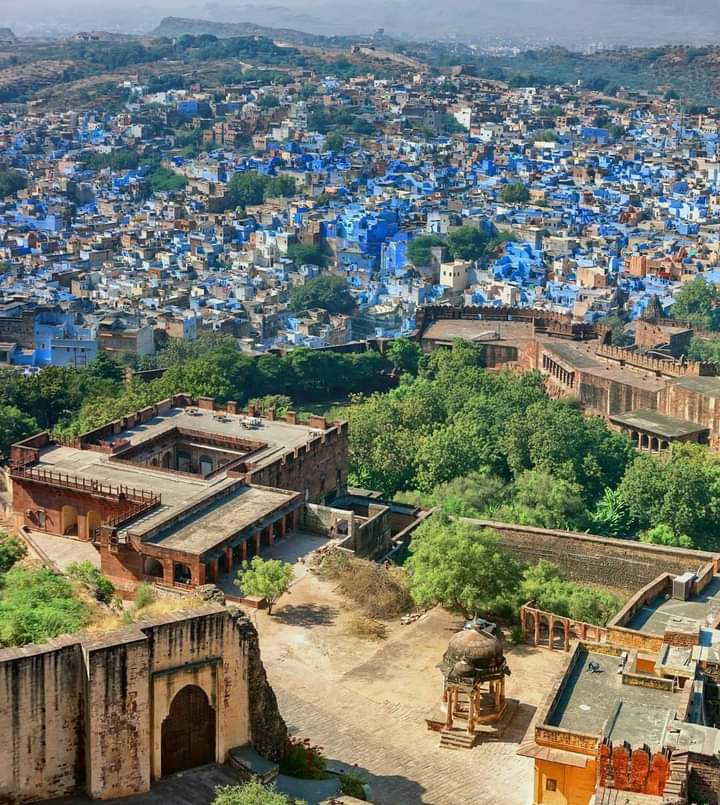
Look, I'll be straight with you about Jodhpur. Yes, it's called the Blue City, but only the old quarter around the fort is actually painted indigo. The rest sprawls in dusty beige like any other Rajasthani city. But here's the thing — that blue maze below Mehrangarh Fort is pure magic. Walking through those narrow lanes feels like stepping into a living postcard, minus the tourist crowds you'd find in Udaipur or Jaipur.
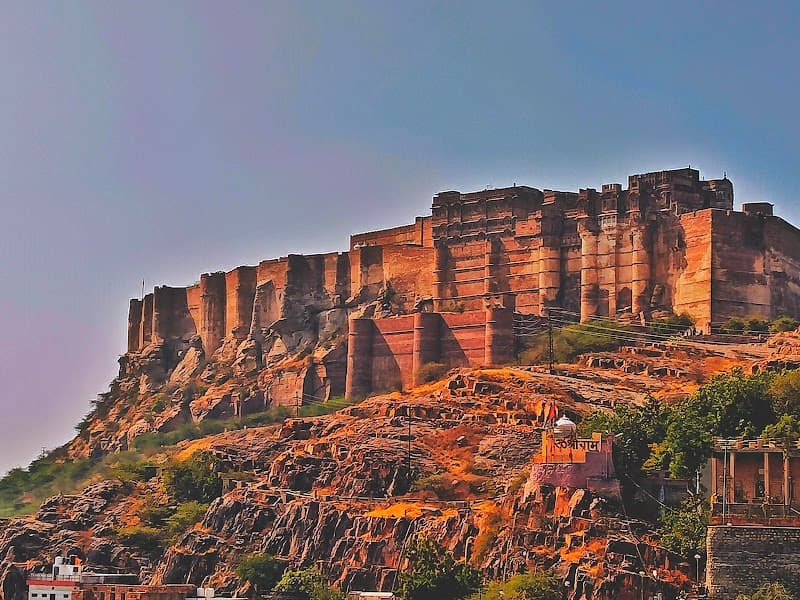
The Rathore rulers built this city in 1459, and their legacy still dominates the skyline. Mehrangarh Fort looms over everything, its sandstone walls glowing amber at sunset. Down in the old city, spice merchants hawk their wares in the same spots their great-grandfathers did. And the food? Some of the best in Rajasthan, especially if you know where to look beyond the guidebook favorites.
Best Months
JAN · FEB · MAR · OCT · NOV · DEC
~28°C · peak crowds
Culture & Context
BLUE DESERT FORTRESS CITY
Jodhpur sits at Rajasthan's western edge, right where the Thar Desert begins to take over. The fort, Mehrangarh, has been here since 1459 when Rao Jodha of the Rathore clan decided a sandstone ridge was the right place to build a capital. It worked.
The fort has never been captured. The blue houses below it started as a Brahmin thing. Indigo lime wash kept walls cool when temperatures hit 45°C and was believed to repel insects.
Within a couple of generations, the color crept downhill to non-Brahmin homes, and the nickname stuck. Here's the thing: locals still repaint, not for Instagram, but because it actually works. The city speaks Marwari as its soul language, though Hindi is everywhere and English gets you through most tourist situations without friction.
Jodhpur is also called the Sun City because it genuinely gets about 300 sunny days a year. That desert light makes the sandstone fort glow blood-orange at dusk in a way that's hard to describe without sounding like a brochure. So just go at dusk and see for yourself.
Local Customs
BARGAIN & CASH ONLY
Bargaining is expected at Sardar Market and most old city shops. The first price is almost never the real price. A polite back-and-forth is part of the transaction, not a confrontation..
Remove shoes before entering temples. This applies even to small roadside shrines you might wander past.. The 12:30pm prayer silence at Sardar Market happens daily — the loudspeakers go quiet for about 30 minutes.
Use that window to browse and negotiate without sensory overload.. Dress modestly around temples and the old city. Shoulders and knees covered is the practical minimum.
The fort area is fine with standard travel clothes.. In villages outside Jodhpur, women may cover their faces with a ghoonghat (veil) before elders. This is cultural respect, not distress..
Most shops and street stalls are cash only. Always carry rupees. ATMs near the Clock Tower are reliable, but have backup cash since not all machines work all the time..
Auto-rickshaw drivers and some locals near major sights will volunteer to 'help' and then steer you to shops where they earn commission. Be friendly but politely firm if you're not looking to shop.. Tipping is not mandatory but appreciated — ₹50–100 for a helpful guide, rounding up on restaurant bills is common..
The fort has an elevator (₹50 extra) but the ramp entrance is free and gives better views on the way up. Most people miss this.. Buy the Mehrangarh and Jaswant Thada combo ticket at the fort gate — it saves ₹100 and skips the second queue entirely.
Safety
WATCH MARKETS, AVOID ALLEYS
Jodhpur is generally safe for tourists. Violent crime against visitors is rare. That said, pickpockets operate in crowded market areas around Sardar Market and the Clock Tower — keep bags in front and don't flash expensive gear.
Solo women should avoid deserted lanes after dark, particularly in the less-trafficked parts of the old city wall. The US government advisory specifically notes women traveling alone in India warrant extra caution at night. The most common annoyance is not crime but persistent commission-based guides near major attractions who'll offer 'free help' and route you to shops.
It's harmless but wastes time. Stray dogs throughout the old city are mostly calm, though some show territorial behavior near temple entrances — give them space. Umaid Bhawan Palace occasionally closes for private events, so check ahead before making the trip out.
ATMs are reliable near the Clock Tower but bring backup cash for the old city where card machines are spotty.
Getting Around
RICKSHAWS & TAXIS
Jodhpur Airport (JDH) sits about 5–6 km from the city center and connects to Delhi, Mumbai, Jaipur, and Bangalore with multiple daily flights. Jodhpur Junction Railway Station is a major rail hub — sleeper class tickets from Delhi run ₹300–400 (6–7 hours), from Mumbai around ₹500–600. Book on IRCTC; there's a foreign tourist quota that opens up seats even when trains look full online.
Within the city, auto-rickshaws are the go-to — fix the price before you get in, typically ₹50–100 for short hops. Ola and Uber both work in Jodhpur and eliminate the price negotiation entirely. A full-day private taxi runs ₹2,000–3,500.
Scooter and bicycle rentals (₹200–500/day) suit people comfortable with Indian traffic, which is real. Public buses exist but routes are confusing. For intercity travel, RSRTC government buses connect to Jaipur (6 hours, ₹500–800), Jaisalmer (4–5 hours, ₹400–700), and Udaipur (5–6 hours, ₹500–900).
Private AC buses are also available. The main bus stands are Paota and Rai Ka Bagh, both within a few kilometers of the old city.
Useful Phrases
Jodhpur Itineraries
View all
Blue City, Desert Skies: 7 Days in Wild Jodhpur
Week · $$$
Three Wild-Hearted Days in Jodhpur’s Desert Jungle
Weekend · $$$
Romantic Blue City Escape in Jodhpur
Week · $$$
Blue City Escape: A Romantic Jodhpur Jungle-Wild Weekend
Weekend · $$$
Jodhpur Jungle-Wild Family Adventure
Week · $$$
Blue City Jungle: A Family Weekend in Jodhpur
Weekend · $$$
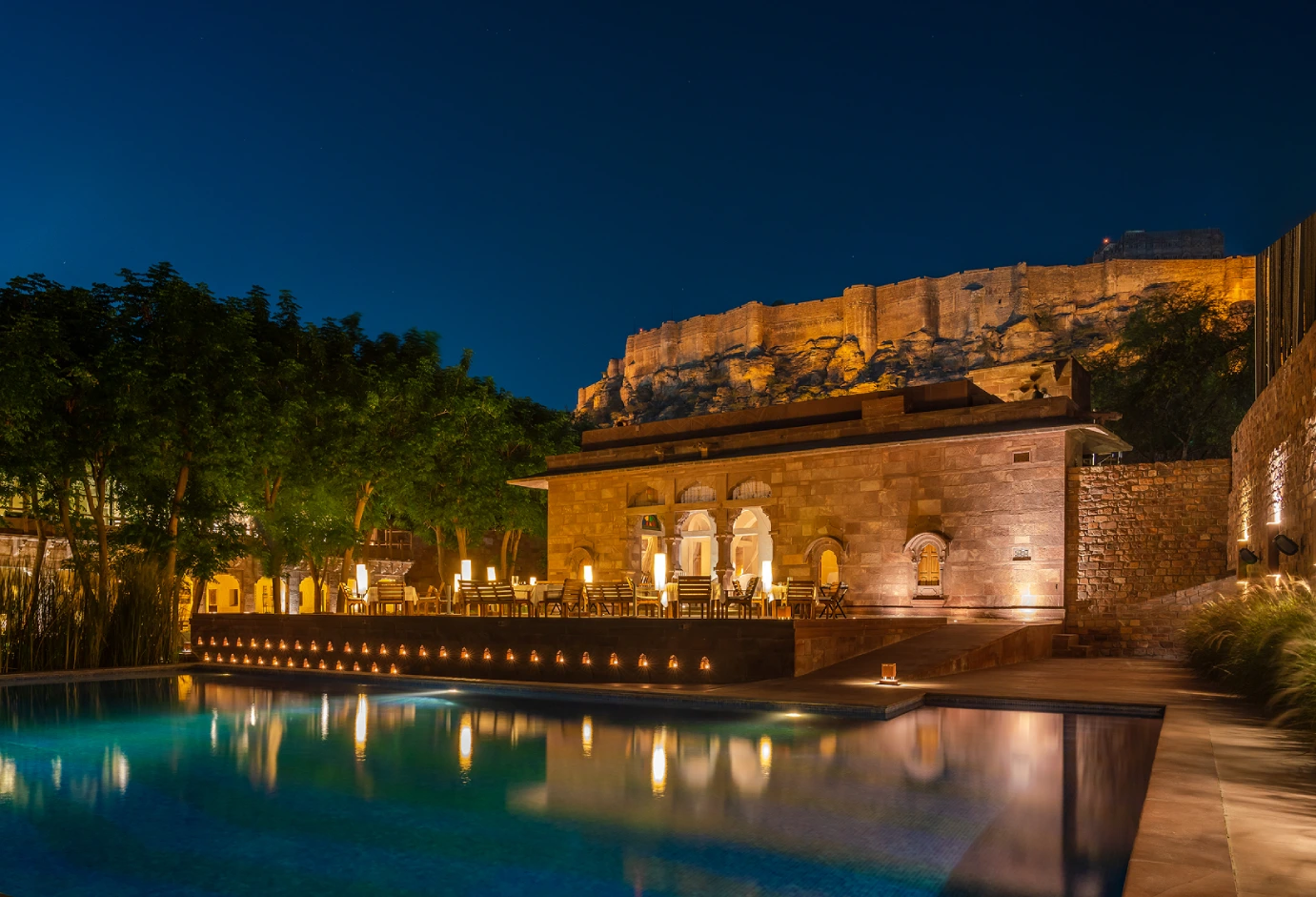
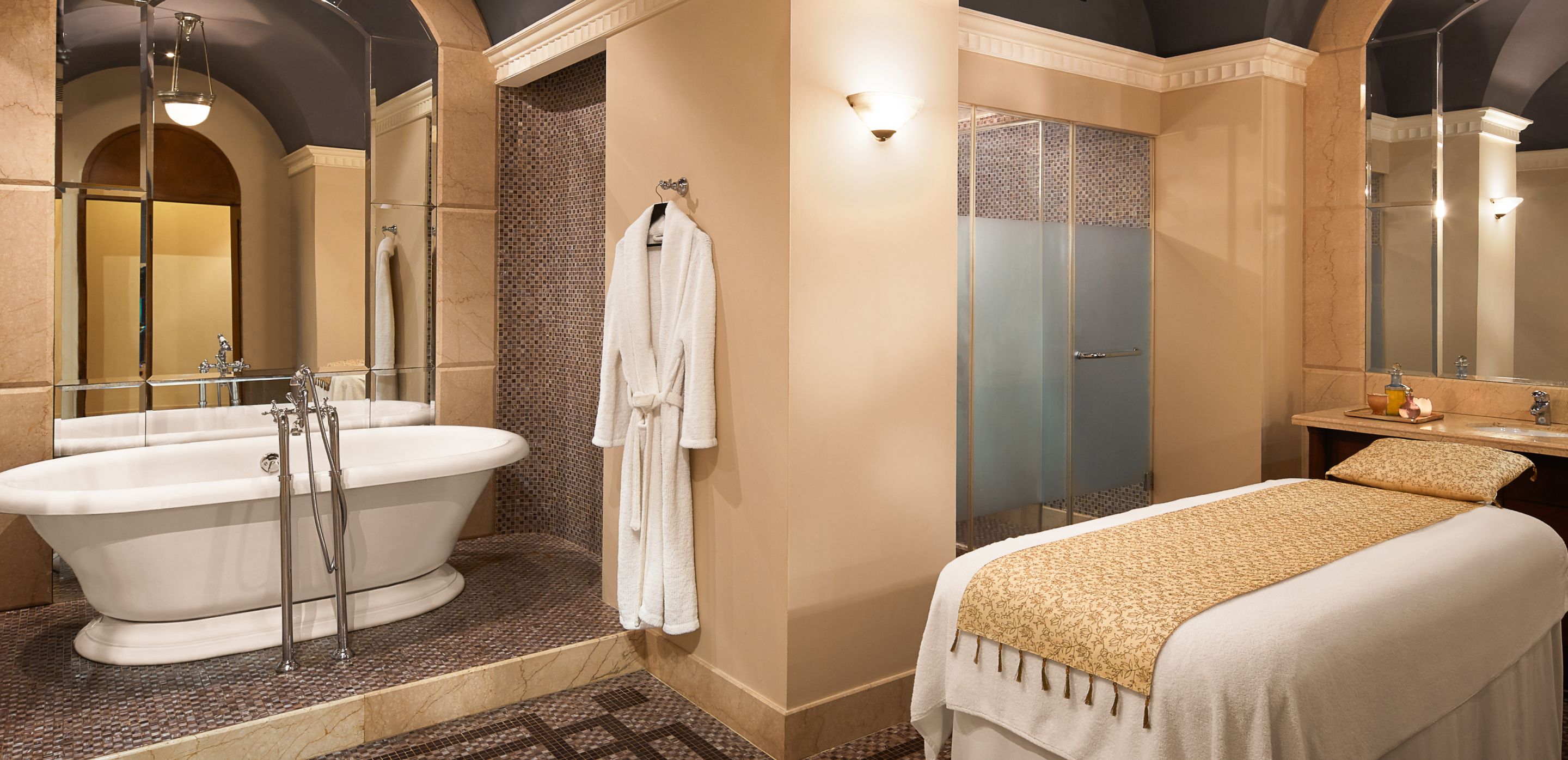
Where to Stay in Jodhpur
3 recommended properties
Things to Do in Jodhpur
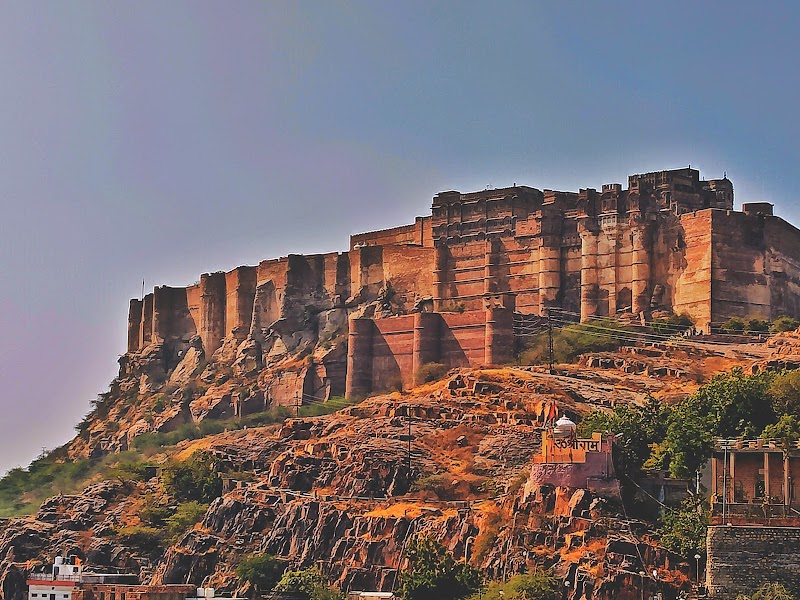
Mehrangarh Fort
Mehrangarh / Navchokiya · 150 min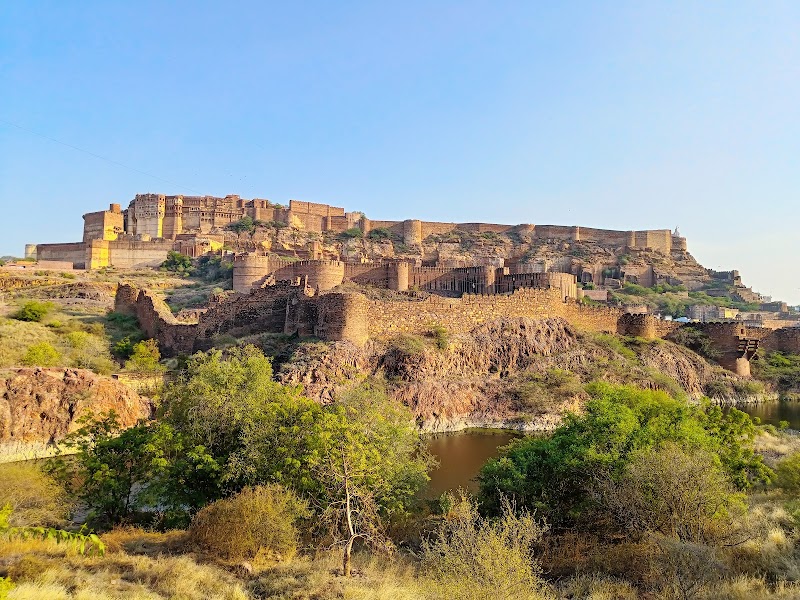
Rao Jodha Desert Rock Park
Mehrangarh / Rai Ka Bag side · 120 min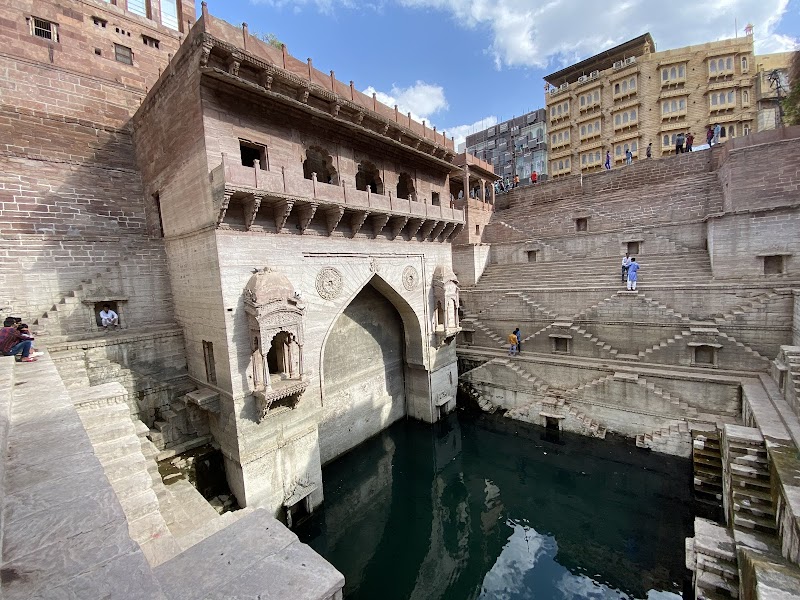
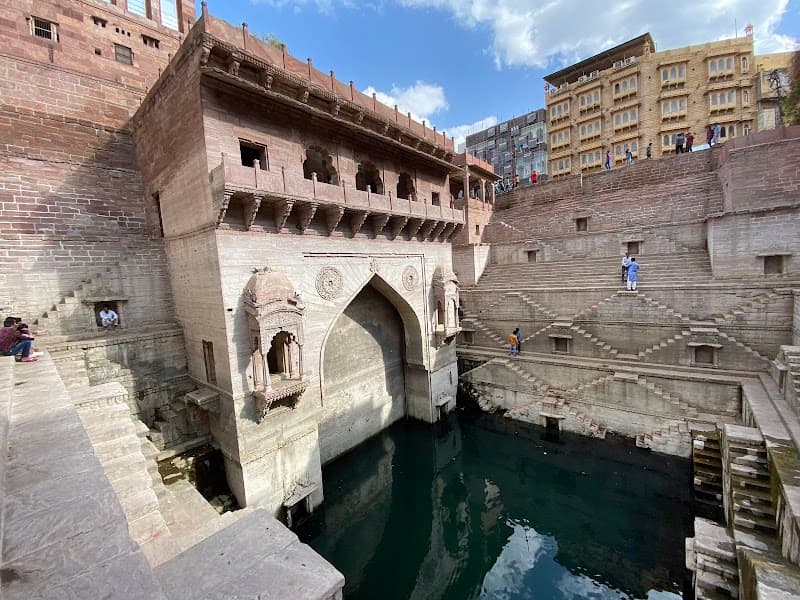
Toorji Ka Jhalra (Toorji Stepwell)
Clock Tower / Old City · 45 minMoney-Saving Tips
- 1.Negotiate auto-rickshaw fares before getting in — they'll quote tourist prices 3x higher than locals pay
- 2.Eat at places packed with locals, not empty restaurants with English menus and fort views
- 3.Buy spices at Sardar Market near Clock Tower, not from shops inside Mehrangarh Fort
- 4.Stay in old city guesthouses instead of heritage hotels for the same atmosphere at 1/4 the price
- 5.Take local buses for day trips — they cost ₹50 vs ₹2500 for a private taxi
- 6.Avoid buying handicrafts near major attractions — walk 10 minutes away for better prices
- 7.Drink lassi from street vendors (₹30) rather than hotel restaurants (₹200+)
Travel Tips
- •Wear comfortable walking shoes — the old city's stone streets are uneven and can be slippery
- •Carry cash — many local restaurants and shops don't accept cards
- •Respect photography rules at temples and inside the fort — some areas prohibit cameras
- •Learn basic Hindi numbers for bargaining — vendors respect the effort
- •Start sightseeing early morning to beat crowds and heat
- •Keep your phone charged — GPS helps navigate the maze-like old city streets
- •Dress modestly, especially when visiting temples — cover shoulders and legs
- •Try the local specialties like pyaaz kachori and mawa kachori — they're Jodhpur originals