
Kochi
Kerala's spice coast jewel with colonial heritage and backwater magic
Kochi isn't trying to be the next big thing. It already was. This port city has been welcoming traders, explorers, and wanderers for over 600 years, and the layers show. Chinese fishing nets cast shadows over Portuguese churches while Jewish synagogues sit next to Dutch palaces. The air smells like cardamom and sea salt.
But here's what makes Kochi special: it's still a working city. Fishermen mend nets at dawn while office workers grab breakfast from street vendors. The spice markets buzz with real commerce, not just tourist photo ops. And when you're done exploring the historic quarters, the backwaters stretch out like liquid highways to nowhere.
Look, Kerala gets all the backwater love, but Kochi is where those waterways meet centuries of global influence. It's messy, authentic, and completely addictive.
Best Months
JAN · FEB · MAR · OCT · NOV · DEC
~33°C · high crowds
Culture & Context
SIX CENTURIES LAYERED
Kochi is a port city that has been doing business with the rest of the world for over 600 years. Arabs, Chinese, Portuguese, Dutch, British, and Jewish traders all left their mark here, and you can still see every layer of that history within a few blocks of each other. St.
Francis Church (built 1503, the oldest European church in India) sits near a functioning Jewish synagogue, which sits near a Dutch palace, which sits near a working spice warehouse. This is not a museum city, though. Ernakulam, the mainland commercial hub, runs on IT parks and shopping malls.
The tension between old and new is real and visible. Fort Kochi and Mattancherry are where tourists spend most of their time. Ernakulam is where Kochi actually gets things done.
The ferry ride between them costs about ₹6 and takes 10 minutes. That crossing tells you everything.
Local Customs
SHOES OFF ALWAYS
Remove your shoes before entering anyone's home or a place of worship. This applies to temples, mosques, churches, and most traditional homestays. No exceptions..
Dress modestly at religious sites. Cover shoulders, head, and knees. Temples are strict about this, and some won't let you in without it..
No public displays of affection. Kochi is cosmopolitan compared to most of Kerala, but it's still a conservative city in practice. Hand-holding is fine; anything more reads badly..
Alcohol is tightly controlled. It's available in bars, licensed restaurants, 5-star hotels, and government-run BEVCO shops (called 'Bev Q'). You won't find beer at a regular corner store.
Some areas are dry entirely.. Always ask before photographing local people, particularly in Mattancherry, markets, or rural areas. Most people don't mind, but asking first goes a long way..
Malayalam speakers genuinely light up when visitors attempt a few words. You don't need to be fluent. Even a 'Namaskaram' and 'Nanni' will get you warmer service, better prices, and sometimes a free cup of tea..
Punctuality matters here more than in many other Indian cities. If you book an auto, a Kathakali show, or a houseboat, show up on time.. Haggling is expected at the spice markets and antique shops in Mattancherry.
Not expected (and mildly rude) in cafes, restaurants, or boutique stores that show fixed prices.
Safety
MOSTLY SAFE, WATCH TAXIS
Kerala consistently ranks as one of the safest states in India, and Kochi is generally a comfortable city for tourists. But a few specific things to know: Petty theft (pickpocketing, bag snatching) does happen in crowded Fort Kochi and Mattancherry, especially near the Chinese fishing nets and Jew Town. Keep bags zipped and in front of you.
At the Chinese fishing nets, some fishermen invite tourists to help operate the nets, then demand aggressive tips afterward — multiple recent visitors report feeling cornered. You can watch from the promenade for free without engaging. Only get into taxis booked through Uber, Ola, or prepaid counters — random unsolicited taxi offers near tourist sites often overcharge badly.
Women traveling solo: Fort Kochi and Ernakulam are generally safe to walk during the day. Avoid narrow, poorly lit lanes in Mattancherry after dark and don't take unlicensed taxis alone at night. Monsoon season (June–September) brings flooding, which can disrupt road travel significantly.
Alcohol laws are strict: public intoxication carries real legal consequences. Medical facilities are solid — Aster Medcity and Amrita Institute of Medical Sciences are the main hospitals. Tourist helpline: 1363.
Getting Around
FERRIES & WALKABLE
Getting to Kochi: Cochin International Airport (COK) is 45km from the city center — the world's first fully solar-powered commercial airport, worth noting. From there, prepaid taxis to Fort Kochi run around ₹700–900. Uber and Ola also operate from the airport.
Ernakulam has two railway stations (Ernakulam Junction and Ernakulam Town) with regular trains to Alleppey (1 hour), Trivandrum, and beyond. Getting around: The public ferry system is the best way to cross between Ernakulam and Fort Kochi. SWTD ferries cost ₹4–6, run every 15–30 minutes from 6am to 9pm, and feel genuinely local rather than tourist-facing.
The newer Kochi Water Metro charges ₹20–40 and connects more routes with air-conditioned comfort. Within Fort Kochi and Mattancherry, just walk — everything is within 2–3km. Auto-rickshaws charge ₹50–100 for short trips, but quote tourist rates first; negotiate or use a ride-hailing app.
Bicycle rentals at ₹100–200/day work well for covering both neighborhoods in a morning. Uber and Ola run throughout the city at metered fares. Local buses connect major areas for ₹10–20 but are poorly signed for outsiders.
Useful Phrases
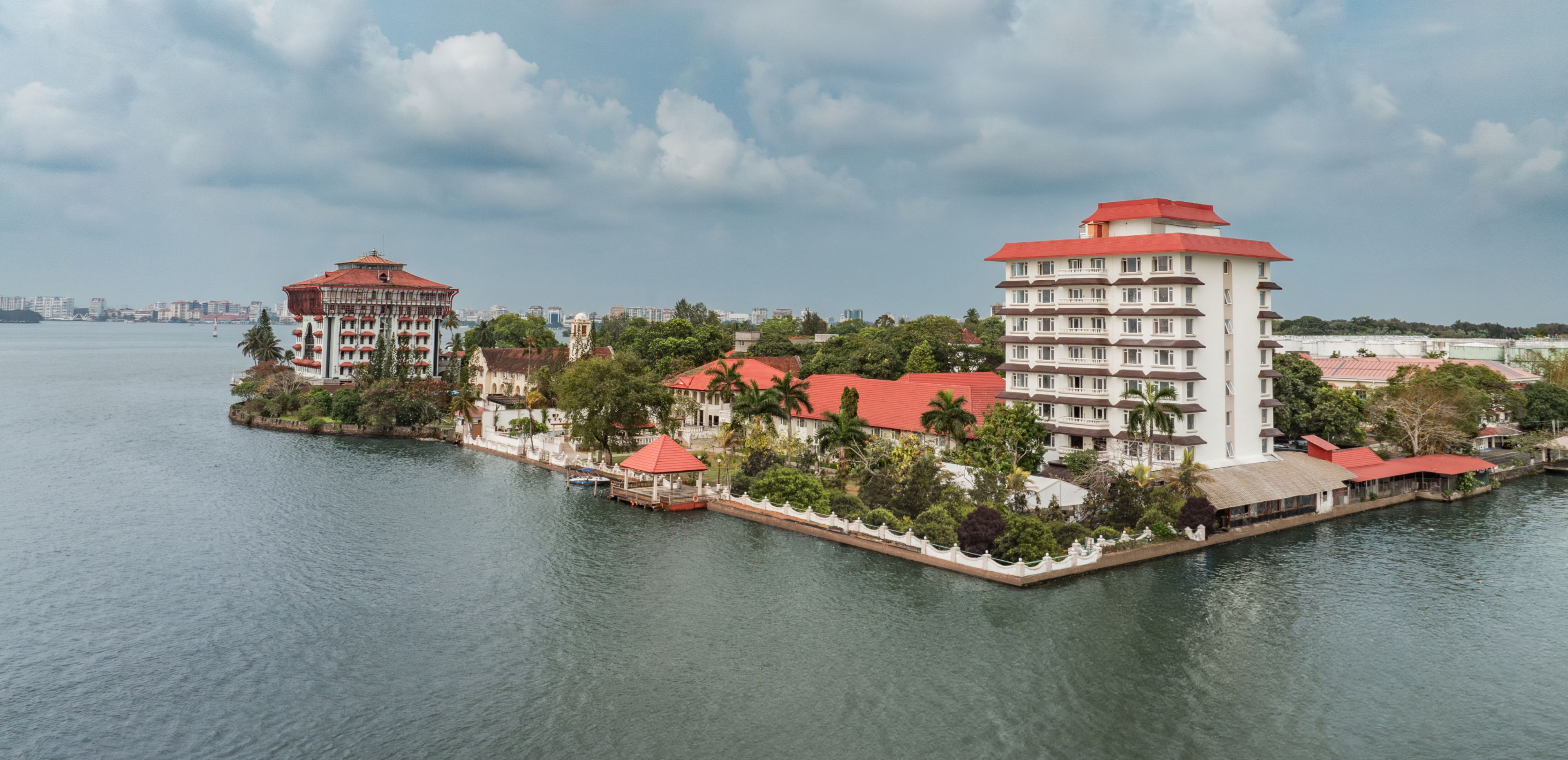
Where to Stay in Kochi
1 recommended properties
Money-Saving Tips
- 1.Ferry rides cost ₹4 between Ernakulam and Fort Kochi – skip expensive taxis for this scenic commute
- 2.Eat at local joints in Ernakulam rather than Fort Kochi restaurants to cut food costs by 60%
- 3.Book accommodation in Ernakulam and ferry to Fort Kochi daily – hotels cost half the price
- 4.Buy spices at Broadway Market in Ernakulam, not tourist shops in Mattancherry – same quality, 40% less cost
- 5.Use government buses (₹12) instead of auto-rickshaws (₹80) for longer distances within the city
- 6.Book backwater day trips directly with boat operators at Kumbakonam jetty – avoid tour company markups
Travel Tips
- •Carry cash – many local restaurants and small shops don't accept cards, especially in Fort Kochi
- •The Chinese fishing nets look best 30 minutes before sunset when the light turns golden
- •Dress modestly when visiting churches and synagogues – shoulders and knees covered
- •Learn basic Malayalam phrases – locals appreciate the effort and shopkeepers become friendlier
- •Book Kathakali performances in advance during peak season – shows sell out quickly
- •Keep mosquito repellent handy, especially during evening walks along the backwaters
- •Negotiate auto-rickshaw fares before getting in – drivers quote tourist prices by default
- •Try the local toddy (palm wine) but stick to busy shops where it's fresh – old toddy tastes awful
- •Visit spice markets early morning (8-10 AM) when vendors are setting up and prices are most negotiable
- •Download offline maps – GPS gets confused in Fort Kochi's narrow colonial streets