Kolkata
India's cultural capital where literature and art flourish
Kolkata hits different. This is where Tagore wrote poetry, where adda (intellectual conversations) happen over endless cups of tea, and where you can eat like royalty for the price of a coffee back home. The city moves at its own pace — slower than Mumbai, more thoughtful than Delhi. Here's the thing: most travelers skip Kolkata for the obvious India highlights. Their loss, your gain. The City of Joy rewards those who dig deeper into its crumbling colonial facades and bustling para (neighborhoods) with some of the country's best food, most passionate art scene, and warmest people you'll meet.
Best Months
JAN · FEB · MAR · OCT · NOV · DEC
~29°C · peak crowds
Culture & Context
ADDA & PHILOSOPHY
Kolkata was the capital of British India until 1911, and that history sits everywhere you look: in crumbling colonial facades, in the city's obsession with football and debate, in the coffee house culture on College Street where arguments about politics and literature still run long into the afternoon. Bengalis genuinely regard their city as India's intellectual and literary center, and they're not being arrogant. This is the city of Tagore, Satyajit Ray, and Swami Vivekananda.
People here debate everything, from cricket scores to philosophy, with the same intensity. The concept of 'adda' (pronounced 'udda') is central to life here: it means a leisurely, meandering conversation with friends, often over tea, that has no agenda and no end time. Don't rush it.
Food is taken extremely seriously. A Bengali will spend 20 minutes explaining the difference between two varieties of hilsa fish. That's not pretension; it's just how things are.
Durga Puja is not just a religious festival here; it's the emotional axis of the entire year. Bengalis plan their calendar, their clothes, and their homecomings around it. The city also runs on its own rhythm, which is slower and more philosophical than Mumbai or Bangalore.
Locals will readily stop to help you, argue with you, or invite you for tea. Accept all three.
Local Customs
NOMOSHKAR & RIGHT HAND
Greet elders and strangers with 'Nomoshkar' (palms together, slight bow) rather than a handshake. It goes a long way.. Take off your shoes before entering temples and most traditional homes.
Look for a pile of footwear at the entrance as your cue.. Bargaining is expected at street markets and most small shops. Start at about half the quoted price and settle somewhere in the middle.
Don't bargain at fixed-price shops or restaurants.. Tap water is not safe to drink. Stick to bottled or filtered water, even for brushing teeth if you have a sensitive stomach..
Public displays of affection between couples draw stares and sometimes unwanted attention. Keep it minimal outside tourist areas.. Eating with your right hand is the traditional method, especially in non-fancy settings.
Using your left hand for food is considered unclean.. During Durga Puja, wearing new clothes (especially kurtas or sarees) when pandal-hopping is not required but will earn you instant warmth from locals.. The city has women-only compartments on the metro.
Solo female travelers should use them, especially during peak hours.. When visiting Kalighat or Dakshineswar temples, dress modestly: cover shoulders and legs. Priests inside may try to charge you for 'special' rituals; you're not obligated..
Don't be surprised if a stranger on the street starts a conversation and invites you for tea. This is 'adda' culture in action. It's genuine, not a scam (usually).
Safety
STATISTICALLY VERY SAFE
Kolkata is statistically the safest major metropolitan city in India, with notably low rates of violent crime against tourists. That said, it's not risk-free, and a few specific things are worth knowing. Taxi scams are the most common issue: drivers (especially unmetered yellow Ambassador cabs) will quote inflated prices to anyone who looks like they don't know better.
Use Uber or Ola for almost everything; the app fare is the fare. Pickpocketing happens in crowded areas like New Market, Sealdah Station, and during festival gatherings. Keep your phone in a front pocket and don't flash expensive cameras in dense crowds.
After dark, avoid Sonagachi (red-light district), Sealdah Station's surrounding streets, and poorly-lit sections of Dharmatala and Esplanade. Park Street and Salt Lake are fine after dark. Solo female travelers generally have positive experiences here, but staring and occasional unwanted attention do occur, particularly outside central tourist areas.
Women-only metro compartments exist and are worth using during rush hour. Don't drink tap water. Street food is generally fine if you pick stalls with visible turnover and fresh cooking; avoid anything sitting under glass for hours.
The city does get very hot and humid from March through June, so heat exhaustion is a real risk if you're walking a lot. Carry water.
Getting Around
METRO & VINTAGE TRAMS
The Kolkata Metro is your best friend. It runs north-south (and has expanded east-west and south), costs ₹5-25 depending on distance, and cuts through the worst of the city's traffic. Avoid it during office hours (8-10am, 5-8pm) if you're claustrophobic.
Uber and Ola are reliable, GPS-tracked, and correctly priced. Use them for anything outside metro range. The yellow Ambassador taxis are being phased out but still exist.
They're charming, but always negotiate a fare before getting in or insist on the meter (which drivers frequently claim is broken). Rickshaws run fixed shared routes for about ₹10-15 and are great for short hops in North Kolkata. Kolkata is one of the last cities in the world with functioning trams.
Routes are limited, they're slow, and they get stuck in traffic, but riding one down Esplanade is a genuine experience worth doing once. Ferries cross the Hooghly River between various ghats and offer good views of Howrah Bridge. The trip from Babughat to Howrah costs a few rupees and is a pleasant alternative to the bridge crossing.
For airport transfers, book an Uber or Ola in advance or use the prepaid taxi counter inside the arrivals hall. Don't accept offers from people approaching you in the arrivals area.
Useful Phrases
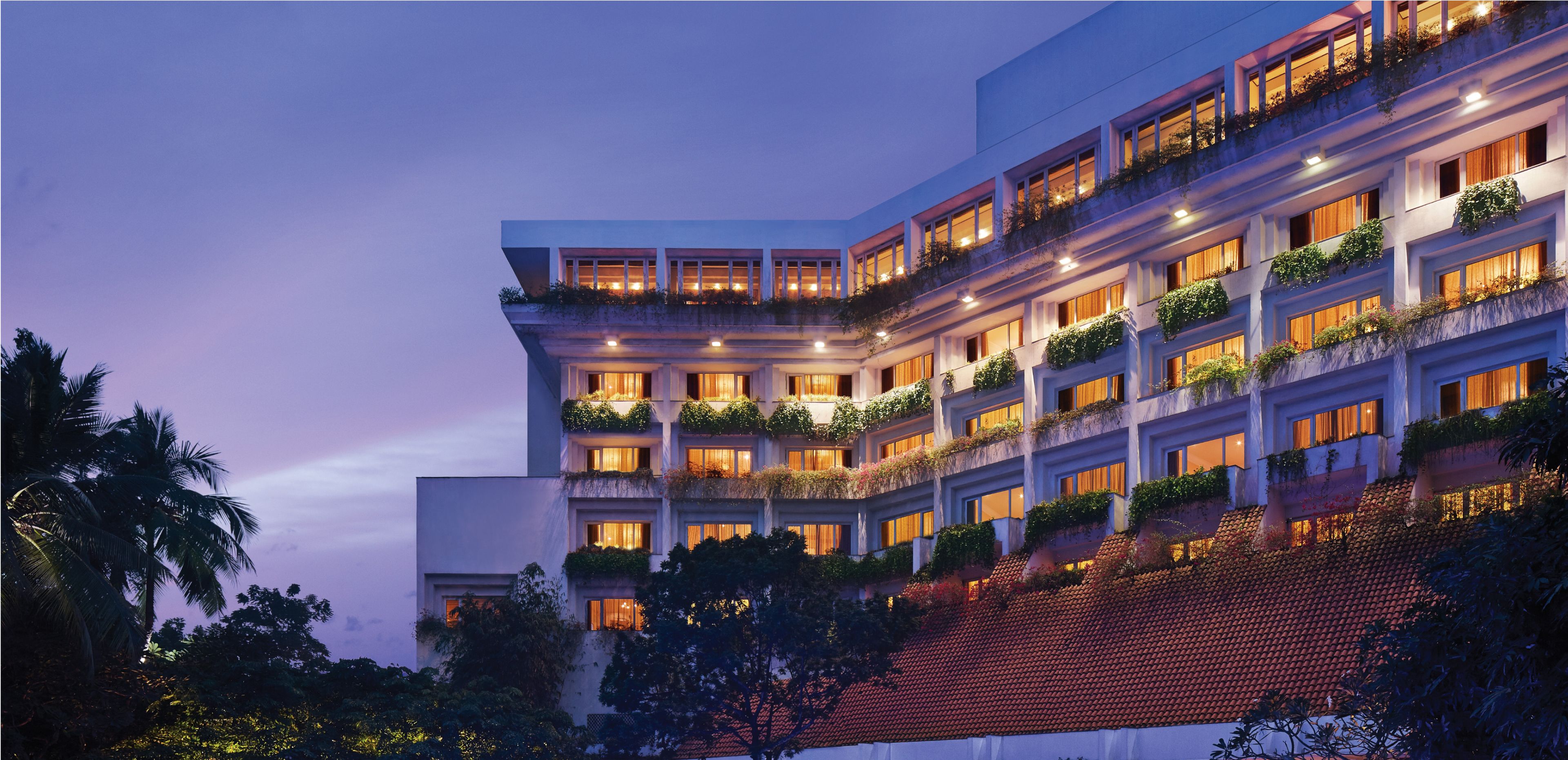
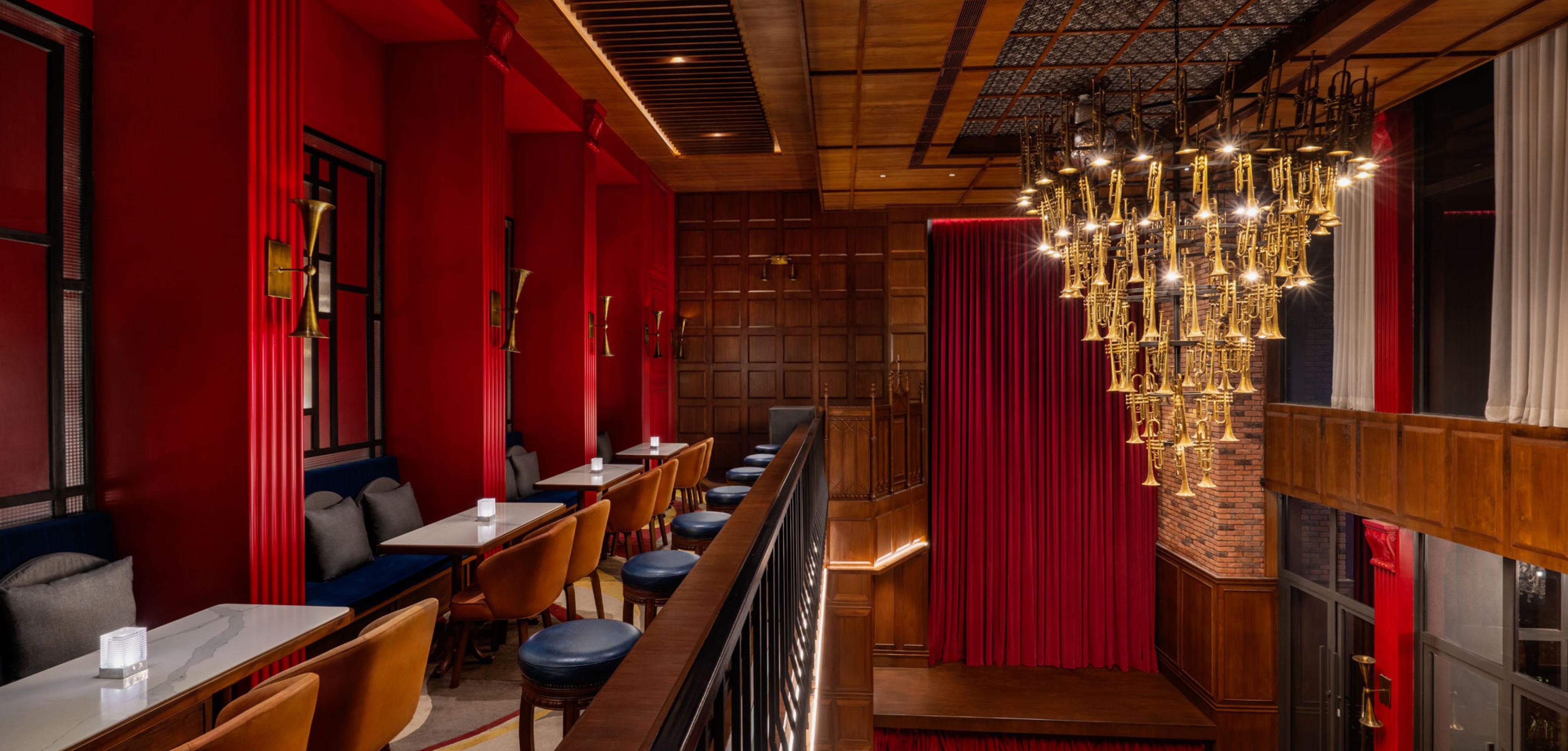
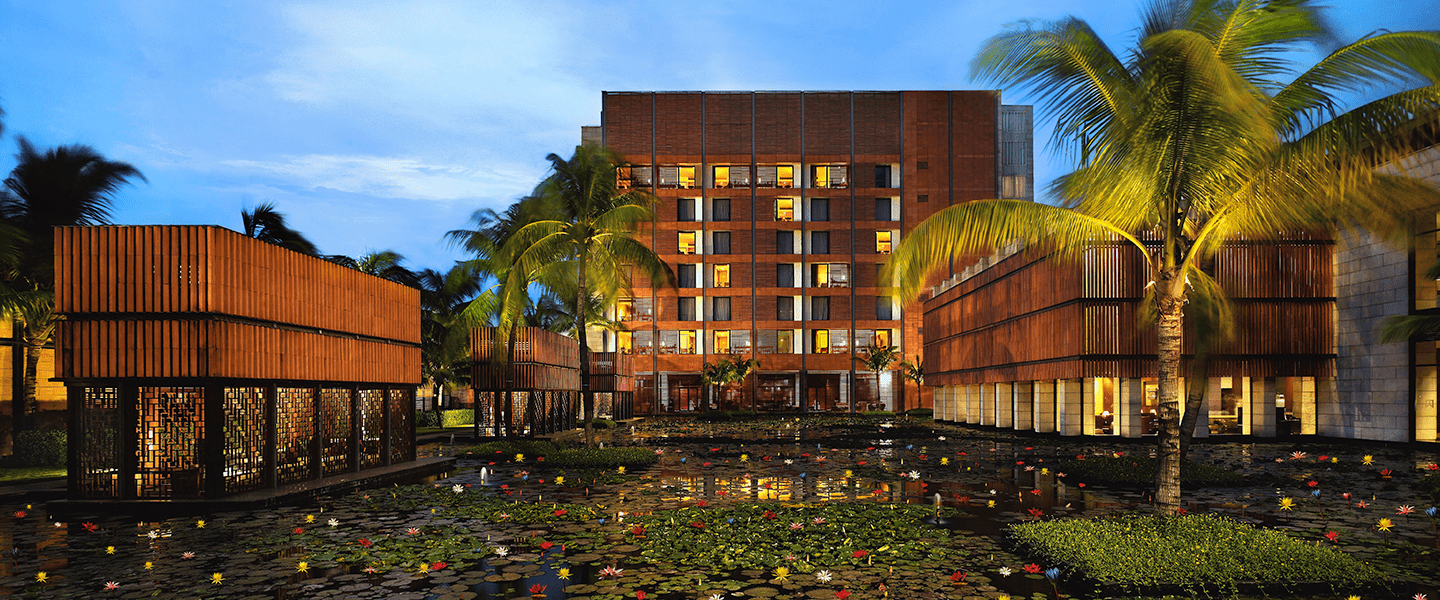
Where to Stay in Kolkata
3 recommended properties
Money-Saving Tips
- 1.Street food meals cost ₹50-100 while restaurant dinners run ₹200-500 per person
- 2.Metro rides cost just ₹5-15, making it the cheapest way to get around the city
- 3.Book fair season (February) offers incredible deals on books with discounts up to 50%
- 4.Local buses cost ₹5-10 per ride but can be confusing for first-time visitors
- 5.Tram rides cost only ₹2 and offer a unique way to see the city slowly
- 6.Heritage walking tours through local organizations cost ₹200-300 vs ₹1500+ for private guides
Travel Tips
- •Learn basic Bengali greetings — locals appreciate the effort and warm up quickly
- •Always carry cash as many local eateries and shops don't accept cards
- •Afternoon heat can be intense from March onwards, plan indoor activities between 12-4 PM
- •Kolkata's intellectual culture thrives in coffee houses — join conversations if invited
- •Book train tickets to day trip destinations in advance, especially during festival seasons
- •Dress modestly when visiting temples and religious sites throughout the city