
Leh
High-altitude Buddhist kingdom in the Himalayas
At 11,500 feet above sea level, Leh hits you like a meditation retreat wrapped in mountain madness. This former Silk Road trading post sits in Ladakh's moonscape valleys, where prayer flags flutter against impossibly blue skies and monks debate philosophy in monastery courtyards. The air is thin enough to make you dizzy, but the views will do that anyway. Ancient gompas cling to cliffsides while the Indus River cuts through barren peaks that look more Mars than Earth. It's Buddhism meets high-altitude adventure, where you can trek to remote villages in the morning and sip butter tea with locals by afternoon.
Best Months
JUN – SEP
~25°C · high crowds
Culture & Context
BUDDHIST, NOT INDIA
Leh doesn't really feel like India. That's the first thing most people notice stepping off the plane. The landscape, the pace, the architecture, the smell of juniper incense drifting from monastery doors — it's closer to Tibet than to Delhi.
Vajrayana Buddhism shapes everyday life here, from the prayer flags snapping in the mountain wind to monks in crimson robes arguing over momos at a roadside stall. But Leh is also genuinely multi-faith. The Jama Masjid sits right in the central market, and the Muslim and Buddhist communities have coexisted here for centuries with remarkably little friction.
Locals follow a slow rhythm that visitors either love or find maddening in the first 48 hours. Don't rush them. The concept of "kule-kule" (slowly slowly) isn't just a phrase — it's a philosophy.
Ladakhi society places deep respect on elders, nature, and spiritual practice. When entering monasteries, remove your shoes, don't point your feet toward sacred objects, and walk clockwise around stupas and prayer wheels. When a local family invites you in for butter tea, refuse politely once or twice before accepting.
This custom (called dzangs) isn't rudeness — it's how hosts show they're not just being performative about hospitality. The tea itself, by the way, is salty and buttery and takes some getting used to. Try it anyway.
Local Customs
SHOES OFF ALWAYS
Remove shoes before entering any monastery, gompa, or private home. This is non-negotiable — even at the most tourist-heavy sites.. Walk clockwise around stupas, prayer wheels, and mani walls.
Always keep them on your right side. Going the wrong way is genuinely disrespectful.. When offered food or butter tea, refuse once or twice before accepting.
This custom (dzangs) shows modesty. Your host will insist. Accept on the third offer..
Never put anything that's touched your mouth back into a communal pot or dish. This is called khatet (pollution) and is a serious cultural taboo.. Avoid pointing your feet toward sacred objects, books, or people.
Feet are considered spiritually unclean in Ladakhi Buddhist culture.. Dress modestly near religious sites. Shoulders and knees covered.
Not optional at monasteries even in the August heat.. Don't photograph monks or monastery interiors without asking permission. Some areas are off-limits entirely..
Carry cash. ATMs exist in Leh market but are unreliable and frequently out of cash, especially in peak season. There are essentially no ATMs outside Leh town..
Altitude demands respect. The Leh District Administration mandates 48 hours of acclimatization before heading to higher areas. Don't ignore this — AMS hospitalizations happen every summer season..
Alcohol and smoking are discouraged in the first 48 hours at altitude. Both suppress breathing and worsen altitude sickness symptoms significantly.
Safety
ALTITUDE IS LETHAL
Altitude is the main issue. Leh sits at 3,500m (11,520 feet), and the Leh District Administration mandates a 48-hour acclimatization period before traveling to higher areas. This isn't just a recommendation — it's enforced at checkpoints.
Symptoms in the first 24 hours (mild headache, slight breathlessness on stairs) are normal. The warning signs to take seriously are: wet cough or bubbling sounds in the chest (HAPE, fluid in lungs), confusion or loss of balance (HACE, fluid in brain). Both are life-threatening.
The only correct response is immediate descent. SNM Hospital Leh operates 24/7 with emergency services (01982-252014). The Army General Hospital also assists tourists.
No alcohol in the first 48 hours — it suppresses breathing. No sleeping pills either. Drink 3-4 liters of water daily.
Roads in Ladakh are genuinely dangerous: hairpin bends, unpredictable weather, river crossings, and sections with no guardrails. An SUV with an experienced local driver is strongly recommended over a sedan for any pass crossing. The Manali-Leh Highway and Srinagar-Leh Highway are subject to sudden closures from landslides and flash floods — check BRO (Border Roads Organisation) updates before setting out each morning.
Crime rates in Leh are very low. Ladakh is considered one of India's safest destinations for solo travelers including solo women. Exchange currency only at official money changers.
Don't book tours through strangers on the street.
Getting Around
FLY OR ENDURE
Flying is the fastest way in. Kushok Bakula Rimpochee Airport (IXL) in Leh connects to Delhi, Mumbai, Chandigarh, Srinagar, and Jammu. Book Delhi-Leh flights early for ₹6,000–₹12,000 return.
Wait until June and prices climb above ₹15,000. Luggage weight limits are strict and enforced at check-in. The road alternatives are epic but genuinely exhausting.
The Manali-Leh Highway (470km, open June–October) is the more dramatic route through five high-altitude passes. The Srinagar-Leh Highway (420km, open May–October) is smoother and better for first-time altitude adjusters since the gain is more gradual. HRTC buses from Manali to Leh cost ₹800–₹1,200 per seat and take roughly two days.
Inside Leh, walking covers Main Bazaar, Fort Road, and Changspa without any transport. For day trips and the monastery circuit, shared taxis are the budget option (₹2,500–₹3,500 per seat to Pangong or Nubra). Private SUV hire runs ₹3,000–₹5,000/day for local sightseeing, and the full Nubra-Pangong three-day circuit in a private SUV costs roughly ₹22,000–₹24,000, usually split among four travelers.
Bike rentals start at ₹1,200/day for a Royal Enfield 350cc. Sedans are not recommended for pass crossings — river crossings near Pang and Sarchu require high ground clearance.
Useful Phrases
Leh Itineraries
View all
Wild Valleys & Monasteries: 7 Days in Leh Ladakh
Week · $$$
High-Altitude Weekend: Leh’s Wild Valleys & Monasteries
Weekend · $$$
Romantic 7-Day Leh Escape: Valleys, Monasteries, and Stargazing
Week · $$$
High-Altitude Romance: A Long Weekend in Leh
Weekend · $$$
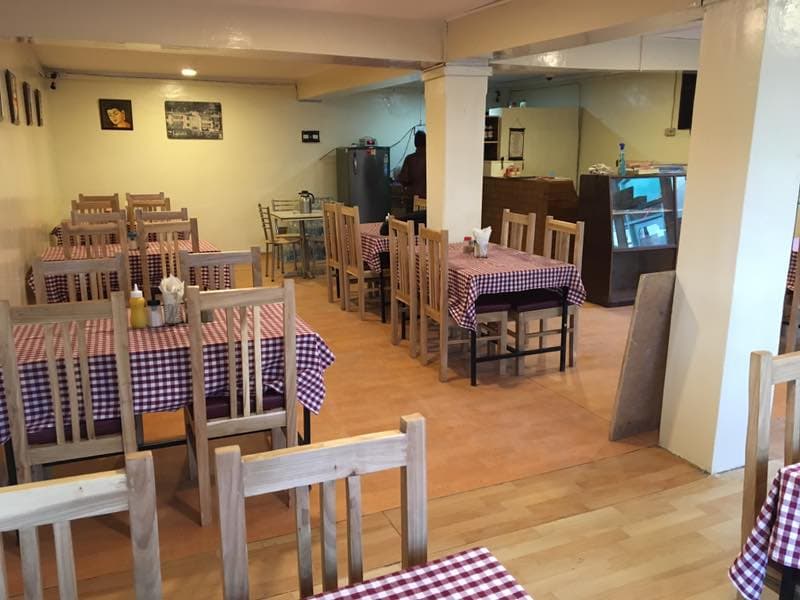
Leh Family Adventure: Lakes, Monasteries, and Mountain Air
Week · $$$

Wild Valleys & Monasteries: A Family Weekend in Leh
Weekend · $$$
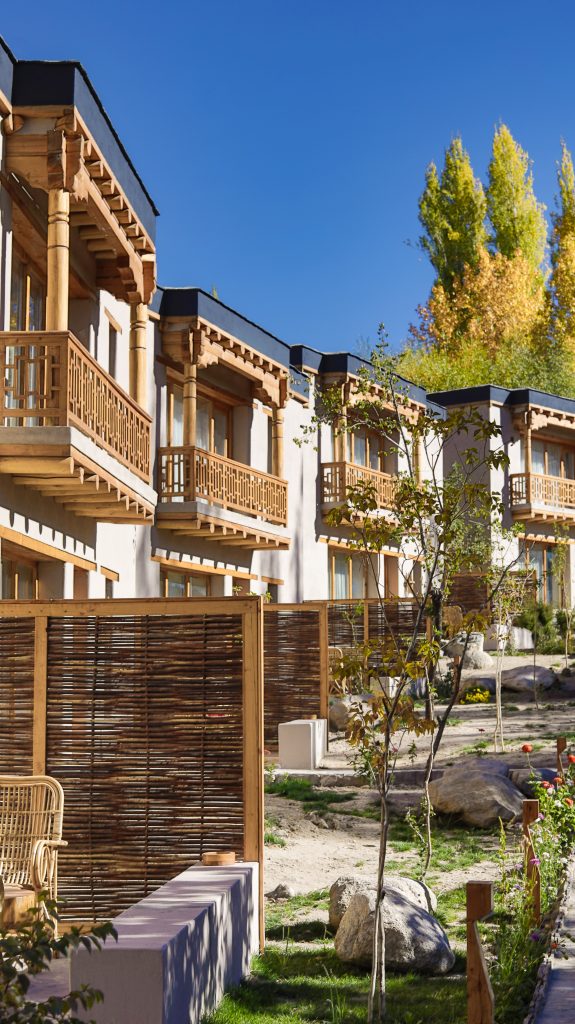
Where to Stay in Leh
1 recommended properties
Things to Do in Leh
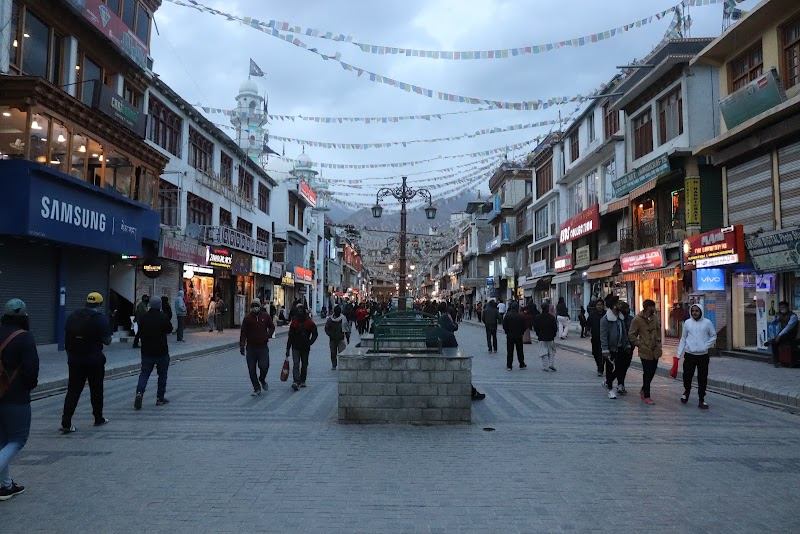
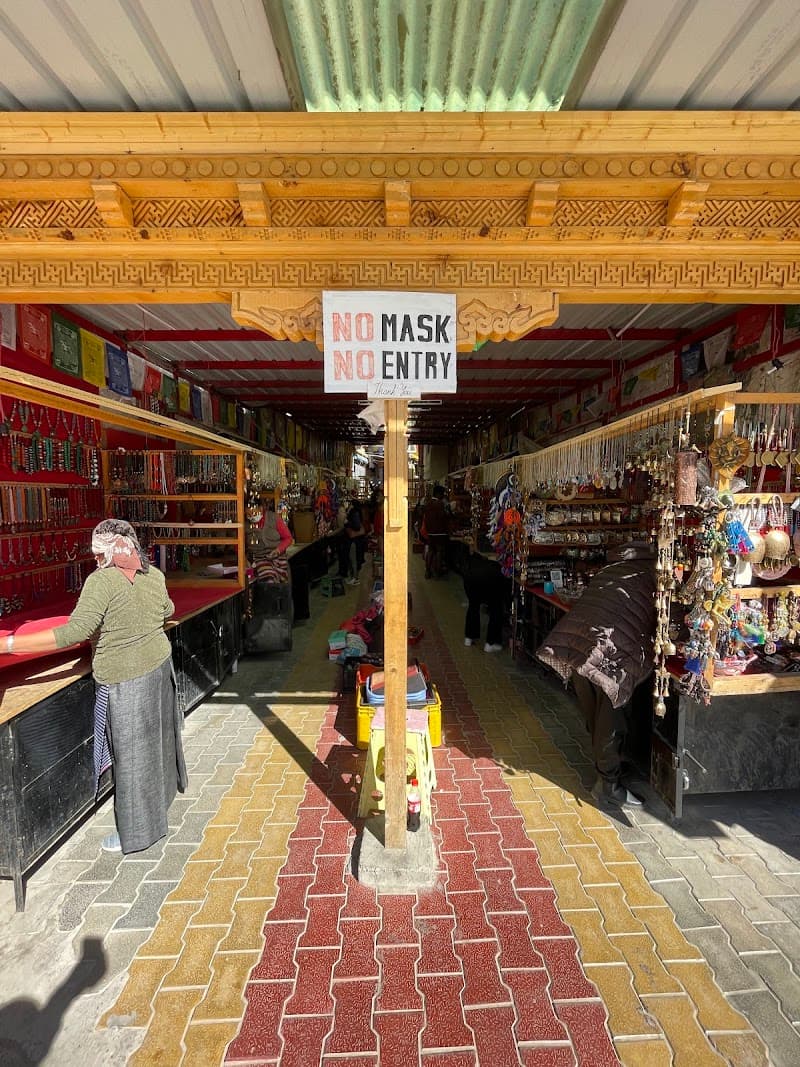
Leh Main Bazaar Walk
Leh Main Bazaar · 60 min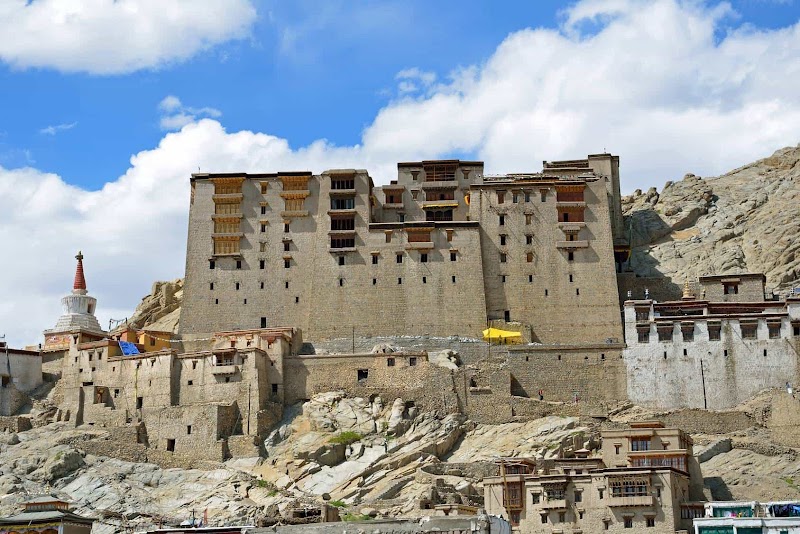
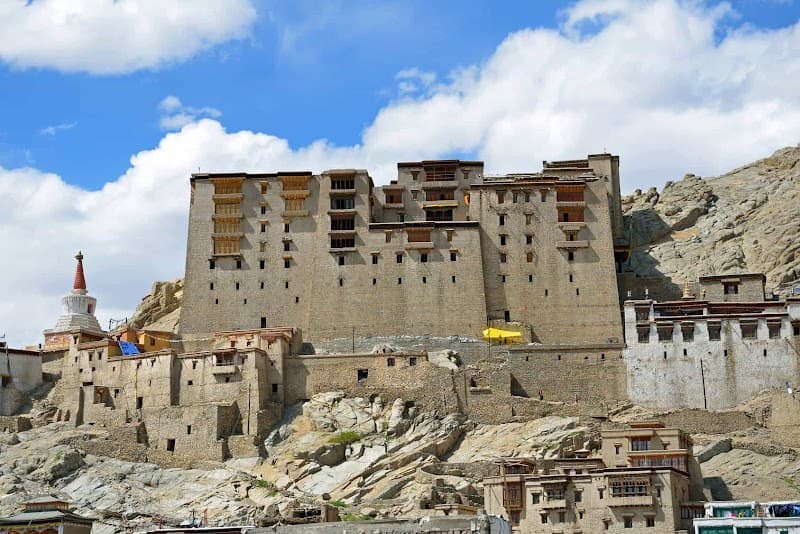
Leh Palace
Old Leh · 90 min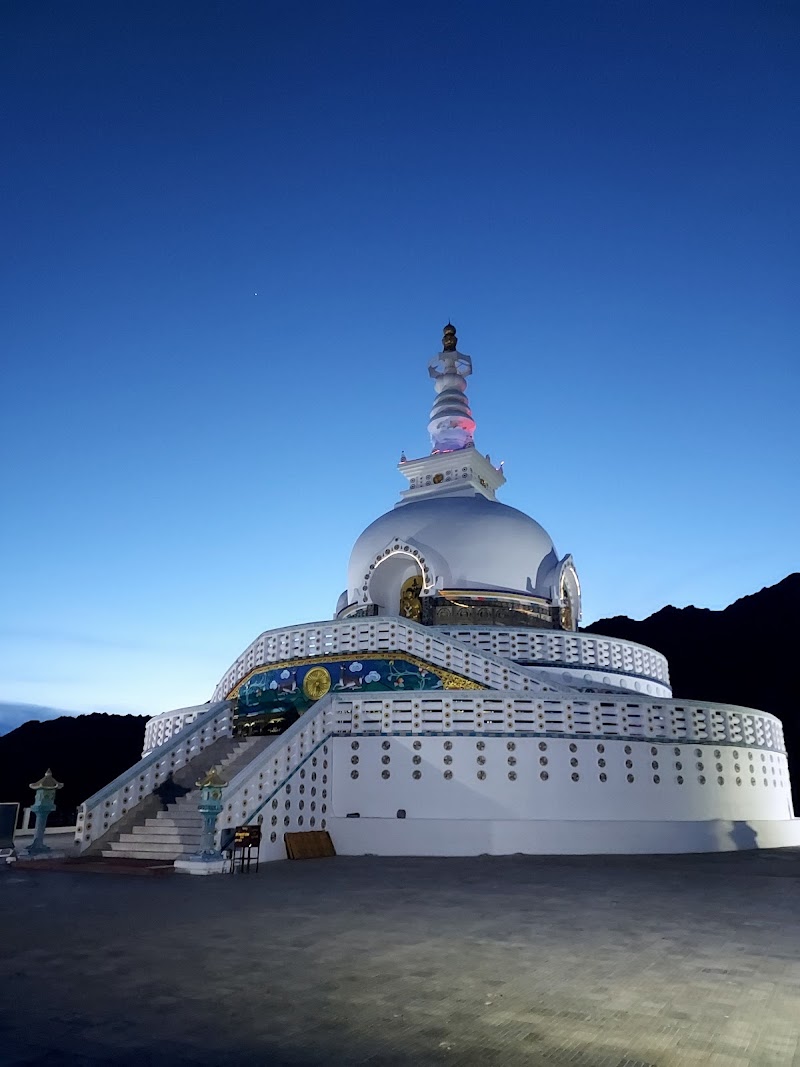
Shanti Stupa
Changspa / Shanti Stupa Hill · 90 minMoney-Saving Tips
- 1.Carry cash - ATMs are unreliable and many places don't accept cards
- 2.Budget ₹3,000-5,000 daily for food, transport, and basic accommodation
- 3.Permits for restricted areas like Nubra Valley cost ₹400 per person
- 4.Shared taxis are half the price of private ones for popular day trips
- 5.Buy a local SIM card in Leh town - data packages work better than roaming
- 6.Stock up on medicines and snacks in Leh before heading to remote areas
- 7.Negotiate taxi fares upfront and confirm if fuel is included
- 8.Monastery entry fees range from ₹30-100, photography costs extra
Travel Tips
- •Arrive by flight to acclimatize faster than the grueling road journey
- •Drink lots of water but avoid alcohol for the first 48 hours
- •Pack warm clothes even in summer - temperatures drop dramatically at night
- •Download offline maps - cell coverage is spotty outside Leh town
- •Respect monastery rules - no photography during prayers, remove shoes
- •Carry sunscreen and sunglasses - UV rays are intense at this altitude
- •Book accommodations in advance during peak season (July-August)
- •Keep copies of permits and ID - checkposts are frequent on mountain roads