
Munnar
Kerala's misty tea plantation paradise in the clouds
Look, most people think Kerala is just backwaters and beaches. But climb 1,600 meters into the Western Ghats and you'll find Munnar – a hill station where mist rolls through endless tea plantations like something out of a dream. This isn't your typical Kerala experience. Here, mornings start with cardamom-scented air and views that stretch across green carpets of tea bushes. The temperature drops to a crisp 15°C even in summer, making it Kerala's go-to escape from the coastal heat. Sure, it gets touristy during peak season, but catch it right and you'll understand why couples flock here for honeymoons and why stressed-out city dwellers come to reset their minds.
Best Months
JAN · FEB · MAR · APR · MAY · OCT · NOV · DEC
~27°C · high crowds
Culture & Context
COLONIAL TEA LEGACY
Munnar's tea plantation culture goes back to British rule in the 19th century. The landscape you see today — those uniform rows of trimmed tea bushes across 30,000-plus hectares — is a direct legacy of colonial-era agriculture. The town sits at the confluence of three rivers: Mudhirapuzha, Nallathanni, and Kundala.
That's literally what "Munnar" means in Malayalam: "moonnu" (three) plus "aar" (small river). The local community is a mix of Tamil estate workers, Malayali families, Muthuvan tribal communities who have lived in these hills for generations, and a growing hospitality workforce. Malayalam is the primary language, though most people in tourist-facing jobs speak functional English.
Kerala has one of India's highest literacy rates, which you'll notice in how organized and polite most interactions are. Kathakali dance and Kalaripayattu (an ancient martial art) are both part of local cultural life — Kalari Kshethra puts on daily Kathakali shows at 5 PM and Kalaripayattu demonstrations at 6 PM. In 2026, Kerala Tourism has announced expanded eco-tourism circuits linking Munnar with Wayanad and Periyar, and Munnar itself is a designated eco-sensitive zone.
The Plastic-Free Munnar initiative is active — carry a reusable bottle, and don't expect anyone to hand you a plastic straw without some side-eye from locals.
Local Customs
PLASTIC-FREE, CASH FIRST
Greet with Namaskaram and a slight head nod — skip the handshake unless the other person initiates. Saying 'Chetta' (older brother) to a male shopkeeper or auto driver, or 'Chechi' (older sister) to a woman, immediately breaks the ice. It's what locals actually say to each other..
Remove shoes before entering any temple. Dress modestly at religious sites — covered shoulders and knees are the baseline. In general around Munnar, light layers work better than shorts since evenings drop to 12°C and temples will turn you away if you're underdressed..
Eravikulam National Park is closed from February to April every year for Nilgiri Tahr breeding season. The Tata Tea Museum is closed on Mondays. Entry counters at Eravikulam open 9 AM–3 PM — go early, the lines get long.
Book tickets in advance online to skip the queue.. Cash is king outside the town center. ATMs are available in Munnar Town but not reliably beyond it.
Local auto-rickshaws, roadside tea stalls, and temple entry kiosks don't take cards.. Munnar is an officially designated eco-sensitive zone. Single-use plastics are discouraged and locals take this seriously.
Bring a reusable water bottle. Some estates also charge a small photography fee at the entrance — always ask before photographing inside tea factories or pointing a camera at workers in the fields.. The SBI branch in Munnar town is your best bet for foreign card ATM withdrawals without excessive charges.
Other ATMs may reject international cards or levy extra fees.. Bargaining is acceptable but not aggressive at local markets in Munnar Town Bazaar. Tea and spices are often better quality and cheaper here than at tourist-facing shops on the main road..
For deeper forest treks like Chokramudi or Satchel routes, hire a certified local guide. It's not just safety — the guides genuinely know the terrain, spot wildlife, and provide context that makes the trek worth doing.
Safety
SAFE, WATCH FOG
Munnar is genuinely one of the safer hill destinations in India. Kerala consistently records one of the country's lowest crime rates, and the state runs a dedicated Tourist Police initiative. Solo female travelers regularly report feeling comfortable and respected.
That said, a few real things to know. Monsoon season (June–August) brings landslide risk on mountain roads — check the Kerala State Disaster Management Authority website before driving during heavy rain. Dense fog on mountain roads is a genuine hazard, especially at night.
Don't drive the Munnar hills in the dark if you're unfamiliar with the roads. Use registered taxis rather than unlicensed vehicles for remote routes. For deeper forest trails like Chokramudi or Satchel routes, hire a certified local guide — not just for safety but because the terrain is genuinely confusing.
The Eravikulam National Park area occasionally sees wild bison near the road; don't approach or feed them. Emergency services (police, fire, hospital) are present in Munnar town. Carry basic medicines since pharmacies get sparse the further you go from the town center.
Keep the local police number saved: Kerala Tourism helpline is 1800-425-4747.
Getting Around
ROAD ONLY, JEEP HIRE
Getting to Munnar is road-only — no flights, no trains directly into the hill station. Fly into Cochin International Airport (COK), 110 km away. A pre-booked taxi costs ₹3,500–₹5,000 one way and takes 4–5 hours via NH-85.
KSRTC buses from Kochi are ₹300–₹500 and run regularly — check aanavandi.com for schedules. If you're coming by train, Aluva (Ernakulam district) and Ernakulam Junction are the closest railheads at around 130 km; catch a bus or cab onward from there.
The Kochi-to-Munnar road via NH-85 passes through Aluva, Kothamangalam, and Adimali — multiple waterfalls and spice plantations along the way make it worth the drive. Once in Munnar: auto-rickshaws cover the town center at reasonable rates, but they won't go out to tea estates or viewpoints more than a few kilometers out. For day sightseeing, hire a local jeep or car through your hotel — full-day rates are typically ₹1,500–₹2,500 depending on distance.
KSRTC local buses run to nearby towns for ₹15–₹200. Renting a two-wheeler is possible but be realistic about your ability to handle steep, fog-prone mountain roads.
Useful Phrases
Munnar Itineraries
View all
Munnar Jungle-Wild Escape: 7 Days of Tea Hills and Quiet Trails
Week · $$$
Munnar Mist & Jungle Wild Weekender
Weekend · $$$
Munnar in the Mist: A Jungle-Wild Romantic Escape
Week · $$$
Munnar Jungle Romance: Tea Hills & Wild Green Escapes
Weekend · $$$
7 Days in Munnar: Tea Hills, Jungle Mist and Family Fun
Week · $$$
Munnar Jungle Hills: A Family-Friendly 3-Day Escape
Weekend · $$$
Things to Do in Munnar
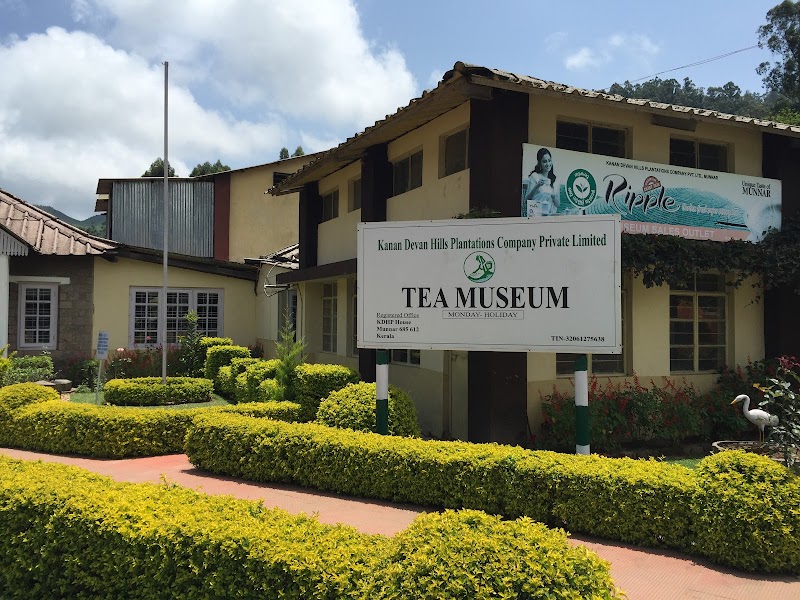
Munnar Tea Museum
Central Munnar · 90 min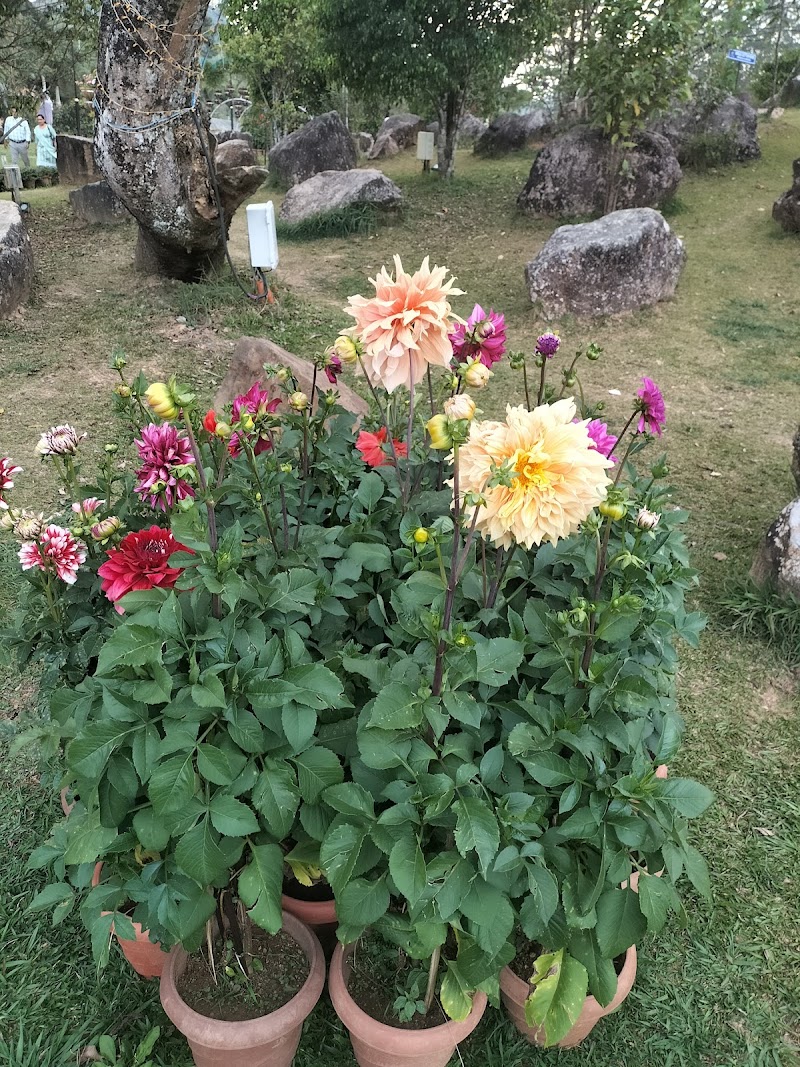
Blossom Hydel Park
Munnar Town Edge · 75 min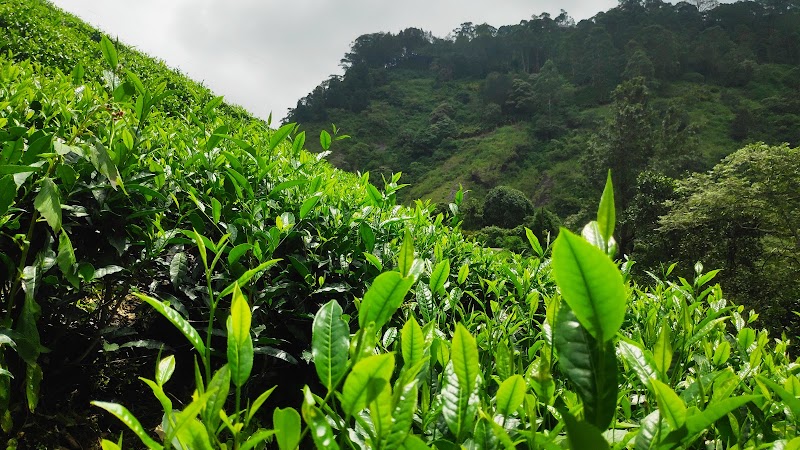
Pallivasal Tea Garden Walk
Pallivasal · 120 minMoney-Saving Tips
- 1.Book accommodation outside peak season (December-January) to save 30-40% on room rates
- 2.Rent a scooter for ₹300-500 per day instead of hiring taxis at ₹2,000+ for sightseeing
- 3.Buy tea directly from estate shops rather than tourist centers – same quality, half the price
- 4.Pack warm clothes instead of buying overpriced sweaters from local shops
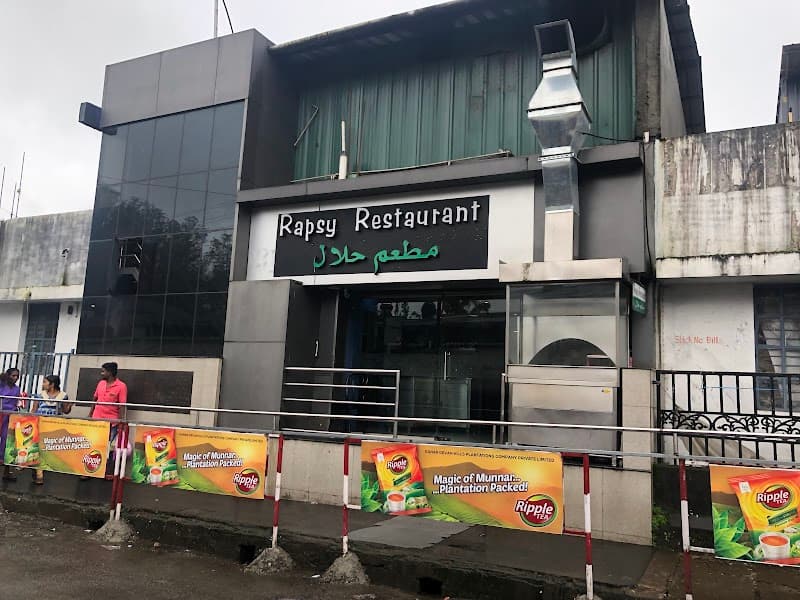
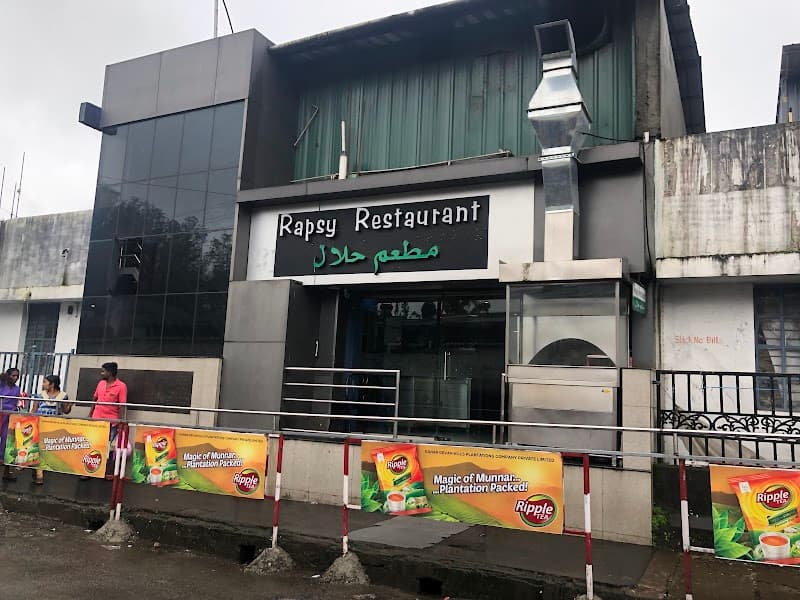
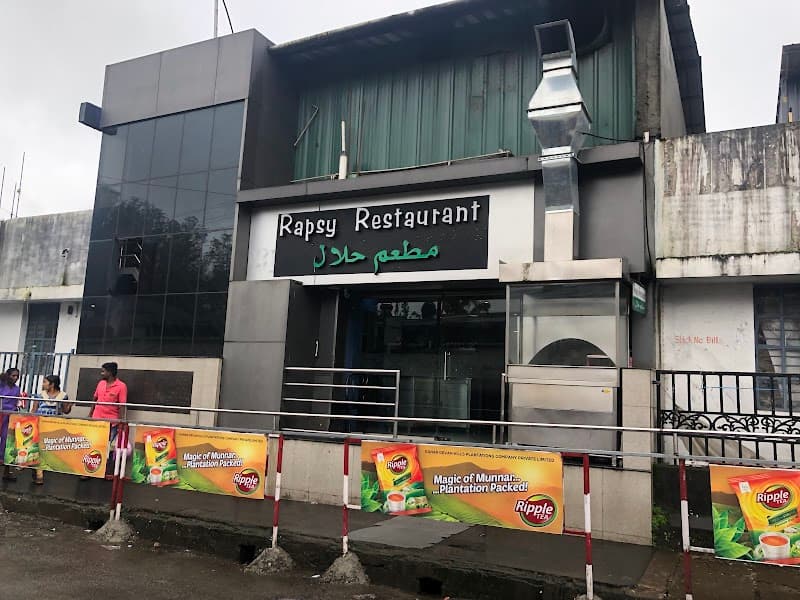
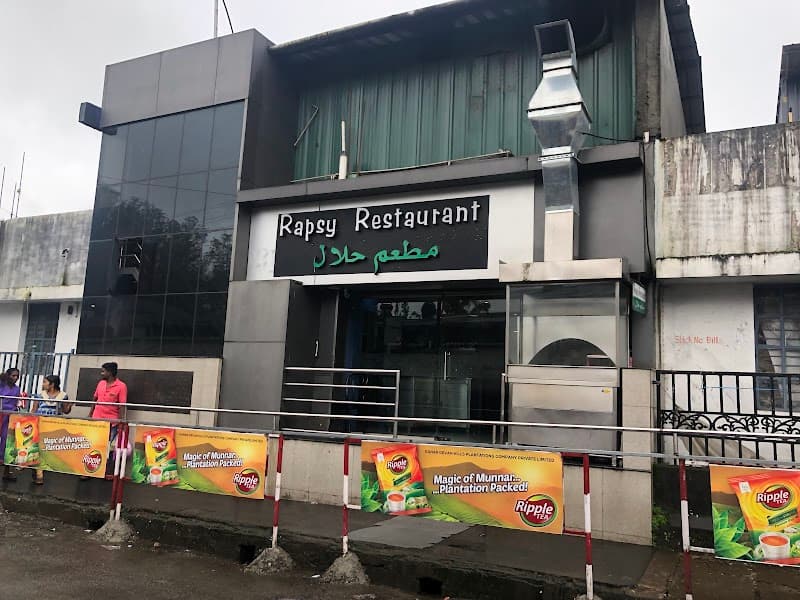
- 5.Eat at local places like Rapsy Restaurant rather than hotel restaurants to cut food costs in half
- 6.Visit multiple viewpoints in one day to maximize your transport investment
- 7.Book tea estate bungalows for authentic stays that often cost less than luxury resorts
Travel Tips
- •Carry warm clothes even in summer – temperatures can drop to 15°C at night
- •Start early for Top Station sunrise (4:30 AM departure) to avoid crowds and get clear views
- •Book Eravikulam National Park tickets online in advance, especially during peak season
- •Drive carefully on mountain roads – use horn before blind curves and keep headlights on
- •Pack motion sickness medication if you're sensitive to winding mountain roads
- •Bring a good camera with zoom lens for wildlife spotting in the national parks
- •Check weather conditions before heading to high-altitude viewpoints like Top Station
- •Book tea plantation tours directly with estates for more authentic experiences
- •Carry cash as many local shops and restaurants don't accept cards
- •Plan for limited mobile connectivity in remote areas and download offline maps