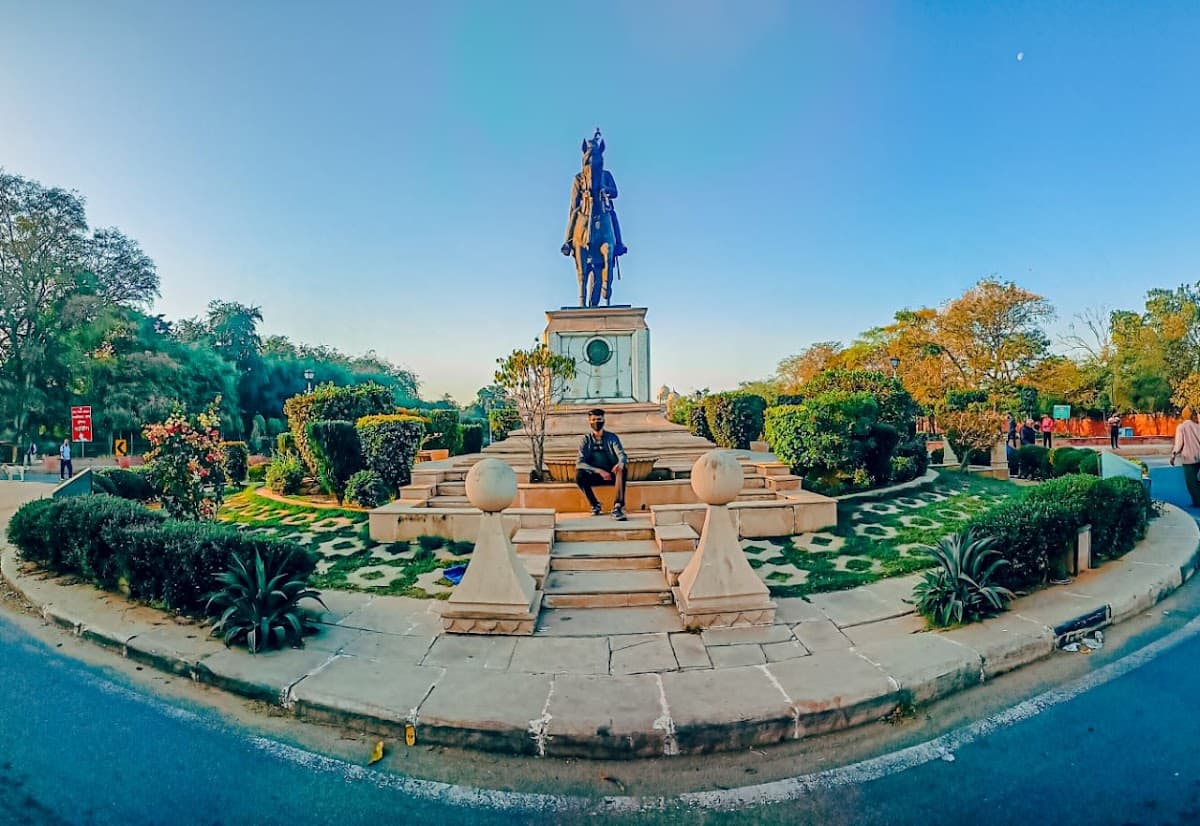
Jaipur
Pink City of Palaces and Royal Heritage
Jaipur hits you like a wave of pink sandstone and royal grandeur. This isn't just another Indian city—it's where Rajput kings built their dreams in rose-colored stone, creating palaces that still make your jaw drop centuries later. The old city walls contain a maze of bazaars selling everything from block-printed textiles to precious gems, while magnificent forts crown the surrounding hills like ancient crowns. Sure, the traffic can be intense and the touts persistent, but that's part of the authentic experience. Here's the thing: Jaipur rewards the curious traveler with layers of history, incredible architecture, and some of the best shopping in India.
Best Months
JAN · FEB · MAR · OCT · NOV · DEC
~28°C · high crowds
Culture & Context
PINK CITY GEMSTONE CAPITAL
Jaipur was purpose-built in 1727 by Maharaja Sawai Jai Singh II on a strict grid plan, making it India's first planned city. The entire Old City was painted terracotta pink in 1876 to welcome the visiting Prince of Wales, and by law it still has to stay that color today. It now holds UNESCO World Heritage status.
The architecture here is a Rajput-Mughal fusion that shows up in everything from City Palace's seven-story tower to the latticed windows of Hawa Mahal. And Jaipur is also a working city of over 4 million people. It's not just a museum piece.
The bazaars around the Old City have been trading gems and textiles for centuries, and they still are. Jaipur is the gemstone capital of India, so every second shop will try to sell you something sparkly. The city anchors India's famous Golden Triangle tourist circuit alongside Delhi and Agra, which means tourist infrastructure is solid, but it also means the scams are practiced and the touts are persistent.
Come prepared for both the grandeur and the hustle.
Local Customs
SHOES OFF, RIGHT HAND ALWAYS
Remove your shoes before entering any temple, mosque, or gurudwara. No exceptions, and there's usually a spot just outside the entrance. Socks are fine to keep on..
Cover your shoulders and knees at religious sites. Carry a lightweight scarf or dupatta in your bag at all times: it serves as a sun cover, temple cover, and dust shield all in one. You can buy beautiful ones for ₹100-200 at Bapu Bazaar..
Always negotiate the auto-rickshaw fare before getting in. This is not optional. Agree on the price, say it out loud, then get in..
Bargaining at Johari Bazaar and Bapu Bazaar is expected and required. Start at 40-50% of the first quoted price. Walking away slowly is a legitimate tactic..
Use your right hand for giving money, receiving items, and touching things in religious spaces. The left hand is considered unclean in Indian custom.. Photography rules matter at monuments.
Drones are banned across India. Tripods are not permitted at most monuments and palaces. Always ask before photographing individuals, especially women and people at prayer..
Cash is essential for bazaars, auto-rickshaws, and street food stalls. UPI (India's digital payment system) is increasingly accepted at monument ticket counters and restaurants, but don't bank on it everywhere. Cards work in malls and mid-range+ hotels..
Vegetarian food dominates Jaipur, reflecting Rajasthan's strong Hindu and Jain traditions. Most Old City restaurants and many hotels are purely vegetarian. Meat dishes exist but are easier to find in C-Scheme and hotel restaurants..
The Jaipur royal family still lives in part of City Palace. When passing through royal areas, behave accordingly: keep voices low and respect any cordoned-off sections.. Alcohol is expensive relative to food due to high Rajasthan state taxes.
Budget ₹454+ for a 650ml beer at a brewpub. Licensed liquor shops ('wine shops') sell spirits cheaper. Drinking alcohol on the street is not acceptable.
Safety
SCAMS ARE PRACTICED HERE
The gemstone export scam is the big one. Friendly strangers near monuments will pitch a "business opportunity" to ship gems back to your home country tax-free for a profit. The stones are virtually always fake or low-value glass.
Walk away. The "closed today" scam is just as common. Someone near Amber Fort or Hawa Mahal tells you the site is closed and offers to take you somewhere else (a commission shop).
In almost every case, the monument is open. Check the entrance yourself. The "my uncle's shop" gem variation works the same way.
Use Uber or Ola instead of unmarked taxis since pricing is transparent. At markets and street stalls, check the MRP (Maximum Retail Price) printed on bottled water and packaged snacks to make sure you're paying the standard price (around ₹30 per bottle). Foreign tourists pay 10-20x more than Indian citizens at government monuments, which is just the reality at places like Amber Fort and Hawa Mahal.
ATMs from SBI, ICICI, or HDFC are most reliable. Withdrawal limits cap at around ₹10,000 per transaction. Solo female travelers generally find daytime navigation easy, but stick to well-lit areas and avoid walking alone after dark.
Festival crowds during Gangaur and Teej draw pickpockets, so use a money belt.
Getting Around
UBER BEATS AUTO HAGGLING
Getting here: flights land at Jaipur International Airport (JAI), 13km south of the center. Prepaid taxis to the city run ₹482-750. Uber and Ola cost less at ₹236-482.
Trains from Delhi take 4.5-6 hours and run ₹300-900 depending on class. Book through IRCTC (irctc.
co.in) at least 30-60 days ahead during peak October-March season since popular routes sell out fast. Buses from Delhi take 5-6 hours and cost ₹536-857.
Getting around the city: Uber and Ola give you transparent, app-metered pricing, which beats haggling with every auto-rickshaw driver. Autos are cheaper and more atmospheric, but always settle the fare before getting in or they'll quote double at the end. The metro covers limited routes at ₹11-32 per trip.
The Mansarovar-to-Badi Chaupar line is the useful one for tourists heading into the Old City. Cycle-rickshaws work for short hops inside the walled city. Avoid road travel during Gangaur and Teej procession days.
Traffic genuinely stops in the Old City for hours.
Useful Phrases
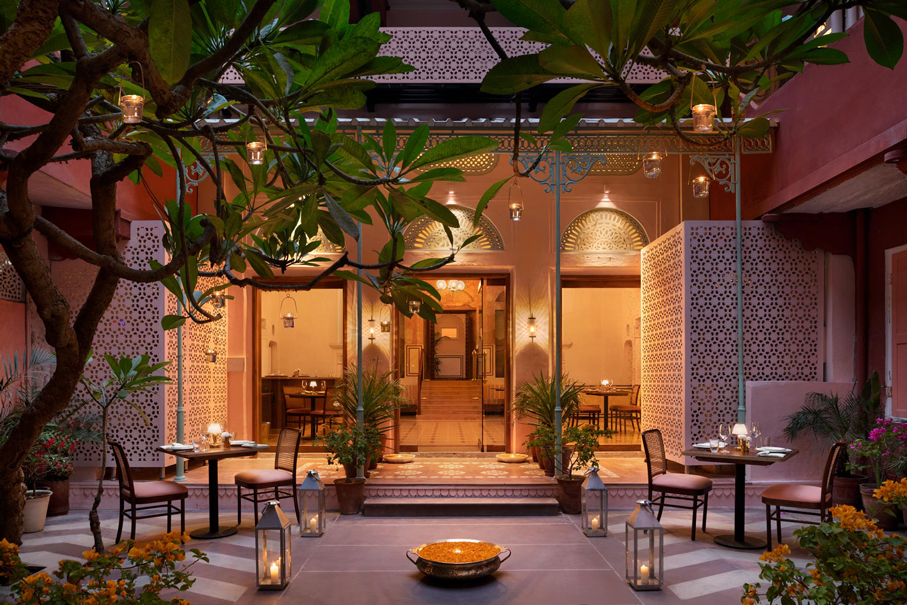
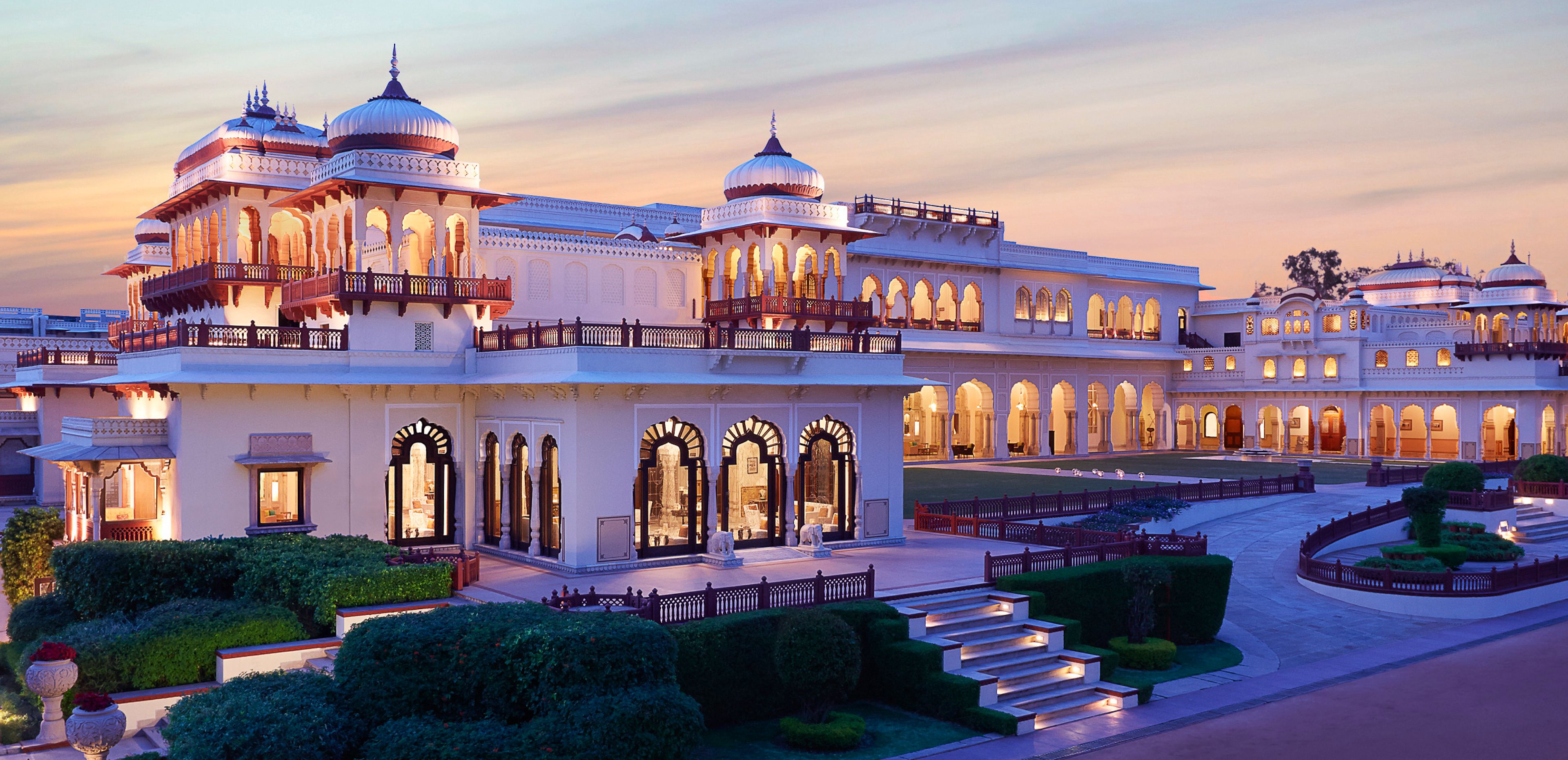
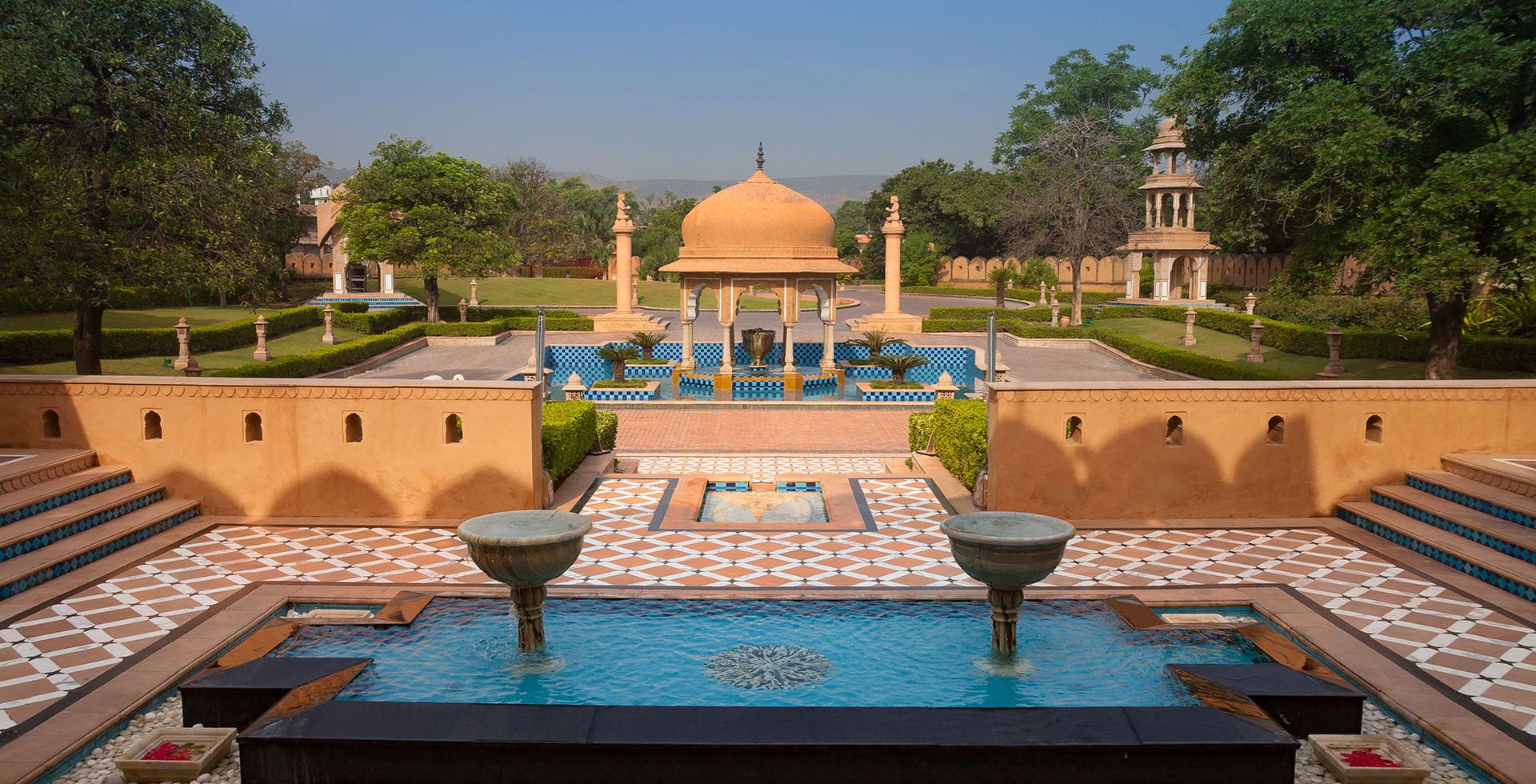
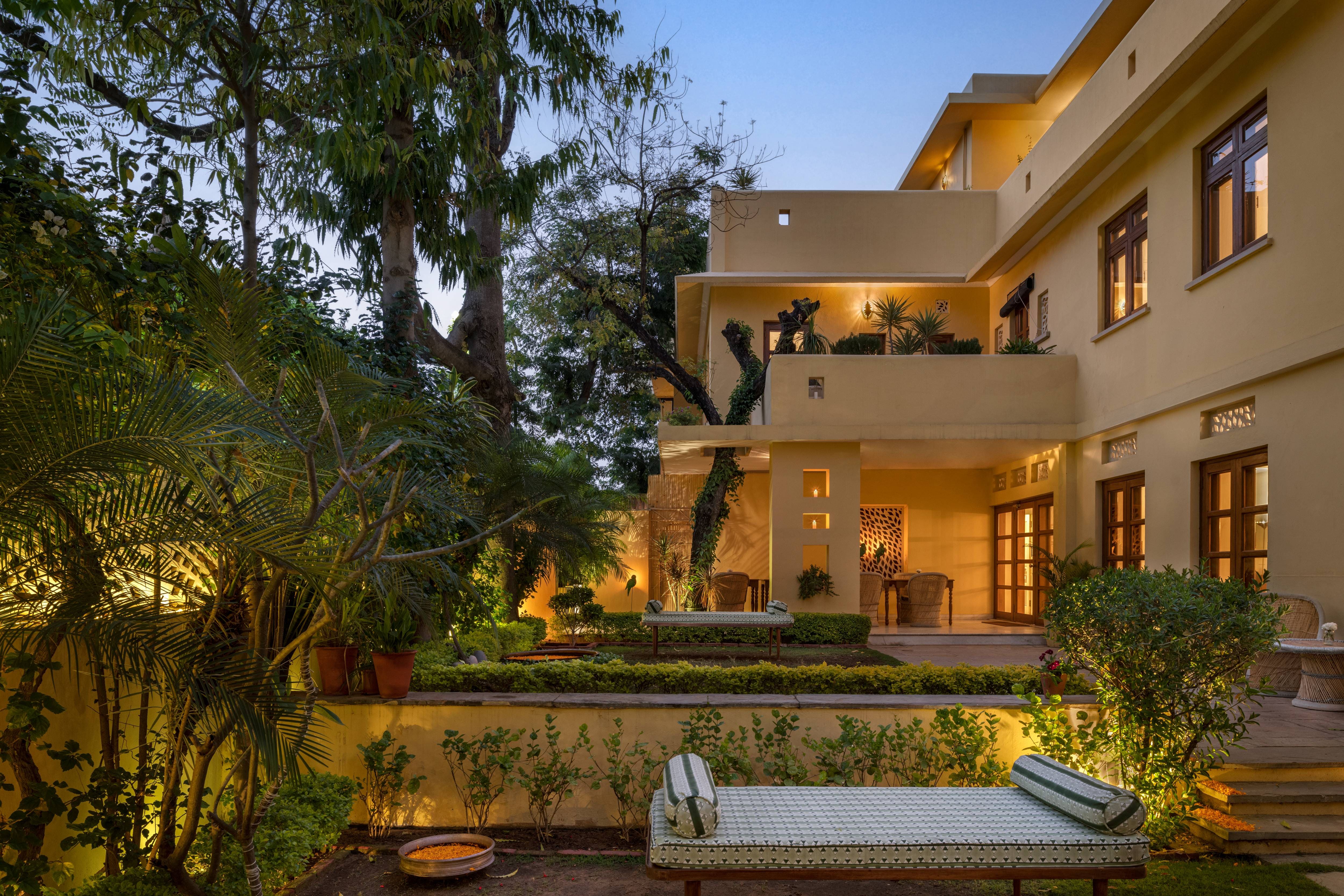
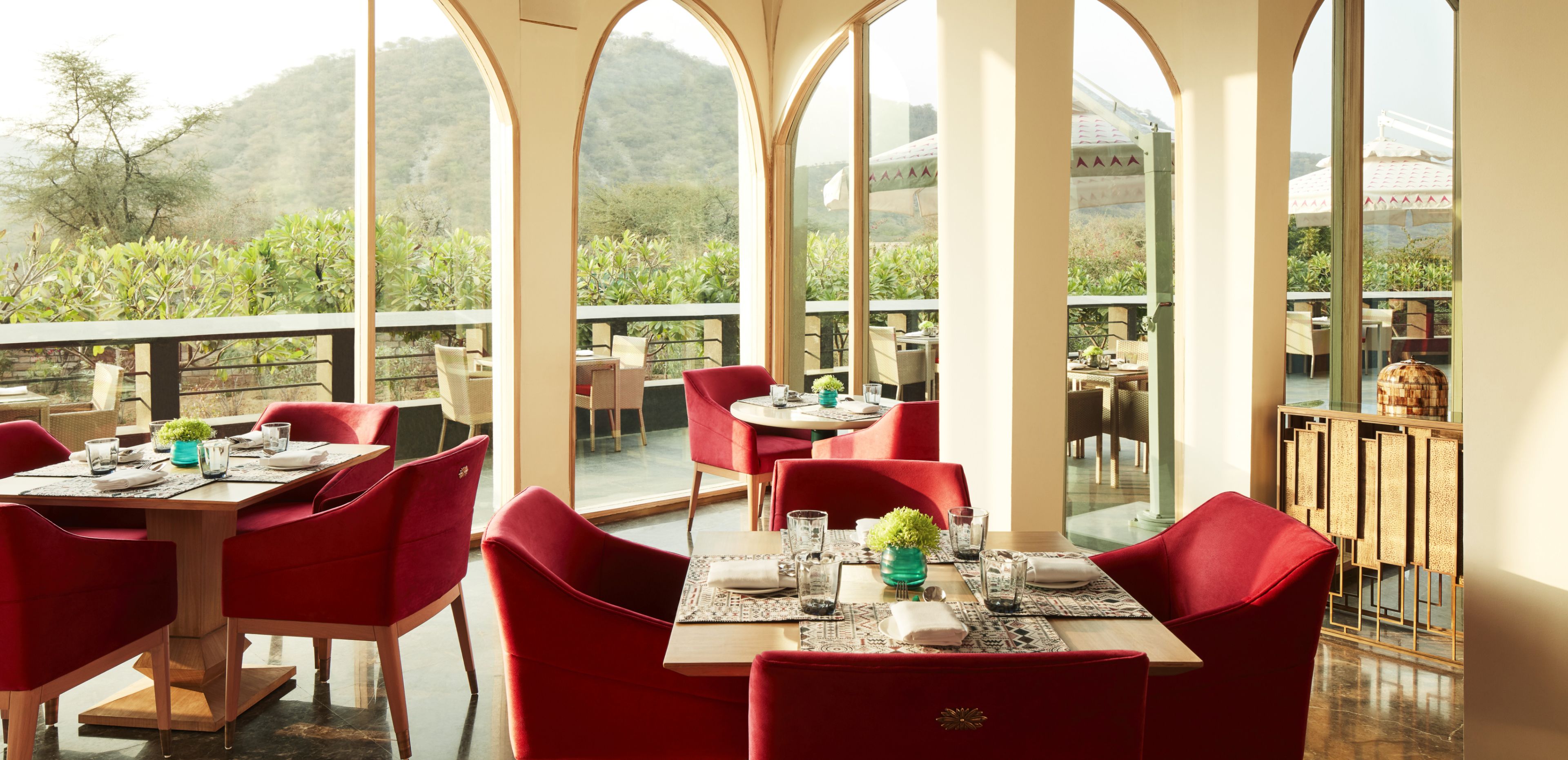
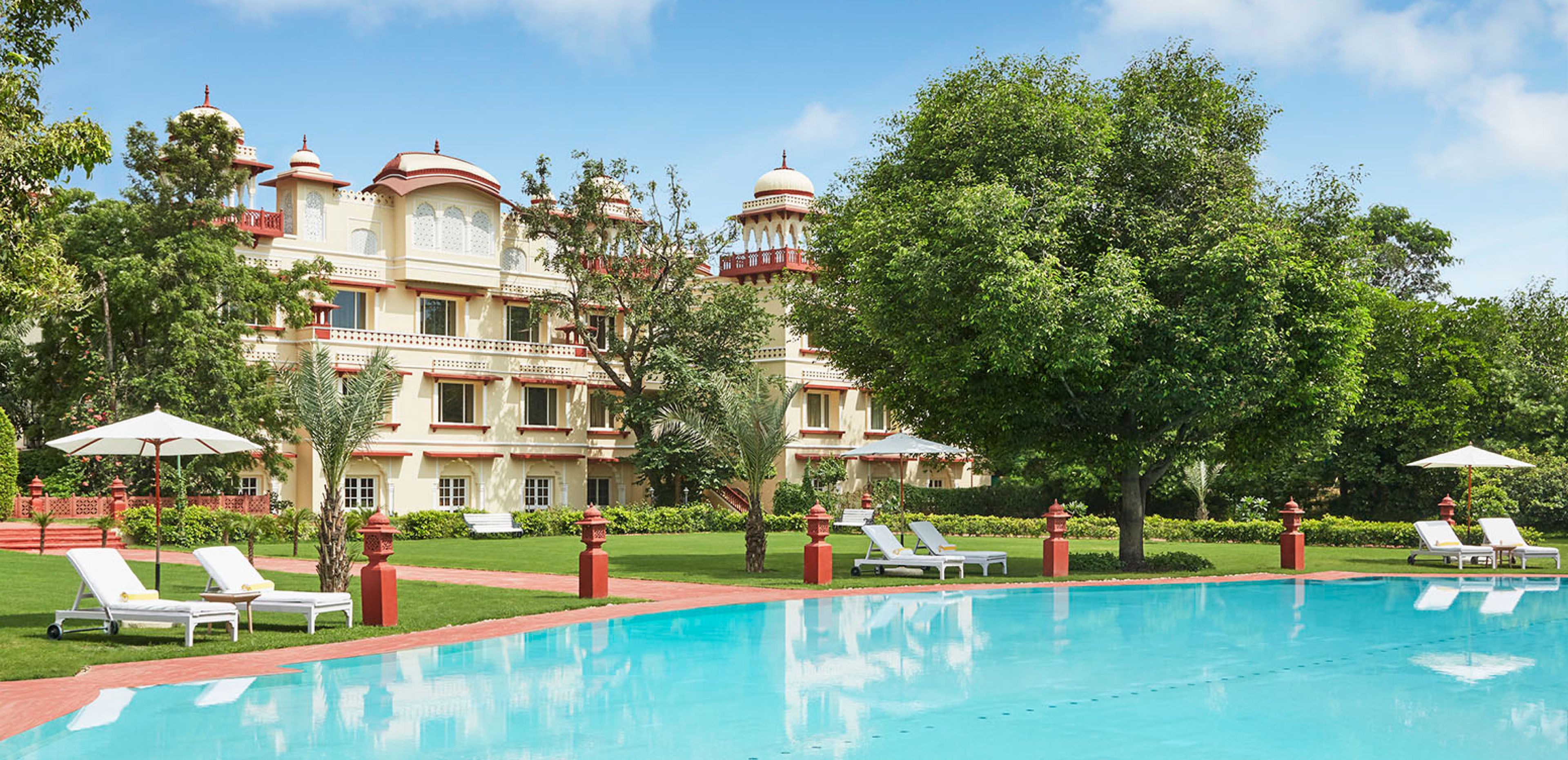
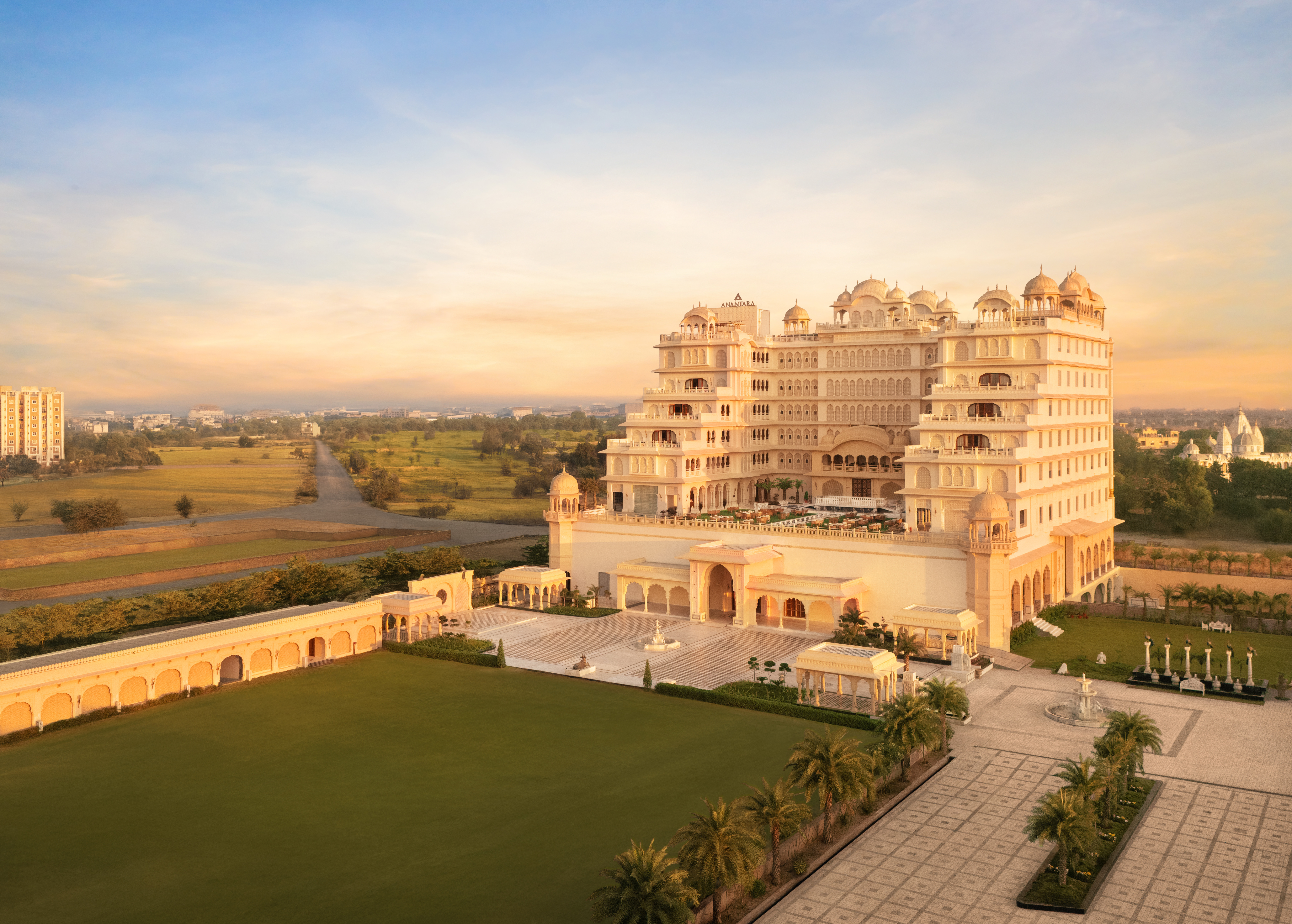
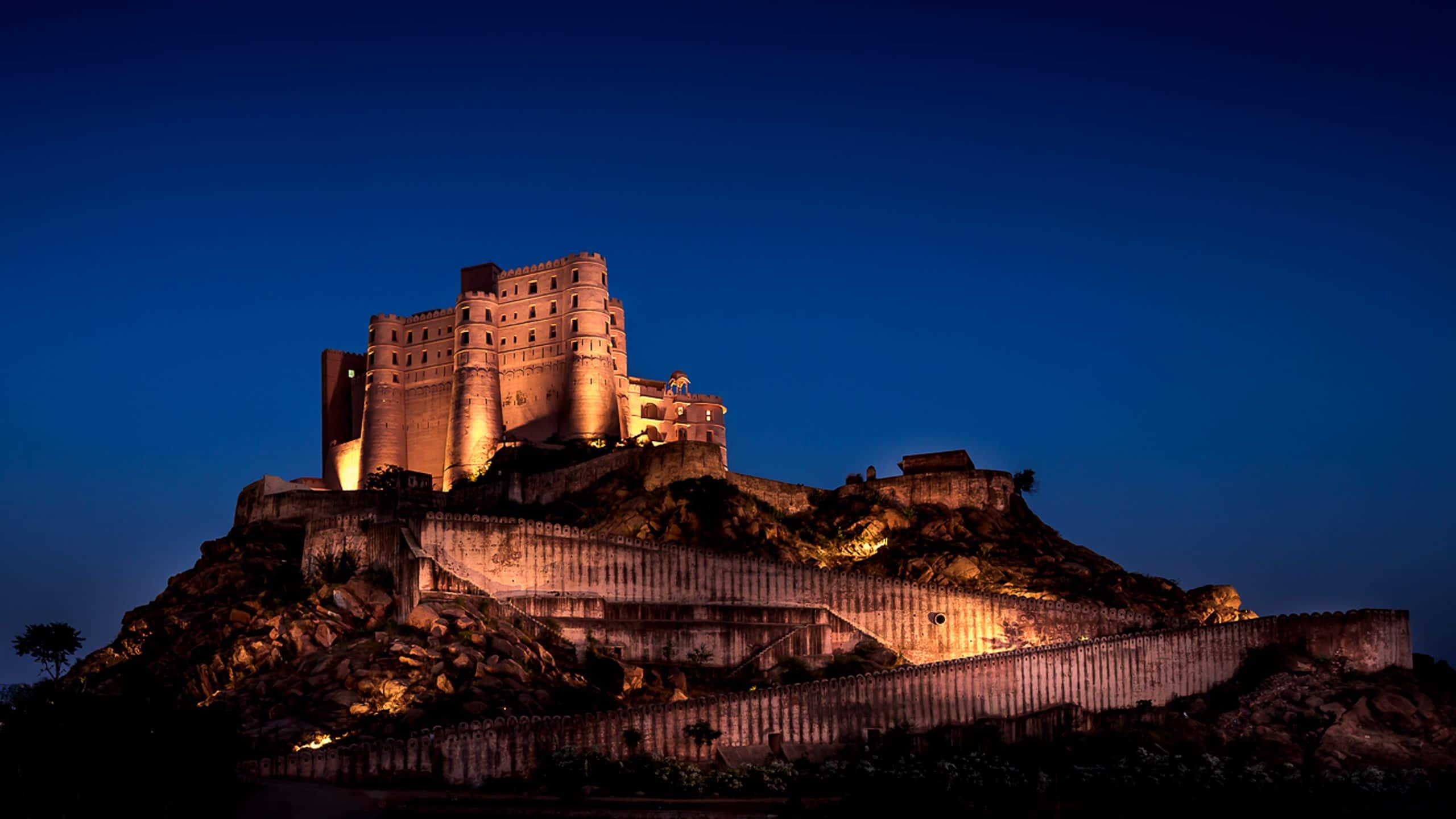
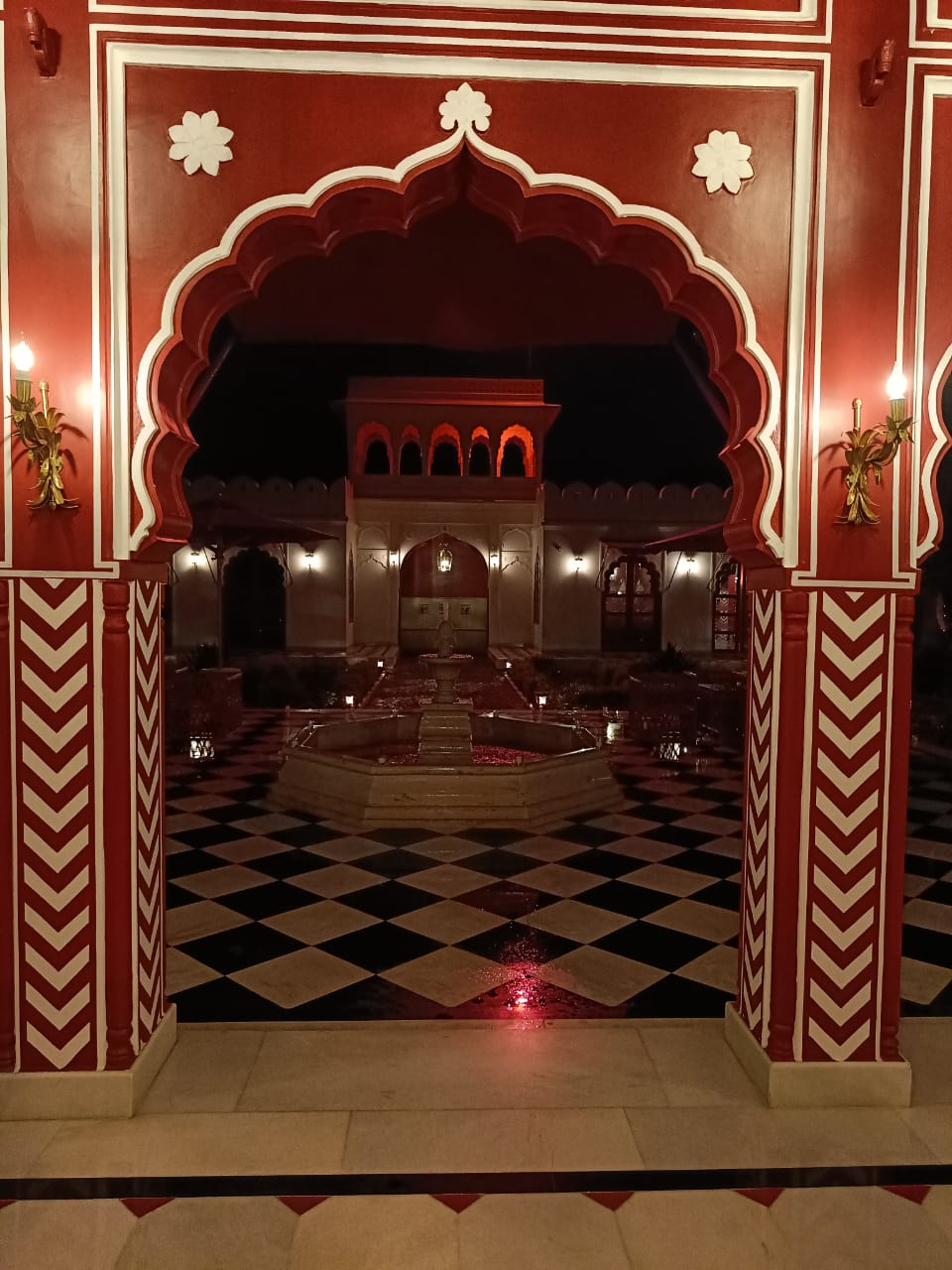
Where to Stay in Jaipur
9 recommended properties
Money-Saving Tips
- 1.Negotiate rickshaw fares before getting in - locals pay ₹50-80 for trips tourists get quoted ₹200 for
- 2.Buy textiles and jewelry in Bapu Bazaar rather than tourist shops near palaces - prices are 30-50% lower
- 3.Many palaces offer combo tickets that save money if visiting multiple sites in one day
- 4.Eat at local dhabas instead of hotel restaurants - a full meal costs ₹150 vs ₹800+ at tourist spots
- 5.Book heritage hotels directly rather than through booking sites to avoid commission markups
- 6.Take government buses to Amber Fort (₹20) instead of private taxis (₹500+) for the same journey
Travel Tips
- •Dress modestly when visiting temples and palaces - cover shoulders and knees to avoid entry issues
- •Carry cash as many local vendors and small restaurants don't accept cards
- •Start sightseeing early morning (8am) to beat crowds and heat, especially at Amber Fort
- •Don't photograph people without permission - especially women in traditional dress
- •Keep bottled water handy - the dry climate and walking dehydrate you faster than expected
- •Bargain is expected in markets but not in fixed-price shops - look for 'fixed price' signs to know the difference
- •Beware of gem scams - if someone offers to 'export' jewelry through you, walk away immediately