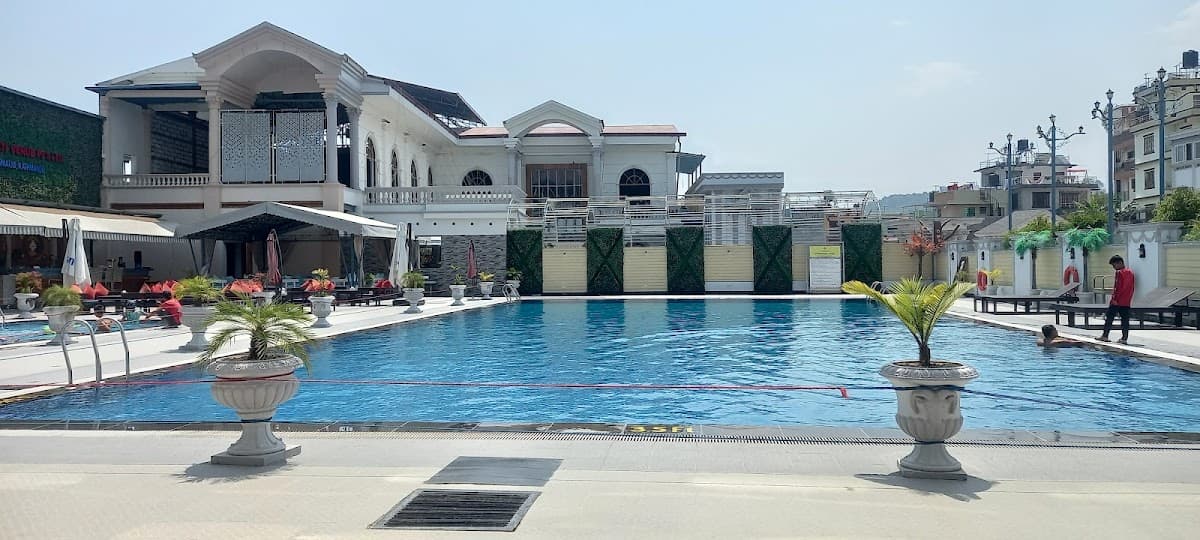
Kathmandu
Ancient temples meet trekking culture in Nepal's vibrant capital
Prayer flags flutter against snow-capped peaks. Incense drifts from century-old temples. Trekkers swap stories over dal bhat in narrow alleys. This is Kathmandu — where ancient rituals happen alongside gear shops, and where your next Himalayan adventure begins. The city moves at its own pace, somewhere between the sacred and the adventurous. Here, you'll find yourself haggling for prayer wheels in Thamel one hour, then sitting in silent meditation at Boudhanath the next.
Best Months
MAR · APR · MAY · OCT · NOV · DEC
~25°C · peak crowds
Culture & Context
NEWARI HINDU-BUDDHIST FUSION
Kathmandu sits at about 1,400 meters above sea level in a valley that was once a lake. The city's core population is Newari — an ethnic group with its own language, architecture, food, and religious calendar that predates Nepal's unification by centuries. This matters because a lot of what you see (the tiered temples, the intricate woodwork, the chariot processions) is specifically Newari, not generically "Nepali.
" The country is majority Hindu, with a significant Buddhist presence, and the two traditions have been mixing here for so long that the lines blur constantly. You'll see Hindus at Buddhist stupas and Buddhists at Hindu temples. Nobody bats an eye.
The Bikram Sambat calendar is what governs local life — Nepal runs 56 to 57 years ahead of the Gregorian calendar, which explains why festivals seem to fall on different dates each year from a Western perspective. Nepal runs on its own timezone too: UTC+5:45, which is one of the few 45-minute offset zones in the world. People are direct about asking questions that Westerners might find personal — your age, marital status, salary.
This isn't rude. It's how people here establish social context. Return the curiosity.
Local Customs
SHOES OFF, CLOCKWISE CIRCUMAMBULATION
Remove your shoes before entering temples, monasteries, and many private homes. Look for the pile of shoes at the entrance — it's your cue.. Walk clockwise around stupas and chorten (Buddhist shrines).
This applies to Boudhanath and Swayambhunath. Going the wrong way is noticeable.. Non-Hindus cannot enter certain inner sanctums at Pashupatinath Temple.
Respect the signs. The outer areas offer plenty to see and the riverside cremation ghats are accessible, though photograph respectfully and give families space.. Accept tea (chiya) when offered.
Refusing hospitality is considered genuinely rude. If you don't want milk, ask for 'calo chiya' (black tea). There will always be a lot of sugar..
Address people using familial terms: 'Dai' (older brother), 'Didi' (older sister), 'Bhai' (younger brother), 'Bahini' (younger sister). Calling a shopkeeper 'Didi' when ordering your coffee is a small gesture that lands well every time.. Dress modestly at religious sites — cover shoulders and knees.
This applies to both men and women. Thamel's vibe is casual but once you step into a temple precinct, adjust accordingly.. Bargaining is expected in markets like Asan Bazaar and souvenir shops in Thamel.
It's a social interaction as much as a transaction. Smile, be patient, and don't go in with lowball offers that embarrass both parties.. Drug laws are strict.
Despite what you might see near Pashupatinath during Shivaratri (when sadhus smoke openly as a religious practice), marijuana possession for regular tourists carries prison sentences of over 5 years.. Don't point the soles of your feet at people or religious objects — it's considered disrespectful. Sit cross-legged or with feet tucked away in temples and homes..
The Mandatory Guide Policy introduced in 2026 applies to heritage site visits — having a licensed guide is now encouraged and in some cases required for organized tours.
Safety
PETTY THEFT & SCAMS COMMON
Kathmandu is broadly safe during the day. The US State Department currently has Nepal at Level 3 (exercise increased caution), raised after protests in September 2025 — the situation has stabilized but can shift around political events. The actual risk to tourists remains low; the main concerns are petty theft and scams, not violence.
Here's what actually happens: pickpockets work crowded areas like Thamel, Durbar Square, Pashupatinath, and the airport. Keep your passport in your hotel safe and carry a photocopy during the day. Watch your bag in bars and on public transport.
The festival season (September-November) sees a spike in petty theft. A now well-documented scam near Thamel involves young men approaching tourists claiming to want to practice English, then steering the conversation toward shops where pressure to buy kicks in. Just walk away politely.
Taxi scams are common — always agree on a fare before getting in or insist the meter runs. Drivers sometimes claim not to know your hotel so they can reroute you to one where they earn a commission; have your hotel's phone number ready. A major trekking-related helicopter evacuation scam was uncovered in 2025, involving falsified medical reports that defrauded international climbers of roughly $20 million.
Use only evacuation agencies registered with the Trekking Agencies' Association of Nepal (TAAN) and get your helicopter rescue insurance pre-approved before you go. Drug laws are severe — marijuana possession can mean 5+ years in prison. Don't accept drinks from strangers and don't leave drinks unattended.
Women traveling alone should be cautious after dark, particularly in Thamel and Sanepa. Tourist police are reachable at +977-1-4247041. General emergency: 100.
Getting Around
CHAOTIC TAXIS & PATHAO
Kathmandu's traffic is a genuine ordeal. Rush hours (8-10am and 4-7pm) will test your patience. The city runs on a mix of local buses, taxis, and ride-hailing apps.
Local Sajha Yataya buses are the cheapest option at NPR 32 ($0.21) per trip — reliable, packed, and not for the faint-hearted in traffic. Pathao is the ride-hailing app of choice for bike taxis and cars.
A 5km Pathao ride runs about NPR 156 ($1). It's efficient and removes all fare negotiation. Standard taxis have a base fare of around NPR 333 ($2.
20) for 1 mile, but negotiation is the norm for longer distances — always agree upfront or confirm the meter is on. Taxi drivers frequently say they don't have change; carry small bills. For getting between Kathmandu, Bhaktapur (13km), and Patan, local microbuses run constantly and cost almost nothing, though they're cramped.
Grab an InDrive or Pathao car for the same routes if you value comfort. The airport (Tribhuvan International) is about 6km east of Thamel — Pathao or a pre-arranged hotel pickup are the cleanest options. Walking is fine in specific areas (Thamel, Durbar Square vicinity, the Boudhanath kora) but the city has inconsistent sidewalks and pedestrians share road space with everything else.
Be especially careful crossing major roads.
Useful Phrases
Where to Stay in Kathmandu
1 recommended properties
Money-Saving Tips
- 1.Bargain at markets but not at temples — respect the sacred spaces
- 2.Eat dal bhat for lunch and dinner to stretch your budget — most places offer unlimited refills
- 3.Stay in Freak Street instead of Thamel to save $5-10 per night
- 4.Buy trekking gear in Kathmandu rather than importing it — quality is good and prices are 50% less
- 5.Take local buses instead of taxis when possible — 20 rupees vs 200-400 rupees
- 6.Visit temples early morning or late afternoon when donation pressure is lighter
- 7.Drink tea instead of bottled water when eating out — it's safer and costs less
Travel Tips
- •Carry small bills — many vendors can't break 1,000 rupee notes
- •Download offline maps before arriving — internet can be spotty in older areas
- •Respect photography rules at temples — some charge fees, others prohibit cameras entirely
- •Pack layers — temperature swings 15°C between day and night
- •Keep copies of your passport — you'll need them for trekking permits
- •Learn basic Nepali greetings — 'Namaste' opens doors and hearts
- •Expect power cuts — bring a headlamp or flashlight
- •Don't drink tap water or eat raw vegetables unless you want to spend your trip in the bathroom