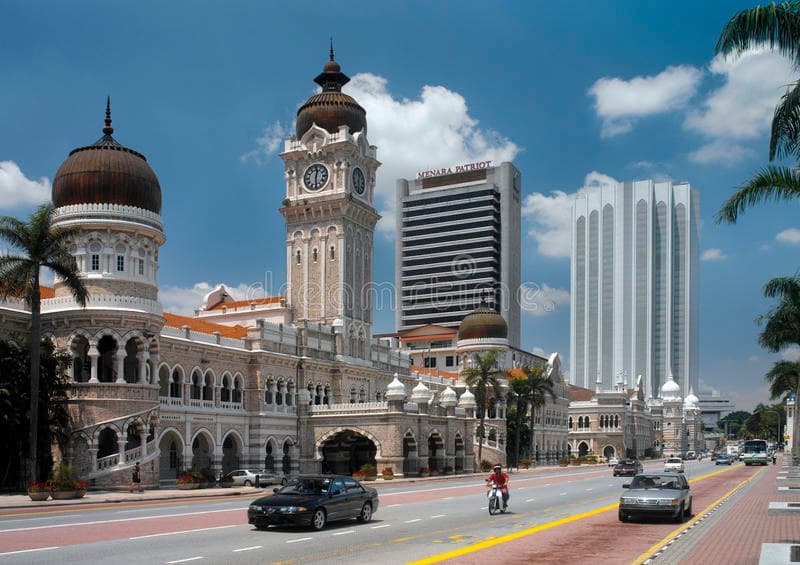
Federal Territory of Kuala Lumpur
Southeast Asia's cosmopolitan hub blends cultures and cuisines magnificently
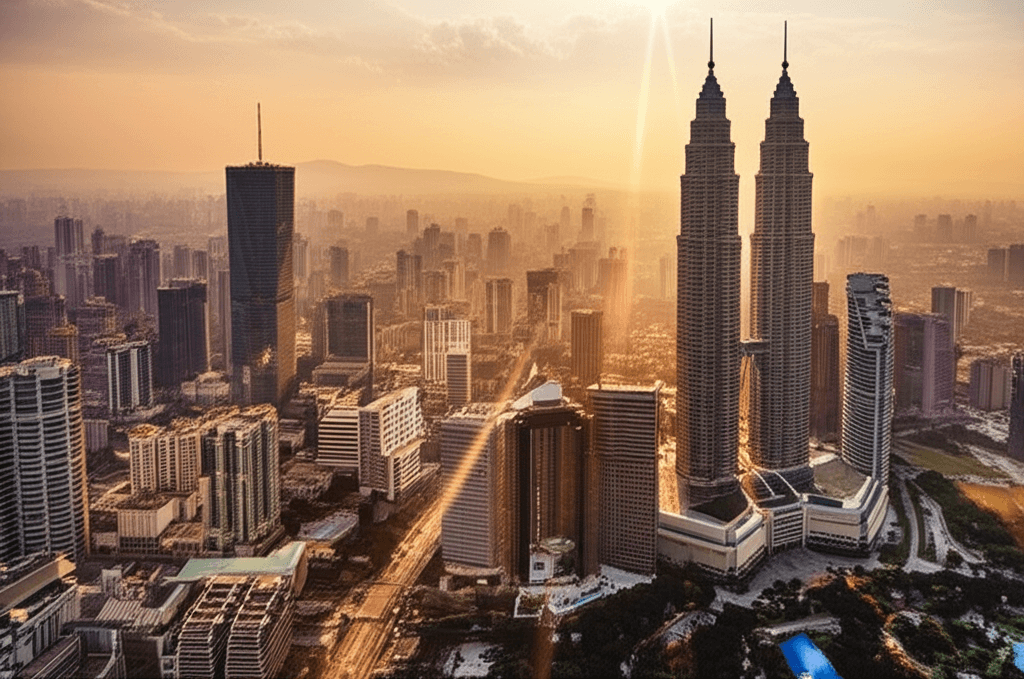
Kuala Lumpur hits different than other Southeast Asian capitals. Here's a city where you can slurp laksa at a hawker stall in Chinatown, then sip cocktails 57 floors up at Marini's on 57. The Petronas Towers still steal the skyline, but look closer and you'll find Tamil temples wedged between glass towers, street art covering colonial shophouses, and some of the best food in Asia served from plastic chairs on sidewalks.
KL moves fast but doesn't overwhelm. The LRT whisks you between neighborhoods in minutes. Prices stay reasonable compared to Singapore or Hong Kong. And the mix of Malay, Chinese, and Indian influences creates layers you can spend weeks peeling back. Sure, the humidity hits like a wall and traffic can be brutal, but that's part of the charm. This is a real city where real people live, work, and eat incredibly well.
Culture & Context
THREE WORLDS COLLIDE
KL is genuinely three cities layered on top of each other. Malay, Chinese, and Indian communities each have their own neighborhoods, food, temples, and rhythms, and they coexist in a way that feels less like a melting pot and more like a city of distinct, parallel worlds that occasionally overlap in interesting ways. The majority population is Muslim, and that shapes everything from alcohol pricing (expensive and regulated) to dress codes at government buildings.
But the KLCC area, Bukit Bintang, and Bangsar feel cosmopolitan enough that most visitors don't feel out of place in everyday clothes. Head into Brickfields or Kampung Baru, though, and the cultural context shifts noticeably. English works almost everywhere in the city center — locals speak it well, and "Manglish" (Malaysian English with Malay, Cantonese, and Tamil sprinkled in) is the real street language.
The particle "lah" gets added to the end of sentences constantly. It's not rude. It just softens things — "No worries lah" feels warmer than "No worries.
" People are generally warm and curious about visitors, and small efforts at Malay phrases land well.
Local Customs
RIGHT HAND ALWAYS
Remove your shoes before entering mosques, temples, and most Malaysian homes. This is non-negotiable — at religious sites you may be turned away if you don't comply, and at someone's home it's a serious sign of respect.. Always use your right hand to pass food, give gifts, or receive anything.
The left hand is considered unclean across Malay and Indian communities. This applies at the dinner table and in markets.. Don't touch anyone on the head — including children.
It's considered disrespectful across all of KL's communities, not just Malay Muslim ones.. Public displays of affection between couples are frowned upon. A brief hand-hold is fine.
Full-on making out will draw stares and potential police attention in more conservative areas.. When visiting mosques, women need to cover hair, shoulders, and legs. Robes and scarves are usually provided for free at the entrance.
Non-Muslims are welcome outside of prayer times — check the schedule before you go.. Bargaining works at Petaling Street market in Chinatown and some outdoor bazaars. It's inappropriate at restaurants, hawker centers, and fixed-price shops.
Read the room before you start negotiating.. Point with your thumb (from a closed fist), not your index finger. Pointing with the index is considered rude, though locals will generally give tourists a pass..
Malaysian time is real. Events, social plans, and meetings often start late. If you're meeting a local friend, build buffer time into your day..
Alcohol is available in non-Muslim establishments and supermarkets but is expensive due to taxes. Never offer alcohol to someone who hasn't already indicated they drink — it can cause serious social discomfort in Muslim contexts.
Safety
WATCH YOUR BAGS
KL is generally safe, especially in the tourist areas of KLCC, Bukit Bintang, and Bangsar. Violent crime against visitors is rare. The real risks are more mundane: bag snatching by motorcyclists is the most common crime tourists encounter.
Keep bags on your inside shoulder when walking close to roads, and don't hang a phone out of your hand while walking. The Petaling Street and Bukit Bintang areas have the highest concentration of pickpocket reports — not dangerous, just requiring basic awareness in crowds. Use Grab for all taxi needs.
Street taxis exist, but many drivers refuse to use the meter and will quote inflated flat rates — especially from tourist areas. Grab shows you a fixed price upfront and tracks the route. At night, Jalan Chow Kit attracts a rougher crowd and is better avoided after dark.
The Changkat Bukit Bintang strip (bar street) sees drunk tourists and occasional fights late on weekends — not dangerous exactly, but not relaxing either. Scams to watch for: fake charity collectors, unsolicited 'tour guide' offers near major attractions, and a classic where someone 'splashes' something on you while an accomplice lifts your wallet. Emergency numbers: Police dial 999, ambulance and fire dial 112 from any mobile even without a SIM.
For a theft report, find a Tourist Police station — staff are trained specifically to assist foreign visitors. For medical emergencies, skip public hospitals and head straight to Gleneagles KL in Ampang (+603-4141-3000) or Pantai Hospital in Bangsar (+603-2296-0888) — both have 24-hour emergency departments with international patient services and English-speaking staff.
Getting Around
METRO & MONORAIL
KL has surprisingly good public rail — MRT, LRT, and Monorail lines cover most of the tourist areas and connect at KL Sentral, which is the main hub. A single ride costs RM 1.20 to RM 6.
40 depending on distance. For anything beyond a one or two-day stay, the Touch 'n Go card (buy at any major station for about RM 10 plus load) makes tapping in and out seamless. The MY50 monthly unlimited pass costs RM 50 — exceptional value.
For tourists, a 1-day Rapid KOTA pass (RM 10) or 3-day pass (RM 25, for Malaysians only) also exist. From the airport: the KLIA Express train runs non-stop from KLIA to KL Sentral in about 28 minutes and costs RM 55 one-way. Do not take a random taxi from the arrivals hall — book via the official taxi counter or use Grab.
The Monorail is the most tourist-friendly line and runs through Bukit Bintang, KL Sentral, and Chow Kit. Go KL is a free city bus (those pink ones) with several color-coded routes around the city center — genuinely useful and air-conditioned. The city is largely unwalkable in the Western sense: distances look short on a map but the heat, humidity, and lack of consistent footpaths make walking two kilometers feel like five.
Plan accordingly. Use the Moovit app or Google Maps for real-time transit routing — both work well in KL. Grab operates everywhere and is the default for anywhere trains don't reach, late-night travel, and getting to/from Bangsar or Mont Kiara.
Useful Phrases
Explore Cities
Explore the Region

Federal Territory of Kuala Lumpur Itineraries
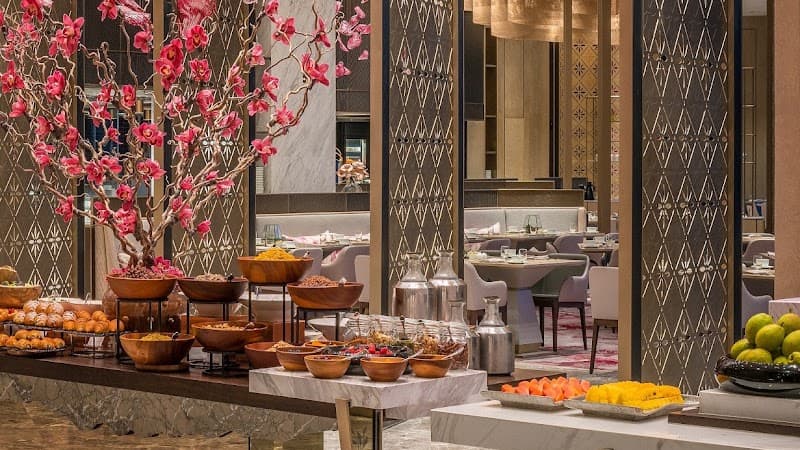
KL Luxe Adventure: Towers, Temples & Tropical Greenery
Weekend · $$$$$
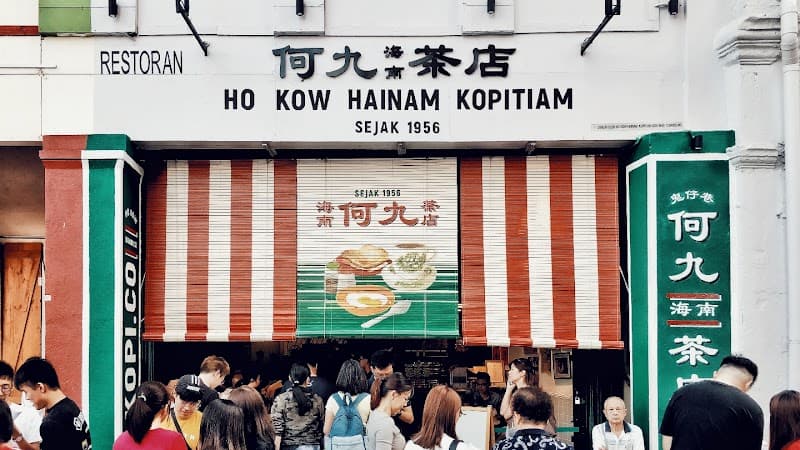
Luxury Kuala Lumpur: Culture, Food, and Nightfall
Weekend · $$$$$
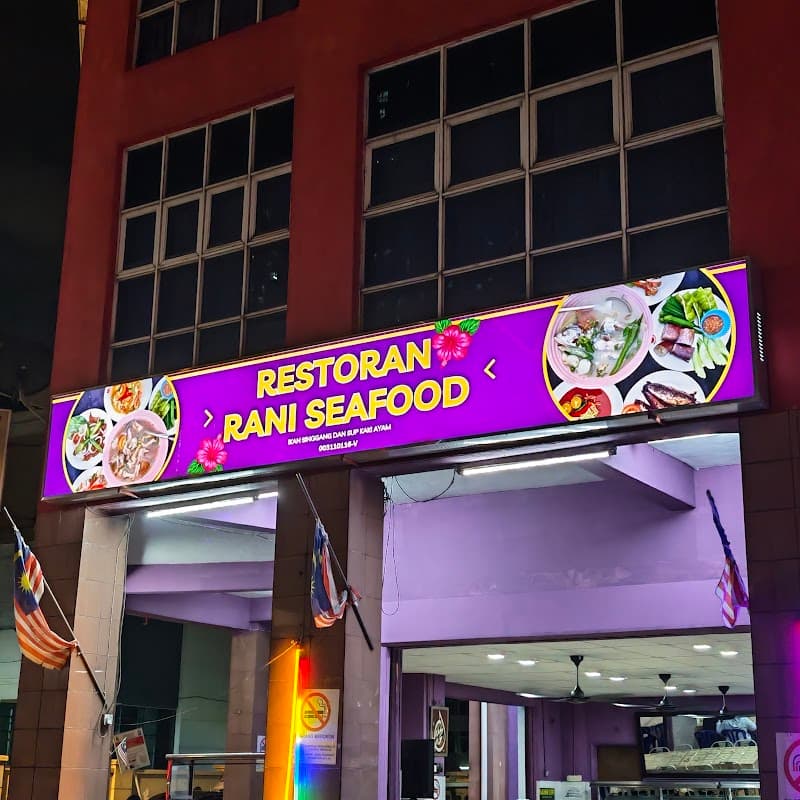
Slow Adventure & Street Flavors in Kuala Lumpur
Weekend · $$

Relaxed Day of KL Heritage and Flavors
Weekend · $$$
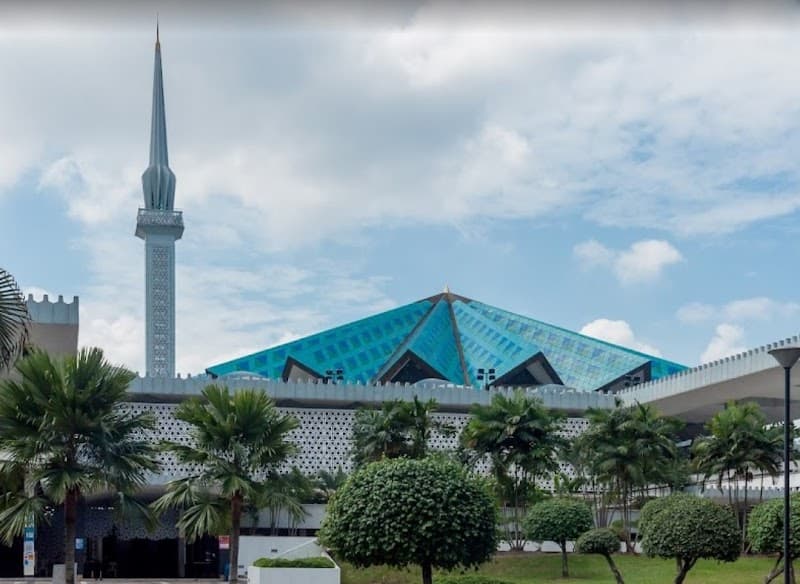
Kuala Lumpur Cultural Immersion: 3 Days of Heritage and Flavors
Weekend · $$$

Eclectic KL: Slow Discoveries for Couples
Weekend · $$$
Money-Saving Tips
- 1.Touch 'n Go cards work for LRT, buses, and parking – load RM50 to start and reload at stations
- 2.Hawker stalls and food courts cost RM5-15 per meal while restaurants charge RM25-50+ per dish
- 3.Happy hours don't exist due to Islamic laws, but mamak stalls serve cheap beer (RM8-12) until late
- 4.Grab rides between major areas cost RM15-25, much cheaper than hotel taxis that charge fixed rates
- 5.Shopping malls offer free WiFi and AC – perfect for cooling off without buying anything
- 6.Avoid exchange counters at KLCC and airports – Mid Valley and Bukit Bintang money changers give better rates
- 7.Many temples and mosques are free to visit, offering cultural experiences without the entrance fees
Travel Tips
- •Download the MyRapid KL app for real-time train schedules and route planning
- •Dress modestly when visiting mosques – long pants and covered shoulders required, headscarves provided for women
- •Learn basic Bahasa Malaysia greetings – locals appreciate the effort even in this cosmopolitan city
- •Carry tissues and hand sanitizer – public restrooms often lack both
- •Book rooftop bars in advance, especially on weekends – the popular ones fill up fast
- •Avoid street food if you have a sensitive stomach during your first few days – give your system time to adjust
- •Download Grab app before arriving – it's more reliable than flagging down taxis on the street
- •Pack an umbrella and light rain jacket – afternoon downpours happen year-round
- •Exchange money at shopping malls rather than hotels or airports for better rates
- •Try to visit during weekdays when possible – weekends bring heavy traffic and larger crowds at attractions
Frequently Asked Questions
BUILD YOUR
FEDERAL TERRITORY OF KUALA LUMPUR PLAN
Insider picks, smart timing, and a plan ready when you are.
Start Planning