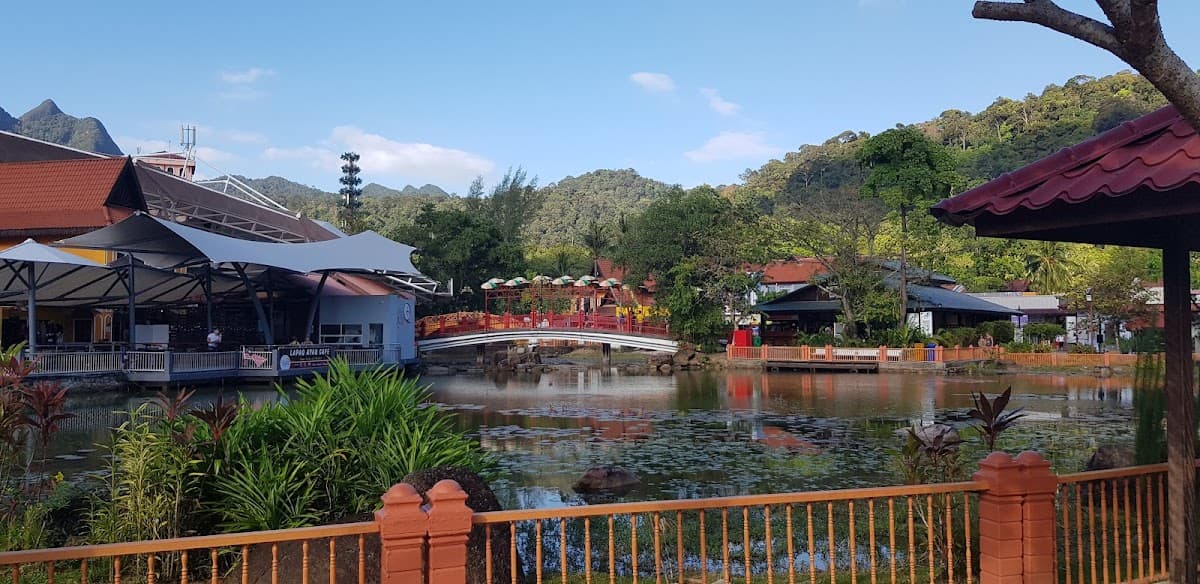
Langkawi
Malaysia's duty-free island paradise of beaches and legends
Langkawi isn't just another tropical island. This Malaysian archipelago of 99 islands serves up duty-free shopping, ancient legends, and some of Southeast Asia's most stunning beaches. The main island combines luxury resorts with budget-friendly guesthouses, while cable cars whisk you above rainforest canopies for views that stretch to Thailand. Local fishermen still pull their boats onto Pantai Cenang at sunset, and eagles soar over mangrove channels where limestone karsts jut from emerald waters. But here's what makes Langkawi special: it feels authentic despite the tourism. Rice paddies still dominate the interior, night markets smell of char kway teow instead of tourist food, and you can score a bottle of Johnnie Walker for half the mainland price.
Best Months
JAN · FEB · MAR · APR · NOV · DEC
~33°C · peak crowds
Culture & Context
EAGLE ISLAND MEETS RESORT
Langkawi's name literally means eagle (lang) and brown (kawi) in Malay, a nod to the brahminy kites that still hunt along the mangrove waterways. The island has 99 islands in its archipelago, though most tourists never leave the main one. Islam is the predominant religion, and the island has a relaxed but respectful culture.
It's not Bangkok. It's not party-hard Bali. The vibe is somewhere between sleepy Malaysian fishing village and well-oiled resort destination, with the two existing side by side in ways that can feel genuinely charming.
The duty-free status dates to 1987, which is why Kuah town has entire malls dedicated to chocolate and whisky. UNESCO added the Geopark status in 2007, the first in Southeast Asia, which brought conservation attention to the limestone karsts and ancient rainforest. Beyond the tourist belt, rice paddies and traditional kampungs (villages) sit alongside rubber plantations.
Early mornings, the call to prayer echoes from village mosques. Locals are warm. English is widely spoken in tourist areas but gets patchier in villages and with older residents.
Local Customs
RIGHT HAND, MODEST DRESS
Dress modestly when visiting mosques or rural kampungs. Cover shoulders and knees. Beachwear is perfectly fine at resorts and Cenang, but walking into a village in a bikini top reads as disrespectful..
Remove your shoes before entering mosques and private homes. You'll see the pile of shoes at the door — that's your cue.. Use your right hand for giving and receiving things, including money.
The left hand is considered unclean in Malay and Indian custom.. Public displays of affection are frowned upon, especially outside tourist zones. Holding hands is fine; making out in public is not..
Don't feed the monkeys. Long-tailed macaques are everywhere around the cable car and waterfall areas and they will get aggressive if you produce food. Keep bags zipped..
Tap water is not safe to drink. Stick to bottled or filtered water. And watch the ice at smaller local stalls — ask if it's filtered..
Tipping is not mandatory or expected in Malaysia. That said, a small tip for boat crew or a good tour guide is appreciated. Most mid-range restaurants add a 10% service charge automatically..
Carry cash for small eateries, night markets, and local stalls. Cards are widely accepted in hotels and malls but many hawker spots are cash-only.. Duty-free purchases may require showing your passport, especially in Kuah.
Keep it handy if you're stocking up on alcohol or tobacco.. Politics, religion, and the monarchy are sensitive topics. Best avoided with people you've just met.
Safety
SAFE BUT WATCH MONKEYS
Langkawi is genuinely low-stress for safety. Violent crime is rare. The main things to actually worry about: petty theft at busy night markets (wallet in front pocket, camera strap around wrist), monkeys around the cable car area actively stealing food and bags (keep zips done up), jellyfish that occasionally make beach swimming unpleasant during certain months, and the midday sun which is brutal — 30 minutes unprotected on Cenang beach at noon will ruin your week.
Scooter accidents are the most common real risk for tourists; the roads have blind bends and some local drivers move fast. Wear a helmet and get travel insurance that covers it. Don't drink tap water.
Carry repellent — dengue mosquitoes are active at dawn and dusk. For medical needs, Langkawi Hospital in Kuah handles emergencies, and the private KPJ Hospital has shorter queues and English-speaking staff. Private clinics want payment upfront, so travel insurance matters here.
LGBTQ+ travelers should note that homosexuality is illegal under Malaysian federal law. Enforcement in tourist areas is rare, but discretion outside the resort belt is sensible. The U.
S. State Department rates Malaysia at Level 1 (Exercise Normal Precautions) as of February 2026.
Getting Around
GRAB OR RENT SCOOTER
Getting there: Fly into Langkawi International Airport (LGK). AirAsia runs frequent flights from KL in about one hour, often for $25–74 USD one way. Alternatively, take a ferry from Kuala Perlis (1.
5 hours, RM25) or Penang (3 hours, RM59). The mainland bus-to-ferry combo from KL takes most of a day — flying is worth the extra ringgit. Getting around: There's no real public bus network.
Grab works in the main tourist zones and is reliable and cheap — a typical short trip runs RM15. Metered taxis barely exist; always agree on the fare before you get in a regular cab. Renting a scooter (RM30–50/day) gives you the most freedom and is how most budget travelers explore, but you need a valid international driving license and experience with two wheels.
The island is only 370 square kilometers — you can cross it in 40 minutes by car. Car rental is an option for families and is affordable by Southeast Asian standards. From the airport to Pantai Cenang by taxi runs RM23–32 and takes about 15 minutes.
Island hopping boats depart from Teluk Baru Jetty or Kuah Jetty at fixed times (typically 9am and 2pm), carrying 15–20 passengers per speedboat at RM30–40 per person for a shared tour.
Useful Phrases
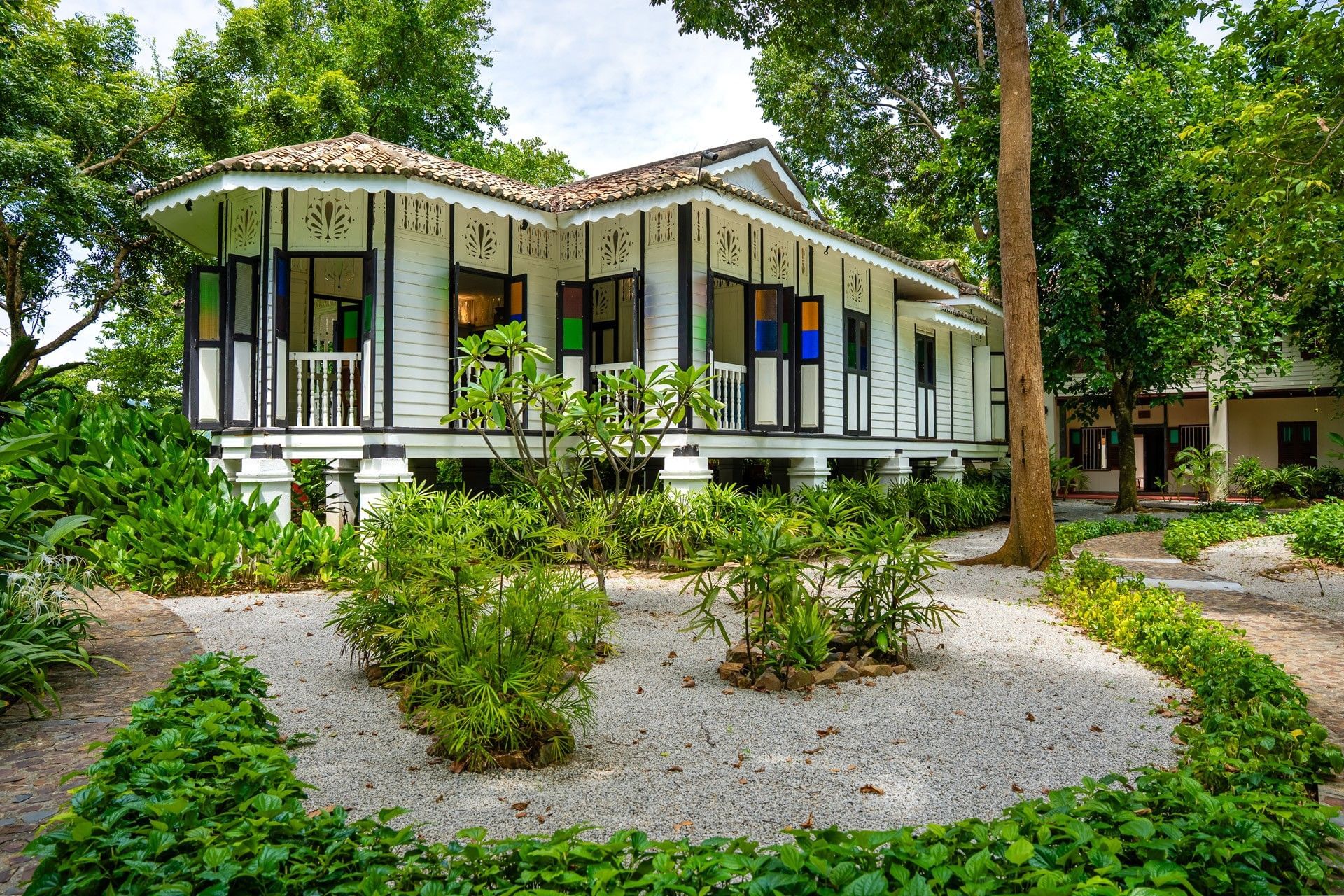
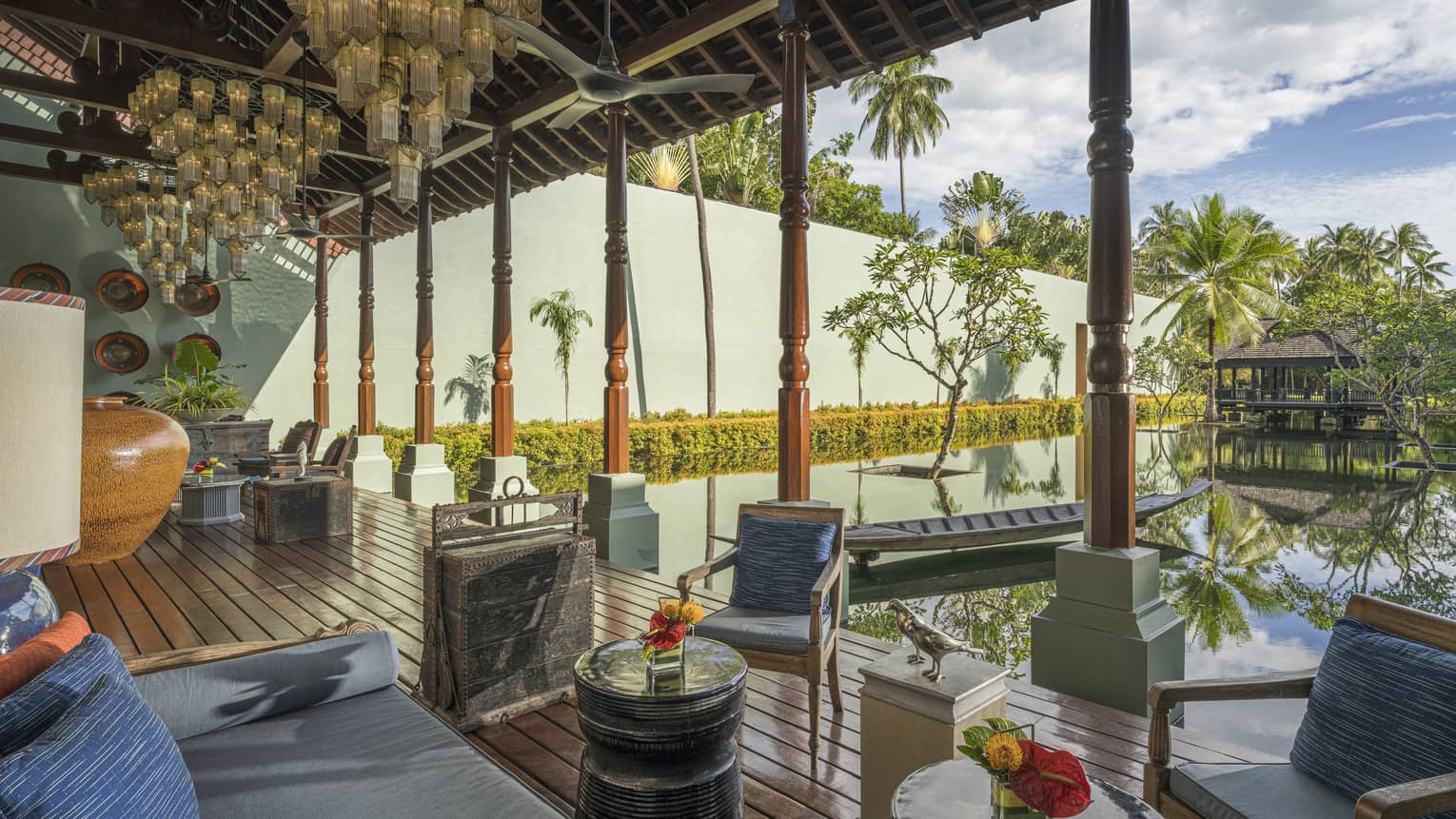
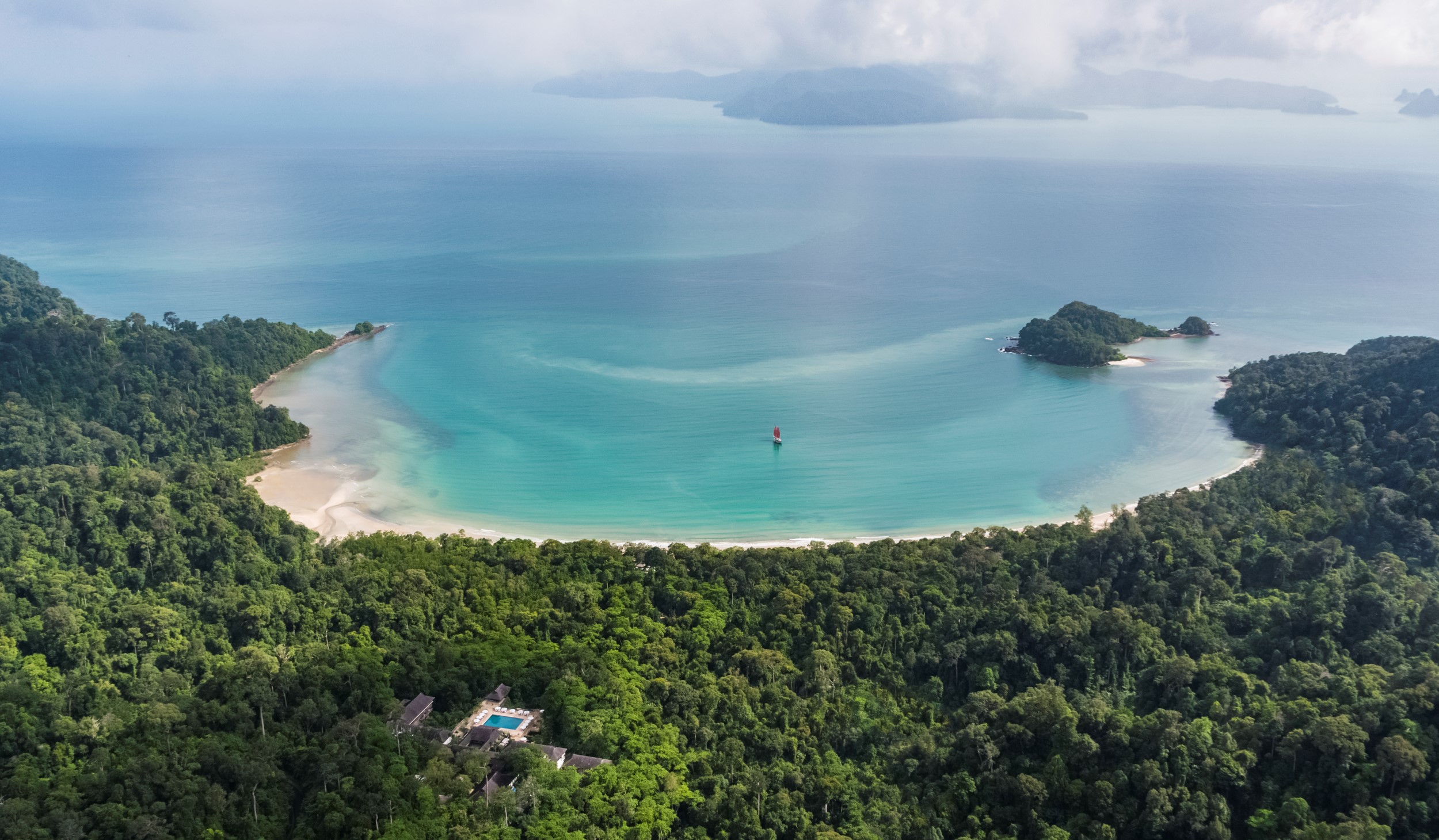
Where to Stay in Langkawi
3 recommended properties
Money-Saving Tips
- 1.Buy duty-free alcohol and chocolate at Jetty Point complex - Johnnie Walker costs half the mainland price
- 2.Rent cars from local shops on Pantai Cenang, not international chains at the airport - save RM 40-60 daily
- 3.Eat at night markets instead of beachfront restaurants - char kway teow costs RM 6 vs RM 18
- 4.Book accommodations directly with hotels during low season for 30-40% discounts off online rates
- 5.Use fixed-rate taxis posted at hotels to avoid negotiation games with drivers
- 6.Stock up on groceries at Billion Shopping Centre in Kuah - resort mini-marts charge triple
- 7.Choose island hopping tours from Kuah Jetty directly instead of hotel tour desks to skip commissions
Travel Tips
- •Bring reef-safe sunscreen - many marine parks now ban chemical sunscreens that damage coral
- •Download offline maps before exploring - cell service gets spotty in the island's interior
- •Pack a light rain jacket even in dry season - afternoon showers happen year-round
- •Respect local customs during Ramadan - avoid eating/drinking publicly during daylight hours
- •Keep your passport handy - some duty-free purchases require showing foreign visitor status
- •Learn basic Malay phrases - many locals speak limited English outside tourist areas
- •Bring cash - smaller restaurants and shops don't accept cards, and ATMs charge foreign transaction fees