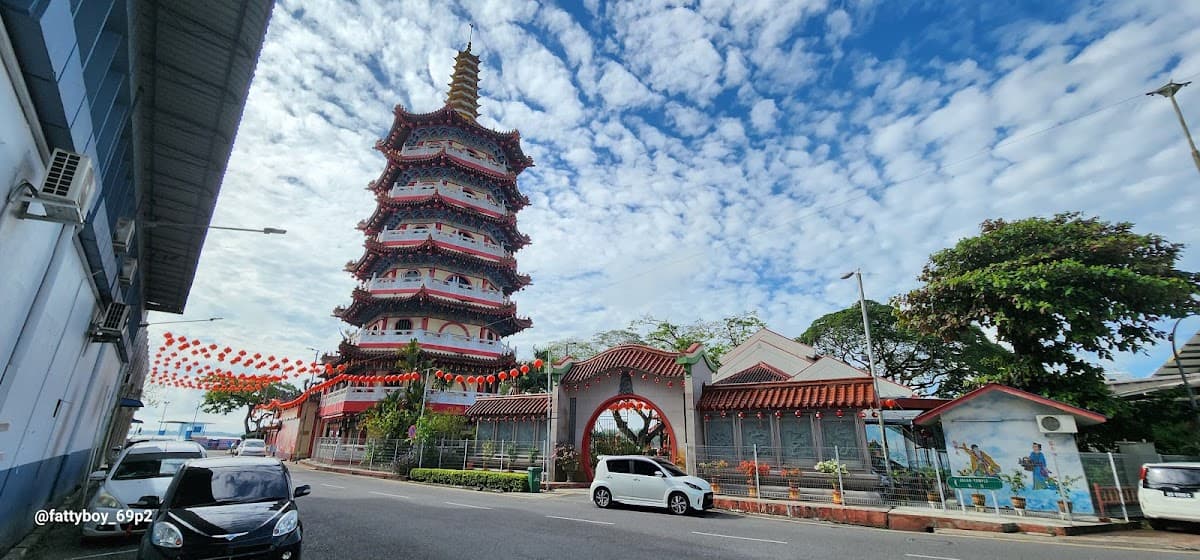
Sarawak
Mediterranean jewel of pristine beaches and ancient mysteries
Sarawak isn't your typical Malaysian destination. This massive state on Borneo stretches from the South China Sea deep into some of Earth's oldest rainforests. You'll find headhunter history in traditional longhouses, proboscis monkeys swinging through mangroves, and a food scene that blends Malay, Chinese, and indigenous Dayak flavors in ways that'll surprise you.
The capital Kuching feels like a sleepy river town until you dig deeper. Colonial buildings house hip cafes, the waterfront comes alive after dark, and you can be trekking through primary jungle within an hour. But here's what most travelers miss: Sarawak's real magic happens in the smaller towns and remote areas where traditional life still thrives alongside modern Malaysia.
Itineraries coming soon
We're working on adding amazing itineraries for Sarawak. In the meantime, try the app to create your own!
Money-Saving Tips
- 1.Budget RM 200-300 per day for mid-range travel including accommodation, meals, and local transport
- 2.Longhouse visits cost RM 80-150 per person including meals and basic accommodation
- 3.National park entrance fees range from RM 10-30, but guided tours add RM 100-200 per day
- 4.Express boats between major towns cost RM 30-50, much cheaper than domestic flights
- 5.Street food meals cost RM 8-15, while restaurant dinners run RM 25-50 per person
- 6.Kuching taxis don't use meters – negotiate the fare before getting in or use Grab
- 7.ATMs are common in major towns but bring cash for longhouse visits and remote areas
Travel Tips
- •Pack quick-dry clothing and waterproof bags – humidity and sudden downpours are constants
- •Bring insect repellent with DEET for jungle areas, but avoid it near orangutans and other wildlife
- •Download offline maps before heading to remote areas – cell coverage disappears quickly
- •Book Mulu National Park accommodation well in advance, especially the canopy walk tours
- •Learn a few basic Malay phrases – English isn't as widely spoken outside Kuching
- •Respect longhouse customs by removing shoes, accepting offered drinks, and asking before photographing people
- •Carry small bills for market purchases and boat fares – vendors rarely have change for large notes
Frequently Asked Questions
Explore Sarawak
Ready to explore Sarawak?
Get a personalized itinerary in seconds with Takeoff.
Free on iOS. No credit card required.