
Batanes
Philippines' Northernmost Paradise of Rolling Hills and Stone Houses
Batanes feels like stepping into a different country entirely. Here at the Philippines' northernmost tip, you'll find stone houses that could belong in the Scottish Highlands, rolling green hills that stretch to dramatic cliff edges, and a pace of life so slow you'll forget what rush hour feels like. The Ivatan people have built something special here — a culture that's survived typhoons, isolation, and time itself. You won't find beach clubs or shopping malls. What you will find are villages where everyone waves, coastlines that make you question if you're still in Southeast Asia, and sunsets from lighthouse perches that'll ruin every other sunset for you.
Best Months
MAR · APR · MAY · NOV · DEC
~25°C · moderate crowds
Culture & Context
HONESTY ABOVE ALL
Batanes is home to the Ivatans — one of the most distinct indigenous groups in the Philippines. They speak Ivatan, an Austronesian language that has almost nothing in common with Tagalog or Ilocano. But most locals speak Filipino and English, so don't panic.
What makes Ivatan culture stand out isn't just the language or the stone houses — it's the values. The Honesty Coffee Shop on the main road in Basco has no cashier. You take what you want, check the price list, and drop your payment in a box.
It works because people actually pay. This isn't a tourist gimmick. It's just how Ivatans operate.
The concept of payuhuan — community cooperation, like a collective effort to build a house or work a farm — is genuinely still practiced here, not performed for cameras. Ivatan women traditionally wear the vakul, a helmet-shaped headpiece woven from vuyavuy palm fibers that shields against sun and rain. Men wear the kanayi vest.
You'll still see both in use, especially in Sabtang. Land in Batanes is sacred and not sold to outsiders. That's one big reason the province feels so intact — no resort developers have swooped in.
Tourists are treated as guests, not customers. Adapt accordingly. Dress modestly in villages, ask before photographing people up close, and don't rush through communities like you're ticking boxes.
Local Customs
CASH & EARLY DEPARTURES
Pay at the Honesty Coffee Shop along the main road in Basco. No cashier. A price list is posted, you take what you want, leave the exact amount in the payment box.
If you don't have change, you're expected to come back. And people do.. Brownouts are real in Sabtang — electricity cuts from midnight to 6am.
Bring a headlamp or a power bank. It's not a malfunction, it's just life there.. Boats to Sabtang leave from Ivana Port at around 6–7am and return by early afternoon.
Missing the return boat means you're staying the night. Always confirm departure times the evening before.. Respect stone houses as private homes, not museum pieces.
Many Chavayan and Savidug residents still live in their ancestral houses. Don't wander into courtyards or touch walls without being invited.. Say 'Mangan tayon!
' (Let's eat!) before digging into a meal — it's the Ivatan equivalent of 'bon appétit' and locals genuinely appreciate it when visitors make the effort.. Bring enough cash for your entire trip before leaving Basco.
The Landbank and PNB ATMs sometimes run out of cash or go offline during bad weather. This is not a hypothetical.. Don't try to buy Ivatan land or push to visit restricted areas.
Land is family heritage and not for sale. Locals will tell you this politely but firmly.. Environmental fees are collected at the airport or port.
Keep your receipt — some tour operators or barangay checkpoints may ask to see it.. Tricycles in Basco don't roam around waiting for fares. You call the dispatcher at 0929 703 8404.
Just showing up and waving at the road won't work — there's no one there to wave at.
Safety
TYPHOON & MEDICINE RISK
Batanes is arguably the safest province in the Philippines. Crime rate is effectively zero. The Ivatan community is built on honesty and trust — the Honesty Coffee Shop alone proves the point.
People leave their doors unlocked. You won't feel watched or hassled. The real safety considerations are all weather and terrain.
Typhoon season runs June through November. Batanes sits directly in the Pacific storm track and takes a beating. Flights and boats cancel with little warning, and if you're stuck, you're stuck until conditions clear.
Always build buffer days into your itinerary if traveling during these months. The faluwa boats to Sabtang and Itbayat are open-deck traditional vessels. They're seaworthy but rocky.
If you're prone to seasickness, take Bonamine (motion sickness tablets) the night before. The crossing cancels when waves exceed 1 meter. Bring prescribed medications from home — medical facilities in Batanes are limited to a small provincial hospital.
For serious emergencies, medical evacuation to Manila is the only real option. Travel insurance is not optional here; it's essential. The general Philippines advisory from most Western governments is 'exercise increased caution' due to terrorism risk in Mindanao — but this has no relevance to Batanes, which is about as far from Mindanao as you can get in the Philippines.
Getting Around
FLIGHTS & FALUWA BOATS
Getting to Batanes is the hard part — and the most expensive. Philippine Airlines (PAL) flies directly from Clark International Airport to Basco Airport, and this is currently the main route. Direct flights from Manila (NAIA) exist but are less frequent; check current schedules before booking.
Sky Pasada operates smaller regional flights from Tuguegarao City (Cagayan) and Laoag — useful if you're already touring Northern Luzon. Flight time is roughly 70–110 minutes depending on your origin. Book early.
Flights during peak season (March–May and holidays) sell out fast and last-minute fares can exceed ₱10,000 per way. Once on Batan Island: Tricycles are your main option for getting around Basco town (₱20–30 per trip, call the dispatcher at 0929 703 8404 — they don't roam). For island tours, hire a tricycle (₱1,100 North Batan, ₱2,200 South Batan) or book a van through tour operators like BISUMI (₱2,500–3,500/van, fits up to 9 people).
Bicycle rentals run ₱300–500/day — a genuinely great way to explore at your own pace. Motorcycles are ₱1,000/day but require a valid Philippine license. No ride-sharing apps work here.
To reach Sabtang: Take a jeepney or arranged transport south to Ivana Port (about 16km from Basco), then board the faluwa at 6–7am. The crossing takes 30–45 minutes and costs ₱150 roundtrip. Return boats leave early afternoon — confirm the exact time the evening before.
To reach Itbayat: A faluwa from Basco Port takes 2–4 hours and costs ₱450–800 one way. The crossing is open ocean and cancels regularly. Limited flights to Itbayat also exist, but are weather-dependent.
Only go if you have at least 3–4 flexible extra days in your schedule.
Useful Phrases
Batanes Itineraries
View all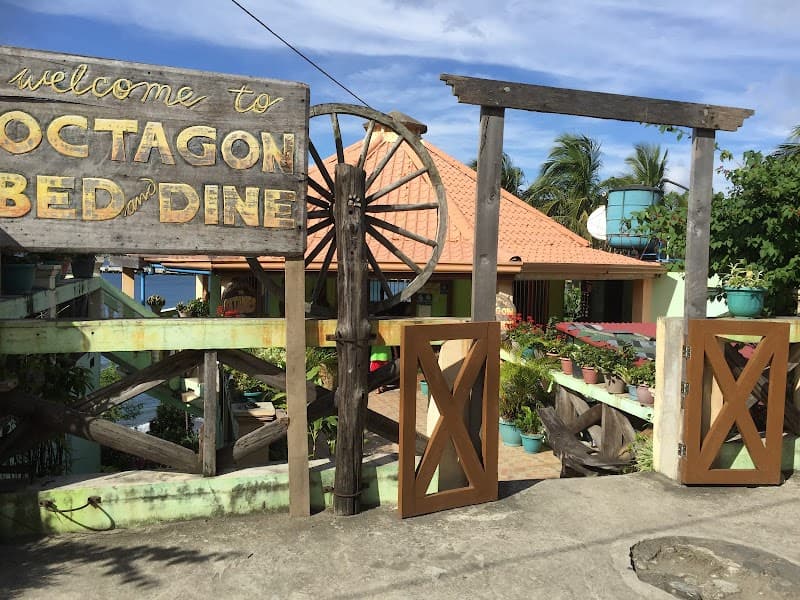
Wind, Waves, and Wild Hills: 7 Days in Batanes
Week · $$$
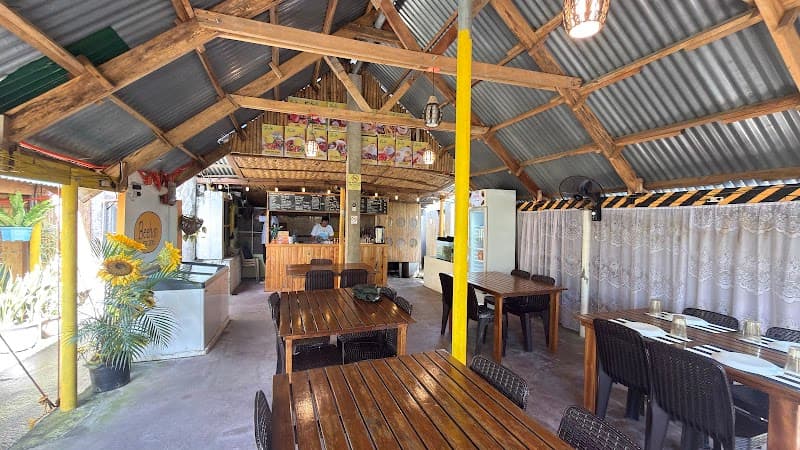
Wind-Swept Weekender in Wild Batanes
Weekend · $$$
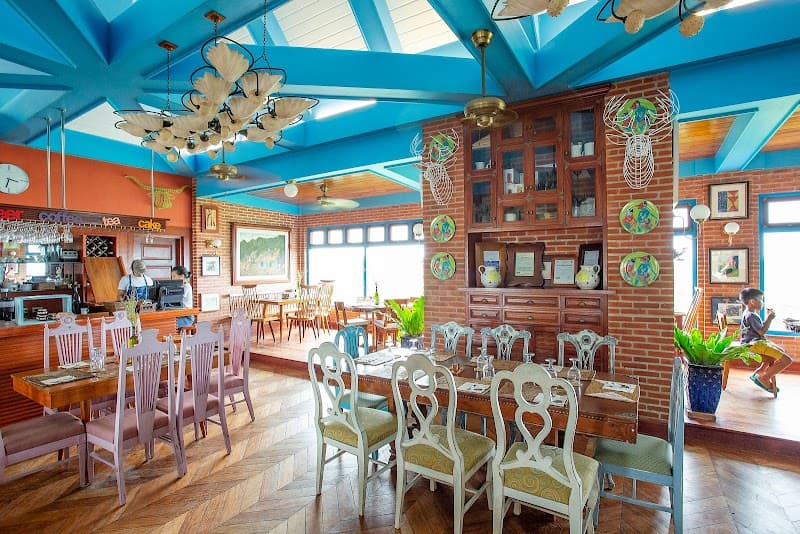
Batanes for Two: Wind-Swept Romance and Wild Coastal Calm
Week · $$$
Wind-Swept Batanes: 7 Days of Wild Family Wonder
Week · $$$

Three Dreamy Batanes Days of Hills, Sea & Stone Villages
Weekend · $$$
Batanes Slow Escape: Cliffs, Coves, and Cloudy Hills
Week · $$$
Things to Do in Batanes
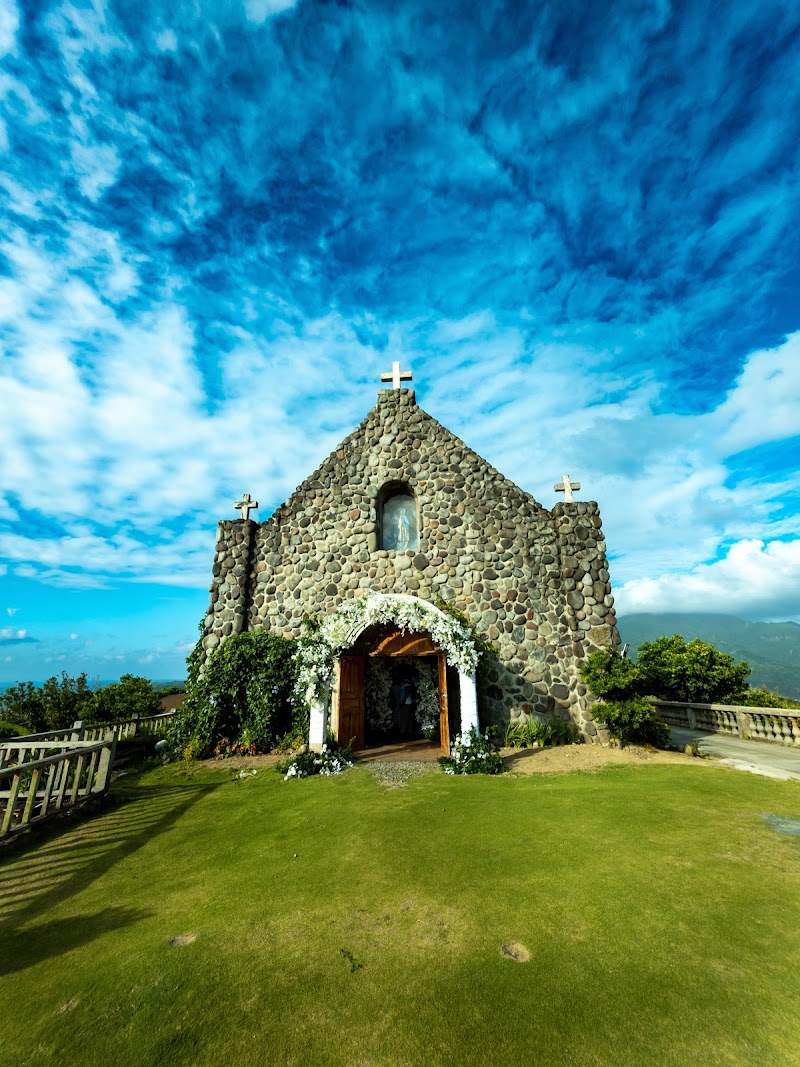
Tukon Chapel and PAGASA Station Viewpoint
Tukon / Basco North Hills · 90 min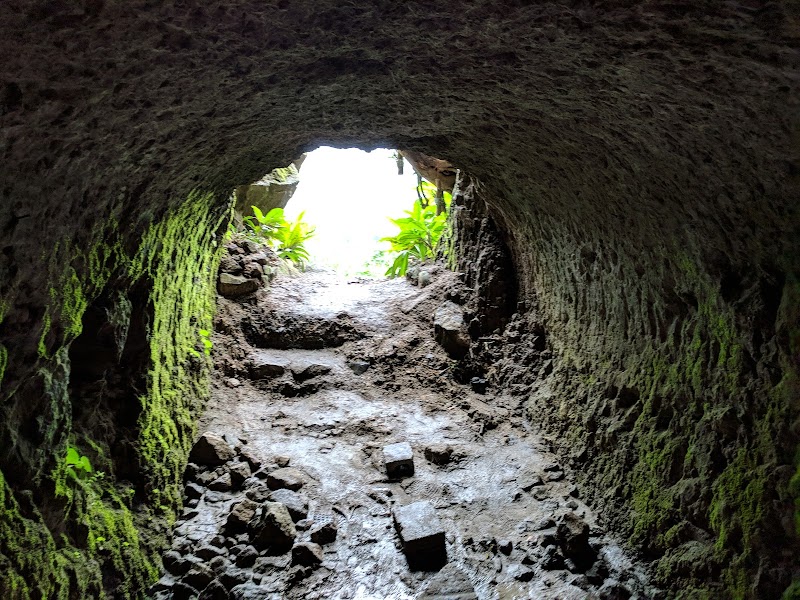
Dipnaysupuan Japanese Tunnel
Basco Hills (North Batan) · 45 min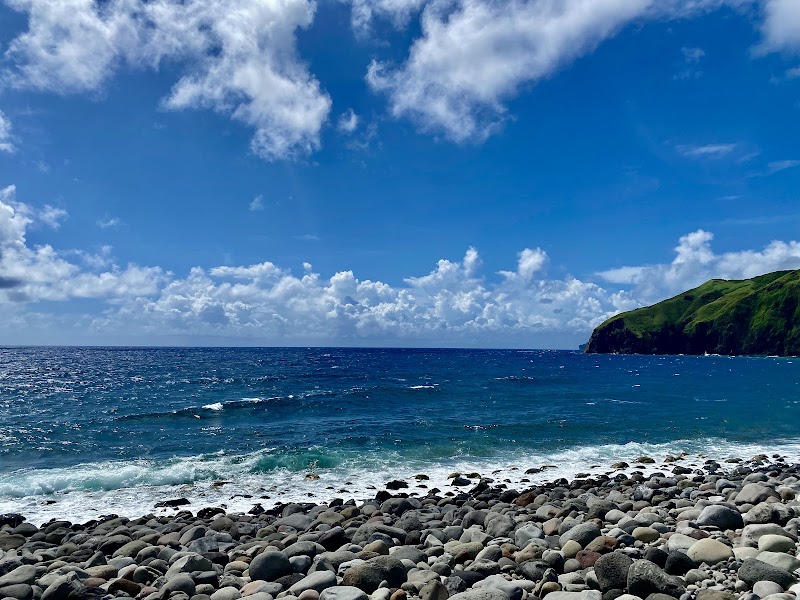
Valugan Boulder Beach
North Basco Coast · 45 minMoney-Saving Tips
- 1.Bring cash — ATMs are scarce and cards aren't widely accepted outside Basco
- 2.Book flights early, especially March-May when prices double for peak season
- 3.Motorbike rentals cost ₱500-800/day — much cheaper than hiring drivers
- 4.Eat at local carinderias instead of tourist restaurants to cut food costs by 60%
- 5.Stay in family-run guesthouses (₱1,500-2,500/night) instead of the few upscale options
- 6.Stock up on supplies in Basco before island hopping to avoid marked-up prices
- 7.Falowa boats to Sabtang cost only ₱30 vs ₱2,000+ for private charters
Travel Tips
- •Pack layers — weather changes dramatically throughout the day
- •Download offline maps before arriving — cell coverage is spotty outside towns
- •Bring a waterproof bag for electronics during boat trips to outer islands
- •Check weather conditions before booking falowa trips — they cancel frequently
- •Respect Ivatan culture by asking before photographing people or traditional houses
- •Stock up on medications and essentials in Basco — outer islands have limited supplies
- •Book accommodations in advance during peak season (March-May) — options are limited
- •Learn basic Ivatan greetings — locals appreciate the effort
- •Bring a good camera — the landscapes here are unlike anywhere else in the Philippines