Bohol
Philippine island paradise with chocolate hills and pristine beaches
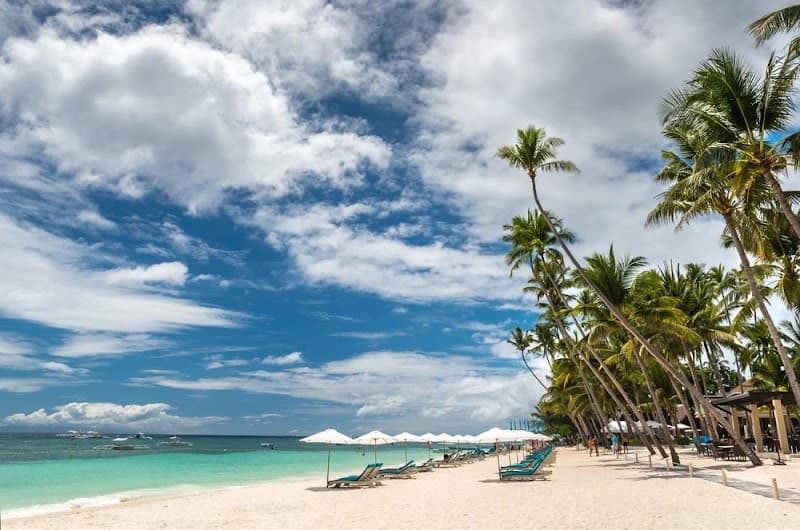
Bohol delivers that perfect mix of weird and wonderful that makes the Philippines so addictive. One minute you're staring at 1,268 perfectly cone-shaped hills that look like giant Hershey's Kisses, the next you're face-to-face with a tarsier—those bug-eyed primates that fit in your palm. The beaches here rival Boracay without the crowds, and your peso stretches further than a yoga instructor's hamstring. Sure, it takes some effort to get here, but that's exactly why Bohol still feels like a secret worth keeping.
Best Months
JAN · FEB · MAR · APR · MAY · NOV · DEC
~31°C · high crowds
Culture & Context
BLOOD COMPACT HERITAGE
Bohol is one of the most historically loaded islands in the Philippines. The Blood Compact Shrine in Tagbilaran marks the spot where Datu Sikatuna and Spanish explorer Miguel López de Legazpi literally mixed their blood with wine and drank it together in 1565 — the first recorded peace treaty between Spain and the Visayan people. Two years before the Augustinian church in Manila was even built.
Baclayon Church, standing since 1596, was constructed from coral stone and lime and is still an active parish. Bohol's heritage isn't in a museum. It's still being used on Sunday mornings.
The island also holds serious ecological weight: the Philippine tarsier is endemic here, a tiny nocturnal primate barely 4–6 inches tall that exists in only a handful of places on earth. The Chocolate Hills — over 1,200 perfectly symmetrical limestone mounds across 50 square kilometers in Carmen — earned national monument status in 1988. Bisaya (Cebuano/Visayan) is the language everyone speaks day to day.
Filipino (Tagalog) is widely understood, and English works fine in all tourist areas. In remote barangays, simpler is better.
Local Customs
NEGOTIATE FARES FIRST
Dress modestly when entering churches and chapels — shoulders and knees covered. Bohol's churches are still active parishes, not tourist sites with velvet ropes. Act accordingly..
Always agree on a tricycle fare before you get in. No meters exist. Tourists routinely get quoted PHP 150–200 for short trips that locals pay PHP 10–20 for.
It's not aggressive scamming, just different pricing — negotiate calmly.. Flash photography at the Corella tarsier sanctuary is strictly prohibited. These animals are so stress-sensitive that noise and light can literally kill them.
The sanctuary enforces silence. Guides take it seriously.. Do not visit the tarsier enclosure in Loboc along the countryside tour road.
Animals there are kept in poor conditions and replaced with illegally captured tarsiers. The Corella sanctuary (Philippine Tarsier Sanctuary) is the ethical choice, about 20 minutes outside Tagbilaran.. During festivals and town fiestas, locals open their homes to anyone who shows up — food is shared freely.
If you're invited in, accept graciously. Refusing hospitality in Bohol is genuinely awkward for the host.. The Philippines is a deeply Catholic country.
Semana Santa (Holy Week before Easter) is observed seriously across Bohol — many businesses close, and the mood in towns shifts noticeably. Plan transport and accommodation well in advance if visiting around Easter.. Drink bottled water only.
Tap water varies in quality across the island. Buying a large refillable jug from a water station (common in towns) costs just a few pesos and beats paying for individual bottles constantly.
Safety
COMMON SENSE REQUIRED
Bohol is genuinely one of the safer provinces in the Philippines for tourists. Violent crime against visitors is uncommon. That said, petty issues do happen.
Tricycle overcharging is the most consistent annoyance — always settle the fare before you get in. On Alona Beach, don't leave your phone on a table while you swim or drink. It's not dramatically dangerous, just where common-sense lapses tend to cost money.
Motorbike rental is a great way to get around, but roads can be dark, narrow, and shared with dogs and trucks at night. If you're not experienced on Philippine roads, don't attempt long-distance riding after dark — it's simply not worth it. The island sits in typhoon territory; the season runs June through November.
Check PAGASA weather updates before booking any boat trips and listen to your hotel staff if they advise against going out to sea. Seas around Balicasag and the smaller islands can look calm in the morning and turn rough by afternoon. Tap water is not reliable — drink bottled or use a water station.
Healthcare in Tagbilaran is adequate for general needs, but anything serious means a trip to Cebu. Travel insurance that covers medical evacuation is genuinely worth having here. The Sulu Archipelago and parts of Mindanao to the south have active travel advisories from multiple governments — Bohol itself is nowhere near these areas and is not affected.
Getting Around
TRICYCLES & MOTORBIKES
Two ways in: fly direct to Bohol-Panglao International Airport (TAG) from Manila — about 1.5 hours, daily flights on Cebu Pacific, Philippine Airlines, and AirAsia. Or take the OceanJet fast ferry from Cebu Pier 1 to Tagbilaran Port — 2 hours, four sailings a day from 7 AM, fares PHP 655–1,175 ($12–$22 USD).
Book ferry tickets ahead during peak season (December–April). Once on the island: tricycles handle short hops in town (PHP 10–20 for locals, PHP 150–200 for tourists if you don't negotiate — always agree first). Habal-habal motorbike taxis work for medium distances.
Public buses leave from Dao Terminal in Tagbilaran — PHP 100 to Panglao, PHP 150 to Anda. Private van hire for countryside day trips runs PHP 2,500–3,500 for up to 8 hours. Motorbike self-rental starts at PHP 300–350 per day and gives you the most freedom.
Car rental is around PHP 1,500 per day. Grab ride-hailing is not reliably available — don't count on it. ATMs are in Tagbilaran and Panglao; carry enough cash for remote areas and small vendors, as many are cash-only.
Useful Phrases
Bohol Itineraries
View all
Bohol Jungle-Wild 7-Day Island and Countryside Escape
Week · $$$
Wild Green Bohol: Jungles, Caves & River Nights
Weekend · $$$

Three Wild Days in Bohol’s Jungle & Sea
Day Trip · $$$
7 Romantic Jungle Days in Wild & Green Bohol
Week · $$$
Wild Green Bohol: A Romantic 3-Day Jungle Escape
Weekend · $$$
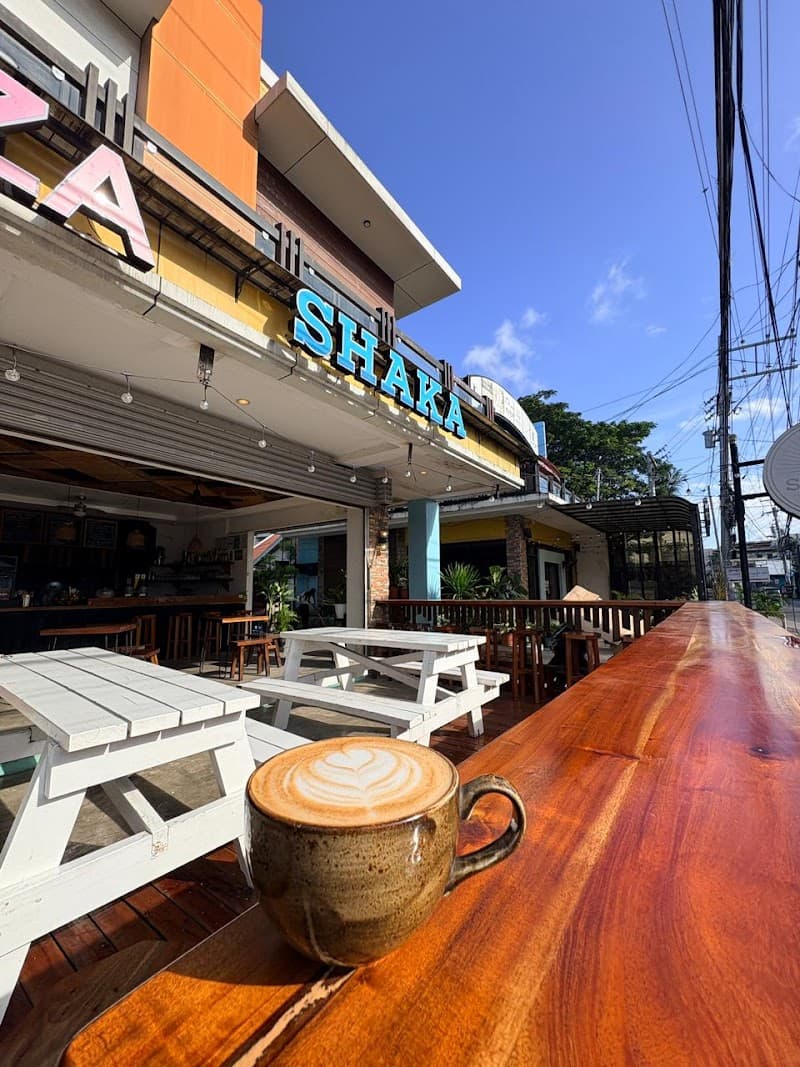
Jungle Wild Romance: 3 Days in Bohol
Day Trip · $$$
Things to Do in Bohol
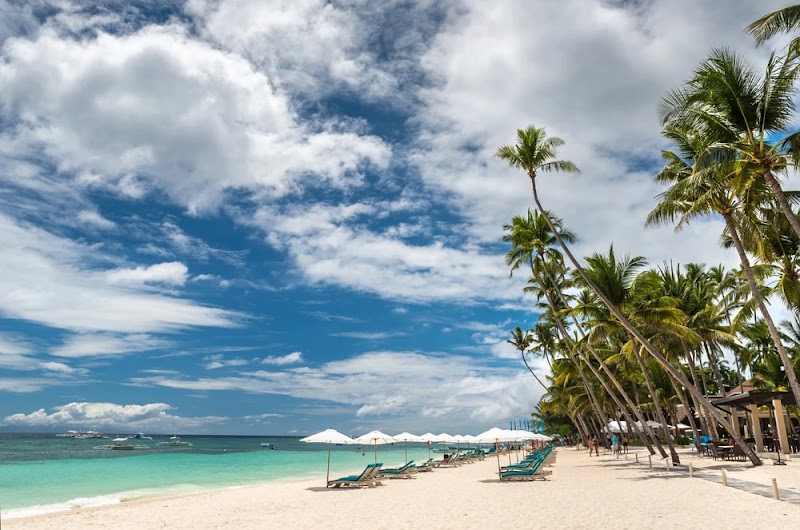
Alona Beach Free Explore
Alona Beach, Panglao · 120 min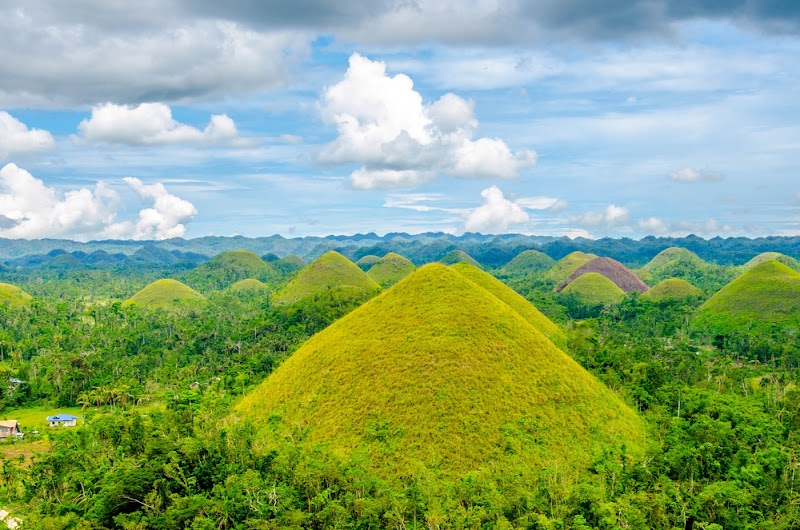
Bohol: Chocolate Hills, Tarsier, and Loboc River Tour
Tagbilaran–Carmen–Loboc countryside loop · 420 min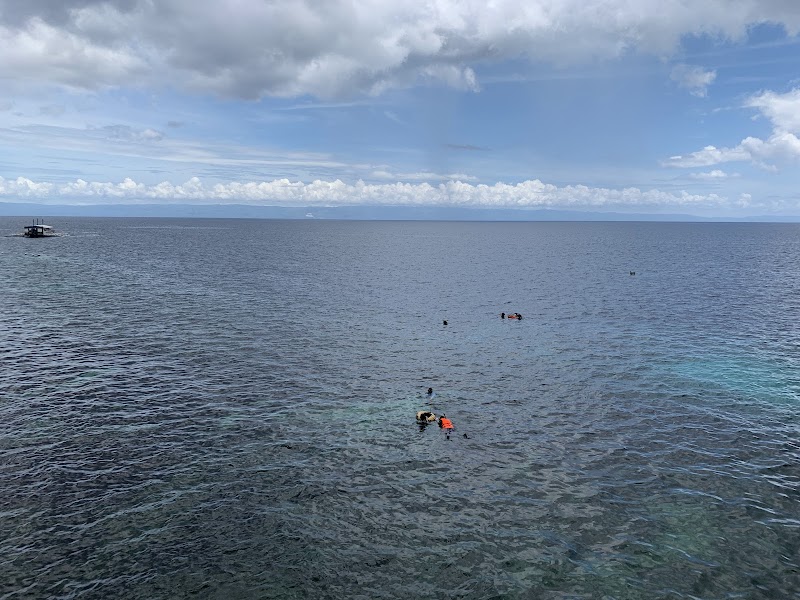
Napaling Reef Sardine Run Snorkeling
Napaling Reef, Panglao North Coast · 180 minMoney-Saving Tips
- 1.Eat at local carinderias instead of resort restaurants—meals cost ₱80-150 versus ₱300-500
- 2.Book island hopping tours directly with boat operators at Alona Beach, not through hotels
- 3.Rent scooters from local shops (₱300/day) rather than resorts (₱600/day)
- 4.Buy snacks and water at 7-Eleven or local stores before heading to attractions
- 5.Haggle for tricycle fares—initial quotes are usually 50% higher than fair price
- 6.Stay in Tagbilaran City for budget accommodation, then day-trip to beaches
- 7.Visit during shoulder season (February-March) for 30-40% lower accommodation rates
Travel Tips
- •Bring cash—many places don't accept cards, and ATMs are limited outside Tagbilaran
- •Download offline maps before exploring remote areas with poor cell coverage
- •Pack reef-safe sunscreen to protect coral reefs during snorkeling
- •Book tarsier sanctuary visits early morning when they're most active
- •Wear closed shoes when visiting Chocolate Hills—the trails can be rocky
- •Learn basic Tagalog phrases—locals appreciate the effort and become more helpful
- •Keep your room key and valuables in waterproof pouches during island hopping
- •Respect tarsier sanctuaries—no flash photography or loud noises around these sensitive animals