
Cebu
Philippines' historic heart with Spanish colonial charm and island access
Cebu isn't just another Philippine city. It's where Magellan first landed, where Spanish colonialism took root, and where you can eat like royalty on a backpacker's budget. The Queen City of the South balances 500-year-old churches with gleaming malls, street food stalls with fine dining, and urban energy with easy escapes to pristine islands. Here's the thing about Cebu: it gives you everything Manila does, but with better food, friendlier locals, and beaches just a boat ride away.
Best Months
JAN · FEB · MAR · APR · MAY · DEC
~32°C · peak crowds
Culture & Context
CHRISTIANITY'S PHILIPPINE BIRTHPLACE
Cebu is the oldest city in the Philippines and the entry point for Christianity when Magellan landed here in 1521. That history is not just on plaques. It lives in the Basilica Minore del Santo Niño, which houses the oldest religious artifact in the country, and in the Sinulog festival that draws millions every January.
Cebuanos are genuinely proud of being distinct from Manila, which they call 'the north' with a certain attitude. The local language is Bisaya (Cebuano), the second most widely spoken language in the Philippines, and locals notice when you try even two words of it. The food culture is its own thing: Cebu lechon is spiced and roasted differently from everywhere else in the country (lemongrass-stuffed, crackling skin, no sauce needed), and locals will tell you this with conviction backed by Anthony Bourdain quotes.
The communal eating style, especially around tuslob buwa and puso at pungko-pungko street stalls, reflects how social and unpretentious the culture actually is at ground level. Cebu is also a major BPO hub, which means a large chunk of the working population operates on night shifts. That's why IT Park at 2am looks like it's mid-afternoon.
Local Customs
LECHON PRIDE, BISAYA TONGUE
Cebu runs on Bisaya (Cebuano), not Tagalog. Saying 'po' (the Tagalog honorific) marks you immediately as someone from Manila or overseas. Not offensive, just unnecessary.
Drop it here.. Sinulog is a religious event first, a street party second. The novena masses at the Basilica Minore del Santo Niño fill from 4am.
If you're going into the basilica or joining any procession, dress respectfully. Shorts and singlets are fine outside on the parade route.. Lechon in Cebu is a point of serious local pride.
Anthony Bourdain called it the best pig ever, and Cebuanos have not forgotten. Rico's Lechon, Zubuchon, and CNT are the tourist-friendly names. For budget lechon, head to Carcar Public Market and buy it by the kilo..
Tuslob buwa is the street food that separates the curious from the cautious. It's a communal dish of bubbling pork brain and soy sauce served in a shared wok with puso (diamond-shaped hanging rice). You dip the rice directly in.
Messy, social, genuinely good. Originated in Pasil and now famous across the city.. Puso (hanging rice wrapped in woven coconut leaves) is everywhere.
It pairs with everything from lechon to street barbecue and costs almost nothing. Grab it from stalls near Fuente Osmeña Circle or Salinas Drive.. Carry small bills at all times.
₱20 and ₱50 notes are king on jeepneys. Drivers will claim they have no change for a ₱500 note and they're often telling the truth.. Malls in Cebu function as community centers, not just shopping.
Bag checks and metal detectors at every entrance are normal. Don't be surprised or alarmed.. Avoid pointing at people or objects with a single finger; use an open hand or a nod of the head instead.
Small thing, but locals notice.. Typhoon season runs from roughly June to November. Check PAGASA (the Philippine weather service) daily during this period.
Cebu gets hit less than other areas, but it does get hit.
Safety
STAY SWITCHED ON
Cebu is genuinely manageable for tourists who stay switched on. The most common problems are petty: bag-snatching on Colon Street, overcharging by unmetered tricycles, and ATM skimmers on standalone machines. Use bank ATMs inside malls only.
Stick to Grab at night rather than hailing a random taxi. In tourist-friendly areas like IT Park, Cebu Business Park, Lahug, and the Mactan resort strip, serious crime is rare. The historic downtown area around the Basilica and Magellan's Cross is fine during daylight with reasonable crowds, but avoid wandering the backstreets near Colon alone after dark.
Port areas near Pier 1 also thin out fast after business hours. Politically, Cebu is stable. The security concerns the US and other governments flag are largely focused on Mindanao and the Sulu Archipelago, which are not Cebu.
Typhoon season runs June–November. Monitor PAGASA and know that Signal No. 3 means stay indoors.
Don't drink tap water. The UV index regularly hits 11–12 (classified as extreme) so SPF 50+ is not optional, and rash guards are genuinely useful at beaches.
Getting Around
GRAB AFTER DARK
Getting around Cebu requires a strategy because one mode does not cover everything. In the city, Grab is the most reliable and safest option, especially at night. Fares are fixed upfront and you avoid the meter argument entirely.
Download it before you land. Jeepneys are the cheapest option at ₱13–20 a ride, but they follow fixed routes with codes like 04L or 13C displayed on windshields. Without knowing the routes, you'll be confused.
Ask a local or use Google Maps, which now maps jeepney routes in the city. Say 'lugar lang' when you want to get out and pass your fare forward saying 'bayad.' MyBus is the modern air-conditioned option connecting Mactan-Cebu International Airport to SM City Cebu, IT Park, and SM Seaside.
Fare is ₱50–80, and you need a reloadable tap card. For getting out of the city, Ceres buses from the South Bus Terminal (on N. Bacalso Avenue near Elizabeth Mall) go to Moalboal, Oslob, and Bantayan.
Fares are ₱200–350 for long trips. Always arrive early since seats are first-come, first-served. Ferries from Pier 1 and Pier 3 connect to Bohol, Leyte, and smaller islands.
Book through OceanJet or 12Go especially on weekends. A Cebu BRT (Bus Rapid Transit) began pilot operations in late 2025, running 13 km from South Road Properties to IT Park with 17 stations. Worth trying if stops align with your route.
One honest warning: traffic in Cebu City is genuinely bad, especially between 7–9am and 5–7pm. A 5km trip can take 40 minutes. Build this into every plan.
Useful Phrases
Cebu Itineraries
View all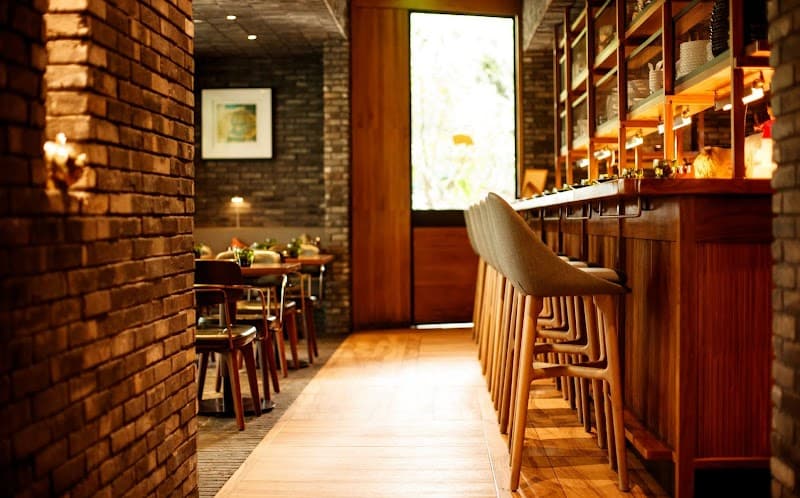
Seven Days Solo in Cebu: Reefs, Ridges, and Street Eats
Week · $$

7 Wild Days in Cebu: Jungles, Waterfalls & Island Blues
Week · $$$
Cebu Jungle Wild Weekend: Falls, Sea Life, and City Views
Weekend · $$$
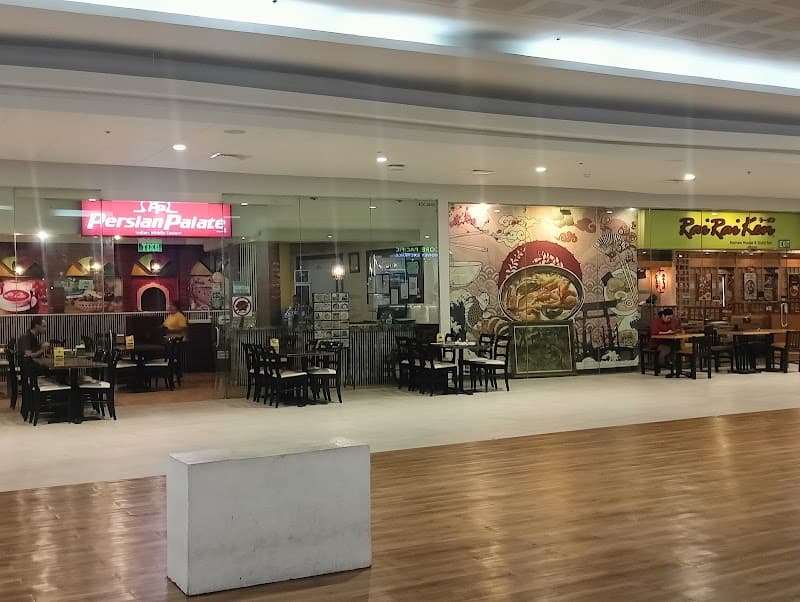
7 Wild & Romantic Days in Cebu’s Jungle & Sea
Week · $$$
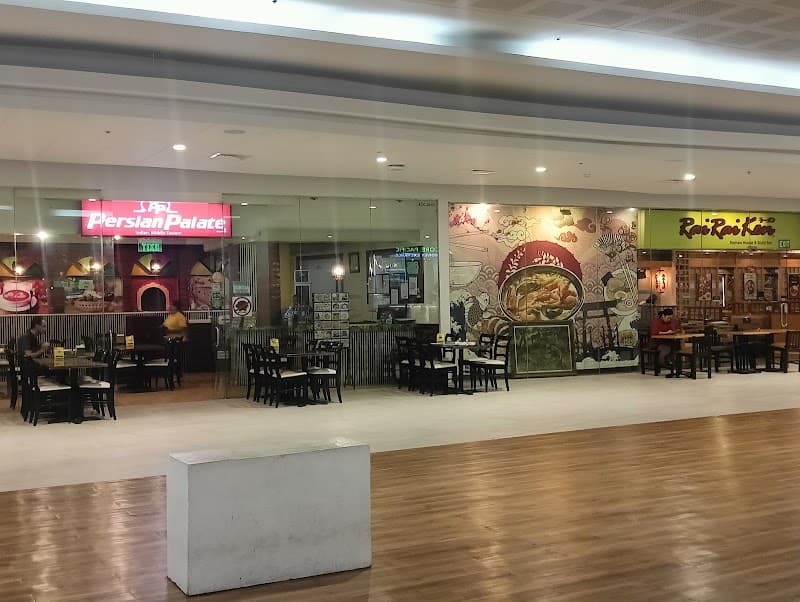
Romantic Jungle Escape in Cebu City & Highlands
Weekend · $$$
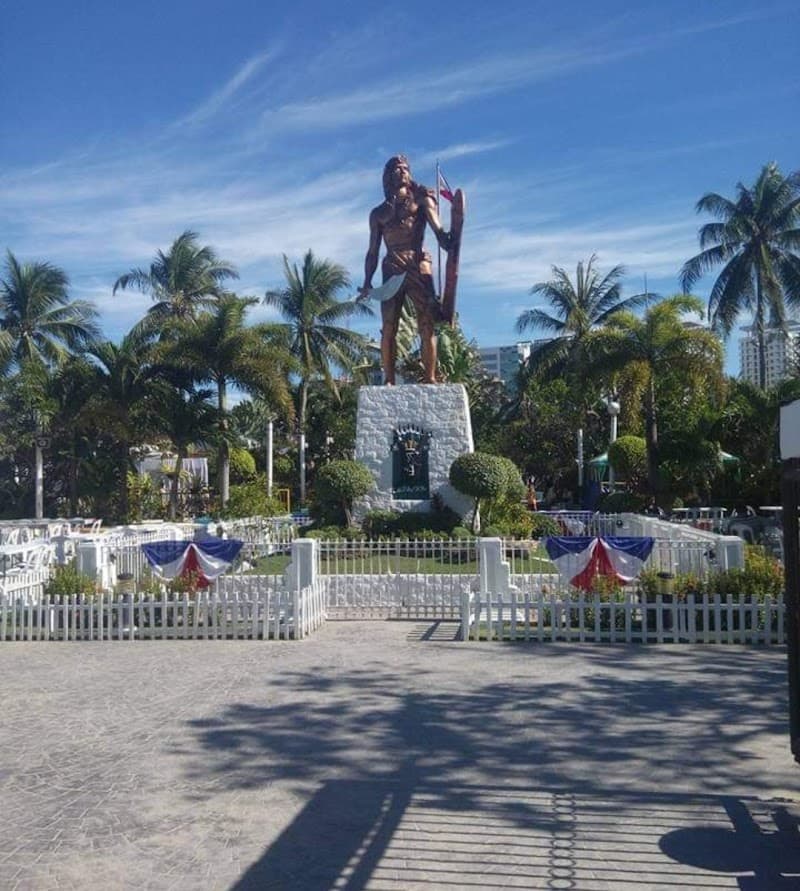
Cebu Family Adventure: Jungly Hills, Islands, and Easy Heritage
Week · $$$
Where to Stay in Cebu
2 recommended properties
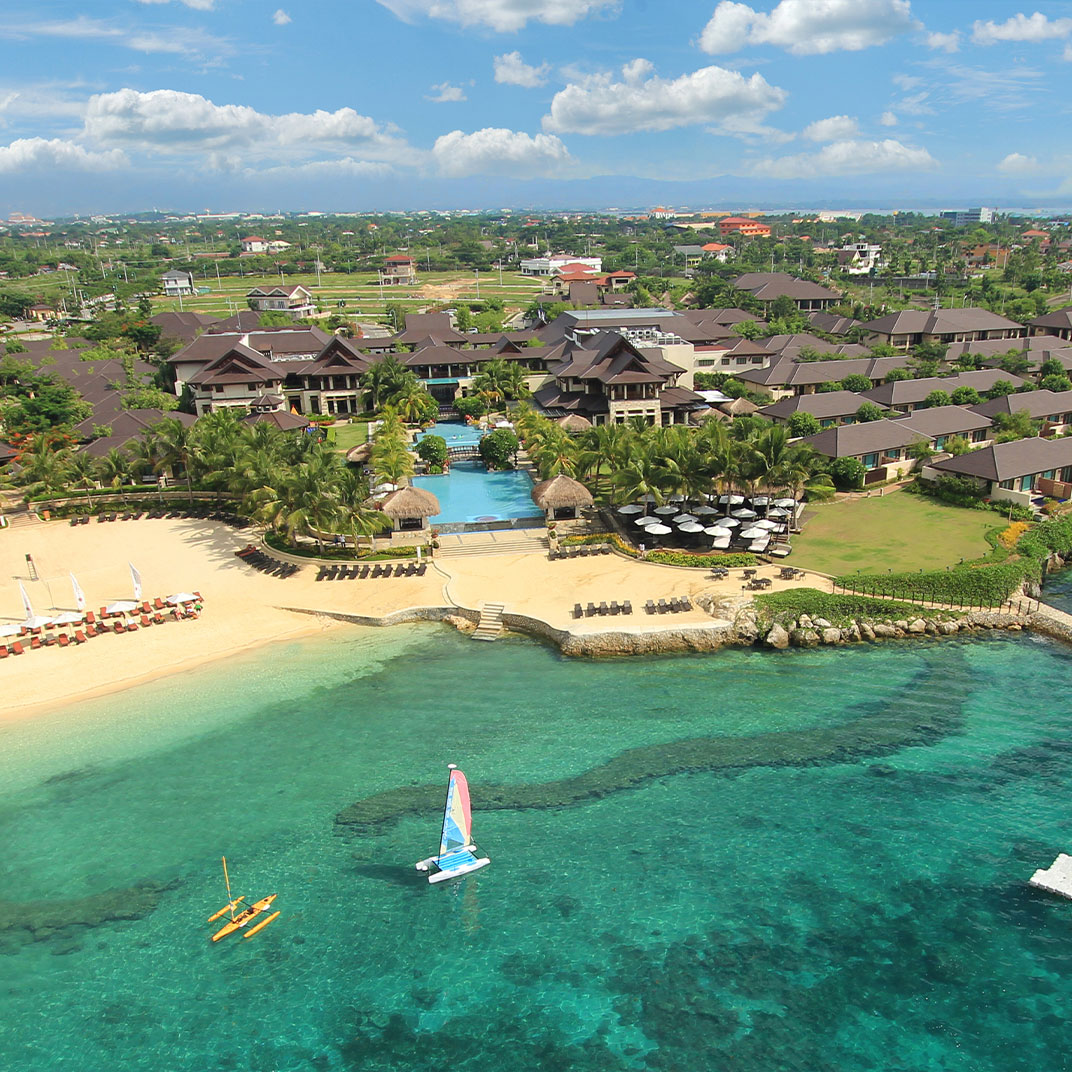
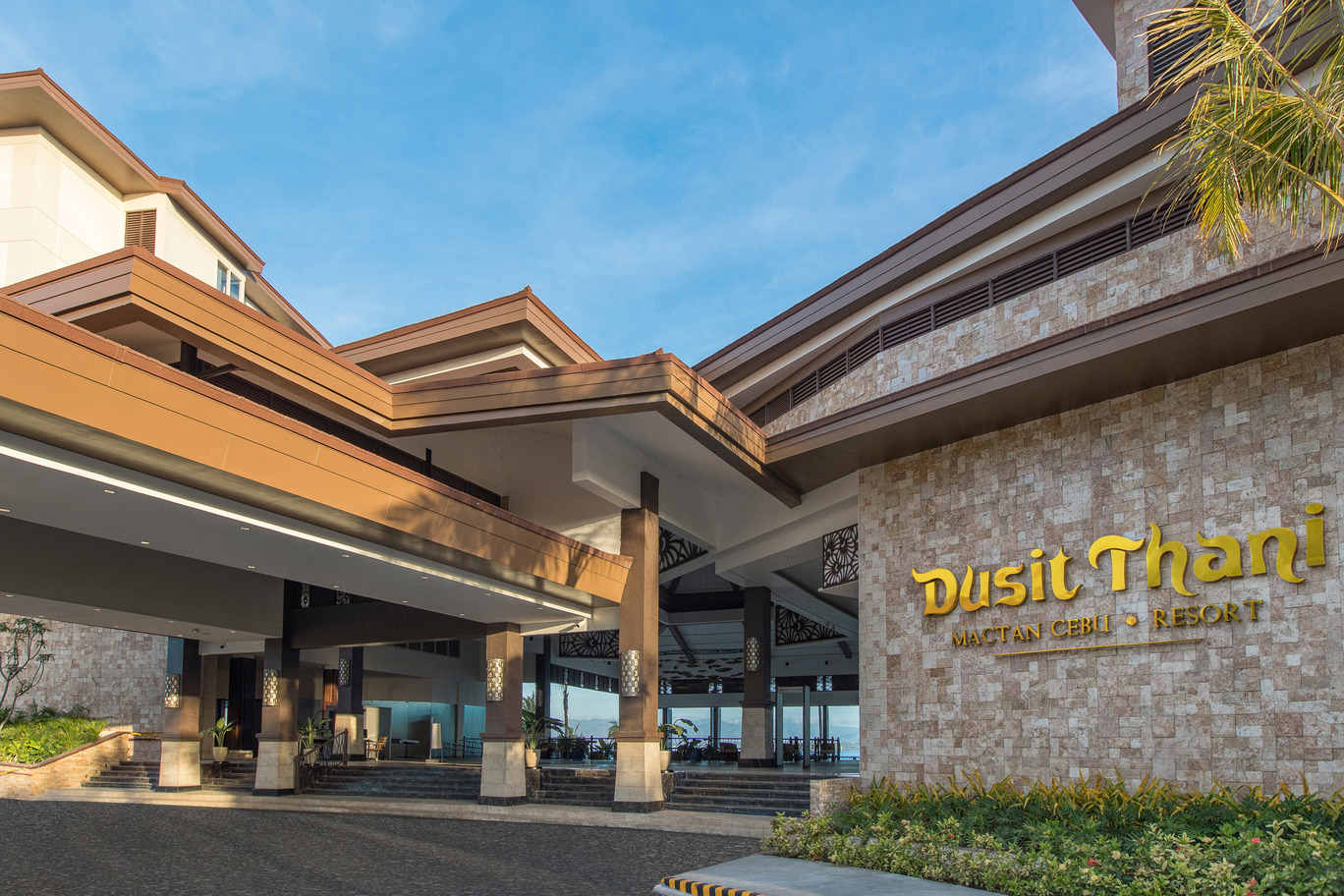
Things to Do in Cebu
Cebu City Heritage Walking Loop
Downtown Cebu (Colon / Sto. Niño area) · 150 min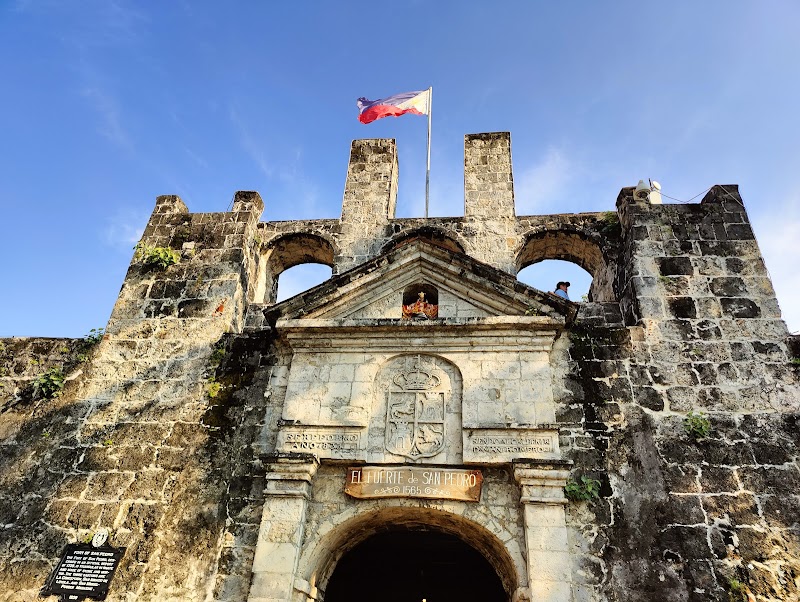
Fort San Pedro & Plaza Independencia
Downtown Cebu (Pier area) · 60 min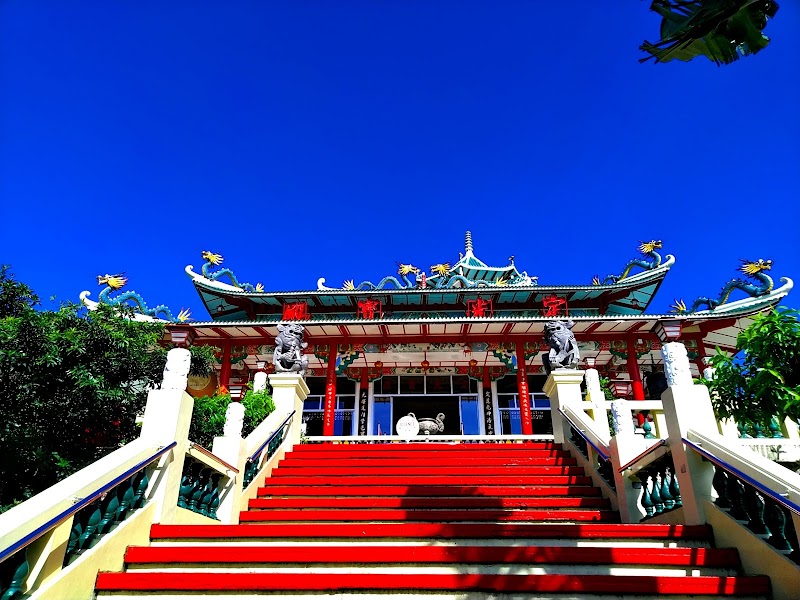
Cebu Taoist Temple
Beverly Hills, Lahug · 90 minMoney-Saving Tips
- 1.Eat at local carinderias for 80-150 peso meals instead of tourist restaurants
- 2.Take jeepneys (12 pesos) over Grab when you're not in a hurry
- 3.Buy dried mangoes and other pasalubong at Profood International, not airport shops
- 4.Book island hopping tours directly with boat operators at the pier to skip middleman fees
- 5.Stay in Colon Street area for budget accommodation and authentic local experience
- 6.Visit during shoulder season (March-May) for lower hotel rates and fewer crowds
Travel Tips
- •Download offline maps – wifi can be spotty outside IT Park and malls
- •Bring cash – many local restaurants and transportation don't accept cards
- •Learn basic Cebuano phrases like 'salamat' (thank you) – locals appreciate the effort
- •Book Sinulog Festival accommodation 3+ months in advance or expect to pay premium prices
- •Pack light rain jacket even during dry season – afternoon showers happen
- •Negotiate habal-habal prices before riding, especially for tourist destinations like Temple of Leah