
Coron
Hidden lagoons and pristine waters in Philippine paradise
Coron isn't just another tropical destination. This slice of northern Palawan hides some of the Philippines' most jaw-dropping lagoons behind towering limestone cliffs. You'll find crystal-clear waters that shift from emerald to sapphire, depending on the light. The island made headlines when Jacques Cousteau declared its waters among the world's best diving spots. But here's what most people don't know: the real magic happens in the hidden lagoons accessible only by kayak through narrow rock passages. Coron town itself stays refreshingly low-key, with family-run restaurants serving the freshest seafood and locals who still wave at passing boats.
Best Months
JAN · FEB · MAR · APR · MAY · DEC
~32°C · peak crowds
Culture & Context
WWII WRECKS & TAGBANUA SACRED
Coron sits on Busuanga Island in the Calamianes Group of Islands in northern Palawan. But here is the thing that confuses almost every first-timer: Coron is both a town and a separate island. Coron Town is on Busuanga.
Coron Island — the one with Kayangan Lake and Twin Lagoon — is a short boat ride away. They are not the same place. The town has about 65,000 residents.
The Tagbanua people are the original inhabitants and hold ancestral domain rights over Coron Island, which was formally recognized in 1998. Most tourists will visit Kayangan Lake without ever knowing the Tagbanua opened it to outsiders only in 2001, after performing traditional ceremonies. The lake's water is 70% fresh, 30% saltwater, and the Tagbanua consider several of Coron's lakes sacred.
Beyond the Tagbanua, you will hear Cuyonin (also spelled Cuyonon) spoken around town — it was the lingua franca of Palawan province until the late 1980s, when Tagalog-speaking migrants from Luzon arrived in large numbers. Today most locals speak Filipino (Tagalog) and English fluently, but the older dialect still floats around markets and fishing communities. The WWII shipwrecks define the underwater landscape.
On September 24, 1944, American planes bombed a fleet of Japanese ships in Coron Bay, sinking up to 24 vessels. The wrecks now sit between 12 and 43 meters deep, covered in coral, and rank among the most accessible wreck dives in the world. That history is everywhere once you start talking to dive guides — it is not just a tourist selling point, it is genuinely woven into how people here understand the place.
Local Customs
RESPECT TAGBANUA TERRITORY
Coron Island is sacred Tagbanua ancestral land. When tour boats stop at Kayangan Lake or Twin Lagoon, you are a guest on indigenous territory. Stick to marked paths, do not wander into restricted areas, and follow your guide's instructions — no exceptions..
Littering and smoking in public places are strictly prohibited across Palawan. Fines apply and increase with each offense. This is enforced, not just posted on signs..
Dress modestly when walking around town or visiting religious sites. Walking around in just a bikini top or without a shirt away from the water is considered disrespectful by locals.. Most souvenir shops in Coron Town sell goods claiming to be 'local' that are actually manufactured in Puerto Princesa and shipped over.
For genuinely Tagbanua-made woven handicrafts, seek out operators running responsible community tourism like Red Carabao.. Ask before photographing locals, especially indigenous Tagbanua community members. It is common courtesy and genuinely appreciated..
Use reef-safe sunscreen only — this is not just a guideline but increasingly enforced at marine sanctuaries. The coral reefs around Siete Pecados are fragile. Do not touch coral, ever..
When booking boat tours, always verify the operator is licensed and that life jackets are provided. This matters — some budget operators cut corners on safety equipment.. The Tagbanua celebrate Pagdiwata, a ritual expressing gratitude to deities for harvests.
It involves traditional dances, music, and offerings. If you happen to witness it, observe respectfully and only participate if specifically invited.. Drink bottled or purified water throughout your stay.
Tap water is not safe to drink.. GCash is gaining traction in Coron but cash (Philippine Pesos) is still king — especially for tours, tricycles, and market shopping.
Safety
WATER SAFETY FIRST
Coron is generally safe for tourists. Petty theft is possible in crowded public market areas, so keep your bag zipped and don't flash expensive gear unnecessarily. The bigger safety issues are on the water.
Always book boat tours with licensed operators who provide functioning life jackets — not just ones hanging on a hook for show. Typhoon season runs June through November. If you're visiting during those months, check forecasts before every boat trip because conditions can change fast.
The Tagbanua sacred areas on Coron Island are restricted. Wandering off marked paths is not just disrespectful — in some areas it is prohibited, and guides take this seriously. For medical emergencies, Coron Town has basic health facilities, but serious cases require evacuation to Puerto Princesa or Manila.
Travel insurance covering medical evacuation is strongly recommended. There is a BPI and Landbank in the town proper, but ATM availability is limited — bring more cash than you think you need, especially for multi-day island trips. Mosquito repellent is essential at dawn and dusk.
Getting Around
TRICYCLES & ISLAND BOATS
Big change for 2026: effective March 29, 2026, flights to Coron no longer depart from Ninoy Aquino International Airport (Manila). They now operate from Clark International Airport (CRK) in Pampanga. Factor in the extra travel time from Metro Manila to Clark — it's roughly 1.
5–2 hours by road outside rush hour. Cebu Pacific, Philippine Airlines, SunlightAir, and AirSwift fly to Busuanga Airport (USU). The flight itself takes about one hour from Clark or Cebu.
From Busuanga Airport, a van to Coron Town Proper takes 45 minutes and costs around PHP 250 per person. Once in town, tricycles are the primary way to get around. Short rides cost PHP 10–50 depending on distance.
Rent a scooter for around PHP 400–500/day if you want to explore beyond the town center — it opens up beaches, waterfalls, and dining options that tricycles won't take you to easily. For the classic Palawan circuit, the El Nido to Coron ferry (Montenegro Lines or Atienza) takes 8–10 hours and costs PHP 1,700–2,500. Fast craft options run 5–6 hours for PHP 3,500–5,500, available in dry season.
The passage boat over 3 days through the Linapacan archipelago costs PHP 5,500–9,500 all-inclusive and is the most memorable way to travel between the two destinations — book 5–7 days ahead in peak season. Island hopping is done by outrigger boat. Join a group tour for PHP 1,500–1,800 per person, or charter a private boat (sometimes comparable in price for groups of 3–4).
Useful Phrases
Coron Itineraries
Things to Do in Coron
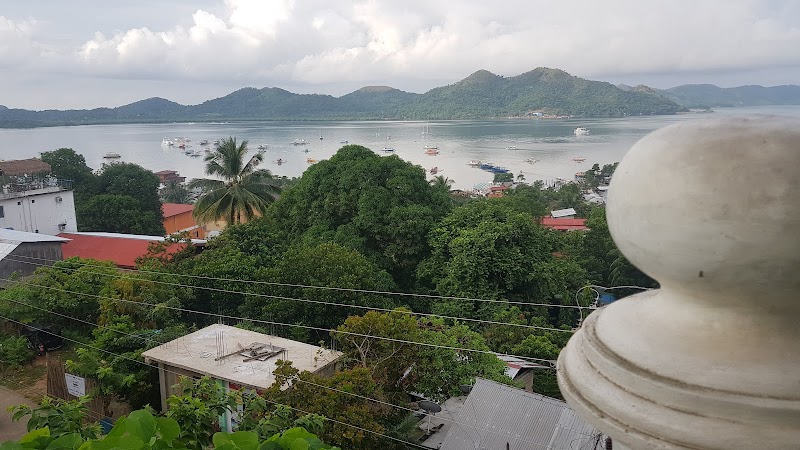
Mt. Tapyas View Deck
Coron Town Proper · 120 minMoney-Saving Tips
- 1.Book accommodation 2-3 months ahead for December-April peak season to avoid 50% price premiums
- 2.Join group island hopping tours (1,500-2,000 pesos) instead of private boats (6,000-8,000 pesos) to split costs
- 3.Eat at local carinderias (food stalls) where meals cost 150-250 pesos vs 400-600 pesos at tourist restaurants
- 4.Buy snorkel gear in Coron town (800-1,200 pesos) rather than renting daily (200 pesos) for stays over 6 days
- 5.Take shared van transfers from airport (200 pesos) instead of private taxis (1,500 pesos)
- 6.Stock up on water and snacks at 7-Eleven before island tours - boat vendors charge triple the price
Travel Tips
- •Bring reef-safe sunscreen - many lagoons ban chemical sunscreens to protect marine life
- •Pack a dry bag for electronics during boat transfers - waves can splash unexpectedly
- •Download offline maps before heading out - cell signal drops between islands
- •Wear water shoes for rocky lagoon entries and sharp coral areas
- •Book diving courses in advance during peak season - popular operators fill up quickly
- •Carry small bills (20, 50, 100 peso notes) for tricycle rides and local vendors
- •Start island tours early (7-8 AM) to beat crowds at popular spots like Kayangan Lake
- •Respect photography restrictions at sacred sites - some lagoons prohibit drone use