
Manila
Philippines' bustling capital blending Spanish colonial and modern Asia
Manila hits you like a shot of lambanog — strong, surprising, and impossible to forget. The Philippines' capital throws Spanish colonial churches next to gleaming malls, serves the world's best street food on every corner, and keeps the party going until sunrise. Sure, the traffic is legendary and the humidity is real, but that's part of Manila's charm. This city doesn't apologize for being intense.
Best Months
JAN · FEB · MAR · APR · DEC
~32°C · high crowds
Culture & Context
BAROQUE MEETS 7-ELEVEN
Manila is one of the world's great chaotic megacities, and it will not apologize for it. Sixteen cities fused into one sprawling metro area, each with its own personality, traffic patterns, and street food scene. Spanish colonizers left behind 400-year-old stone walls and grand Catholic churches. American occupation dropped English into everyday speech so thoroughly that Filipinos code-switch mid-sentence without thinking about it. The result is a city where a Baroque church sits directly across from a 7-Eleven, where an SM megamall is everyone's default living room, and where 23 million people make it work every single day.
Religion runs deep here. The January 9th Feast of the Black Nazarene draws millions of barefoot devotees through the streets of Quiapo — not hundreds of thousands, millions. Christmas decorations go up in September. The "Ber months" are basically a four-month national holiday mood. You'll notice this in how Filipinos interact: warmth first, business second. There's a concept called "Filipino time," which roughly means plan for 30-45 minutes of delay on any social engagement. It's not disrespect. It's just rhythm.
The wealth gap is stark and visible. BGC's gleaming towers and ₱600 artisan coffees sit a few kilometers from Tondo, one of Southeast Asia's most densely populated urban poor areas. Don't look away from this contradiction — it's part of understanding the city honestly.
Local Customs
LIPS POINT, SHOES OFF
Use 'po' and 'opo' when talking to anyone older than you or in a service role. It costs nothing and signals cultural awareness immediately.. Filipinos often invite you to eat even if there isn't quite enough food for everyone — the phrase 'Kain na tayo' is genuine hospitality, not just polite noise.
Accept when you can.. Filipino time is real: social events run 30-45 minutes late as a norm. For restaurants and tours, be on time.
For house parties or casual meetups, adjust expectations.. Pointing with a finger is considered rude. Filipinos point with their lips — a quick directional pursing.
You'll see it everywhere once you know to look for it.. Remove shoes when entering someone's home. This is non-negotiable and automatic — you'll see a pile of shoes at every front door..
Malls are not just shopping centers here. They are community spaces, first-date locations, air-conditioned family parks, and church alternatives. Don't be dismissive of mall culture; it's genuinely central to Manila social life..
Be careful with compliments about someone's belongings — in traditional Filipino culture, the polite host might insist on giving it to you. This catches visitors off guard.. Do not discuss the drug war, politics, or President Marcos casually with strangers.
Opinions run deep and the room can shift quickly. Save heavy topics for people you actually know.. Tipping is appreciated but not mandatory.
In restaurants, rounding up or leaving ₱50–100 on a meal is common. For hotel staff handling bags or room service, ₱50–100 per service is standard.
Safety
GRAB NOT TAXIS
Manila is not inherently dangerous, but it rewards preparation and punishes carelessness. The main threats to tourists are specific and avoidable.
TAXIS: This is the single most common way tourists get taken advantage of. Unmetered taxis from the airport especially — drivers quote flat rates three to four times what a metered fare would cost. Skip the taxi queue entirely. Use Grab (the dominant ride-hailing app throughout Southeast Asia) from the moment you land. Manila Airport Authority officially recommends Grab. A ride from NAIA to BGC should run ₱350–700, not ₱2,500. Book it inside the airport before stepping outside.
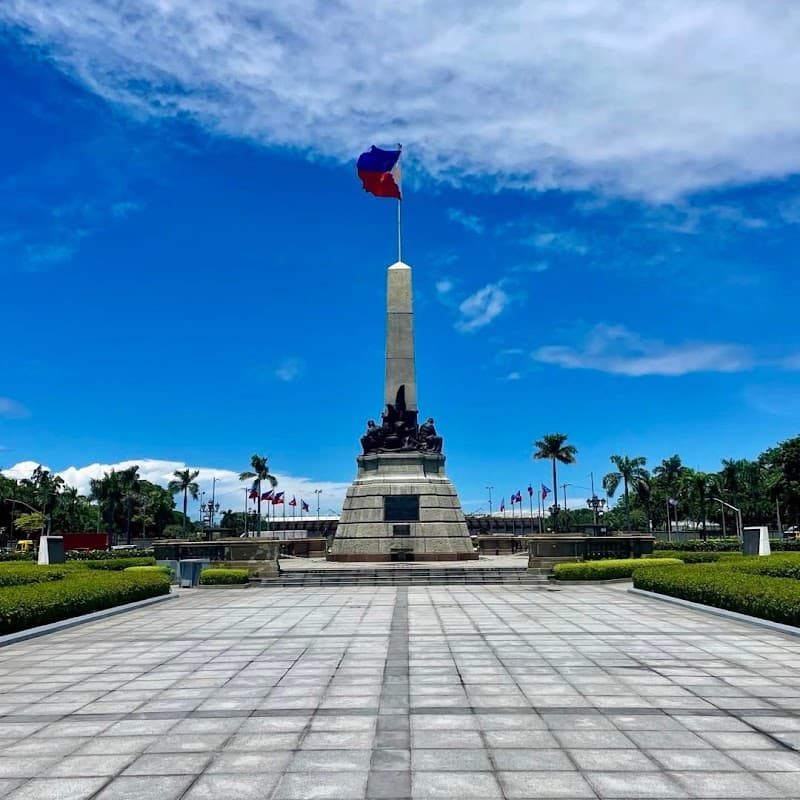
PICKPOCKETING: Crowded jeepneys, markets, Divisoria, Quiapo, and busy tourist spots like Rizal Park are the main spots. Thieves work in groups using distraction techniques. Keep bags in front, phones out of back pockets, and don't flash expensive cameras in tight markets.
SCAMS: Watch for fake tour guides in Intramuros and around the airport vicinity who offer tours then demand excessive fees. Unofficial money changers offering suspiciously good rates tend to short-change or pass counterfeit bills. Use bank ATMs inside malls, not standalone street ATMs.
NEIGHBORHOODS: BGC and central Makati are consistently described as the safest areas in Metro Manila, with good lighting and visible security. Tondo, Baclaran, and Navotas are not tourist areas — skip them. Walking alone at night outside of well-lit entertainment districts carries real risk anywhere in the metro.
WATER: Do not drink tap water. Bottled water everywhere, or filtered water from your hotel if it's provided. This isn't an exaggeration — you will get sick.
HEALTH: No travel health insurance means you pay cash upfront at private hospitals. Makati Medical Center and St. Luke's are the go-to private hospitals for tourists. Have insurance sorted before you arrive.
TYPHOON SEASON: June through November. If a typhoon is approaching, don't try to power through it — flight cancellations, flooding, and transport shutdowns happen fast. Watch PAGASA updates.
Getting Around
TRAFFIC REQUIRES STRATEGY
Manila's traffic is genuinely some of the worst in the world. Accept this early and plan around it. Avoid road travel between 7–9am and 5–8pm if you have any flexibility at all.
GRAB: Your default transport option for anything that requires comfort, safety, or a fixed price. Download it before you arrive, connect a credit card or GCash wallet, and use it from airport arrival onward. Prices surge during rush hour. For short trips within BGC or Makati, it's often ₱150–350.
MRT-3 AND LRT LINES: Metro Manila runs five rail lines as of 2026 — LRT-1 (covers Baclaran to Roosevelt), LRT-2 (Antipolo to Recto, 13 stations, known as the Purple Line), and MRT-3 (runs the length of EDSA from North Avenue to Taft Avenue). Fares run ₱20–60 for most trips. Buy a Beep card (reloadable transit card) instead of buying single-trip tokens every time — it saves small amounts per ride and eliminates fumbling for exact change. Avoid trains during rush hour. The escalators frequently break down at stations and stairs can be steep.
JEEPNEYS: The iconic Filipino transport. Prices start at ₱13 for traditional jeepneys, ₱15 for modern/electric units. Routes are displayed on signs at the front or side. When you want off, shout "Para po!" clearly. Pass your fare forward through other passengers toward the driver — this communal system works, and other passengers help with change. For first-timers, use the Sakay.ph app to figure out which jeepney route you need. It's the best public transit planner for Metro Manila, far more useful than Google Maps for jeepney routing.
ANGKAS / JOYRIDE: Motorcycle taxis. Fastest way through traffic but not for everyone. Helmets provided. Good for short inner-city hops when you're running late and roads are gridlocked.
AIRPORT: NAIA has four terminals and they are not connected internally. Terminals 1, 2, 3, and 4 each serve different airlines. Confirm your terminal before heading to the airport. Terminal 3 is the newest and most navigable. Terminal 1 is chaotic. Budget extra time regardless.
Useful Phrases
Manila Itineraries
View all
3 Packed Days in Manila: History, Food & City Lights
Weekend · $$
7 Wild Days in Manila: Jungles, Rivers & Old Walls
Week · $$$
Jungle Wild Weekender: Manila & Tagaytay Escape
Weekend · $$$
7 Days of Jungle-Wild Romance in Manila
Week · $$$
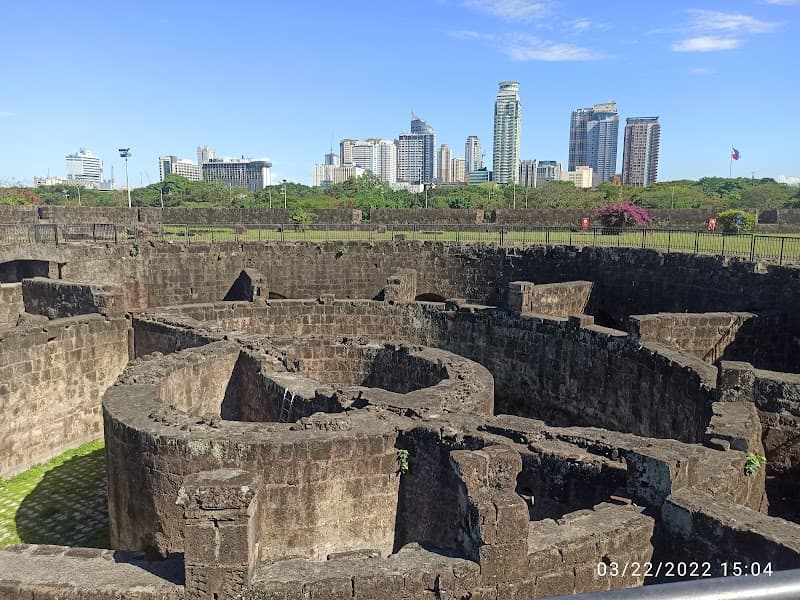
Manila Weekend for Two: Walled City, Garden Views, Slow Romance
Weekend · $$$
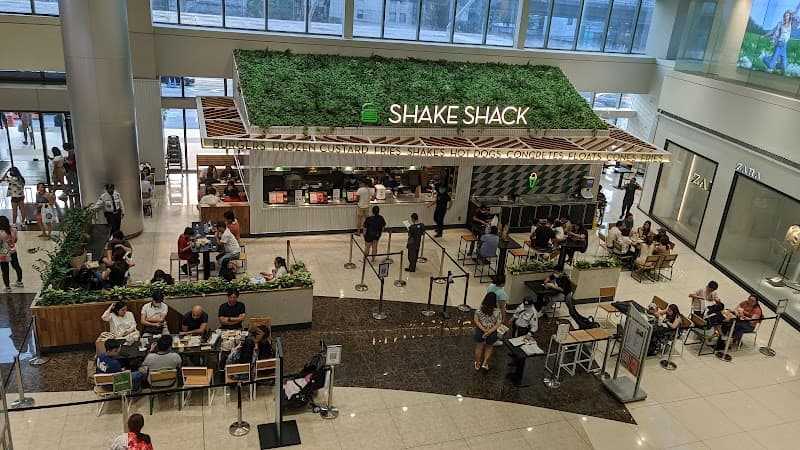
7 Days in Manila: Jungle City Fun for Families
Week · $$$
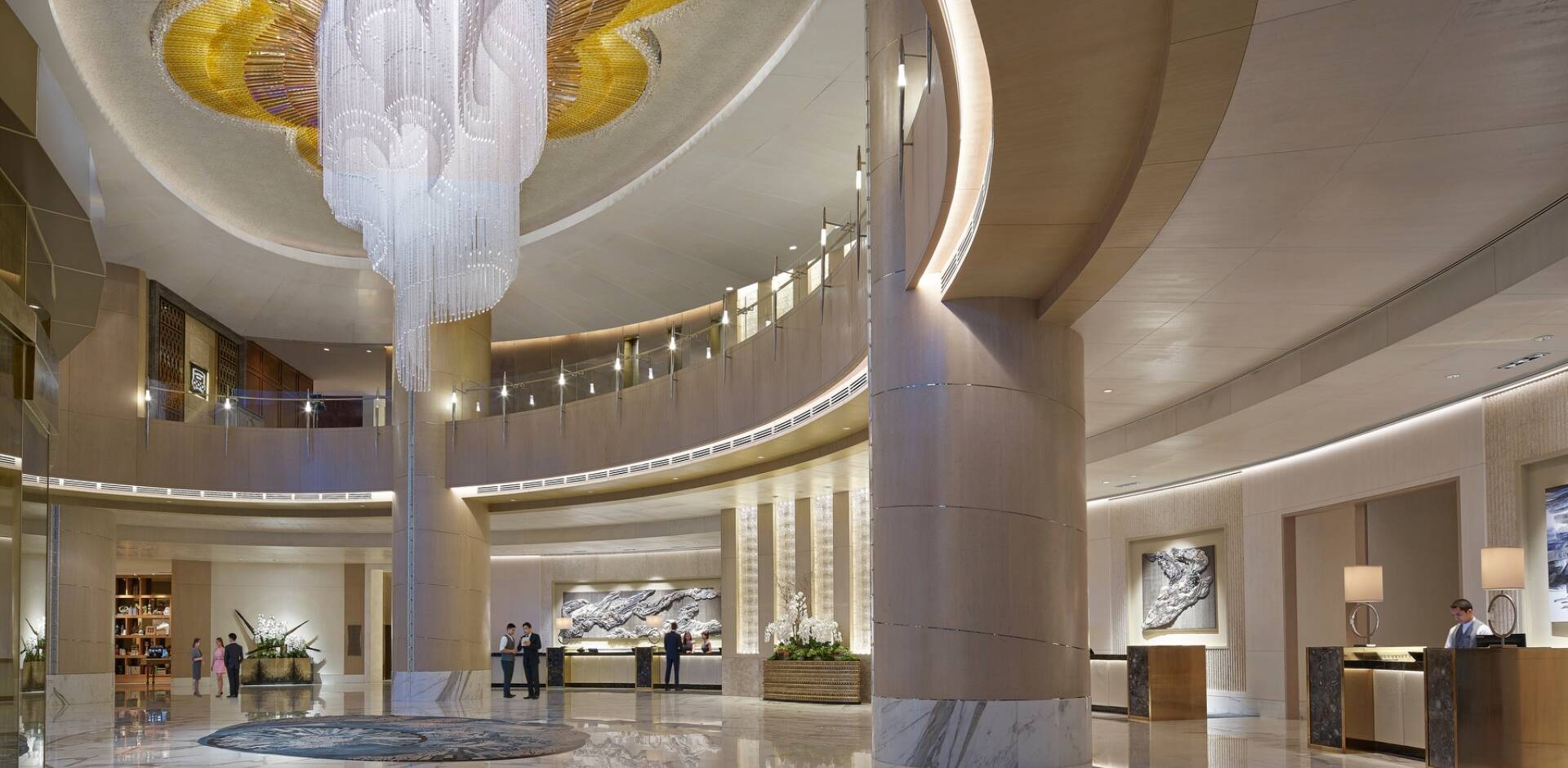
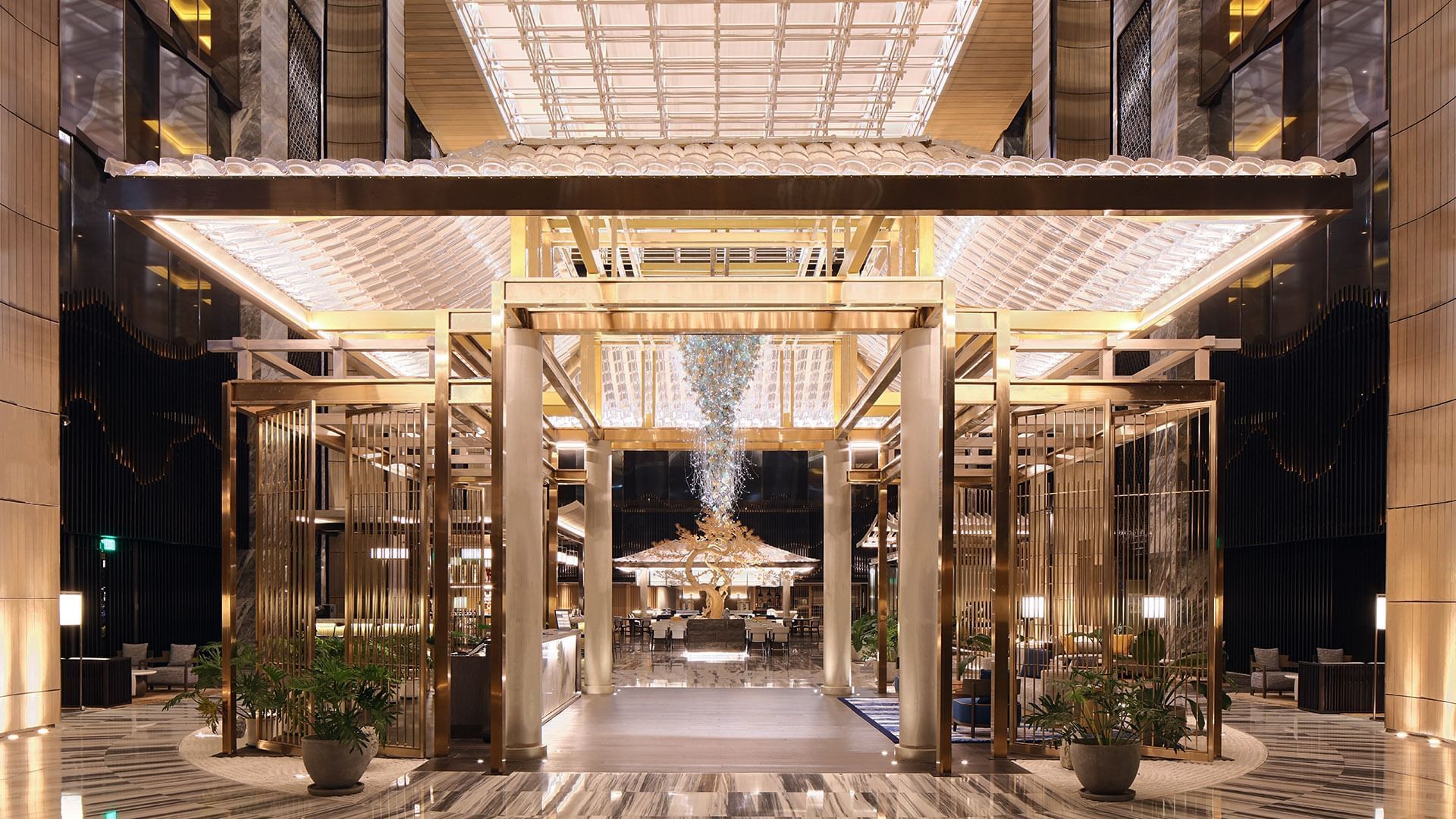
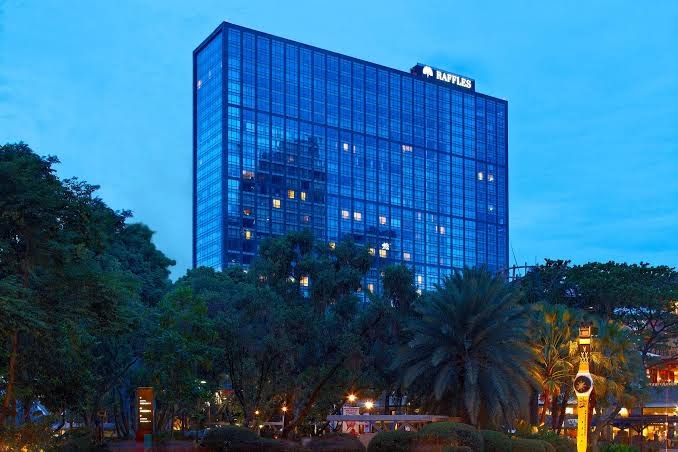
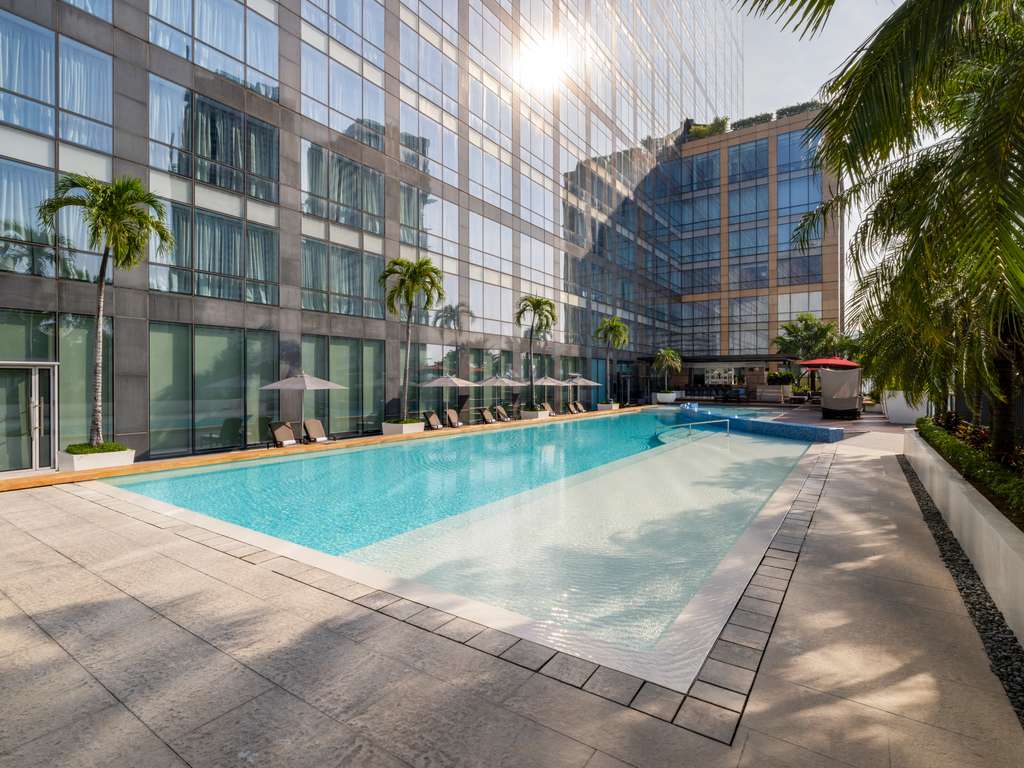
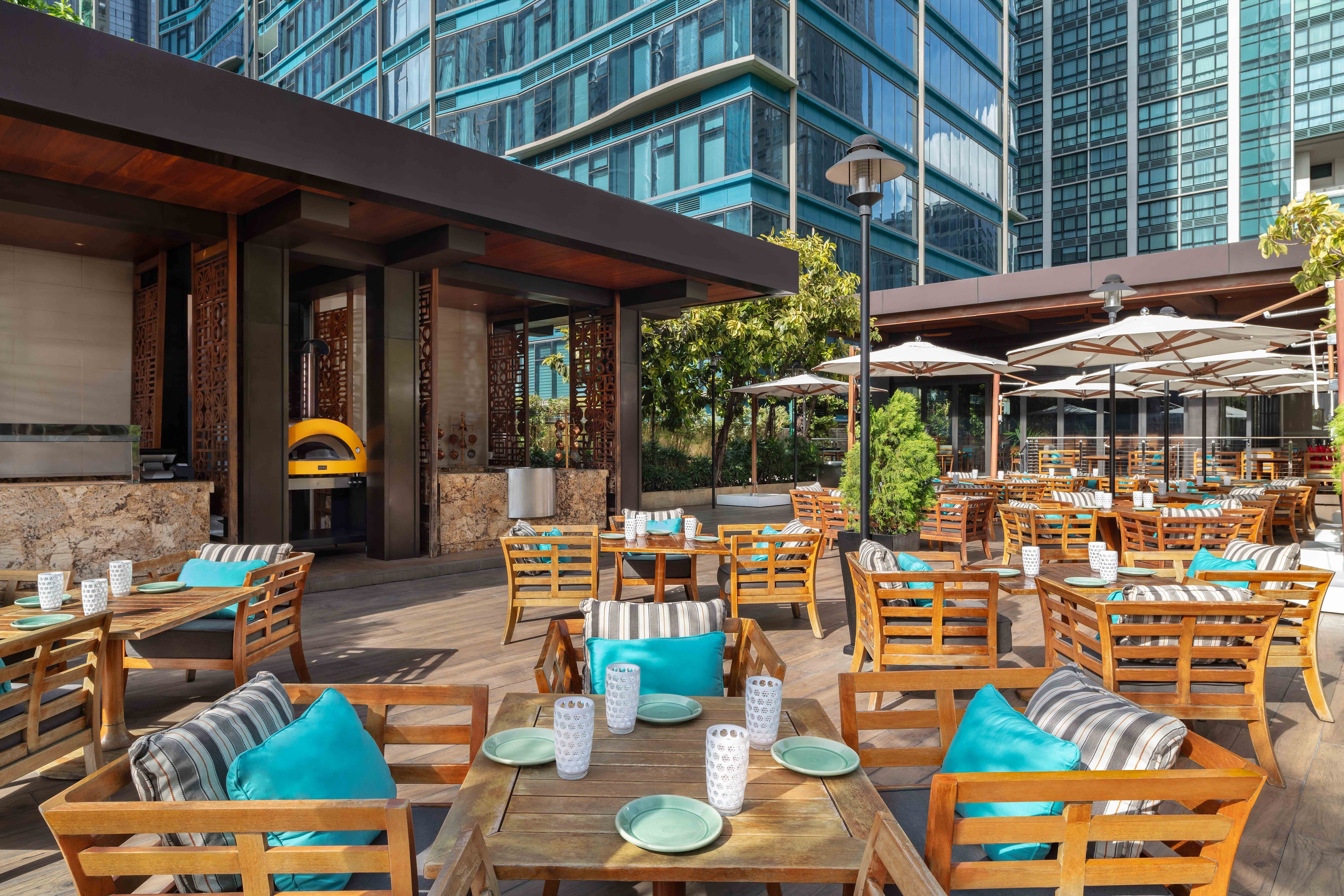
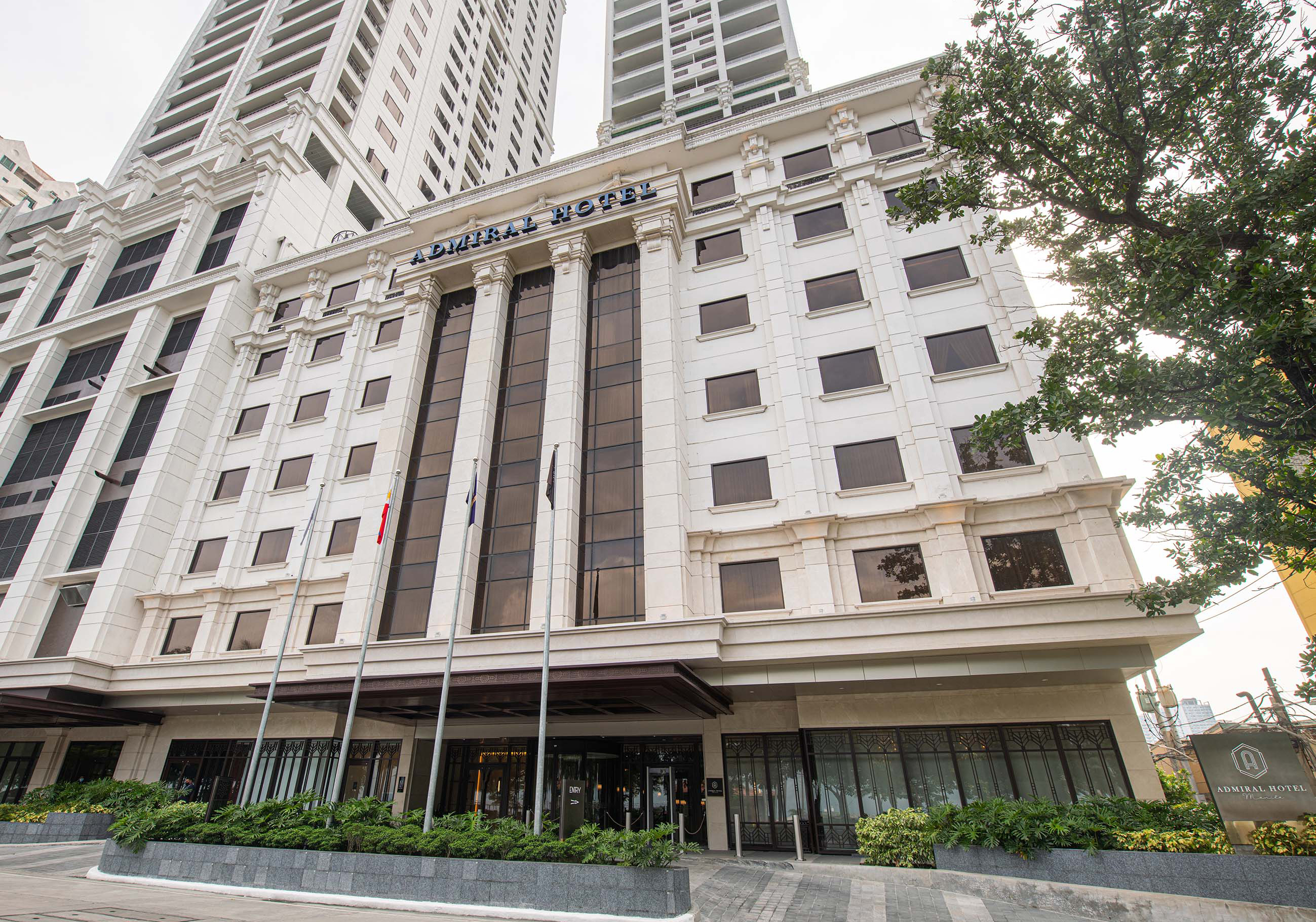
Where to Stay in Manila
7 recommended properties
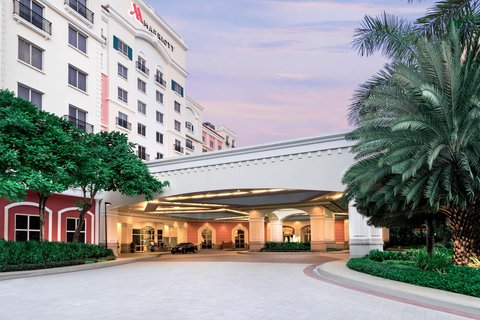
Things to Do in Manila
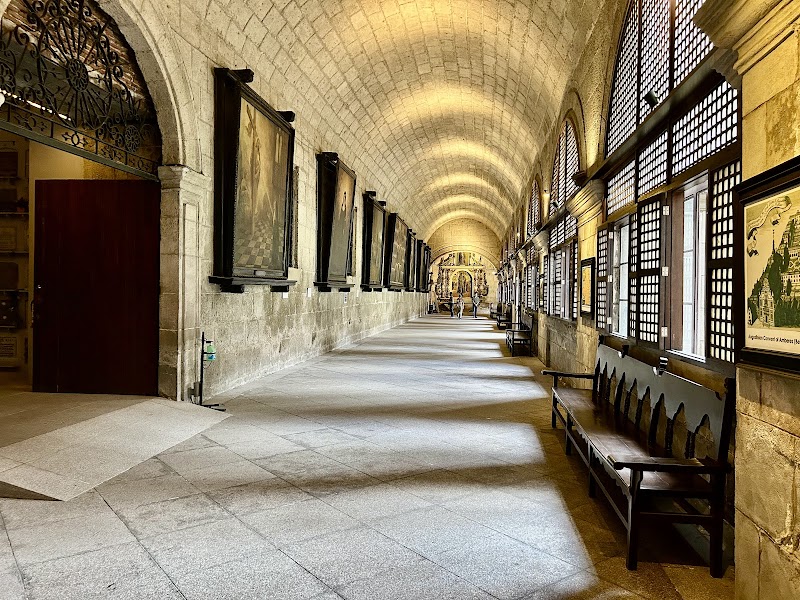
San Agustin Church and Museum
Intramuros · 90 min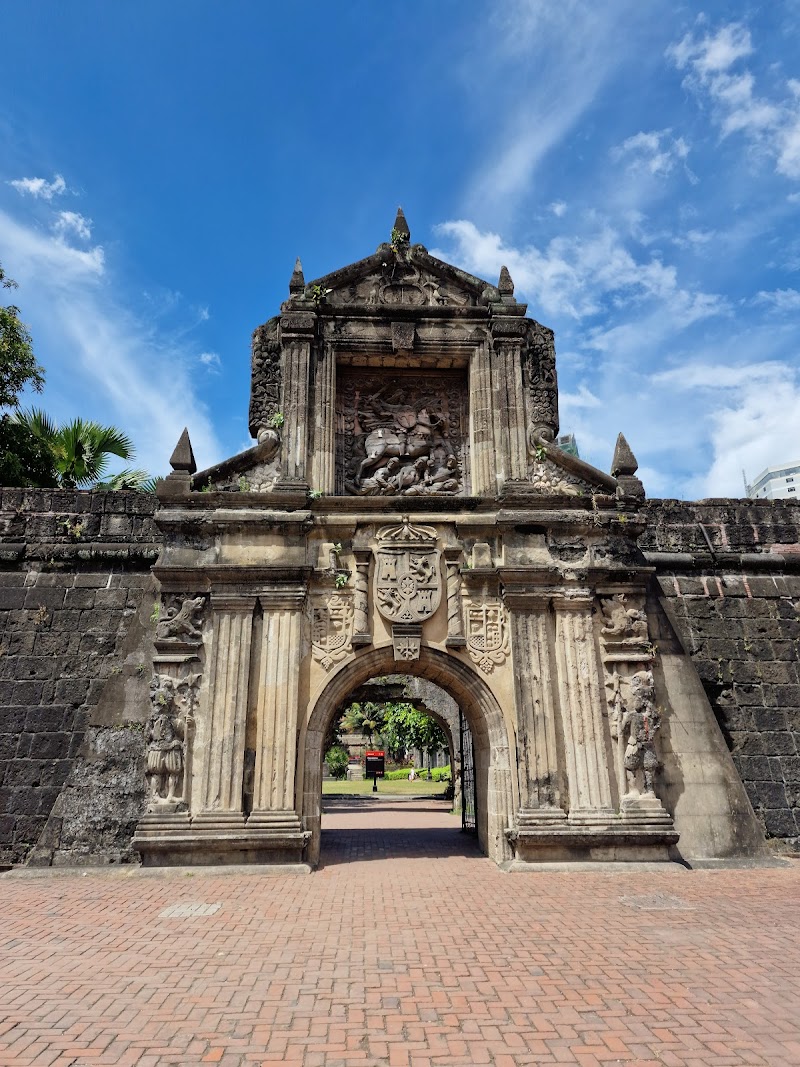
Fort Santiago
Intramuros · 90 min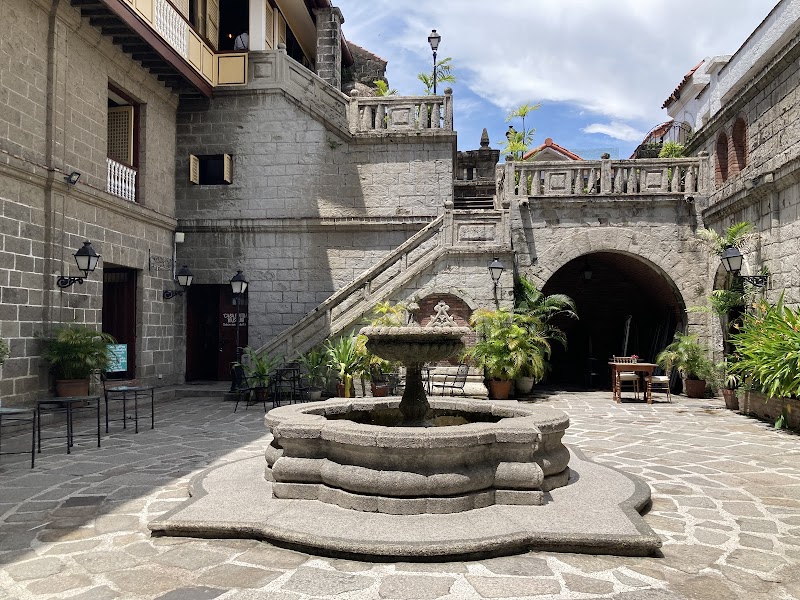
Casa Manila and Plaza San Luis
Intramuros · 60 minMoney-Saving Tips
- 1.Street food costs ₱50-100 for a full meal, while restaurant meals run ₱300-800 per person
- 2.Take the MRT/LRT trains (₱15-30) instead of Grab during rush hour to save time and money
- 3.Many museums offer free admission on Sundays for Filipino citizens and residents
- 4.Buy a Touch 'n Go card for public transport — it works on trains, buses, and some taxis
- 5.Eat at carinderias (local eateries) for authentic food at ₱100-200 per meal
- 6.Haggle at weekend markets like Salcedo or Legazpi — vendors expect it
- 7.Happy hour at hotel bars (5-7 PM) offers premium cocktails at local bar prices
Travel Tips
- •Download Grab, Waze, and Sakay.ph apps before you arrive — they're essential for getting around
- •Carry small bills (₱20, ₱50) for jeepneys, street food, and tips
- •Learn basic Tagalog greetings — locals appreciate the effort and it opens doors
- •Always carry tissue paper and hand sanitizer — public restrooms rarely stock them
- •Avoid rush hour travel (7-10 AM, 5-9 PM) unless you enjoy sitting in traffic for hours
- •Dress modestly when visiting churches — cover shoulders and knees
- •Keep copies of your passport and visa in separate locations from the originals
- •Tip 10% at restaurants if service charge isn't included, round up for good service
- •Book accommodations in advance during Christmas and New Year — the city gets packed