Palawan
Philippines' last frontier with pristine lagoons and reefs
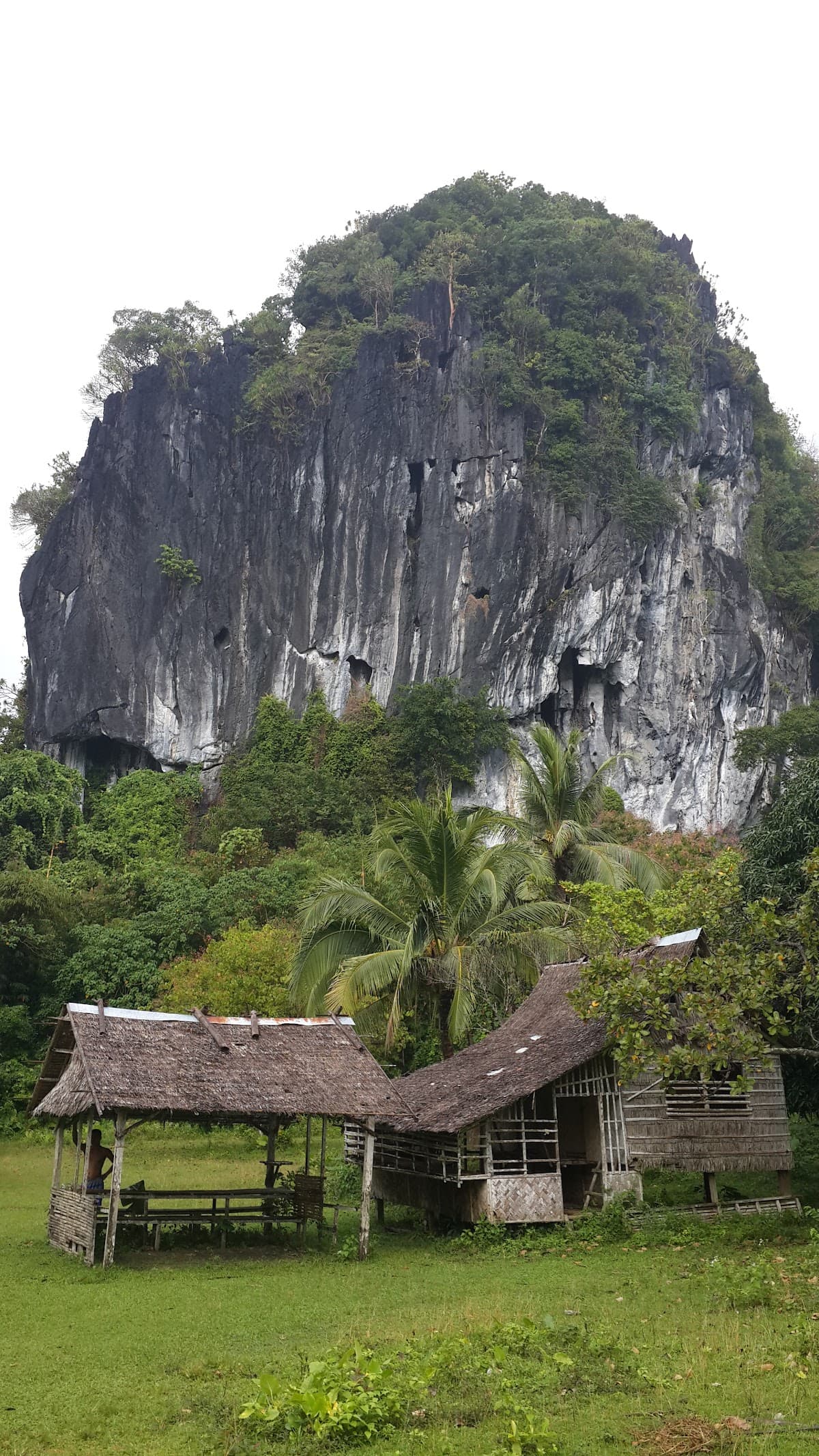
Look, Palawan isn't just another tropical destination. This 425-kilometer sliver of paradise stretches between the South China Sea and Sulu Sea, and it feels like stepping into a nature documentary. Underground rivers snake through limestone mountains. Lagoons glow electric blue between towering karst cliffs. And the reefs? They're some of the most biodiverse on the planet.
But here's what travel blogs won't tell you: Palawan tests your patience. Island-hopping tours get canceled for weather. The 5-hour van ride from Puerto Princesa to El Nido will rearrange your spine. WiFi disappears for days at remote resorts.
Still with me? Good. Because once you're floating in the Big Lagoon at sunset, watching hornbills dive between limestone towers, you'll understand why locals call this the last frontier. The Philippines saved the best for last.
Best Months
JAN · FEB · MAR · APR · MAY · DEC
~32°C · high crowds
Culture & Context
INDIGENOUS IDENTITY PRESERVED
Palawan is the largest province in the Philippines by total area and home to a genuinely distinct mix of peoples. Alongside the Filipino majority, you'll find the Tagbanwa, Batak, and Palaw'an indigenous groups — some of whose tribal rituals like the Pagdiwata and Tarek (celebrated on full moon nights) are still practiced today. Puerto Princesa is formally independent of the province administratively — it's its own chartered city — and functions as the island's financial and transit hub.
The concept of kambak-kambak (a local tongue-in-cheek phrase meaning 'come back, come back') captures why so many visitors return: the islands hold something that's hard to articulate and easy to miss on a rushed itinerary. Cuyonon is the indigenous language of Palawan, spoken particularly among older locals and fishing communities. You'll hear it in the markets alongside Filipino (Tagalog) and English.
English is widely spoken across all tourist areas — the Philippines has one of the highest English proficiency rates in Asia — so language is rarely a barrier. But the effort to use even basic local phrases lands very differently than staying in English the whole time. Environmentalism runs deep in Palawan's identity.
Puerto Princesa has been called 'The City in the Forest' and has been recognized as one of the cleanest cities in the Philippines. The provincial government takes environmental conservation seriously — more than most places in Southeast Asia — and it shows in how festivals, schools, and local policy are structured.
Local Customs
RESPECT THROUGH INDIRECTNESS
Hospitality here is genuine and persistent. If someone offers you food, try at least a small amount. Refusing outright reads as rude.
This applies especially if it was prepared specifically for you.. Use po and opo with anyone older or in a service role. Po at the end of a sentence softens requests and signals respect.
Opo means yes, respectfully. These words have no English equivalent but carry a lot of social weight.. Filipinos rarely say a flat no directly.
'Maybe' (siguro), 'if you say so' (kung sinabi mo ba), or a vague yes can all mean no or I'm not sure. Don't take a casual yes as a firm commitment.. Don't raise your voice when something goes wrong.
Whether it's a wrong order, a billing issue, or a slow driver — sorting it out quietly and patiently gets better results than frustration. Hiya (a sense of shame) and amor-propio (self-regard) govern a lot of social interactions.. Tipping is appreciated but not standard or expected.
Around 10% in nicer restaurants if a service charge isn't already included. Round up tricycle and jeepney fares if you like. Hotel porters appreciate 20–50 pesos per bag..
Don't walk around in swimwear off the beach, particularly in town centers and especially in Southern Palawan, which is more conservative. Cover up when entering churches or attending any local religious event.. If you encounter the mano gesture (a younger person taking your hand and pressing it to their forehead), it's a sign of respect toward elders.
Don't be alarmed — it's a blessing ritual, not a social faux pas.. Karaoke is a serious institution here, not just a bar activity. Being invited to join a session is a genuine act of inclusion.
You don't have to sing well. You just have to sing.. Personal questions from strangers are normal and not considered rude.
Filipinos will ask where you're from, why you're here, your age, your relationship status. It's friendly curiosity, not prying.. Power outages are common in El Nido specifically.
Book accommodation with a backup generator if air conditioning matters to you at night.
Safety
NORTH SAFE, SOUTH RISKY
Northern Palawan (El Nido, Puerto Princesa, Coron, Port Barton) is consistently rated one of the safer places in the Philippines for tourists. Tourist hotspots have visible police presence and local tourism officers. That said, standard precautions apply everywhere: avoid isolated areas after dark, use Grab instead of flagging random taxis in Puerto Princesa, and keep valuables out of sight on busy streets.
Southern Palawan and the Balabac Islands in the Sulu Sea are a different story. Multiple governments, including the US, have issued advisories citing crime, terrorism, civil unrest, and kidnapping risk in this region. It is still possible to visit Balabac (and many people do, reporting positive experiences), but go with a reputable organized tour group rather than independently.
The US advisory puts overall Philippines risk at 3.1 out of 5. Water sports scam to know: before renting a jetski, photograph every scratch and mark on the hull.
Operators sometimes use tape to cover pre-existing damage and then bill you for it on return. Only rent through your hotel or a well-reviewed operator. Speed boat safety standards on island-hopping tours vary — check that there are enough life jackets onboard before departing.
Don't drink tap water anywhere in Palawan. Bottled water is cheap and available everywhere. Water refill stations throughout the island charge just a few pesos per liter if you want to cut down on plastic.
Night driving on a scooter or motorbike is not recommended — roads are poorly lit and traffic laws are loosely observed.
Getting Around
VAN, FERRY, TRICYCLE
Getting to Palawan: Puerto Princesa Airport (PPS) is the main hub, with daily flights from Manila, Cebu, and other Philippine cities. Important 2026 update: as of March 29, 2026, direct flights to El Nido's Lio Airport (ENI) now depart from Clark International Airport (CRK) in Pampanga, not Manila's NAIA. AirSwift is the only carrier on the El Nido direct route (up to four daily flights).
Coron's Busuanga Airport (USU) has daily connections from Manila and Cebu. Getting around: The van from Puerto Princesa to El Nido takes 5–6 hours on a winding mountain road and costs about $13/₱806 shared. Private transfers cost five times more.
Drivers treat the road like a race track, so take motion sickness pills if you're sensitive. For El Nido to Coron, a fast ferry takes 3.5 hours (around ₱1,800/$36).
Flying Puerto Princesa to Coron takes 1 hour 10 minutes on AirSwift (₱2,500–10,000 depending on season). Within towns, tricycles are the standard for short hops. In Puerto Princesa, jeepneys also run Rizal Avenue and surrounding streets for a few pesos.
Grab (the regional Uber equivalent) works in Puerto Princesa. For Sabang (Underground River), vans leave from San Jose Terminal — take a tricycle from the airport to the terminal (~10 minutes), then a 2-hour van ride costing ₱200/$4. Download offline Google Maps before heading anywhere outside the main towns.
Signal disappears fast once you leave the tourist corridors.
Useful Phrases
Money-Saving Tips
- 1.Book El Nido accommodation 2-3 months ahead during peak season (Dec-Jan) - prices triple last minute
- 2.Split private island-hopping tours between 4-6 people instead of joining group tours - better experience for similar cost
- 3.Eat at local carinderias (street food stalls) for ₱150-200 meals vs ₱500+ at tourist restaurants
- 4.Buy tour packages directly from operators at the pier, not through hotels - saves 20-30% markup
- 5.Bring cash - ATMs charge high fees and many remote areas don't accept cards
- 6.Pack reef-safe sunscreen from home - local options cost 3x more and damage coral
- 7.Book AirSwift flights to El Nido early - prices jump from ₱4,000 to ₱12,000 closer to travel dates
Travel Tips
- •Download offline maps before leaving Puerto Princesa - cell service disappears between towns
- •Pack dramamine for bangka boat rides - these traditional outriggers bounce hard in choppy water
- •Bring a dry bag for island-hopping - everything gets wet during beach landings
- •Book tours the night before, not weeks ahead - weather cancellations happen frequently
- •Pack reef-safe sunscreen - regular sunscreen damages Palawan's coral reefs
- •Bring a headlamp - power outages happen regularly, especially in remote areas
- •Download entertainment before arriving - WiFi ranges from slow to nonexistent outside El Nido town
- •Pack quick-dry clothes - humidity stays high and laundry takes forever to dry
- •Bring hand sanitizer and basic first aid - medical facilities are limited outside major towns
- •Learn basic Tagalog phrases - English isn't widely spoken outside tourist areas