Ayutthaya
Ancient Siamese Capital of Magnificent Temple Ruins
About 80 kilometers north of Bangkok sits Ayutthaya, the former capital of the Siamese Kingdom that ruled for over 400 years. What remains today is a sprawling archaeological park filled with headless Buddha statues, crumbling prangs, and temple ruins that tell stories of a once-mighty empire. The Burmese destroyed most of the city in 1767, but what survived creates one of Thailand's most atmospheric historical sites. You can bike between temples, watch the sunset from Wat Chaiwatthanaram, and explore this UNESCO World Heritage site without fighting crowds like you would at Angkor Wat. Most visitors come as a day trip from Bangkok, but staying overnight lets you have the ruins almost to yourself at dawn.
Best Months
JAN · FEB · MAR · NOV · DEC
~33°C · moderate crowds
Culture & Context
RUINS WITH LIVING PULSE
Ayutthaya was the capital of the Siamese Kingdom from 1350 until Burmese forces torched it in 1767. At its peak, the city had over a million people and was one of the largest trading hubs on the planet. What you're walking through now is the aftermath — systematically beheaded Buddha statues, burned-out prangs, crumbling chedis.
The destruction is visible and intentional, and it gives the place a weight you don't feel at other heritage sites. This isn't a tidy museum. Monks still use many of these temples.
Local families come to make merit. The ruins exist alongside a regular working city, so expect to hear motorbikes and smell grilled pork while you're contemplating 700-year-old stonework. That mix is exactly what makes Ayutthaya different from more sanitized UNESCO sites.
Buddhism shapes daily life here in ways that are practical, not performative. Orange-robed monks collect alms at dawn. Spirit houses sit outside every business.
Respect for the royal family is both genuine and legally enforced — this is not the place for offhand political comments.
Local Customs
SHOES OFF ALWAYS
Shoes off before entering any temple building — no exceptions, no negotiating. Wear something that slips on and off easily.. Cover shoulders and knees at all religious sites, even outdoor ruins.
Many sites loan sarongs for 30–50 THB. Nearby stalls sell basic cover-ups for 100–250 THB if you arrive underdressed.. At Wat Mahathat, keep your head lower than the famous Buddha head in the tree roots and don't turn your back to it.
This one surprises people.. Don't touch or climb any ruins. The stonework is genuinely ancient and genuinely fragile — it's not a theme park..
The Thai greeting is the 'wai' — palms pressed together with a slight bow. You won't offend anyone by not initiating it, but returning one is always appreciated.. Never touch anyone's head, even playfully.
Never point your feet at a person, a Buddha image, or the King's portrait. When sitting on temple floors, tuck your feet away from statues.. Carry small bills.
Cash only at most food stalls, temple kiosks, and festival vendors. ATMs charge 220 THB per withdrawal so pull larger amounts at once.. At 8 AM and 6 PM, the national anthem plays from public loudspeakers and Thais stop and stand still.
If you're in a market or park, follow their lead.. Bargaining is fine at markets and stalls but keep it friendly. Fixed-price shops and restaurants don't negotiate.
Aggressive haggling is considered embarrassing for everyone.. Ask before photographing people, especially monks, vendors at work, and locals in traditional settings.
Safety
SAFE, WATCH THE DETAILS
Ayutthaya is genuinely one of the safer places you can visit in Thailand. Violent crime against tourists is rare. The realistic risks are more mundane: heat exhaustion, uneven temple paths, tourist overcharging, and the chaos of Thai road traffic.
Start temple days before 10 AM — temperatures regularly exceed 35°C from April through October and the brick walkways have no shade. Bring water, wear sunscreen, choose shoes with grip (wet stone is slippery). Transport is where things get dicey.
Always agree on tuk-tuk prices before you get in. A reasonable temple circuit shouldn't run more than 200–400 THB total. Tuk-tuk drivers who offer suspiciously cheap tours often make their money at gem shops or silk showrooms you didn't ask to visit.
Don't hand your passport to anyone offering "visa runs." Keep your phone and wallet secure in crowded markets and festival areas — a crossbody bag beats a loose backpack. Petty theft is low but not zero.
On the border situation: Ayutthaya is completely unaffected by the Thailand-Cambodia border conflict. Major tourist destinations including Ayutthaya continue to welcome visitors as normal, confirmed by the Tourism Authority of Thailand. The U.
S. State Department has raised Thailand overall to Level 2 (exercise increased caution), specifically due to the border regions and the deep south — neither of which is anywhere near Ayutthaya. The Tourist Police hotline is 1155 (English-speaking).
General emergency is 191. Complete the Thailand Digital Arrival Card (TDAC) online within 72 hours before arrival — this replaced the old paper TM6 form and missing it causes delays at immigration.
Getting Around
BICYCLES & CHEAP TRAINS
Getting to Ayutthaya from Bangkok is easy and cheap. Trains depart hourly from Krung Thep Aphiwat Central Terminal (formerly Bang Sue Grand Station) and take 1–1.5 hours.
Third class costs around 20 THB; second class is 125 THB. Minivans from Mo Chit Bus Terminal run every 30 minutes for 60 THB and take 1.5–2 hours, but road traffic makes arrival times unpredictable.
Private taxis run 1,200–3,000 THB for the door-to-door convenience. Once in Ayutthaya, the bicycle is king. Rentals cost 40–60 THB per day from guesthouses along Naresuan Road.
The main temple cluster fits within 3–4 square kilometers and is genuinely cyclable in 4–6 hours if you start early. Songthaew shared taxis connect the island to sites outside the main zone for a few dozen baht. Tuk-tuks exist but are the expensive option — 200–400 THB per temple run adds up fast compared to just pedaling.
For sites across the river (Wat Chaiwatthanaram, Wat Phutthaisawan), take a short ferry for 5–10 THB or hire a longtail boat for a scenic cruise instead. Don't rent scooters unless you're comfortable with Thai road behavior — and wear a helmet regardless.
Useful Phrases
Ayutthaya Itineraries
View all
Seven Lush Days Among Ayutthaya’s Jungle Temples
Week · $$$
Jungle Ruins Escape in Ancient Ayutthaya
Weekend · $$$
Ruins, Rivers & Rainforest Vibes in Romantic Ayutthaya
Week · $$$
Riverside Ruins & Romantic Jungle Nights in Ayutthaya
Weekend · $$$
Romantic Jungle Ruins Escape in Ayutthaya
Day Trip · $$$
Jungle Ruins & River Days in Ayutthaya
Week · $$$
Where to Stay in Ayutthaya
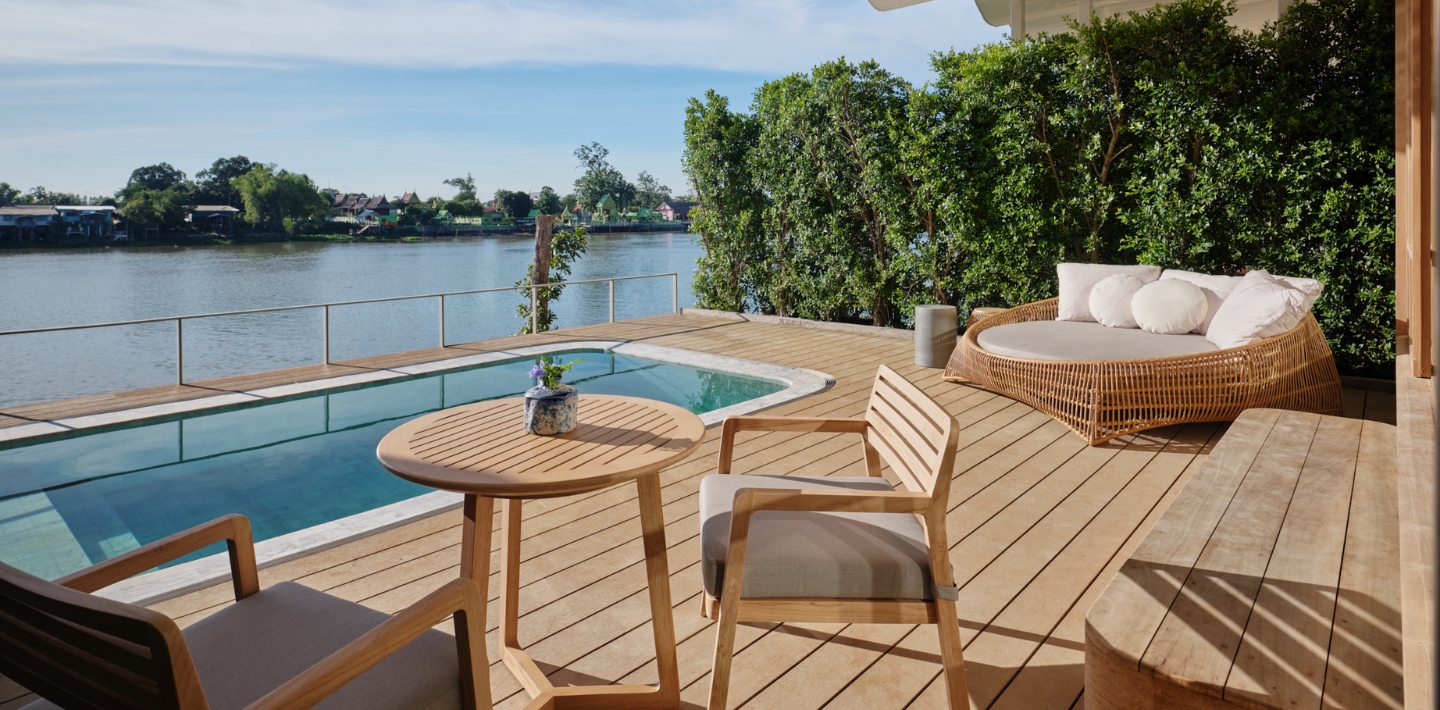
2 recommended properties
Things to Do in Ayutthaya
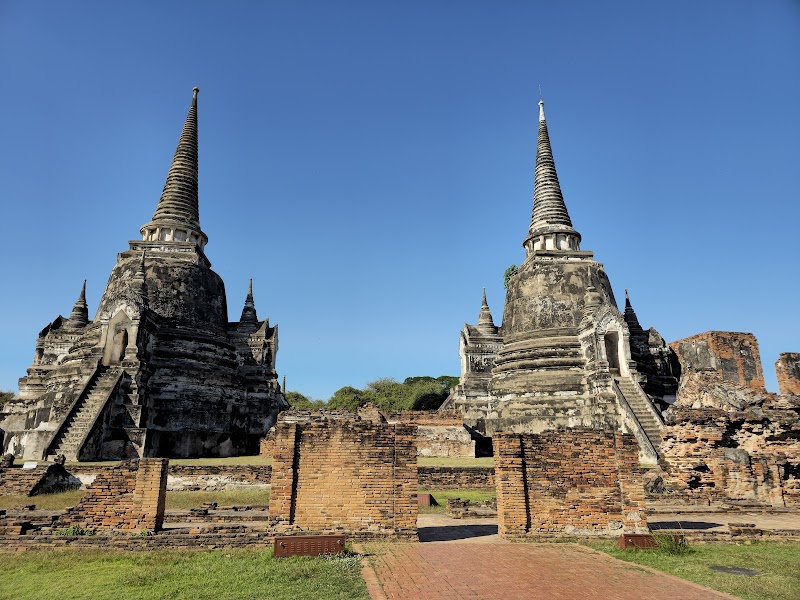
Wat Phra Si Sanphet & Wihan Phra Mongkhon Bophit
Ayutthaya Old City Southwest · 120 min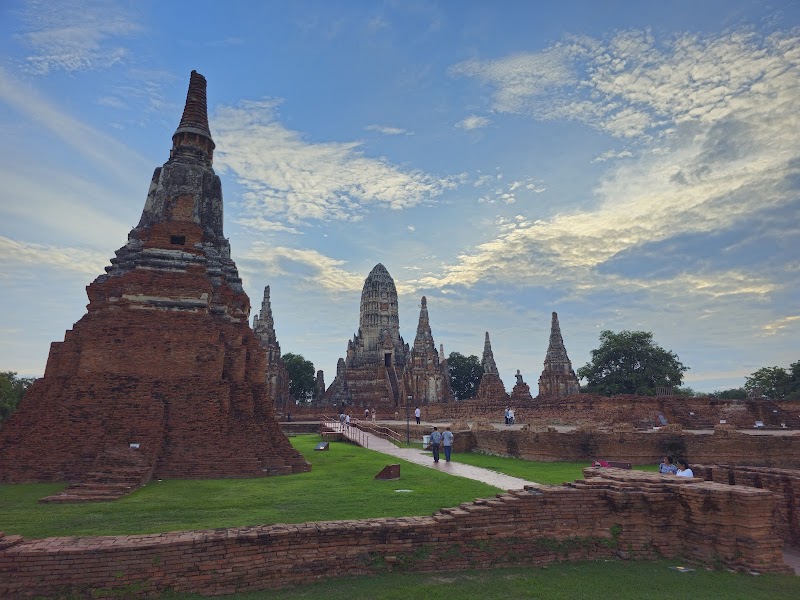
Late Afternoon at Wat Chaiwatthanaram
West Bank Riverside · 120 min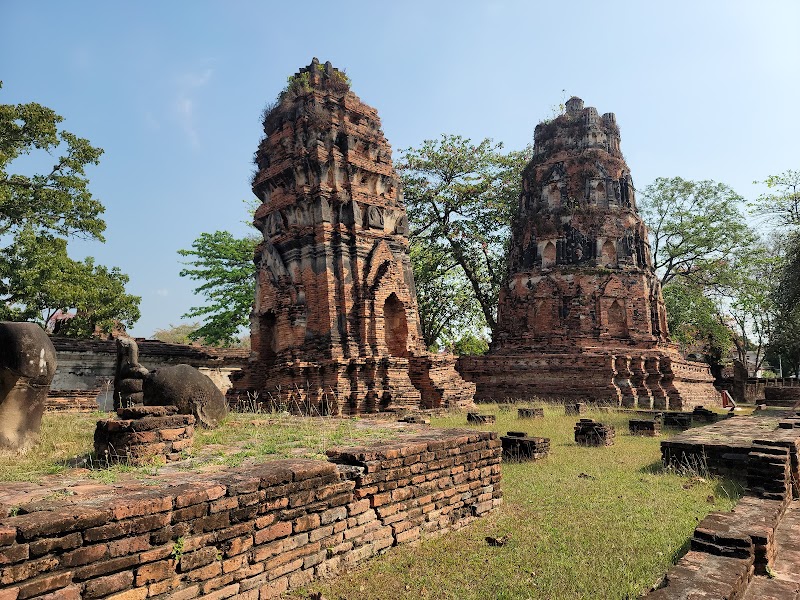
Wat Mahathat
Ayutthaya Old City (Island – Wat Mahathat area) · 90 minMoney-Saving Tips
- 1.Temple entrance fees cost 50 baht each, but you can buy a combined ticket for 220 baht covering 6 main sites
- 2.Rent bicycles from guesthouses for 50-100 baht instead of paying 300+ baht for tuk-tuk tours
- 3.Third-class train from Bangkok costs only 15 baht vs 200+ baht for buses or minivans
- 4.Pack lunch and water - temple area food vendors charge tourist prices
- 5.Stay overnight to avoid expensive day-trip tour packages from Bangkok
- 6.Night market street food costs 30-50 baht per dish vs 150+ baht at tourist restaurants
Travel Tips
- •Start temple visits at 6 AM when it's cooler and you'll have better photos without crowds
- •Bring mosquito repellent - the ruins near water have lots of bugs, especially at sunset
- •Wear covered shoulders and long pants for temple visits - sarongs available for rent at entrances
- •Download offline maps - mobile signal can be weak between temple sites
- •Carry cash - most vendors and bicycle rentals don't accept cards
- •Book accommodation in advance during December-January peak season
- •Don't climb on the Buddha statues or ruins - it's disrespectful and you can be fined