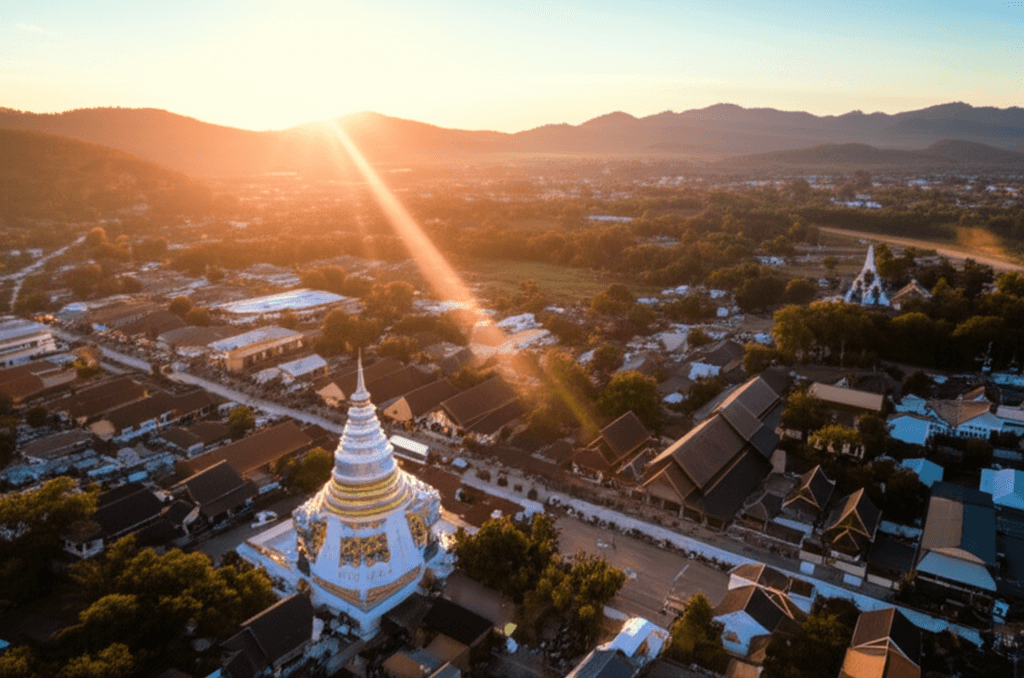
Chiang Mai
Ancient temples meet modern creativity in northern Thailand
Chiang Mai hits different than Bangkok. Here, you're trading skyscrapers for temple spires, and the pace drops to something actually human. The Old City wraps ancient Lanna temples in a perfect square moat, while the surrounding neighborhoods pulse with coffee shops, art galleries, and some of Thailand's best street food. It's where digital nomads set up camp for months, families find their rhythm, and solo travelers discover that yes, you can eat your weight in khao soi without judgment.
Best Months
JAN · FEB · MAR · NOV · DEC
~31°C · peak crowds
Culture & Context
LANNA KINGDOM LIVES
Chiang Mai is the heart of the old Lanna Kingdom, and that identity runs deep. The city had its own kings, its own script (you'll see it on temple signs), and its own dialect called Kam Mueang. This is not Bangkok.
People here are softer-spoken, slower to anger, and genuinely warm toward visitors who show a bit of respect. Temples are active religious spaces, not photo sets. Cover your shoulders and knees before entering any wat.
Remove shoes before going inside. Women cannot touch or hand things directly to monks. The wai (palms pressed together, slight bow) is the standard greeting.
Use it and you'll get genuine smiles in return. Don't touch people on the head, not even kids. And be aware: any criticism of the Thai royal family is a criminal offense with real prison time attached.
Keep opinions about politics to yourself.
Local Customs
THE WAI MATTERS
The wai is how people greet each other: press your palms together at chest level and give a slight bow. Use it when greeting guesthouse staff, vendors, or anyone older than you. You'll get a wai back almost every time..
Remove shoes before entering any temple building, any guesthouse that has a no-shoes policy (look for the shoe rack at the door), and many local homes. This is non-negotiable.. Dress modestly at temples.
Shoulders and knees covered. A lightweight scarf or sarong costs 100 THB from any market and solves the problem instantly if you forgot.. Women cannot touch monks or hand them objects directly.
If you want to give something to a monk, place it on a table or hand it to a male companion who can pass it along.. The head is sacred, the feet are low. Never point your feet at a Buddha image, a monk, or an older person when sitting.
Don't touch anyone on the head.. Bargaining is expected at markets and for tuk-tuk rides. Never bargain for food at street stalls, and never bargain in 7-Elevens or proper shops with price tags.
Start around 60-70% of the asking price and meet somewhere in the middle.. Never raise your voice or show visible anger in public. Losing your temper, even when justified, makes you look bad here and will get you nowhere fast..
Chiang Mai locals speak Kam Mueang (Northern dialect), which sounds melodically different from Bangkok Thai. They understand standard Thai fine, so your phrasebook works. But using even one Kam Mueang word will genuinely delight people.
Safety
SAFE, WATCH TRAFFIC
Chiang Mai is genuinely one of Southeast Asia's safer cities. The Crime Index sits at 21.83 with a Safety Index of 78.17 — safer than Bangkok, Phuket, or Pattaya by a significant margin. Violent crime against tourists is rare. But some things are worth knowing before you go.
The biggest real danger is motorbikes. Thailand has one of the world's highest traffic fatality rates, and the mountain roads around Chiang Mai are no joke. If you haven't ridden a scooter before, this is not the place to learn. Use Grab, songthaews, or tuk-tuks instead.
Petty crime exists in the Night Bazaar and Old City areas — pickpocketing in crowds, bag snatching on the moat road. Keep valuables in a front pocket and don't flash expensive cameras or phones.
Two scams to know about: the gem scam (a stranger tells you about a once-in-a-lifetime jewelry deal — walk away) and the tuk-tuk scam (a driver says your temple is closed and offers an alternative "tour" that ends at gift shops). If a tuk-tuk driver is being suspiciously helpful, he's getting a commission somewhere.
The air quality situation is the underreported issue. From February to April, agricultural burning in the surrounding mountains turns Chiang Mai into one of the most polluted cities on earth. AQI regularly hits hazardous levels. Anyone with asthma, allergies, or respiratory issues should avoid these months entirely. Many long-term expats leave during this period. Check aqicn.org before and during your visit.
Tourist Police: 1155. Local Police: 191. US Consulate General Chiang Mai: +66 (53) 237-300.
Getting Around
SONGTHAEWS & GRAB
Chiang Mai has no metro or BTS. Getting around takes a bit of planning but isn't difficult once you know the options.
Red songthaews are the backbone of local transport — shared pickup trucks with bench seats in the back. Hail one on any main road, tell the driver where you're going, and if it's on his route you pay 30-50 THB. They function like informal bus routes. Tourists often use them like taxis (quoted price, not shared), which costs 100-200 THB per trip. Know the difference.
Grab is reliable and the app shows you the price before you confirm. Expect 60-150 THB for most in-city trips. Always use Grab instead of negotiating with a random tuk-tuk unless you enjoy the haggling.
Tuk-tuks are iconic and genuinely fun for short distances in the Old City, but agree on a price before you get in. 60-100 THB for a short hop is reasonable; anything over 200 THB for a local trip is too much.
Renting a motorbike (150-250 THB/day) gives you total freedom, especially for reaching Doi Suthep or surrounding areas. Your international driving license technically covers you, but be honest with yourself about your skill level on mountain roads.
To reach Doi Suthep from the city: shared songthaew from Chang Phueak Gate, 50 THB each way. To reach the airport from the Old City or Nimman: 10-15 minutes by Grab, around 100-150 THB. The RTC Smart Bus runs from the airport into town for 51 THB if you want something cheaper and air-conditioned.
Useful Phrases
Explore Destinations

Explore the Region
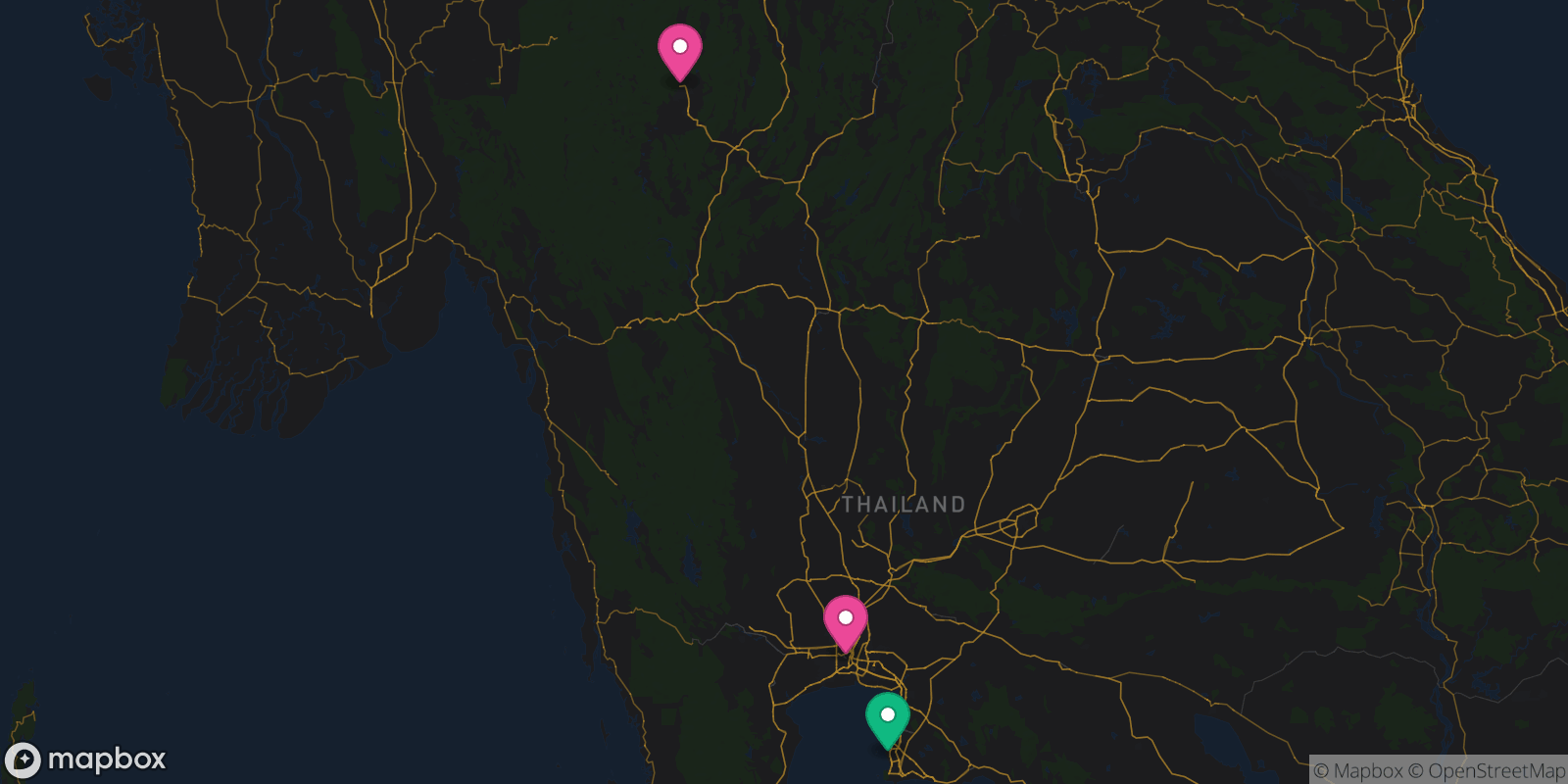
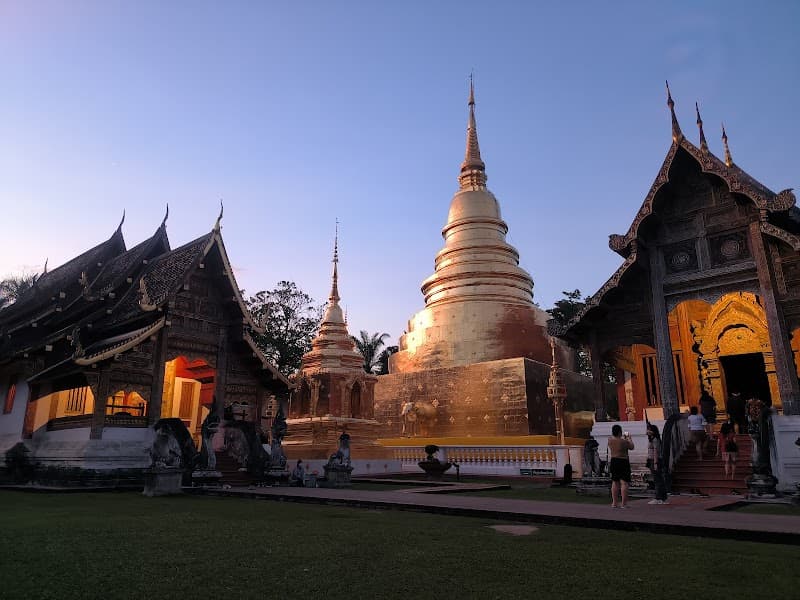
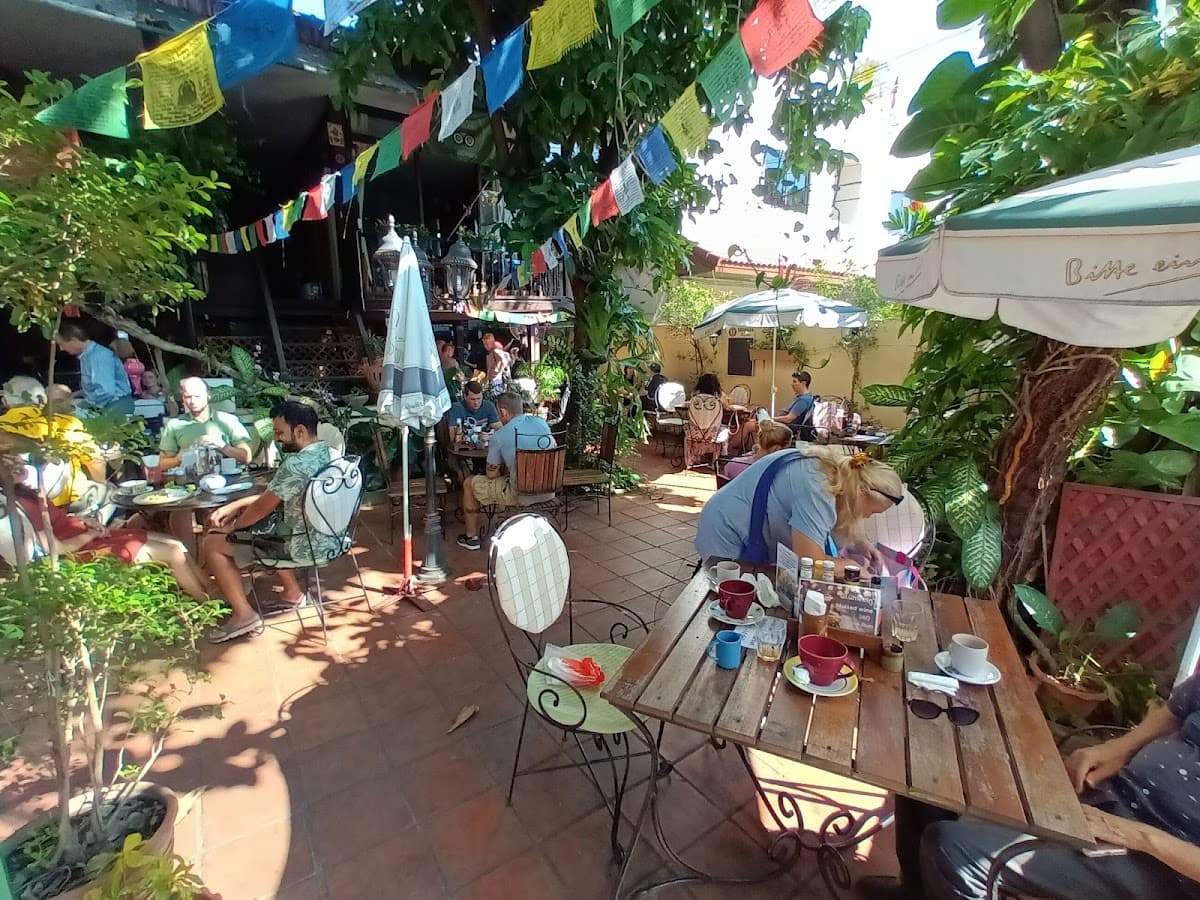
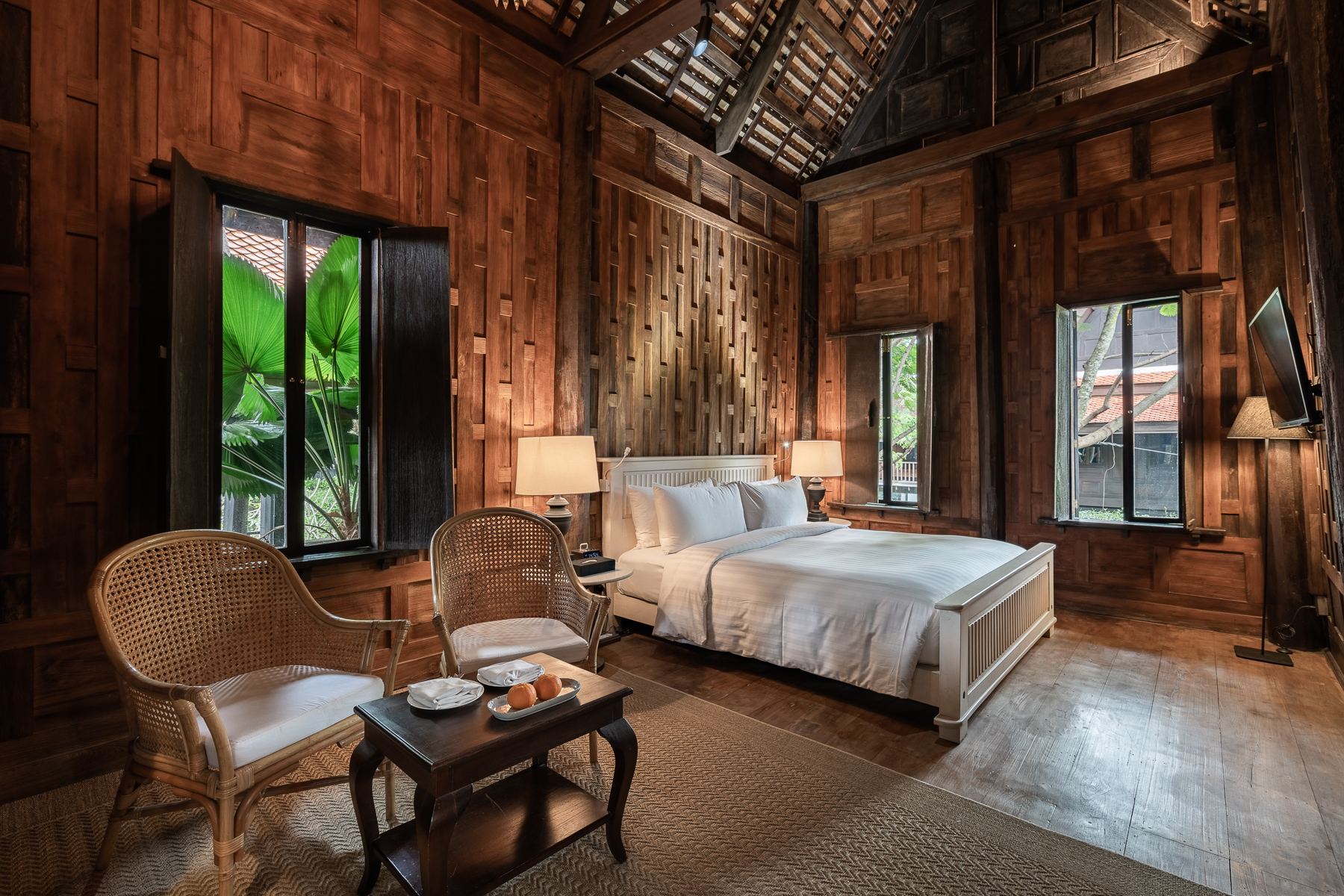
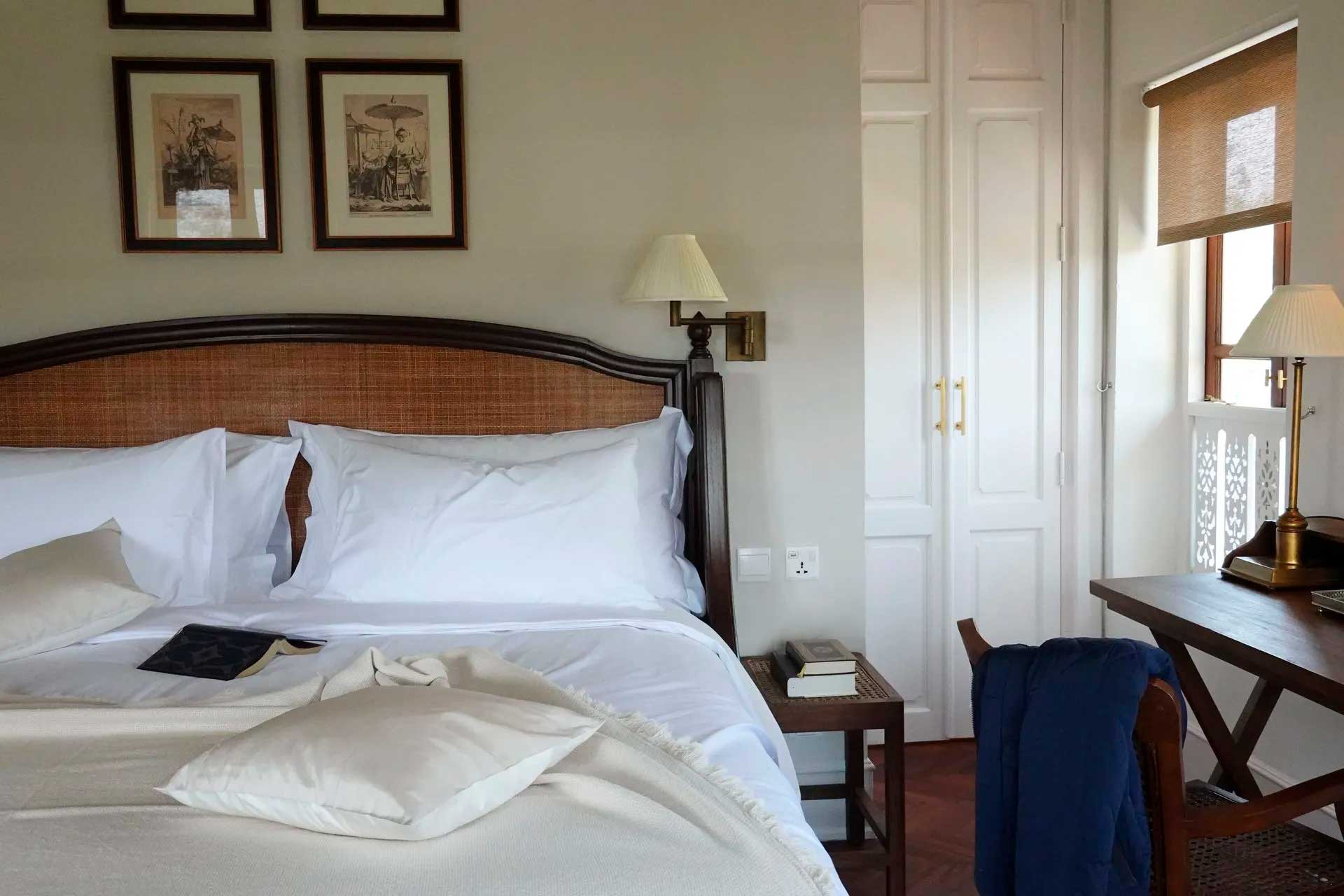
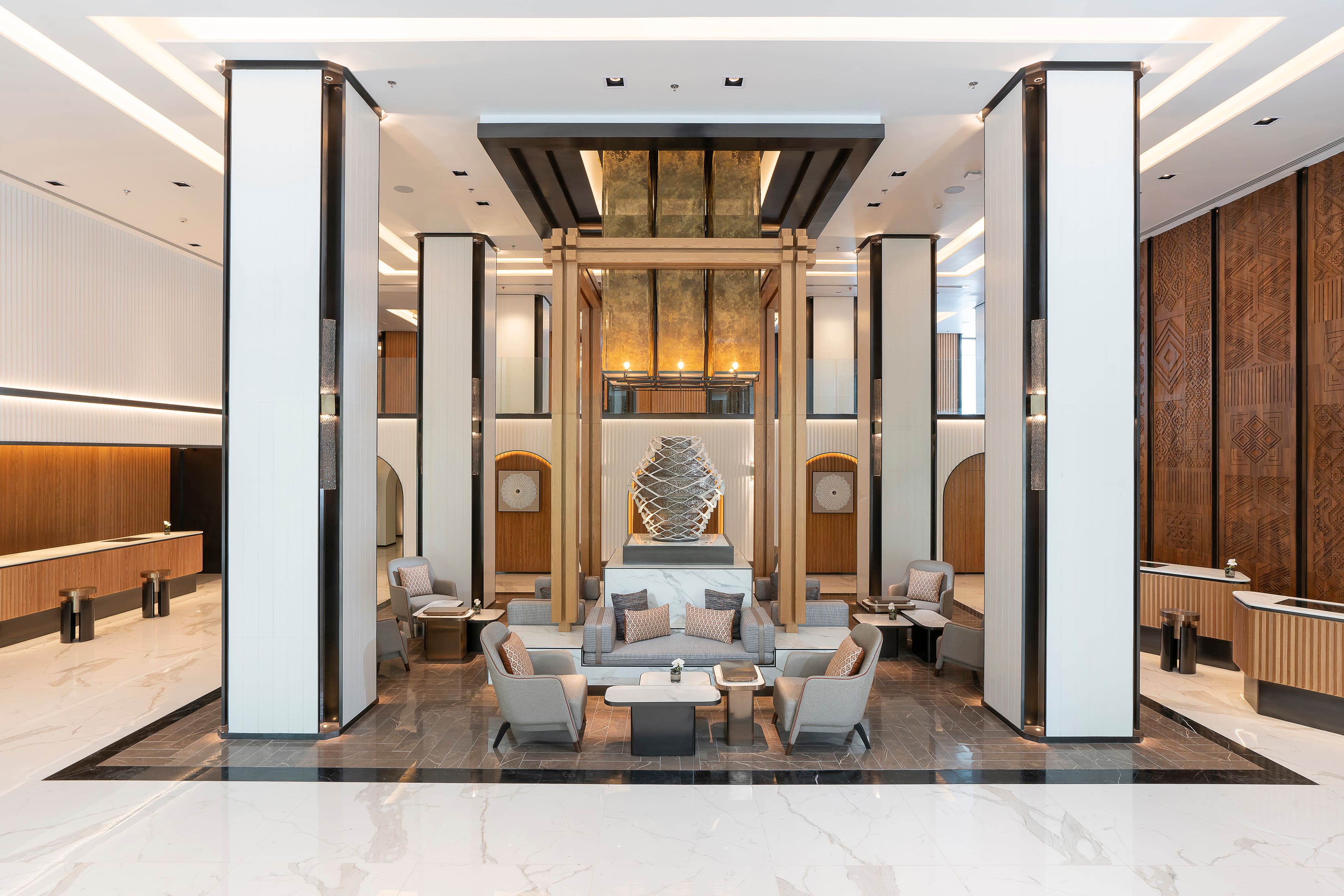
Where to Stay in Chiang Mai
9 recommended properties
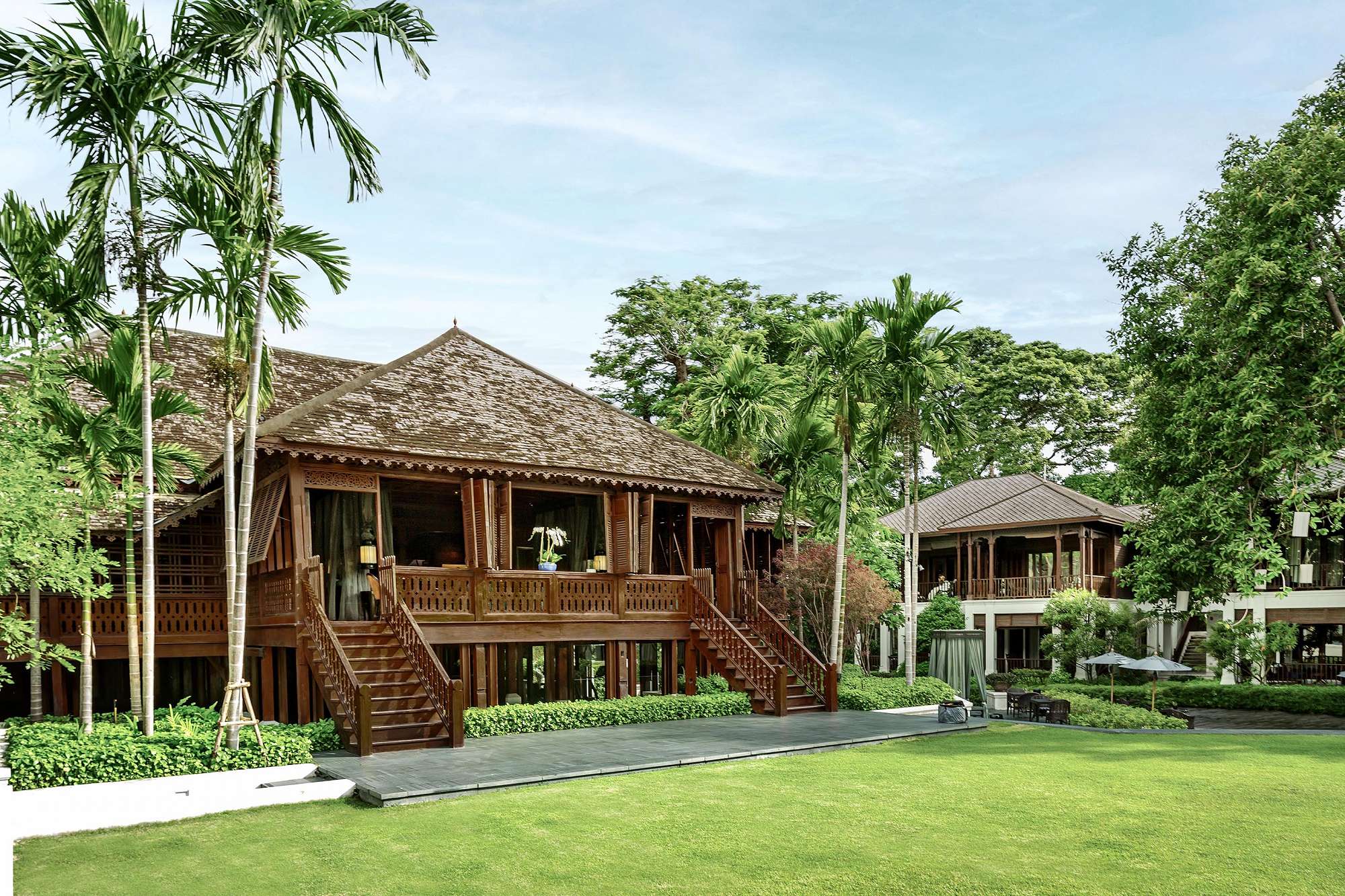
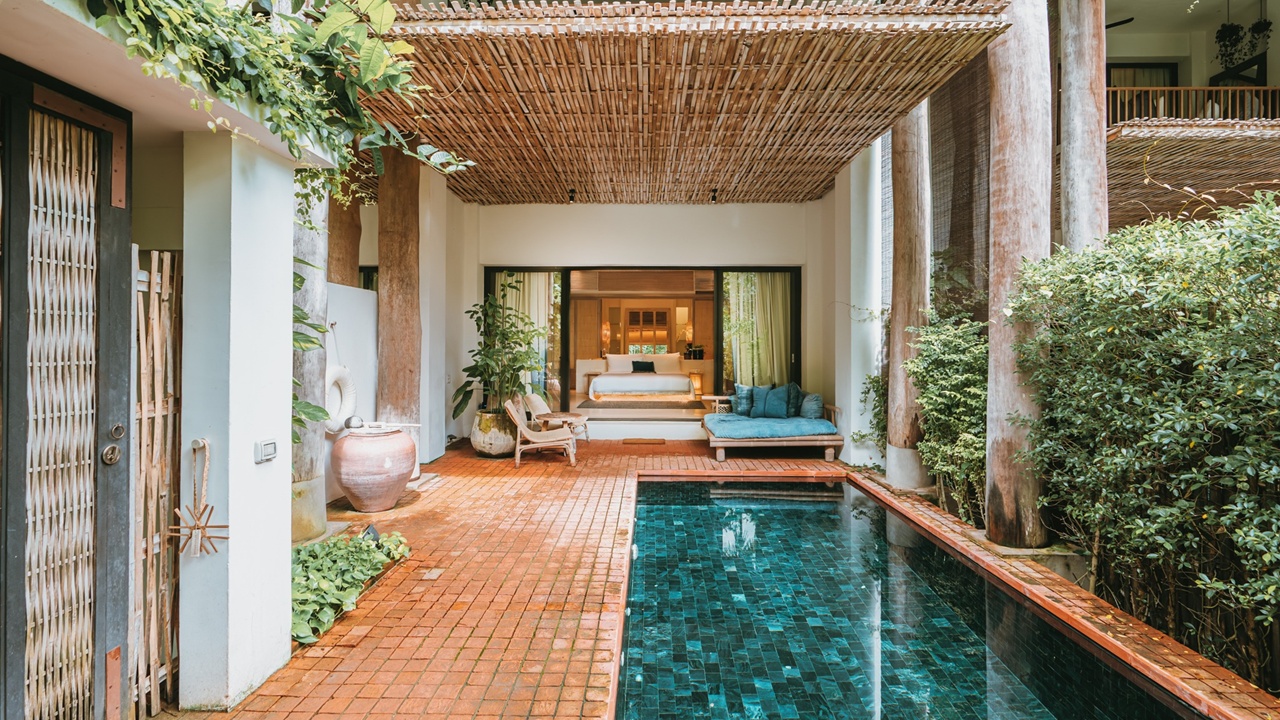
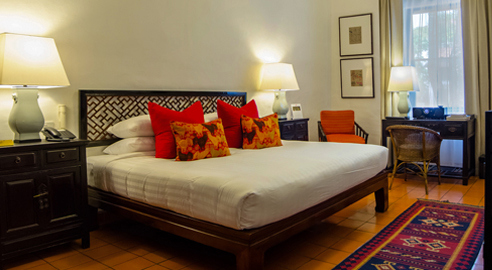
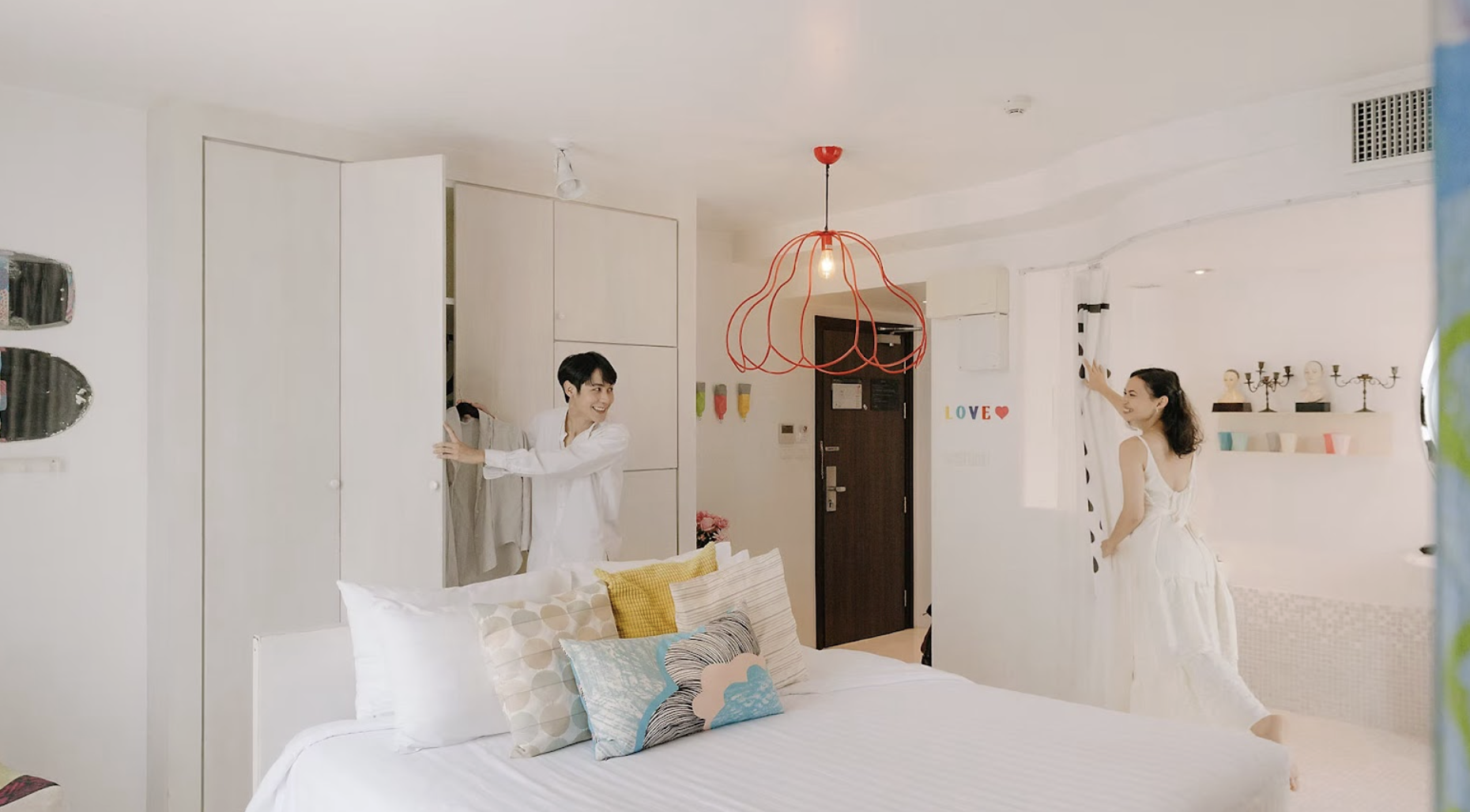
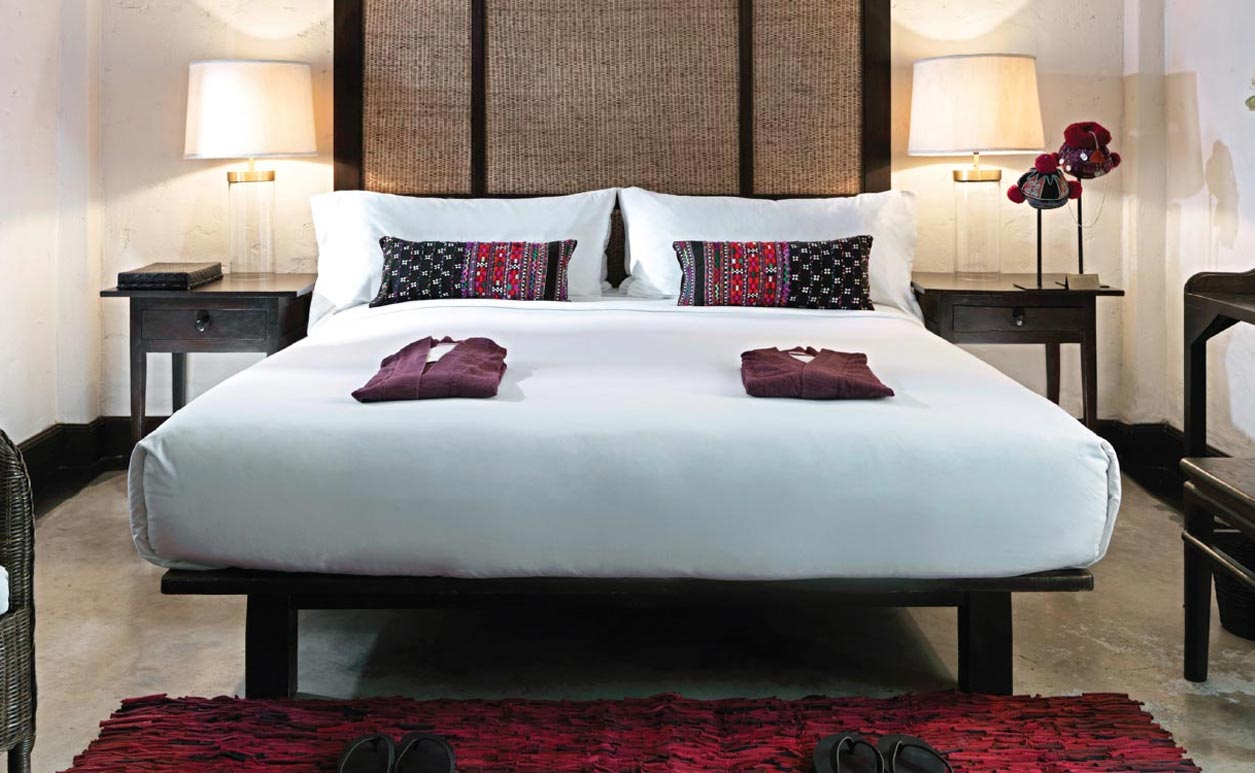
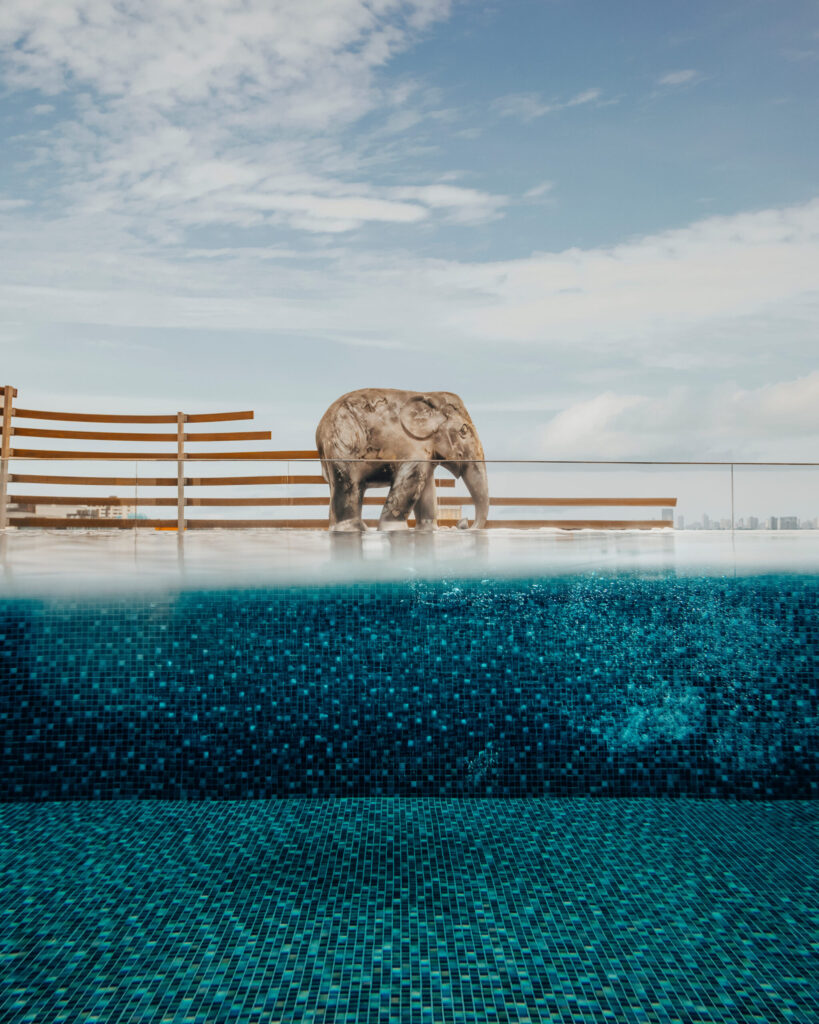
Things to Do in Chiang Mai
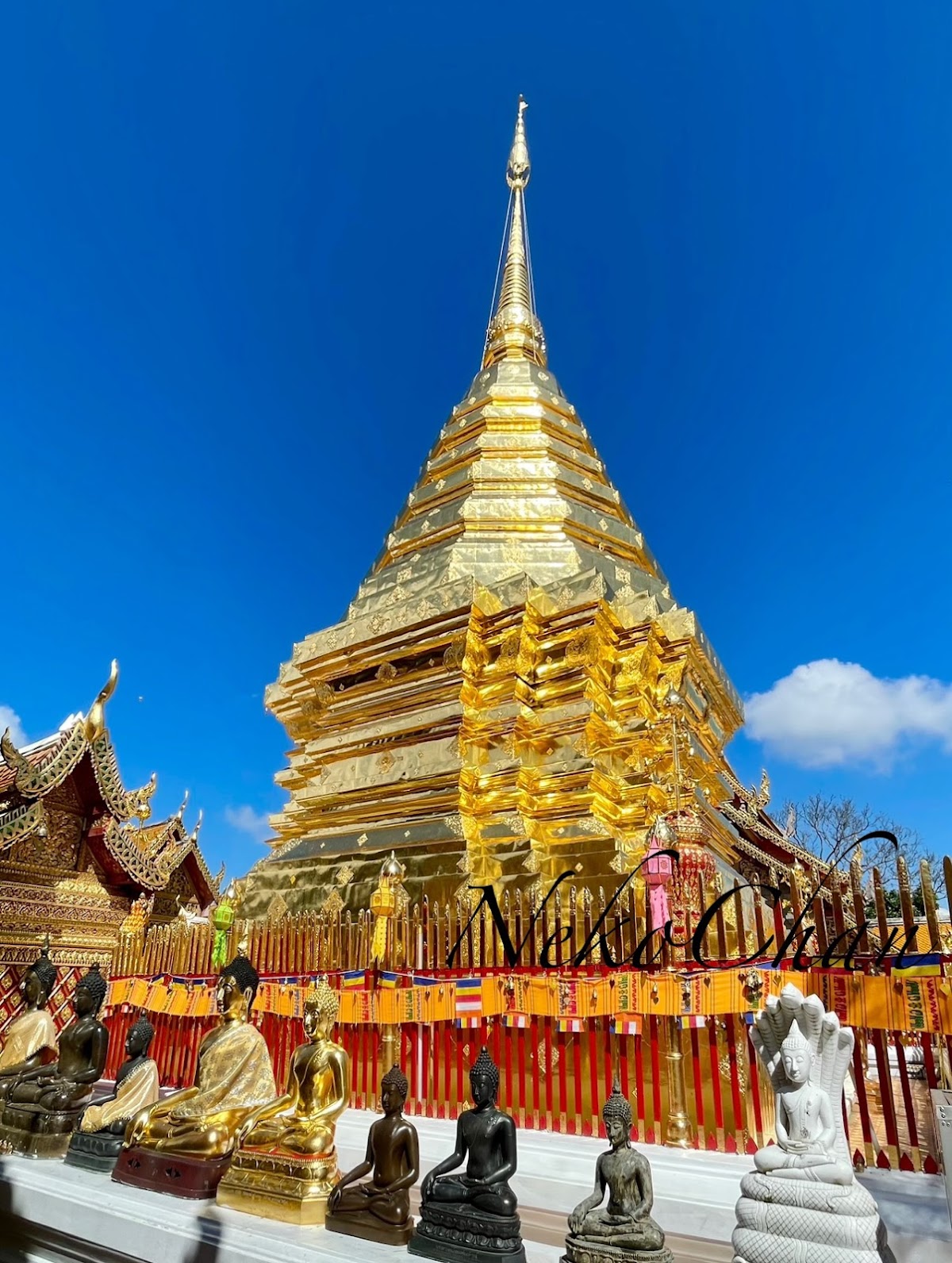
Wat Phra That Doi Suthep Summit Trek
Doi Suthep Mountain (northwest of Old City) · 180 min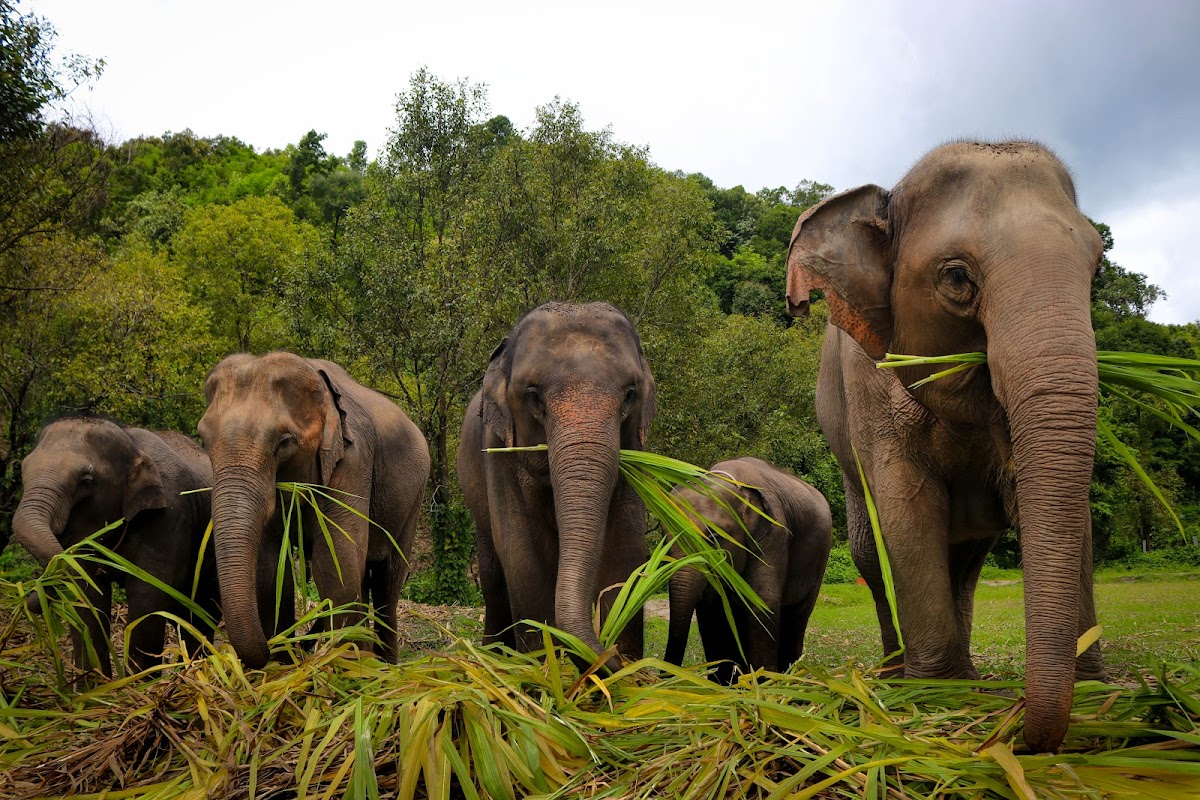
Elephant Jungle Sanctuary Tour
Outside Old City (northern jungle location) · 180 min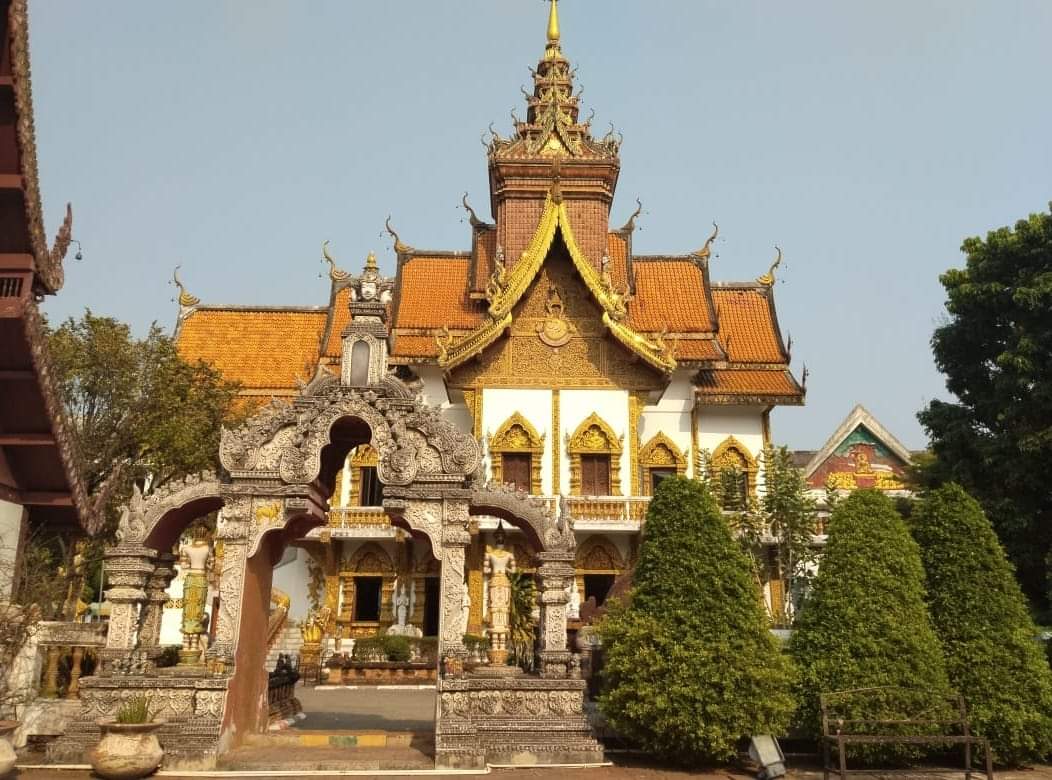
Old City Temple Cluster Walk
Old City (within walking distance) · 120 minMoney-Saving Tips
- 1.Eat at local markets instead of tourist restaurants – a full meal costs 80-120 baht vs 300+ baht at farang-friendly spots
- 2.Red songthaews cost 30-40 baht per ride vs 150-200 baht for Grab cars for short distances
- 3.Buy temple entrance tickets directly instead of through tour companies – saves 50-100 baht per temple
- 4.Shop at Warorot Market for souvenirs – same items as night markets but 30-50% cheaper
- 5.Book accommodations in shoulder season (May-June, September-October) for 40-60% lower rates
- 6.Rent a scooter for 200-250 baht per day instead of hiring taxis for multiple trips
Travel Tips
- •Download offline maps – GPS works but data can be spotty in mountain areas
- •Carry small bills – many vendors can't break 1000 baht notes
- •Dress modestly for temples – cover shoulders and knees, remove shoes before entering
- •Learn basic Thai greetings – locals appreciate the effort and service improves noticeably
- •Book elephant sanctuaries in advance – ethical places limit visitor numbers
- •Bring a light jacket for cool season evenings – temperature drops to 15-18°C
- •Try street food from busy stalls – high turnover means fresher ingredients