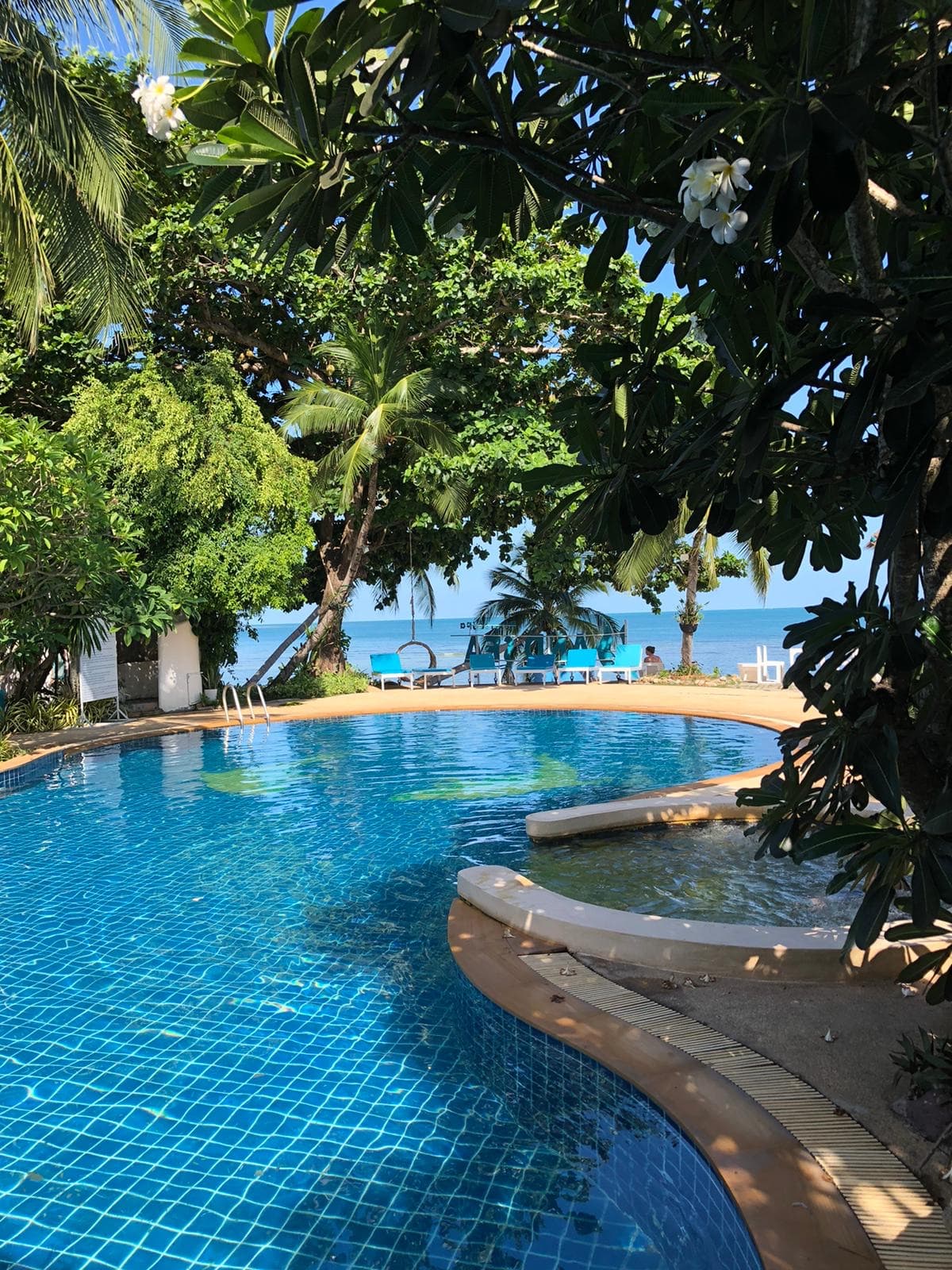
Koh Samui
Thailand's sophisticated island with luxury resorts and family-friendly beaches
Koh Samui strikes that rare balance between luxury and laid-back island life. You'll find world-class spas next to family-friendly beaches, Michelin-starred restaurants alongside local curry shops, and five-star resorts that welcome both honeymooners and kids with sandcastles on their minds. The island's north coast serves up calm waters perfect for little ones, while the west coast delivers those Instagram-worthy sunsets. And here's what sets Samui apart from other Thai islands: the infrastructure actually works. Real roads, reliable WiFi, and an airport that doesn't require a three-hour boat ride to reach.
Best Months
JAN · FEB · MAR · APR · MAY · DEC
~31°C · high crowds
Culture & Context
SPIRIT HOUSES & SHRINES
Koh Samui has around 65,000 permanent residents and has been running a tourism economy for over four decades. The island is overwhelmingly Buddhist, and that shapes daily life in real, visible ways. Monks collect alms at dawn.
Spirit houses sit outside almost every building, fresh flowers and food left daily. That's not decoration. It's an active practice.
Chinese fishing communities settled here generations ago and their influence shows up in temple architecture (especially Wat Plai Laem), food, and the shophouse streets of Fisherman's Village. The village of Hua Thanon on the south coast is home to a Muslim fishing community, complete with a mosque. There's also a small Catholic church in Nathon for the expat community.
Coconut farming once defined the island economy, and the trees are everywhere. It's a genuinely layered place culturally, even if most of it gets buried under the beach bar scene.
Local Customs
RESPECT THE MONARCHY STRICTLY
The 'wai' greeting (palms pressed together, slight bow) is the standard way Thais greet each other. You don't need to initiate it, but always return one if someone offers it to you.. Remove shoes before entering temples and many private homes.
This applies everywhere, not just the obvious places. Look for a pile of shoes at the door.. Dress modestly at temples: shoulders and knees covered for everyone.
A lightweight scarf costs around 100 THB at any market and solves the problem instantly.. Never touch anyone's head — it's considered the most sacred part of the body in Thai culture.. Don't point your feet at Buddha statues, monks, or other people.
When sitting, tuck feet behind you or sit cross-legged.. Women must not touch monks or hand items directly to them. Place objects down for a monk to pick up themselves..
Lèse-majesté laws are strict and actively enforced. Criticizing the Thai monarchy is illegal and carries up to 15 years imprisonment. This applies to tourists too..
Stand still and quietly when the national anthem plays in public (8am and 6pm at some public spaces and parks).. Spirit houses outside homes and businesses are active religious objects, not décor. Treat them with the same respect you'd give a temple..
Haggling is expected at night markets and from songthaew drivers. It is NOT expected in sit-down restaurants. Always negotiate taxi prices before getting in — the meters rarely get used..
Hail a taxi or songthaew with your arm extended and palm facing down. Holding your hand with fingers up is considered rude.. Don't leave your drink unattended at clubs.
Drink spiking has been reported in tourist nightlife areas on Samui.
Safety
ROADS MORE DANGEROUS THAN CRIME
Koh Samui holds a moderate safety index of 55–60, which puts it safer than Pattaya but below Chiang Mai. Violent crime against tourists is genuinely rare. The island's economy depends on tourism, and locals are aware of that.
But there are real risks worth knowing. The biggest one by far is the roads. Thailand consistently ranks among the highest globally for road traffic fatalities, and Koh Samui's combination of steep hillside roads, tropical rain, and unfamiliar left-hand driving makes it particularly hazardous for inexperienced riders.
Don't rent a scooter if you wouldn't ride a motorcycle at home. A private driver costs 1,800–2,800 THB for a full day — far less than a hospital bill or insurance excess. Common scams include jet-ski rental damage claims (photograph all pre-existing damage before you ride), overcharging taxis, and gem shop cons.
Petty theft and bag-snatching happen in crowded areas — Chaweng Beach, Fisherman's Village, and Lamai Beach are the hotspots. Keep valuables in your accommodation safe. Box jellyfish are occasionally present October through January.
Lamai Beach has vinegar stations for exactly this reason — use them immediately if stung. Drug laws in Thailand are extremely strict and apply equally to foreigners. Magic mushrooms are illegal, despite what you might be offered.
Emergency numbers: Tourist Police 1155. Bangkok Hospital Samui (24hr): (077) 429 500. General emergency: 191.
Getting Around
SONGTHAEWS & NEGOTIATION
There are no public buses on Koh Samui. The entire island runs on a 52km ring road, and getting around comes down to a few options. Songthaews are converted pick-up trucks with two benches in the back — Samui's closest thing to a local bus.
They run the ring road during daylight hours. Flag one down on a busy road, agree on the fare before you get in, and ring the bell inside when you want off. For a 10-minute trip, expect 50–60 THB per person.
A 15–20 minute ride should be 100–150 THB. Drivers will routinely quote tourists higher — 100–200 THB for what should be a 50 THB ride. Still cheap, but know what you should be paying.
After 6pm, songthaews shift to private charter mode and prices jump sharply. Taxis are the yellow-and-red cars you'll see everywhere. They technically have meters that never get switched on.
Fix the price before you get in — average trips run 200–250 THB. Find a driver you trust and get their LINE contact details. Grab and inDrive both work on Samui, though Grab can't pick up at the airport.
InDrive often works out cheaper than Grab for regular trips. Grab a screenshot of your destination on Google Maps before flagging any vehicle — some drivers don't know specific hotel or restaurant names. Car rental is the right call for anyone planning to explore seriously.
It's safer than a scooter, more flexible than taxis, and most of the island's best spots require going off the main ring road. A private driver booked for two or three half-days during a week stay usually beats daily rental on cost and eliminates road risk entirely.
Useful Phrases
Koh Samui Itineraries
View all
Jungle Wild Week in Koh Samui
Week · $$$
Koh Samui Jungle-Wild Weekend: Beaches, Falls, and Sunset Wanders
Weekend · $$$
Jungle Wild Weekender in Koh Samui
Day Trip · $$$
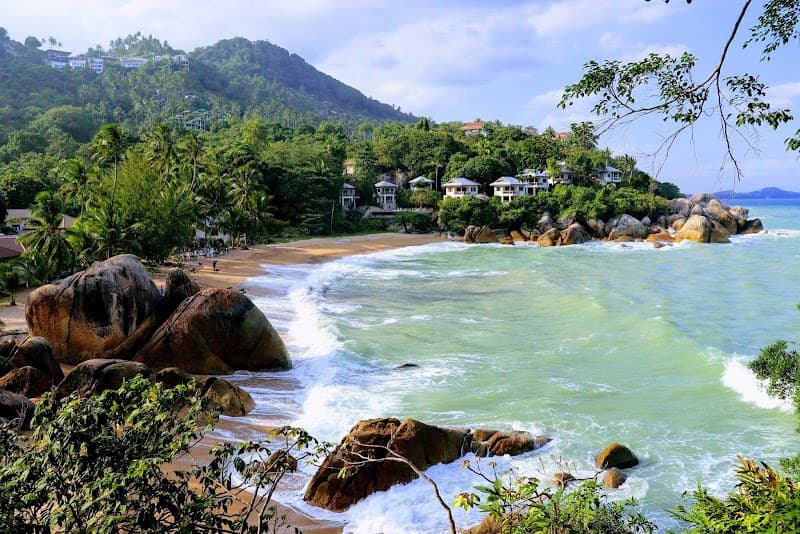
Seven Wild Nights in Koh Samui’s Jungle & Sea
Week · $$$
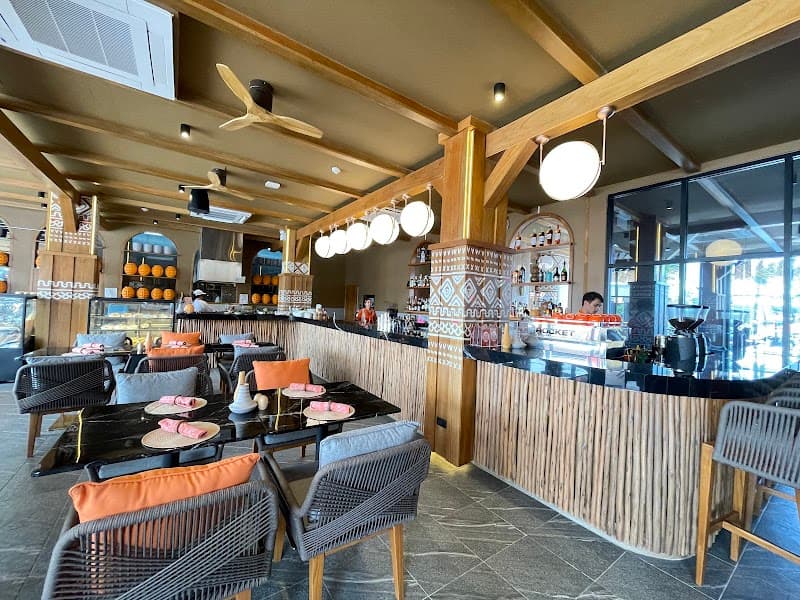
Three Romantic Days in Jungle-Wild Koh Samui
Weekend · $$$
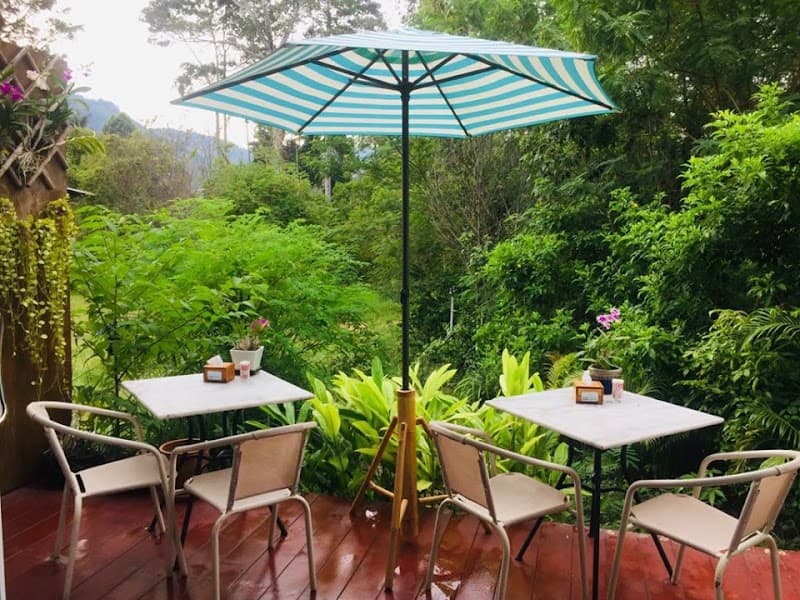
Jungle Romance Weekend in Koh Samui
Day Trip · $$$
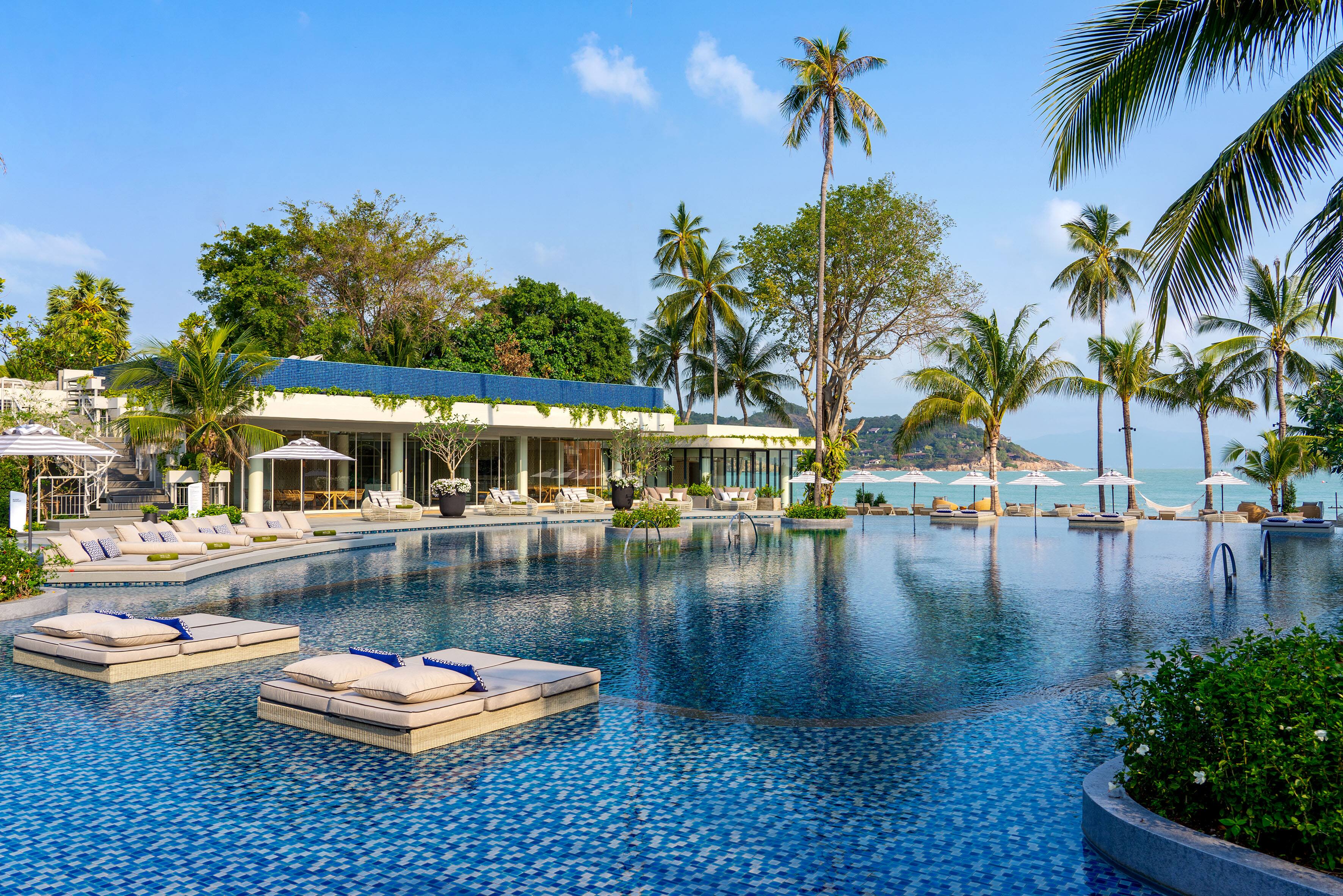
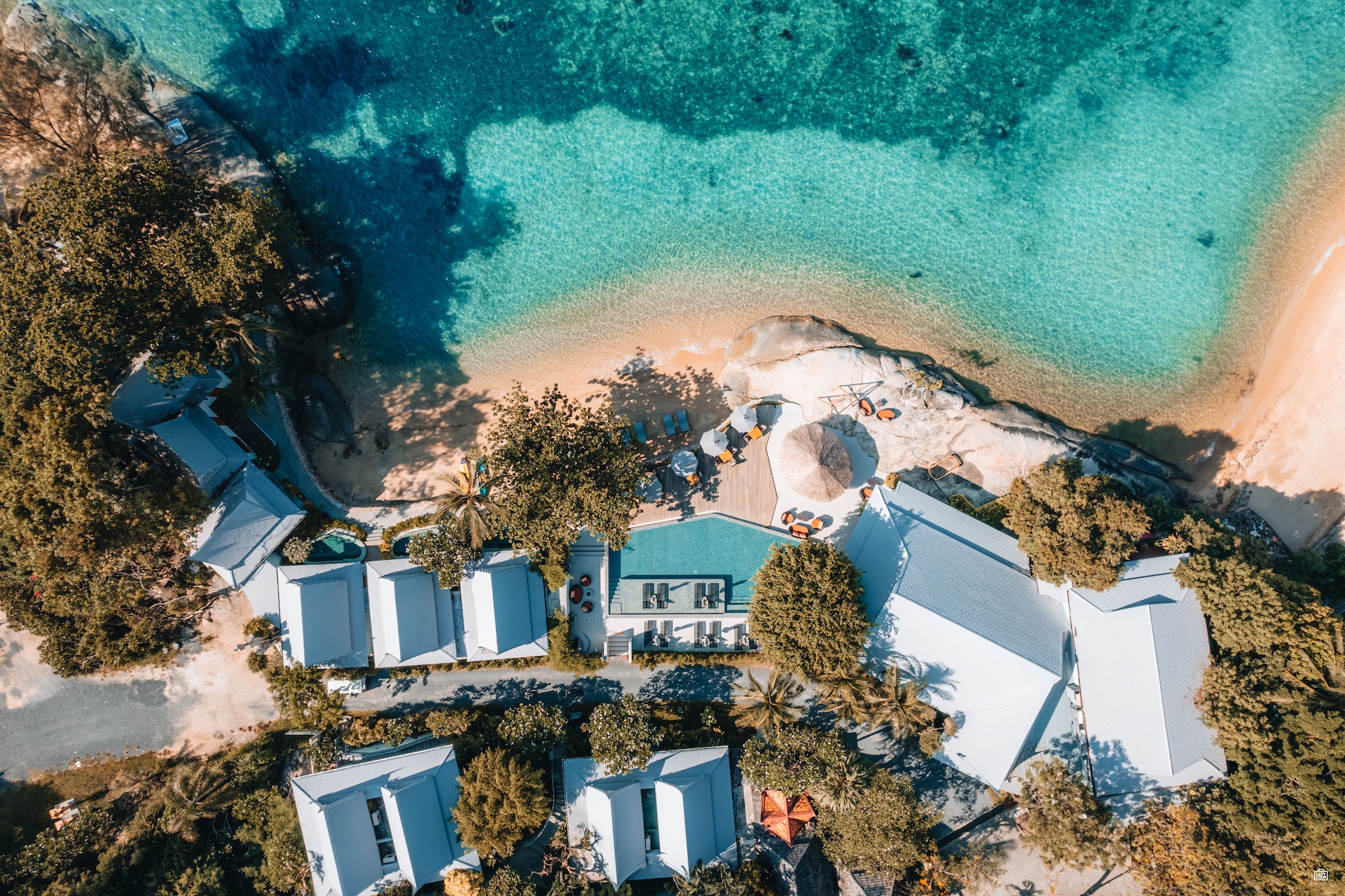
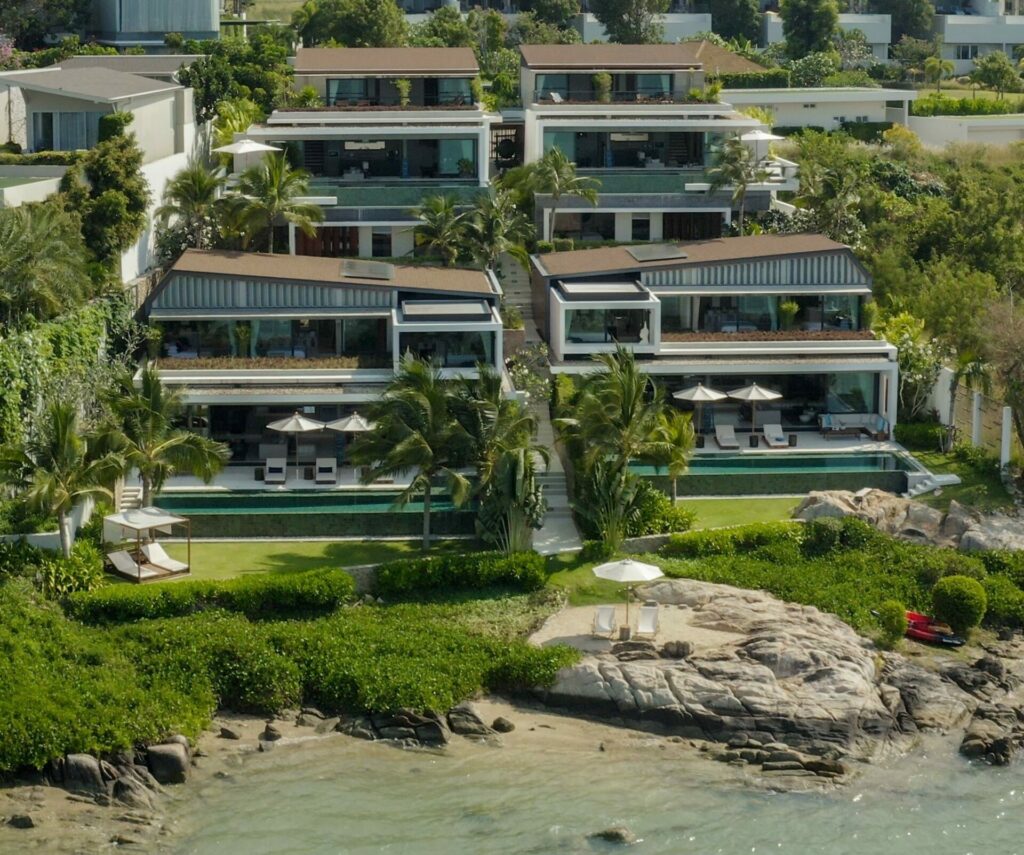
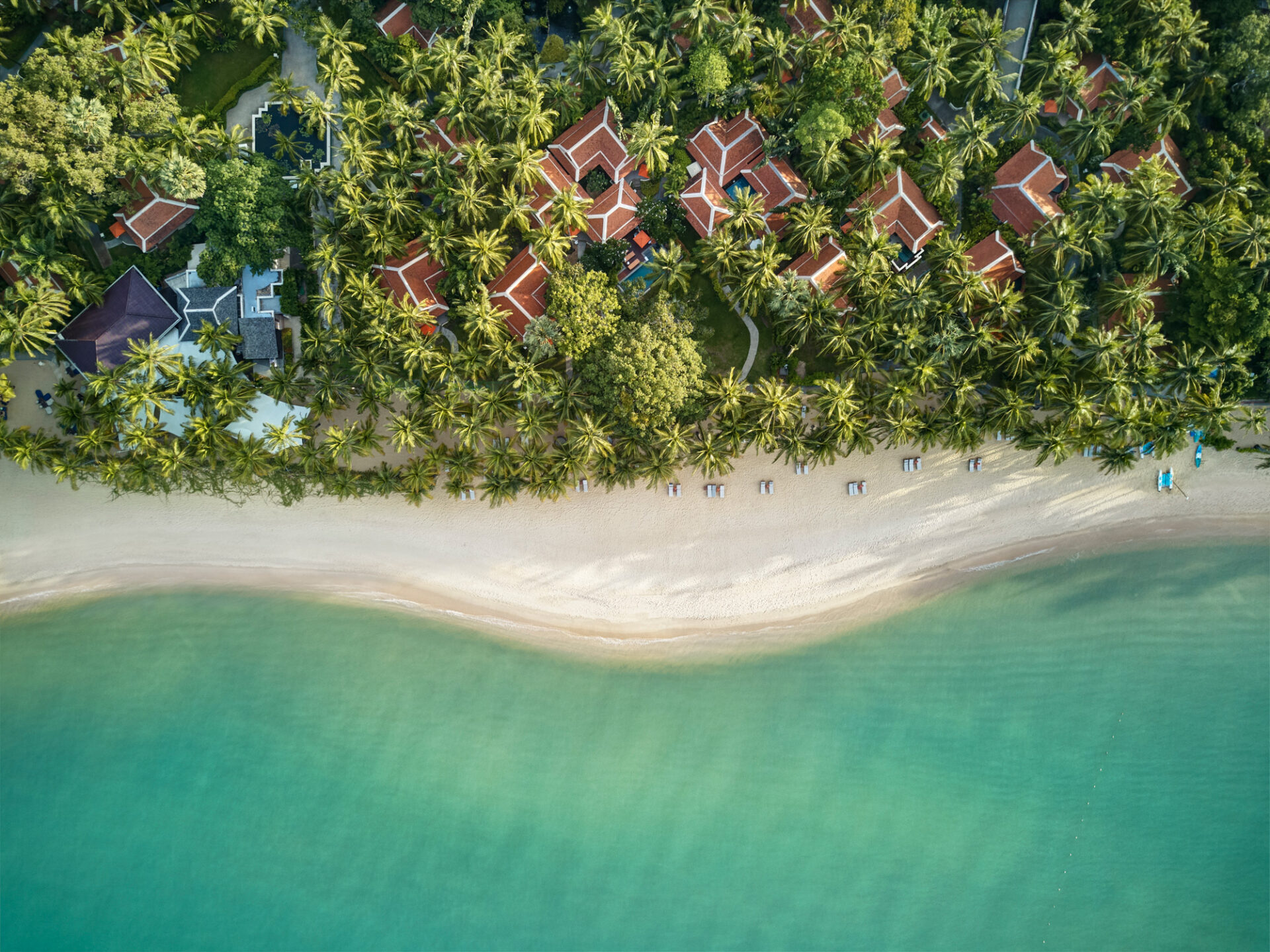
Where to Stay in Koh Samui
9 recommended properties
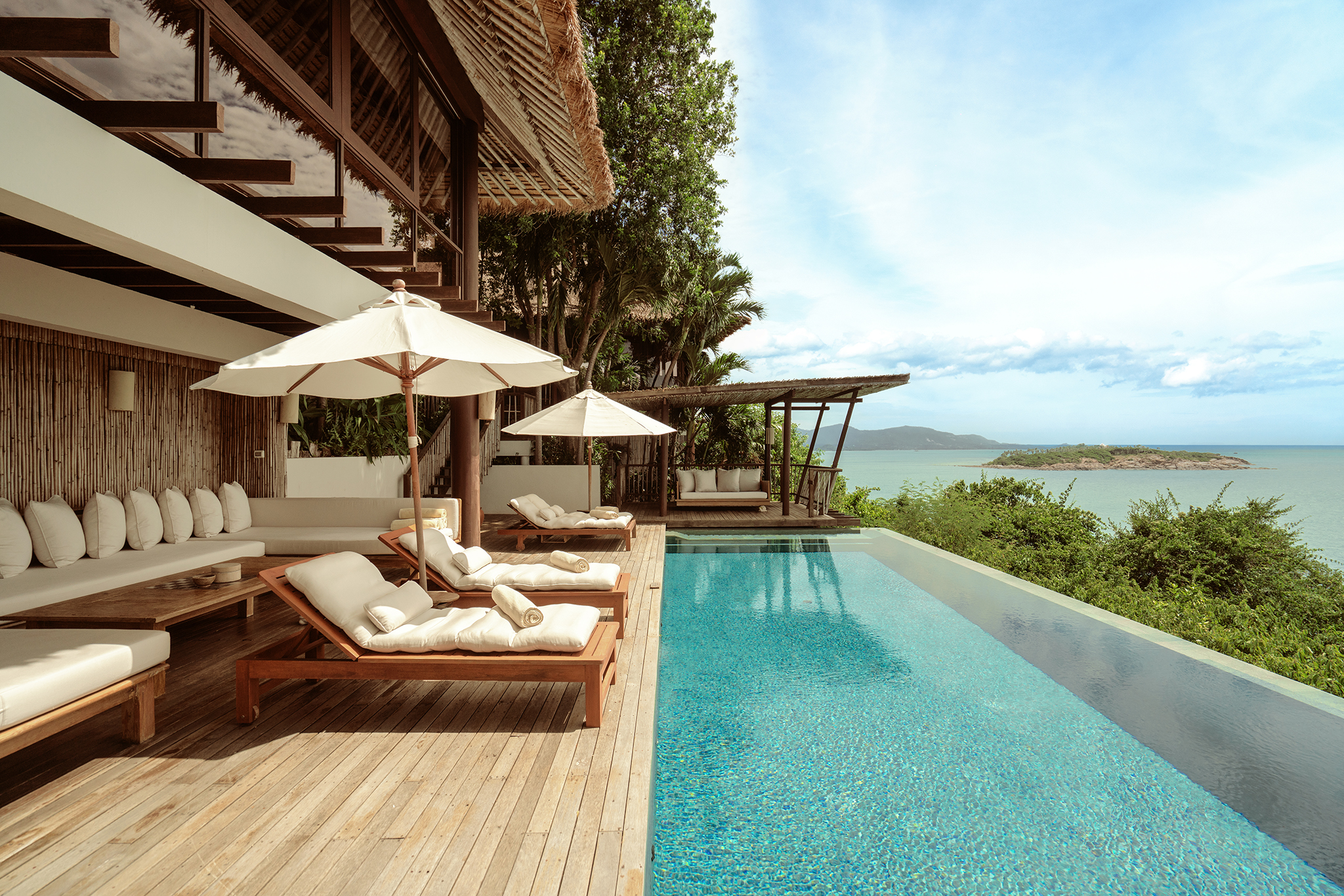
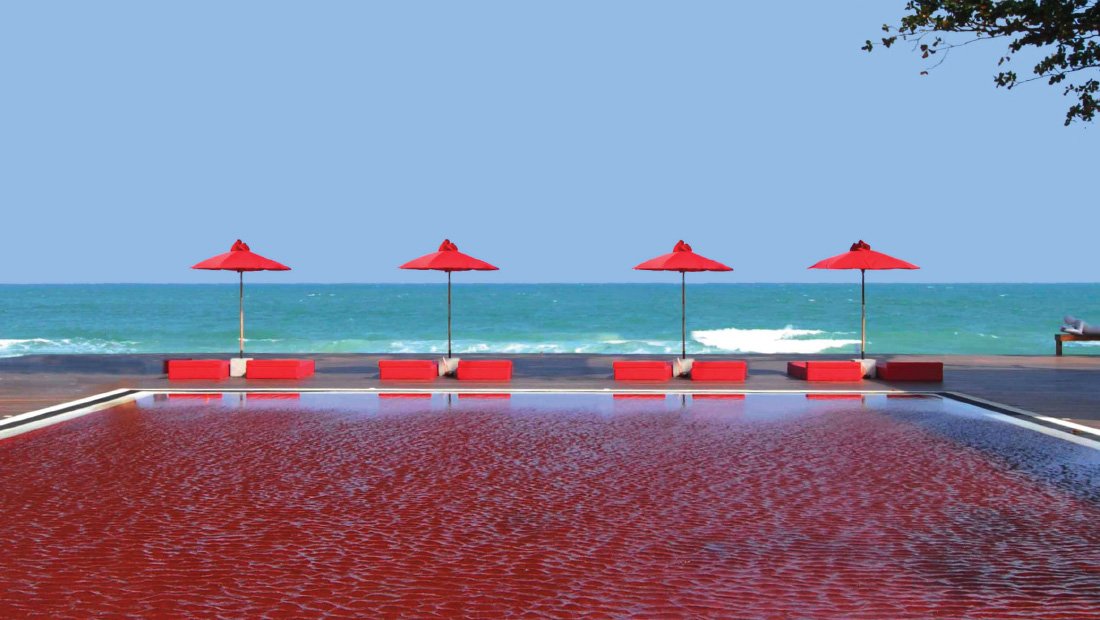
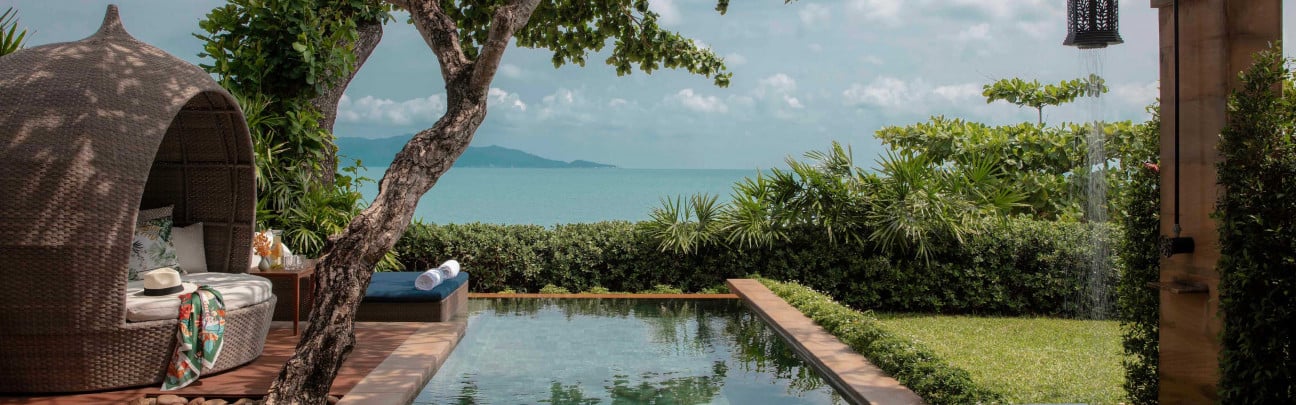
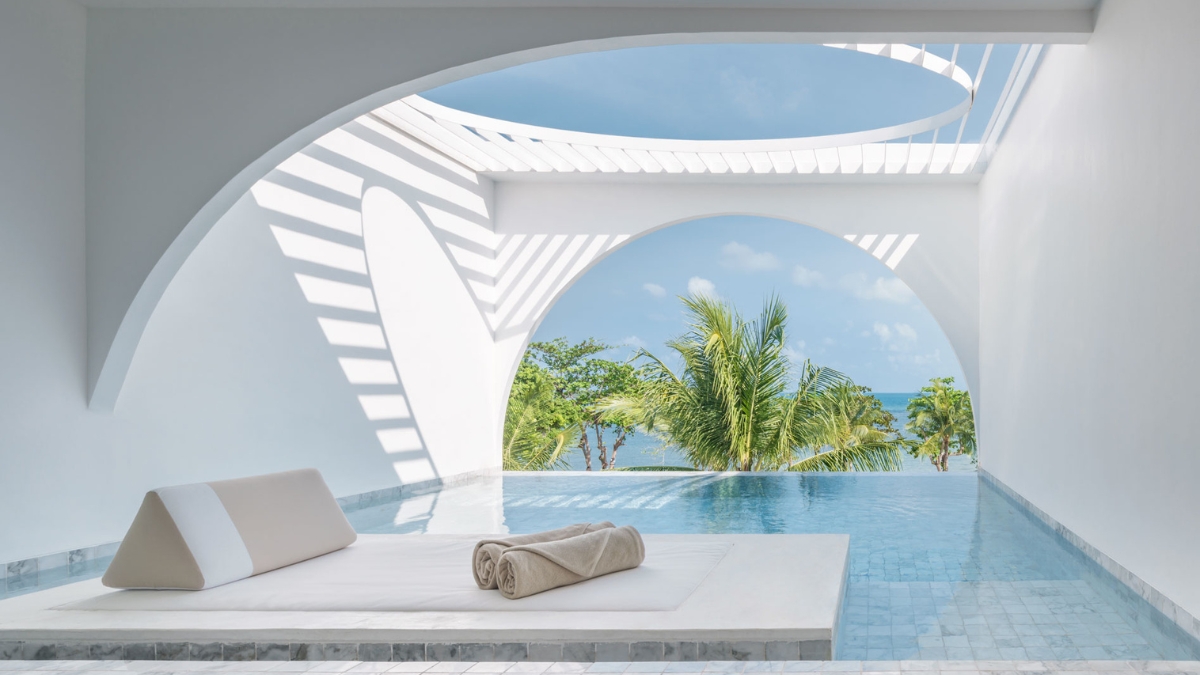
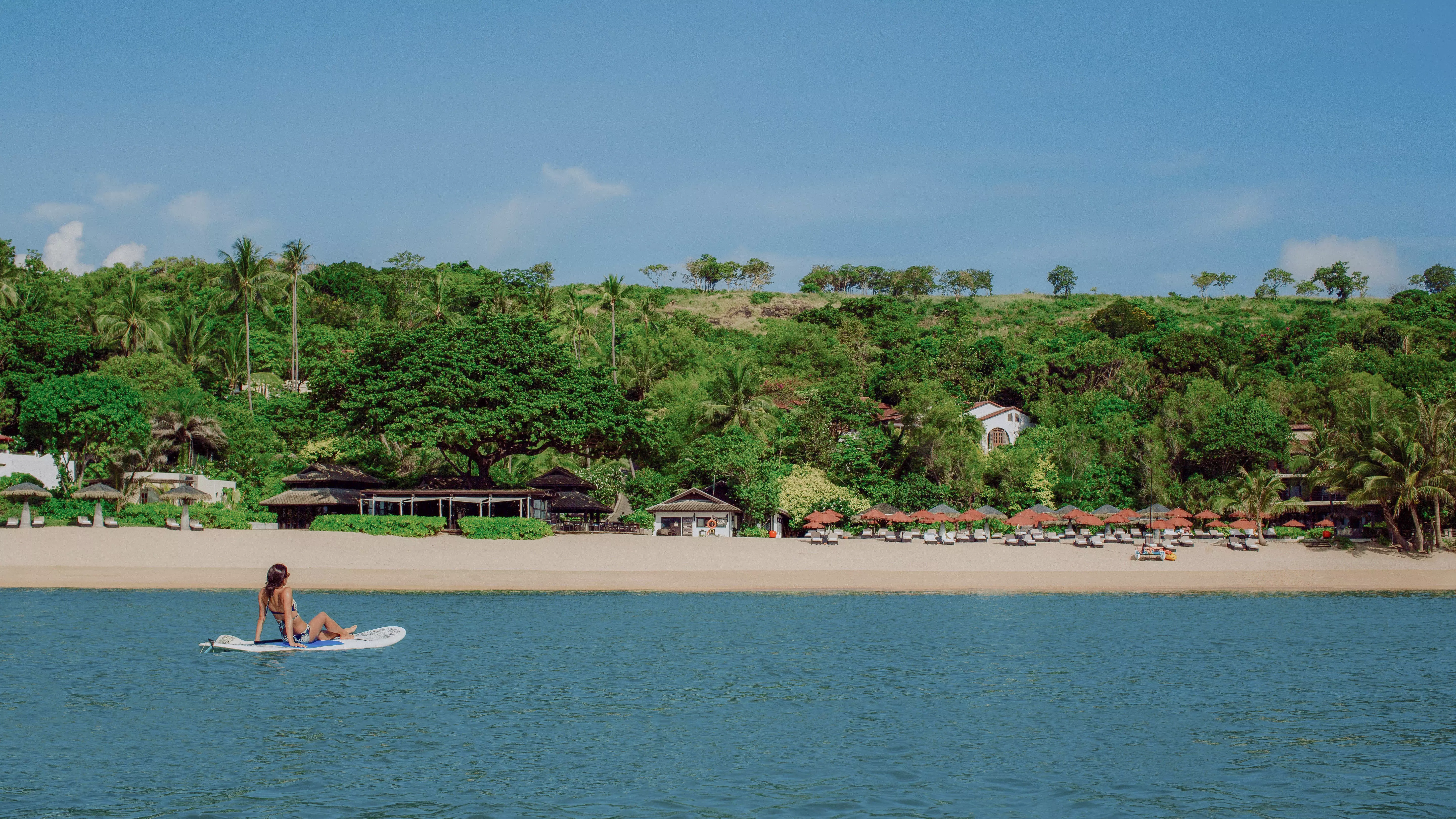
Things to Do in Koh Samui
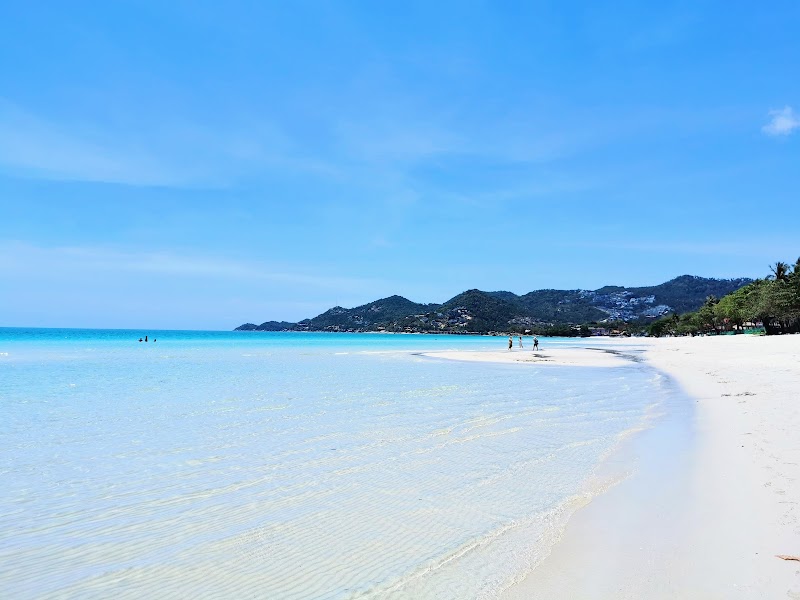
Chaweng Beach Family Swim
Chaweng · 90 min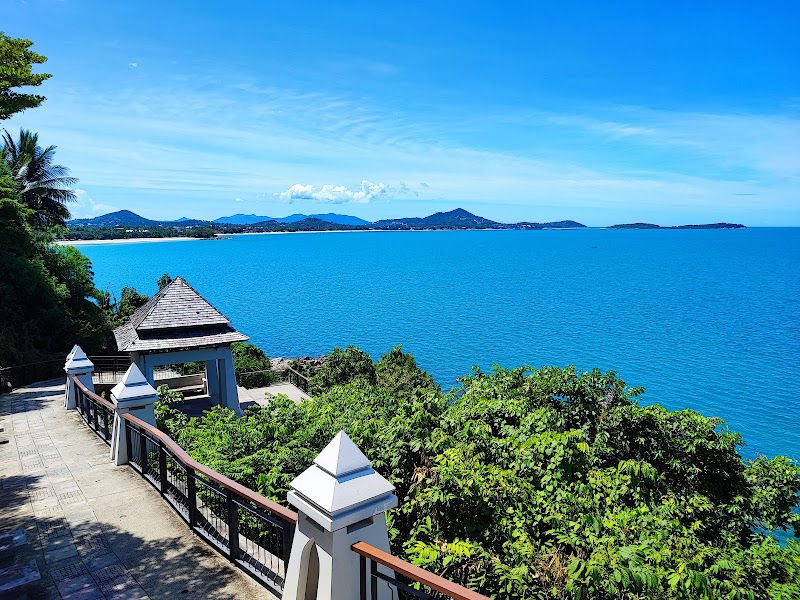
Lad Koh Viewpoint
Chaweng Noi · 30 min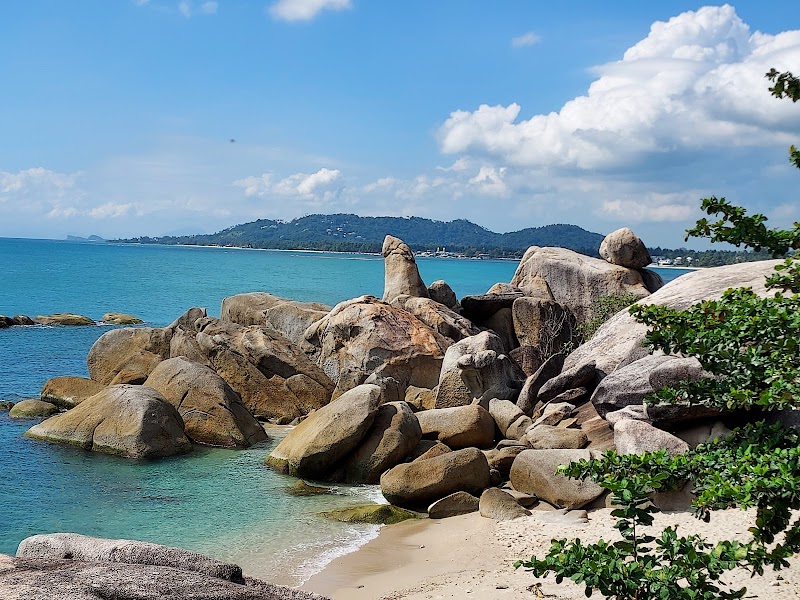
Grandfather and Grandmother Rocks (Hin Ta & Hin Yai)
Lamai · 45 minMoney-Saving Tips
- 1.Eat at local markets instead of beachfront restaurants – you'll save 200-400 baht per meal and get more authentic flavors
- 2.Book accommodations directly with hotels during low season for better rates and room upgrades
- 3.Rent scooters by the week (1,200-1,500 baht) rather than daily if staying longer than 5 days
- 4.Buy alcohol at 7-Eleven or Big C supermarket – beach bar markups reach 300-400%
- 5.Use songthaews for short trips instead of taxis – negotiate group rates if traveling with friends
- 6.Visit during shoulder season (May-June, September) for 40-60% lower accommodation costs
- 7.Book spa treatments at hotel day-spas rather than resort spas – same quality, half the price
Travel Tips
- •Download offline maps before arriving – cell coverage drops in mountainous interior areas
- •Pack reef-safe sunscreen – many marine parks now ban chemical sunscreens
- •Bring a waterproof phone case – afternoon rain showers arrive without warning
- •Learn basic Thai numbers for market shopping and songthaew negotiations
- •Book ferry tickets in advance during peak season – services to Koh Phangan fill up quickly
- •Carry small bills (20, 50, 100 baht notes) for markets, street food, and local transport
- •Check hotel pool hours – many luxury resorts restrict pool access during certain hours
- •Respect temple dress codes – cover shoulders and knees when visiting Wat Phra Yai
- •Download translation apps – English proficiency varies significantly outside tourist areas