Krabi
Thailand's limestone paradise with stunning island escapes
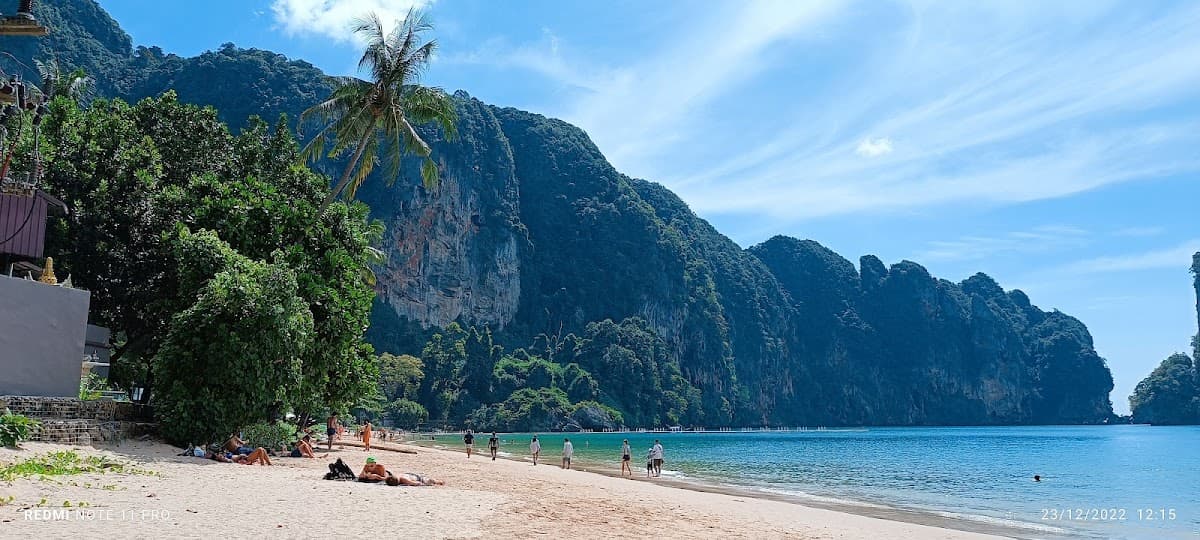
Krabi doesn't just have beaches. It has towering limestone karsts that jut straight out of turquoise water like something from a fantasy novel. This isn't your typical Thai beach destination — though the beaches are incredible. Rock climbers come here for some of the world's best limestone routes. Families love the calm waters and easy island hopping. And couples? The sunsets from Railay Beach will ruin every other sunset for you.
The Andaman Sea here is different. Clearer. The limestone formations create protected bays and lagoons that stay calm even when the open ocean gets choppy. Plus, you're perfectly positioned for day trips to the Phi Phi Islands, James Bond Island, and dozens of other spots that most people only see in movies.
Look, Krabi town itself isn't much to write home about. But use it as your base, and you've got access to some of Thailand's most stunning natural scenery within a 30-minute longtail boat ride.
Best Months
JAN · FEB · MAR · APR · NOV · DEC
~33°C · moderate crowds
Culture & Context
ANCIENT SWORD, LIMESTONE DRAMA
Krabi is a southern Thai province shaped by Buddhism, with a distinct Muslim influence on Koh Lanta and parts of the coast. The name doesn't mean "crab" (despite the logos on every souvenir shop). It means "sword.
" Legend says an ancient sword was unearthed here and presented to a king. Locals think the crab confusion is funny. The region sits on the Andaman Sea and the landscape is defined by 200-million-year-old limestone karsts, which makes it feel genuinely unlike anywhere else in Thailand.
It's quieter than Phuket. More local-feeling than Koh Samui. But it's no secret anymore, especially around peak season (November to April), when Ao Nang gets properly crowded.
Local Customs
SHOES OFF, FEET DOWN
Remove your shoes before entering any home, temple, or sacred site. There's always a pile of footwear at the door. Follow the pile..
The Thai wai greeting: press your palms together at chest height and give a slight bow. Locals won't expect you to initiate it, but returning one goes a long way.. Never touch anyone's head.
It's the most sacred part of the body in Thai culture. This includes children's heads.. Never point your feet at a person, a monk, or any Buddha statue.
Feet are considered the lowest and least clean part of the body. Sitting cross-legged with feet tucked away is safer.. Cover shoulders and knees when visiting temples.
Wat Tham Sua (Tiger Cave Temple) and Wat Kaew Korawaram will turn you away if you're not dressed respectably. Carry a lightweight scarf.. The Thai national anthem plays at 8am and 6pm in public spaces including train stations and public parks.
Everyone stops and stands still. You should too.. Never step on Thai currency.
It has the King's image. Dropping a coin and stopping it with your foot is technically illegal and definitely disrespectful.. Avoid any public criticism of the monarchy.
The lese-majeste laws are genuinely strict and apply to foreigners. This is not a gray area.. Don't lose your temper in public.
Showing frustration or raising your voice doesn't get things fixed faster. It makes everything worse. Smile and stay calm..
Bargaining is fine at markets, but it should feel friendly, not aggressive. In malls and chain stores, prices are fixed, so don't try.
Safety
WATCH THE MOTORBIKES
Krabi is generally safe. Most travelers don't run into serious problems. The real risks are specific and avoidable.
Motorbikes kill tourists in Thailand more than anything else. This is not an exaggeration. If you've never ridden one, Krabi is not where you learn.
Petty theft happens at crowded beaches and markets. Keep your bag in front of you. Don't leave valuables on towels while you swim.
Tuk-tuk drivers, fake tour operators, and street vendors will sometimes overcharge significantly. The fix: agree on a price before you move, and don't hand over money until you've arrived or received what you paid for. Always count change.
ATMs have a flat withdrawal fee of around $6.91 per transaction. Some machines are also targeted by skimmers. Use ATMs inside banks or convenience stores rather than standalone street machines.
On the water: longtail boats and ferries should have visible life jackets. The ferry to Koh Phi Phi is generally safe but should not run when waves exceed one meter. In low season (May to October), some ferry routes reduce frequency or cancel entirely.
Tourist police are available at 1155 for English-speaking assistance.
Getting Around
GRAB & LONGTAILS
Krabi Airport (KBV) is about 10km from Krabi Town and 30 minutes from Ao Nang. The shared airport bus to Ao Nang runs about $4.71. A private taxi is ~$19. Book the taxi through your hotel or a legit agency rather than accepting offers at the arrivals door.
There are no trains to Krabi. The closest station is in Trang province to the southeast. Most people fly in from Bangkok (direct flights on multiple carriers) or arrive by bus or ferry from Phuket or Koh Lanta.
Getting around Ao Nang: Grab (the ride-hailing app) works in Krabi and Ao Nang. Short rides run 100-200 THB ($3-6). Tuk-tuks are around but negotiate before getting in. Songthaews (red pickup trucks with benches in the back) run loops around Krabi Town and out to spots like Tiger Cave Temple. They divert from their route if no other passengers are aboard.
Longtail boats to Railay depart from Ao Nang beach. The daytime fare is ~$3.14 (102 THB) per person but only if the boat waits for the full 8-passenger quota. After 6pm, there's a ~$1.57 surcharge.
Scooters rent for about $7.85/day and are the most efficient way to explore inland. But read this carefully first: Thailand has the second-worst road fatality rate in the world. Motorbike accidents are the leading cause of tourist deaths in Thailand. Wear a helmet. Know which brake is which. The right-hand brake controls the front disc brake; never grab it hard on a bend or wet road. And no riding at night on the Ao Nang to Krabi Town road. There have been documented incidents of bag snatching and crashes on that stretch after dark.
Useful Phrases
Krabi Itineraries
Where to Stay in Krabi
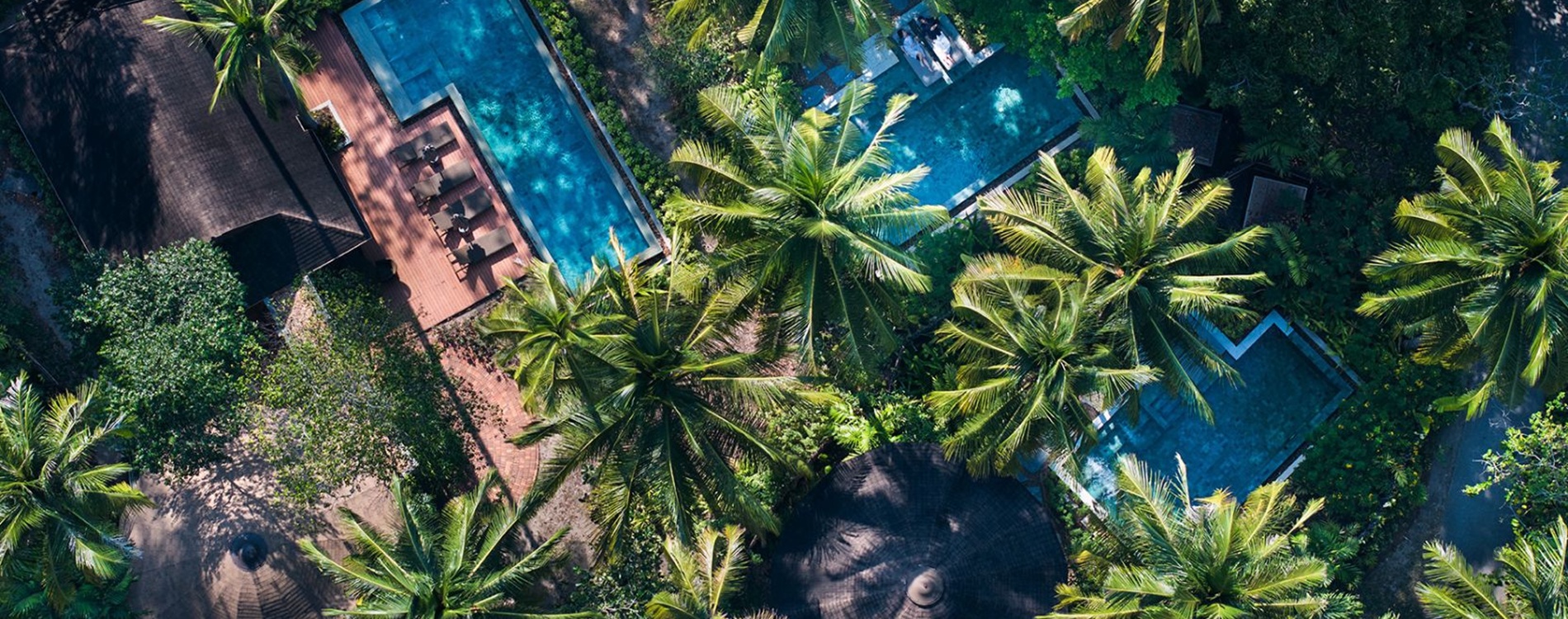
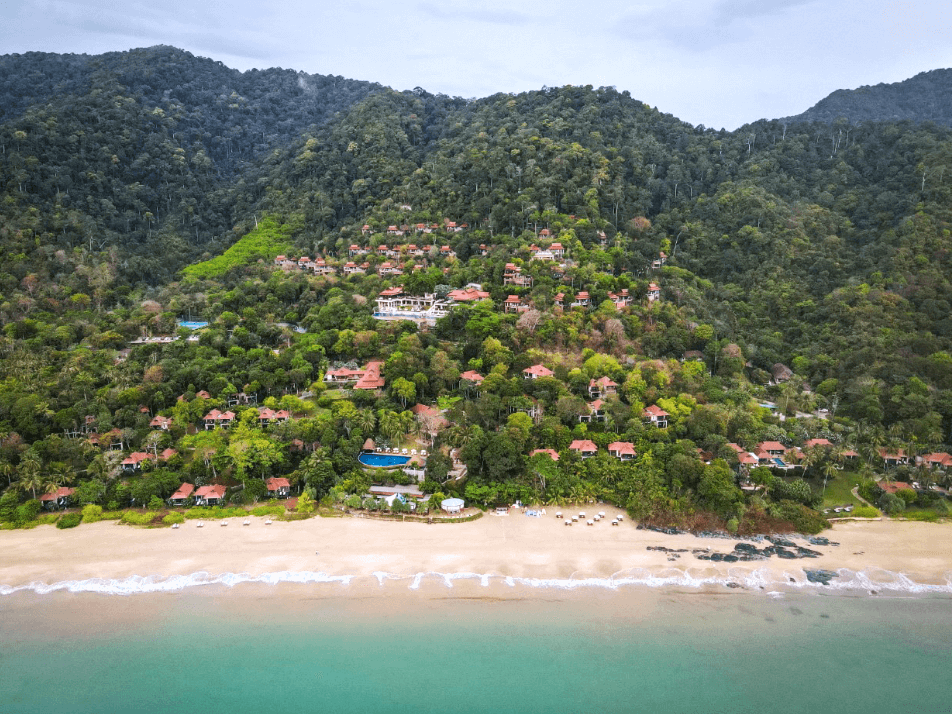
8 recommended properties
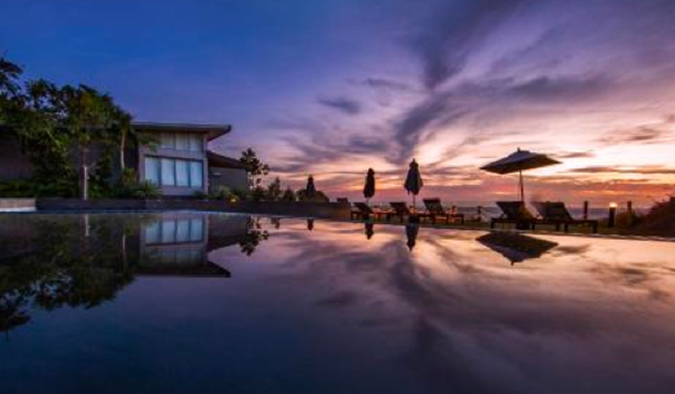
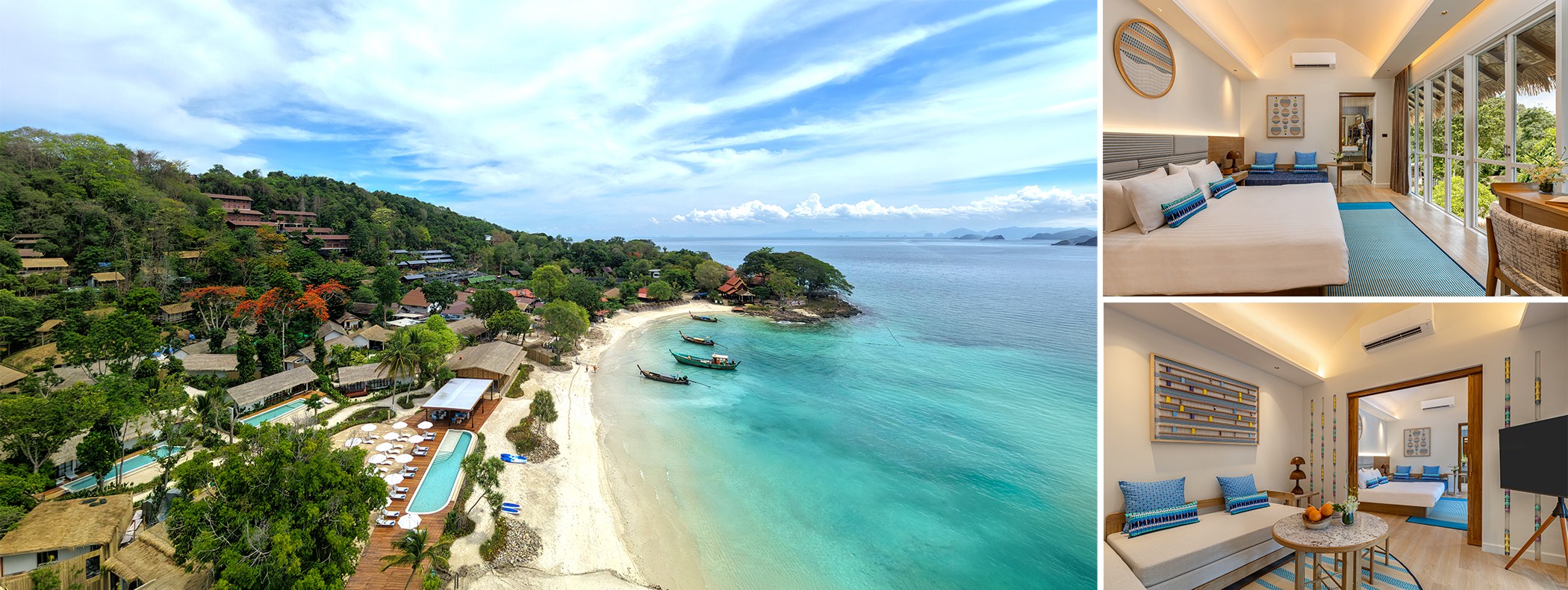
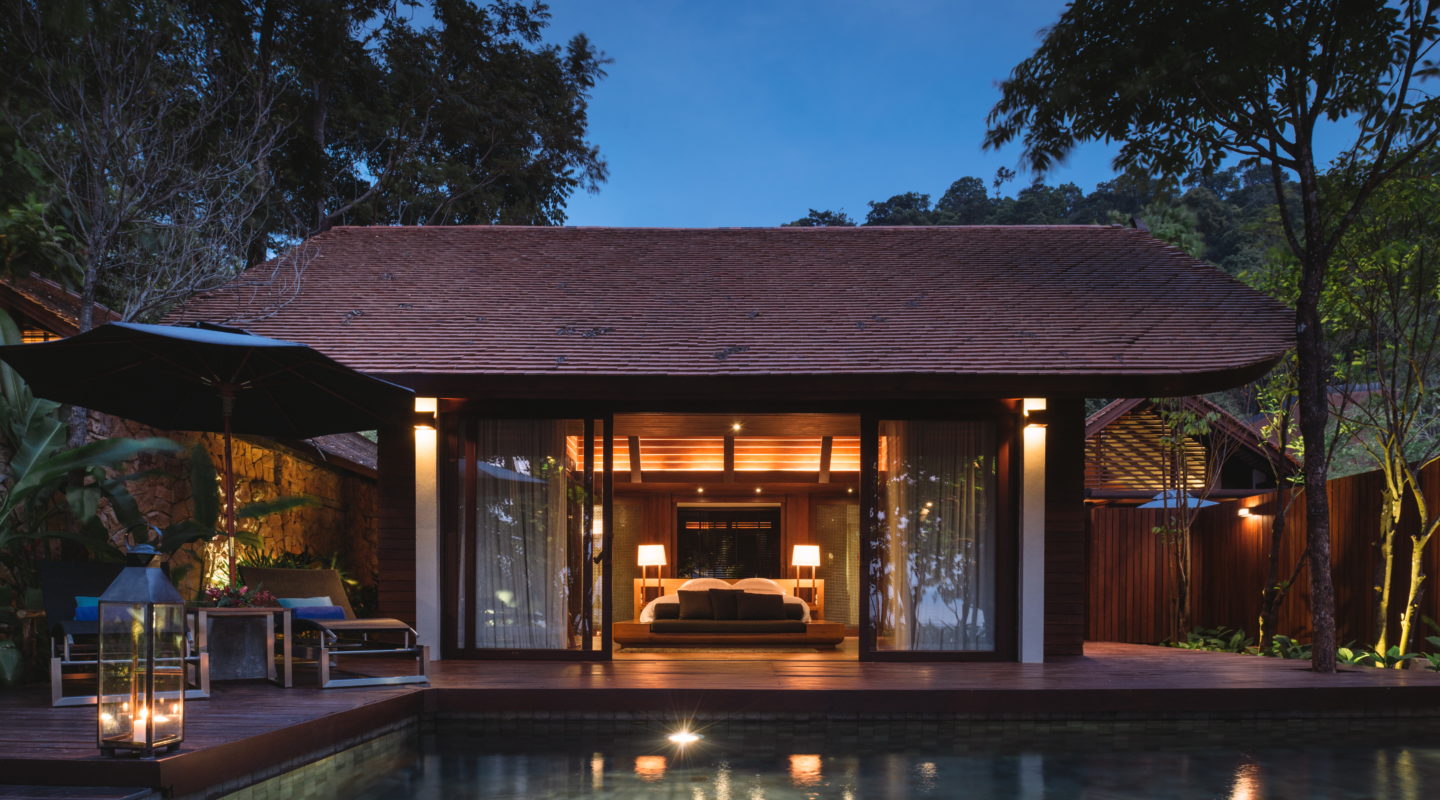
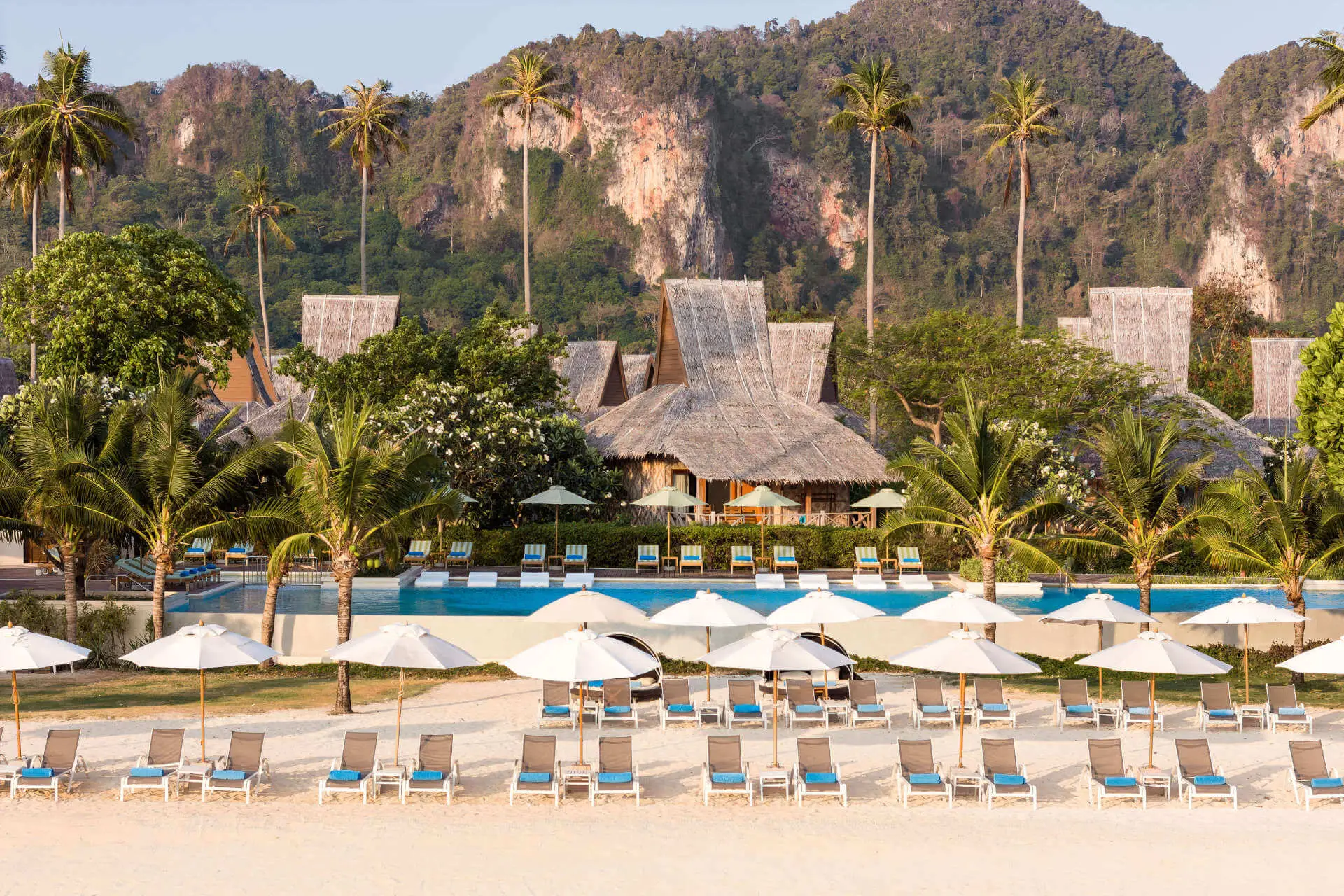
Things to Do in Krabi
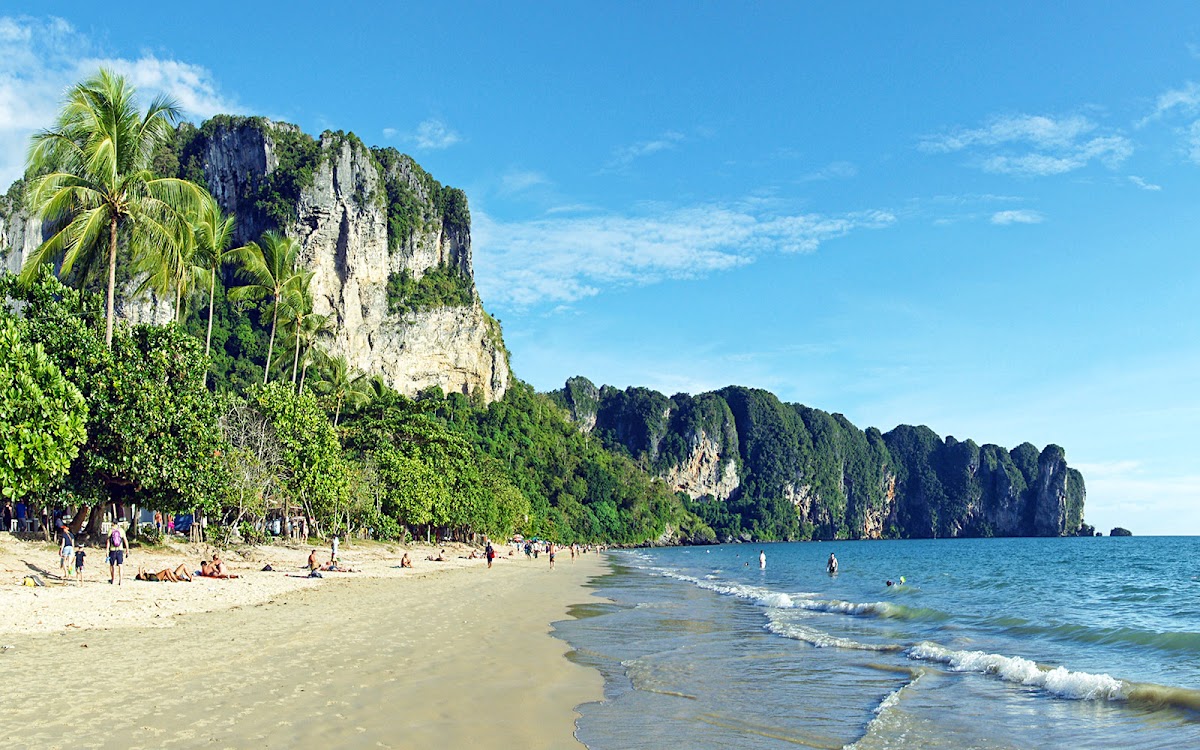
Ao Nang Beach Stroll
Ao Nang · 60 min
Private Longtail Boat Hop
Ao Nang · 180 min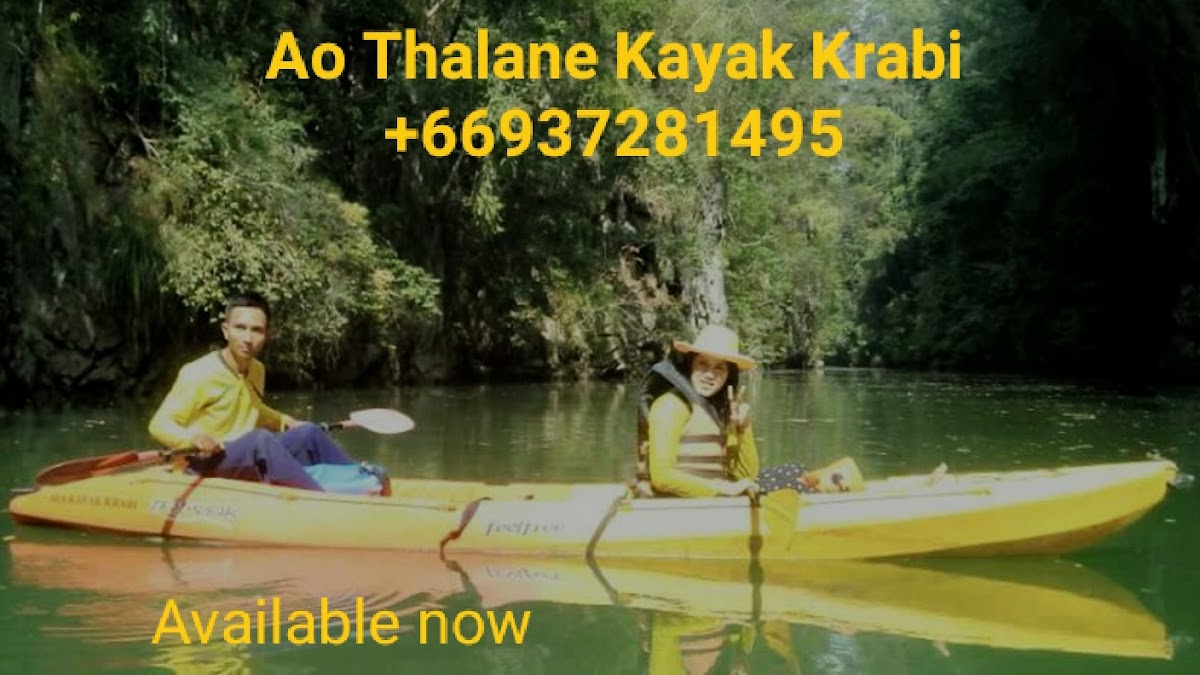
Kayak Ao Thalane Mangroves
Ao Thalane · 180 minMoney-Saving Tips
- 1.Eat at local markets instead of beachfront restaurants — you'll save 60-70% and get better food
- 2.Book accommodation 2-3 months ahead for high season (Dec-Jan) to avoid price gouging
- 3.Join group tours for island hopping rather than private boats unless you're 6+ people
- 4.Buy snorkeling gear at Big C or Tesco Lotus (300-400 baht) instead of renting daily (150 baht/day)
- 5.Use songthaews between Krabi Town and Ao Nang (60 baht) instead of taxis (300+ baht)
- 6.Stay in Krabi Town and take day trips to beaches — accommodation costs half the price
- 7.Avoid restaurants with English menus near tourist areas — they charge 2-3x local prices
- 8.Book return flights from Bangkok instead of direct from Krabi — often 3,000-5,000 baht cheaper
Travel Tips
- •Bring reef-safe sunscreen — many tour operators now require it to protect coral reefs
- •Pack a waterproof phone case and dry bag for boat trips — longtails can get splashy
- •Download offline maps before heading to Railay — cell service is spotty between the cliffs
- •Book rock climbing guides in advance during peak season — the good ones fill up quickly
- •Bring cash — many local restaurants and tour operators don't accept cards
- •Pack quick-dry clothes and a light rain jacket even in dry season — afternoon showers happen
- •Learn basic Thai numbers for bargaining at markets and with longtail boat drivers
- •Check tide schedules before visiting Tup Island — the famous sandbar only appears at low tide
- •Wear proper shoes for temple visits — flip-flops aren't allowed and the ground gets hot
- •Book massage appointments early in the day — the best therapists get booked up by afternoon