
Hoi An
Vietnam's lantern-lit ancient trading port paradise
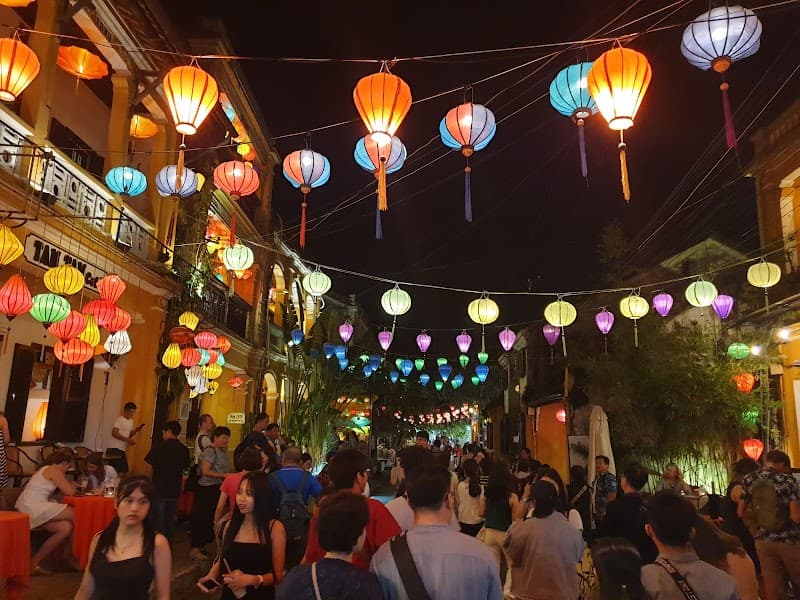
Hoi An glows like nowhere else on earth. Yellow silk lanterns cast golden light across narrow alleyways where centuries-old shophouses lean into each other like old friends sharing secrets. This UNESCO World Heritage ancient trading port on Vietnam's central coast stopped time around the 15th century and never looked back.
The Thu Bon River curves around the old quarter, carrying wooden boats past French colonial villas and Chinese assembly halls. Tailors work their magic behind carved wooden doors. Street food vendors serve cao lau noodles found nowhere else in Vietnam. And every evening at sunset, the entire town transforms into a fairy tale of floating lanterns and candlelit restaurants.
But Hoi An isn't just pretty architecture and Instagram moments. The town pulses with real life - local families still live in these ancient houses, fishermen still cast nets from coracle boats, and grandmothers still roll fresh spring rolls at dawn. You can cycle through emerald rice paddies in the morning, get a custom suit fitted in the afternoon, and release paper lanterns on the river at night.
Best Months
FEB – MAY
~29°C · peak crowds
Culture & Context
MERCHANT HERITAGE PRESERVED
Hoi An was a major international trading port from the 15th through 19th centuries. Chinese, Japanese, Dutch, and Portuguese merchants all left their mark — which is why a single street can have a Japanese Covered Bridge at one end and a Chinese assembly hall in the middle. The architecture is a genuine three-way mashup, not a reconstruction.
The Old Town's 800-plus preserved timber-frame houses on streets like Tran Phu, Bach Dang, and Nguyen Thai Hoc earned UNESCO World Heritage status in 1999, and a strict no-new-buildings rule inside the protected zone keeps it that way. The Thu Bon River, which flows right through town, was the reason merchants settled here in the first place. Hoi An is also Central Vietnam's tailoring capital — the town has hundreds of tailor shops, and getting a custom garment made in 24-48 hours is a genuine local tradition, not just a tourist gimmick.
Cao lau noodles are made exclusively here, traditionally using water drawn from ancient Cham wells. And banh mi from Banh Mi Phuong and Madam Khanh are not hype — they are legitimately some of the best in the country. The monthly Full Moon Lantern Festival, when electric lights go out at 8pm and silk lanterns take over, has been happening long before it became an Instagram phenomenon.
In 2026, Hoi An is also officially a member of UNESCO's Creative Cities Network — recognised for its craft traditions, not just its old buildings.
Local Customs
RESPECT TEMPLES, BARGAIN FREELY
Cover shoulders and knees at all assembly halls, pagodas, and temples in the Old Town. The Fujian Assembly Hall at 46 Tran Phu and the Cam Pho Communal House are active worship spaces, not just photo opportunities. Pack a light scarf — it takes up no space and saves embarrassment at the door..
Remove your shoes before entering pagodas and traditional houses. At Tan Ky Ancient House on Nguyen Thai Hoc Street, step over the wooden threshold rather than on it — standing on it is considered disrespectful to the spirit of the house.. Never point your feet toward a Buddha statue, altar, or monk.
When sitting on the floor in a traditional space, tuck your feet to the side or beneath you.. Bargaining is normal and expected at the night market and smaller souvenir stalls. Start around half the asking price, stay friendly, and smile.
Walking away is fine — and often brings the price down. But once you agree on a price, buy the item.. Use both hands when giving or receiving money, business cards, or gifts.
Single-handed exchanges come across as dismissive.. Tipping isn't obligatory but is increasingly appreciated in tourist-facing businesses. Rounding up the bill or leaving 5-10% for good restaurant service is welcomed.
Don't tip at street food carts — it creates awkwardness.. Loud voices in public spaces, especially near temples or in residential lanes late at night, is frowned upon. The Old Town is genuinely quiet after 10pm, and the neighbours like it that way..
Always ask before photographing someone, particularly at the Hoi An Market on Le Loi Street and in traditional villages. Some locals near the Old Town expect a small payment before posing — know that going in.
Safety
WATCH STREET PRICES
Hoi An is genuinely one of the safer tourist destinations in Vietnam. The US State Department rates Vietnam as Level 1 (Exercise Normal Precautions). Violent crime against tourists is rare. But a few things are worth knowing before you arrive.
The most common issue is overcharging at stalls and restaurants without posted prices. If there's no menu or price sign, ask "Bao nhiêu tiền?" before you order or before you let anyone start working on your shoes, bike, or anything else. A banh mi should cost 20,000-50,000 VND from a street cart. If you're quoted 70,000, laugh and offer 30,000 — this is normal. Always check your bill in restaurants.
Pickpocketing happens in the crowded Old Town, especially during festival nights when the streets are packed and dimly lit. Keep phones in front pockets and bags closed.
Only use ATMs inside bank branches or reputable hotel lobbies. Card skimming happens at standalone machines. Agribank has fixed fees and is considered the cheapest option for international withdrawals.
Traffic is the real daily hazard. Bigger vehicles take right-of-way in every situation. There are no stop signs. If you rent a motorbike, wear a helmet — police checkpoints do happen and the informal 'fee' to get your bike back runs 500,000-1,000,000 VND. Crossing the street requires patience: walk steadily and let motorbikes flow around you. Don't stop suddenly.
For taxis outside the Grab app, use Mai Linh (green taxis) or Vinasun. Agree on a price before getting in any unmetered vehicle. The old taxi meter fraud is less common in Hoi An than in big cities, but it still happens.
Getting Around
WALKABLE, BIKE IDEAL
There is no airport in Hoi An. You fly into Da Nang International Airport (DAD) and the journey to Hoi An from there takes 30-45 minutes. The Grab app is the easiest option — prices are shown upfront, no negotiation, no meter tricks. A GrabCar from Da Nang airport to the Old Town runs around $12-18. For groups, private car hire is actually cheaper than Grab for that specific route, so shop around.
Once in Hoi An, the Old Town is walkable and flat. Most hotels provide free bicycles, which is genuinely the best way to explore — the town is compact and cycling to An Bang Beach takes about 20-25 minutes on flat roads. Electric bikes are an increasingly popular option for those who'd rather not pedal.
The Grab app works throughout Hoi An. GrabBike (motorbike taxi) is the cheapest and fastest for solo travellers. GrabCar is better for couples or when you have luggage. The app accepts both cash and card. For the Da Nang-Hoi An run, Grab is fine but pre-booked private drivers are often more economical if you're with more than one person.
Motorbike rentals run $5-10/day and are available everywhere. But the roads outside Old Town are unpredictable, traffic doesn't follow obvious rules, and bigger vehicles take right-of-way in every scenario. If you have experience riding in Southeast Asia, it's great. If not, stick to bicycles or Grab.
White-and-green electric shuttle buses operate around Hoi An, with a continuous route between Hai Ba Trung Street and the Old Town from 2pm-10pm for 10,000 VND one way — dirt cheap and useful if you're staying outside the centre.
The vintage cyclos (three-wheeled pedicabs) doing loops of the Old Town cost 150,000-200,000 VND for 15-20 minutes. Negotiate before you get in.
Useful Phrases
Hoi An Itineraries
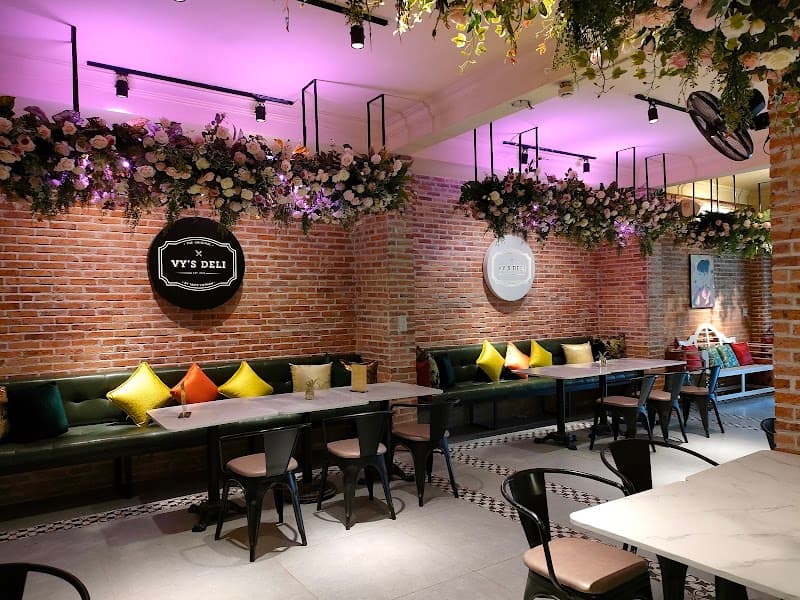
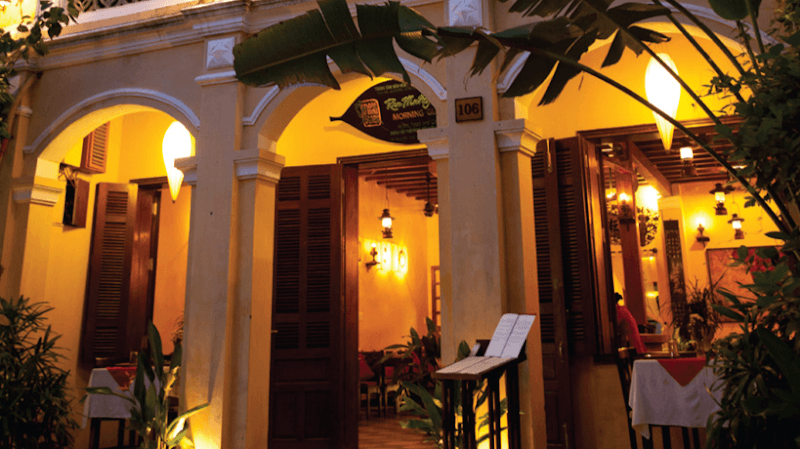
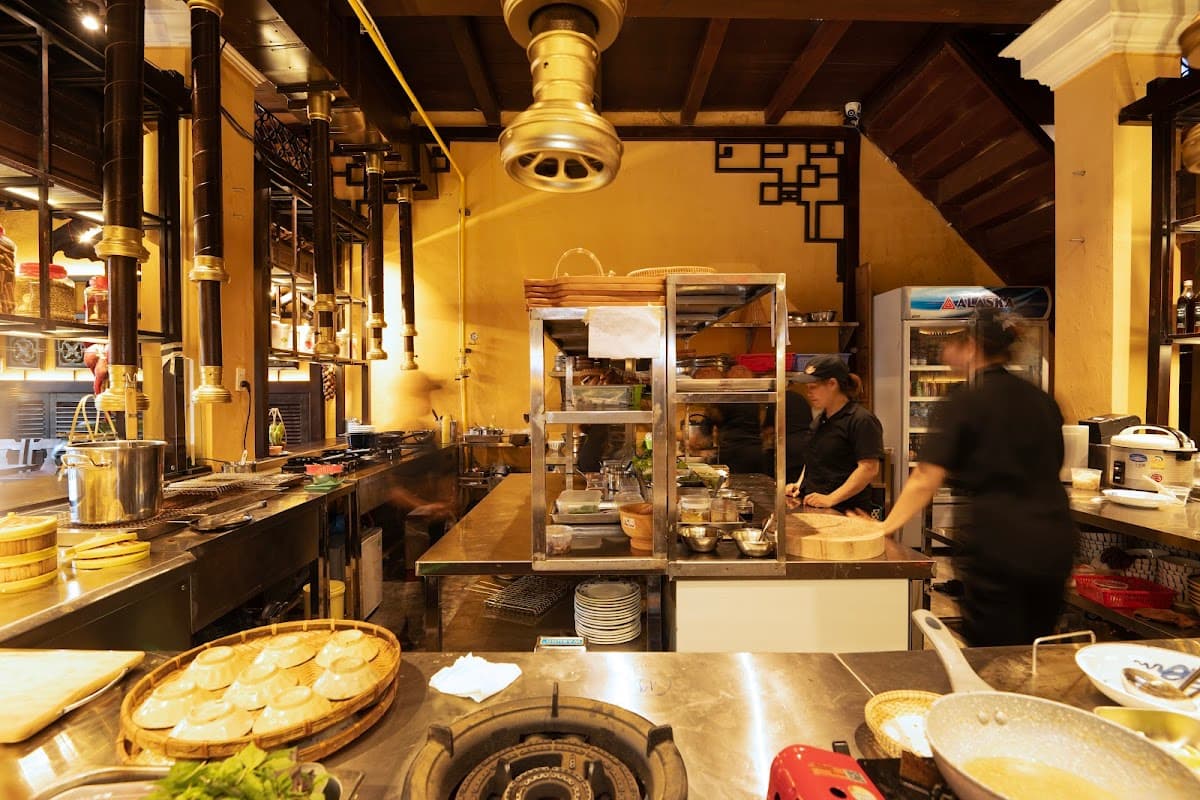
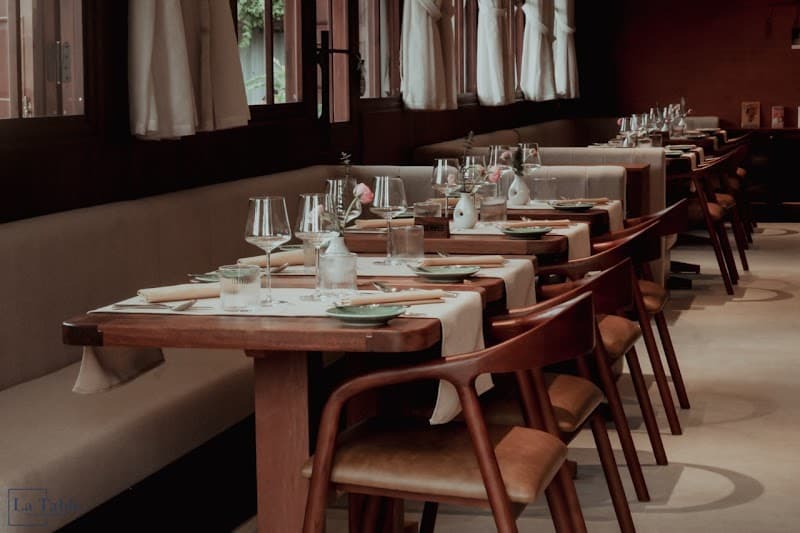
Where to Stay in Hoi An
3 recommended properties



Things to Do in Hoi An

Thu Bon Riverside Golden Hour Walk
Ancient Town (Phố Cổ) · 90 min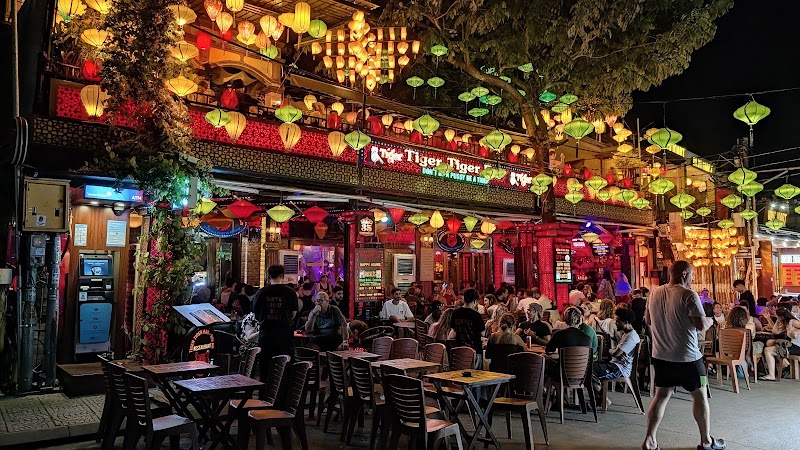
Hoi An Night Market & Lantern Boats
Ancient Town (Phố Cổ) · 90 min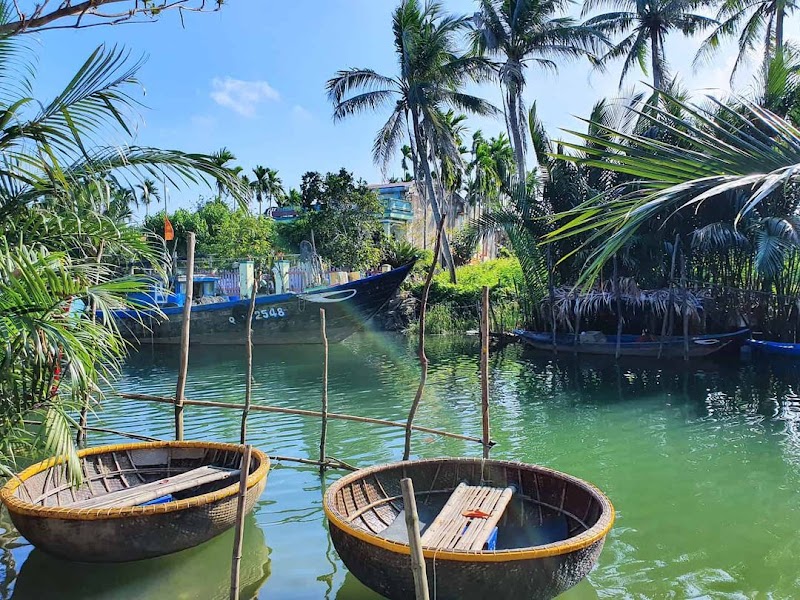
Cam Nam Island Morning Stroll
Cam Nam Island · 90 minMoney-Saving Tips
- 1.Rent bicycles from your accommodation instead of tour shops - hotels charge $2-3 daily vs $5-8 from tourist operators
- 2.Eat cao lau noodles at local spots like Thanh restaurant ($2) instead of tourist restaurants ($6-8 for the same dish)
- 3.Buy custom clothes from tailors on side streets rather than main tourist strips - same quality, 30-40% cheaper prices
- 4.Visit during monsoon season (Sept-Jan) for 40% lower accommodation rates, just prepare for potential flooding
- 5.Book Lantern Festival accommodation 2-3 days in advance to avoid 200% price surges on the actual day
- 6.Take local buses to Da Nang airport ($1) instead of tourist shuttles ($8) - they run every 30 minutes
- 7.Shop at Hoi An Central Market for souvenirs instead of Ancient Town shops - identical items at half the price
Travel Tips
- •Download offline maps before exploring - GPS signals get spotty in the narrow Ancient Town alleyways
- •Carry cash in small denominations - many local vendors can't break 500,000 VND notes ($20 bills)
- •Book tailor appointments early in your stay - quality work needs 2-3 days minimum for fittings and adjustments
- •Bring a waterproof phone case during monsoon season - sudden flooding can happen within hours
- •Learn basic Vietnamese greetings - locals appreciate the effort and often share better recommendations
- •Respect photography rules at temples - some charge fees, others ban photos entirely during ceremonies
- •Pack insect repellent for evening river walks - mosquitoes emerge at sunset along the Thu Bon River