Hue
Vietnam's imperial city of royal heritage
Hue sits along the Perfume River like a living museum that actually lives. Vietnam's former imperial capital trades Ho Chi Minh City's chaos for temple bells and royal tombs scattered through pine forests. You'll find the best bun bo Hue in the world here (obviously), plus emperors' palaces that survived wars and weather. The city moves at bicycle pace, which is exactly what you need after bouncing between Hanoi and Saigon. Purple flags still fly over the Citadel walls, and locals still gather at dawn along the riverbank for coffee that costs 50 cents.
Best Months
MAR · APR · MAY · SEP · OCT
~29°C · high crowds
Culture & Context
IMPERIAL HERITAGE STILL BREATHING
Hue is Vietnam's old imperial capital. From 1802 to 1945, the Nguyen Dynasty ran the country from here, and that history is still physically present everywhere you look. The Imperial Citadel.
Thirteen royal tombs scattered in the surrounding hills. Temples, pagodas, French colonial buildings. UNESCO declared the complex a World Heritage Site in 1993, and in 2026, Hue is actively positioning itself as Vietnam's first "heritage city" with centrally governed status.
But here's the thing: it doesn't feel like a museum town. Locals still use the moat-side roads for their morning commutes. Monks still walk the pagoda grounds.
The city has its own food culture so distinct it's practically a separate cuisine. Portions are smaller than Hanoi or Saigon. The flavors are spicier, more layered, more complex.
Bun bo Hue (the local beef noodle soup, not to be confused with pho) is the dish everyone talks about, and correctly so. The city also has a deep Buddhist identity. Vegetarian restaurants cluster near pagodas.
The Thien Mu Pagoda, with its seven-tiered tower, remains the city's symbolic heart. Hue moves at a slower pace than Da Nang or Ho Chi Minh City. That's not a flaw.
It's the point.
Local Customs
MODESTY & QUIET RESPECT
Dress modestly at temples and pagodas — shoulders and knees covered. At some buildings inside the Imperial Citadel, staff will turn you away from entering if you're wearing sleeveless tops or short shorts. This is enforced, not optional..
Remove shoes before entering any temple building or someone's home. Look for the pile of sandals outside the door. If everyone else is barefoot, you should be too..
The concept of 'saving face' runs deep here. Don't raise your voice, don't publicly call out a mistake, and avoid confrontational body language. If something goes wrong with a vendor or driver, stay calm.
Loud arguments embarrass everyone and resolve nothing.. Don't point at people or religious statues with a single finger. Open-hand gestures are the respectful alternative..
Don't touch anyone's head, including children. It's considered disrespectful in Vietnamese culture regardless of how friendly the intention.. Keep public displays of affection minimal.
A couple holding hands is generally fine. Anything beyond that draws unwanted attention, especially near religious sites.. When eating with locals, wait for the host to begin first.
Chopsticks should never be stuck upright in a bowl of rice — it resembles incense at a funeral offering and is considered a bad omen.. Bargaining is normal at traditional markets, but do it with a smile and reasonable expectations. Starting at 30–40% below asking is fine.
Walking away dramatically over small sums is considered poor form.. A good SIM card from Viettel or Vinaphone (purchased at the airport or any phone shop) will give you 30GB of data for around 100,000 VND ($4). Install a VPN before you arrive — Facebook and Instagram are regularly throttled by the government.
Safety
MOSTLY SAFE, WATCH CROWDS
Hue is one of the safer stops on Vietnam's tourist route. Violent crime against tourists is rare. The main practical concerns are traffic, petty theft at busy markets, and flooding.
Around Dong Ba Market and the Imperial Citadel entrance, keep your phone pocketed and your bag closed, especially in crowds. Don't walk with your phone out or a camera dangling. The Grab app (download before you arrive) is the safest and most transparent way to get around after dark — it shows the price before you book, which eliminates negotiation issues with unlicensed taxis.
Do not drink tap water anywhere in Hue. Bottled water is widely available and cheap, and most guesthouses provide filtered water or refill stations. The wet season runs September through December and brings real flooding risk.
The low-lying areas near the Perfume River can flood quickly after heavy rain. If you're visiting in this window, check local weather and have a flexible itinerary. The Imperial Citadel, major pagodas, and riverside streets are generally well-trafficked and feel safe throughout the day.
Hue is generally considered safe for solo women travelers, though normal precautions apply after dark: lit streets, Grab over street hailing, trusted accommodation.
Getting Around
GRAB & MOTORBIKE RENTAL
Phu Bai International Airport (HUI) sits 15km from the city center — roughly a 30-minute drive. Domestic flights connect to Hanoi (about 1 hour 15 minutes) and Ho Chi Minh City. The Reunification Express train also stops in Hue, and the journey from Da Nang (about 2.
5–3 hours) is considered one of Vietnam's most scenic rides as it follows the coast over the Hai Van Pass. Trains from Hanoi run overnight and take around 12–14 hours. For getting around the city, Grab is your default.
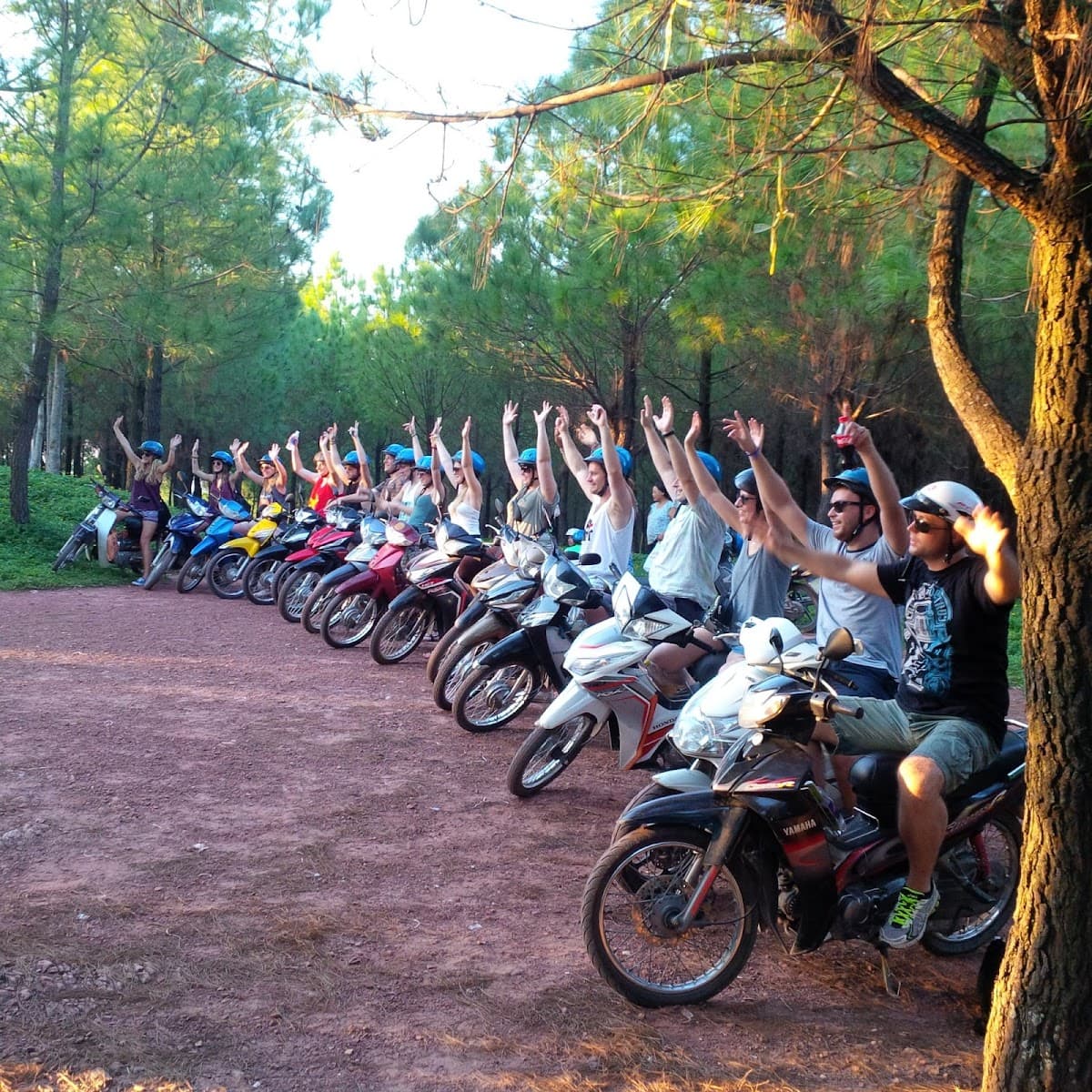
It's cheap, fixed-price, and removes the stress of negotiating with cyclo or motorbike drivers who sometimes quote fantasy prices to tourists. Motorbike rental (around 150,000 VND per day, roughly $6) is the best way to reach the royal tombs, which are spread across the hills south of the city. Xanh SM, Vietnam's new electric taxi service, launched in 2025 and operates in Hue — clean, quiet, and reliable.
The Citadel and central riverfront are walkable if you're based in Phu Hoi or Vinh Ninh. A cyclo (pedicab) hired for a half-day can cover the Citadel and nearby streets at a slow pace, though confirm the price per person (not per trip) before you start.
Useful Phrases
Where to Stay in Hue
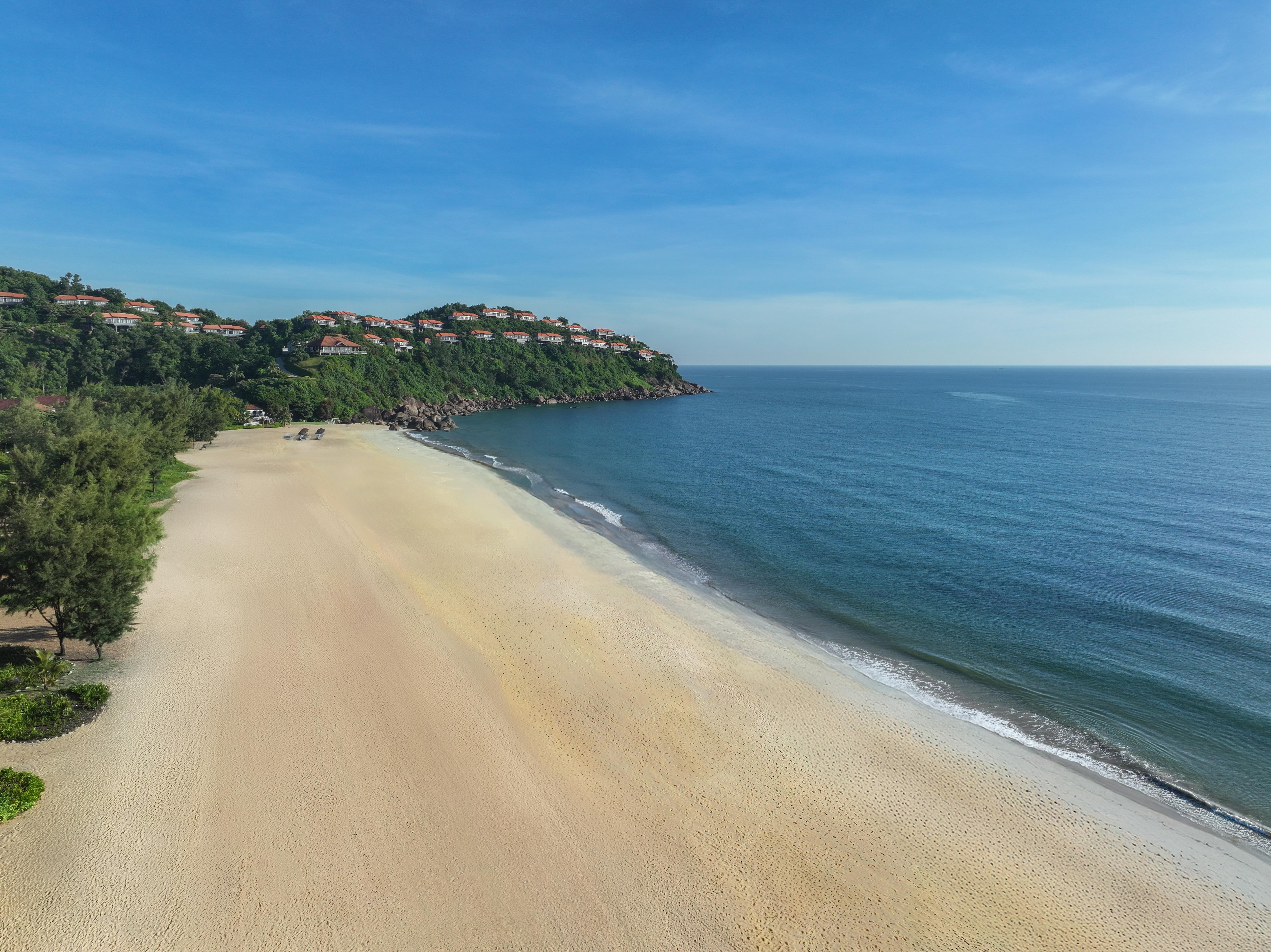
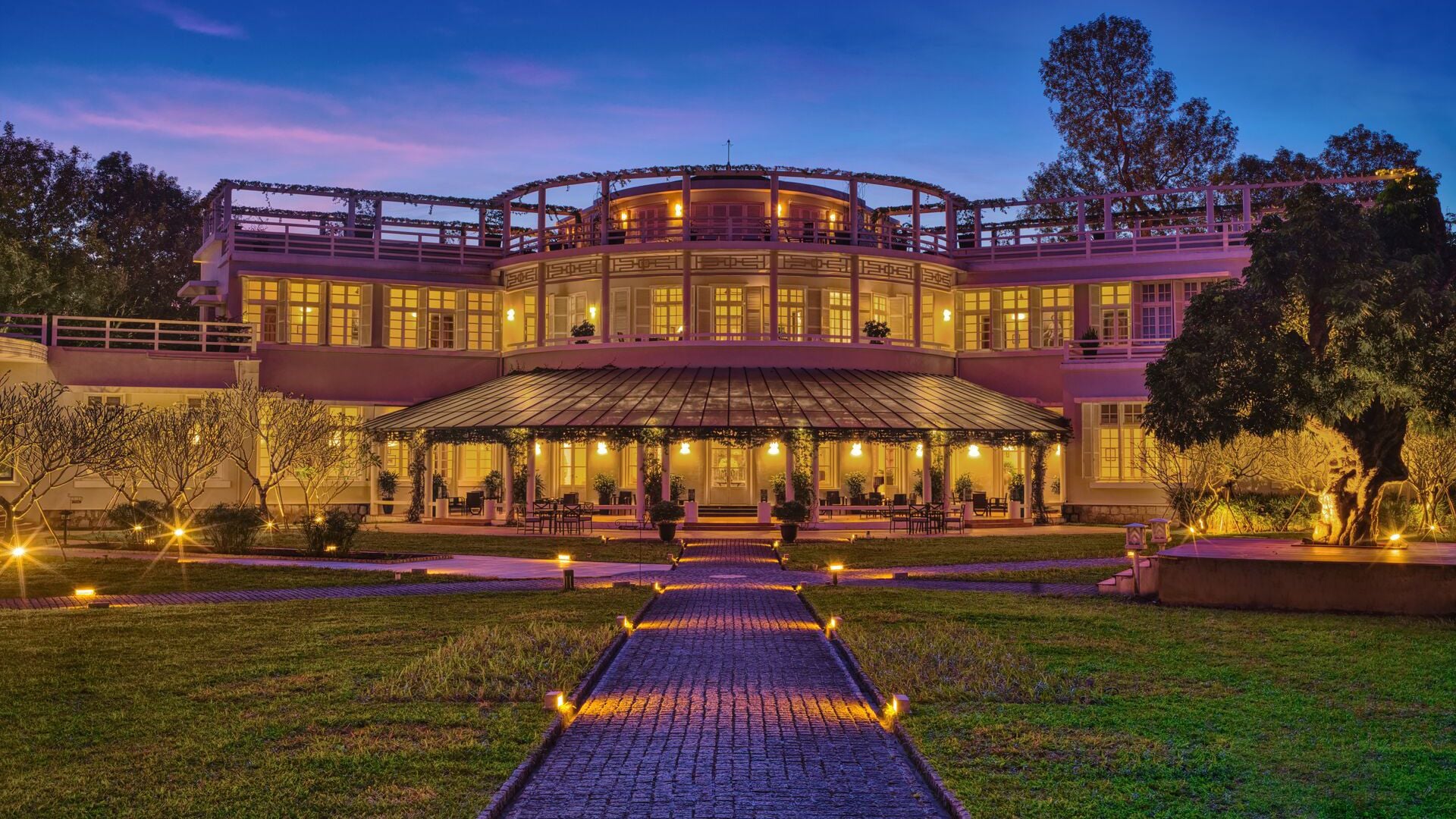
2 recommended properties
Money-Saving Tips
- 1.Eat at Dong Ba Market food stalls instead of tourist restaurants – bun bo Hue costs $1 vs $8 at hotels
- 2.Rent bicycles for $2/day rather than hiring motorbike taxis for $5-10 per trip to royal tombs
- 3.Buy Imperial Palace entrance tickets directly at the gate (150,000 VND) instead of through tour companies that add 50% markup
- 4.Stay in family-run guesthouses on Pham Ngu Lao Street for $8-12/night vs $50+ at riverside hotels
- 5.Take public dragon boats to Thien Mu Pagoda ($5) instead of private tours ($25-35)
- 6.Shop at Dong Ba Market for souvenirs – conical hats cost 50,000 VND vs 200,000 VND in tourist shops
Travel Tips
- •Visit royal tombs early morning (7-9 AM) to avoid tour groups and afternoon heat
- •Bring cash – most street food vendors and bicycle rentals don't accept cards
- •Learn to say 'bun bo Hue khong cay' if you can't handle spicy food
- •Wear modest clothing when visiting temples and the Imperial Palace – cover shoulders and knees
- •Book accommodations in advance during Hue Festival years (every two years in April)
- •Download Google Translate with Vietnamese offline – English isn't widely spoken outside hotels
- •Pack a light jacket for December-February visits when temperatures drop to 15°C
- •Negotiate motorbike taxi prices before getting on – agree on fare to avoid disputes