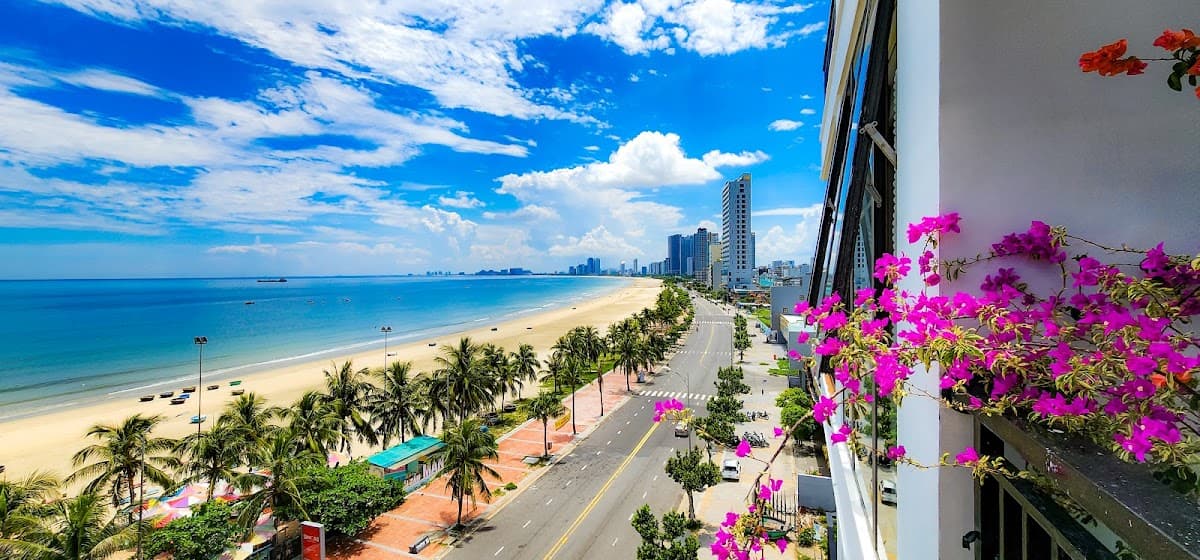
Da Nang
Vietnam's coastal gem with beaches, mountains and cuisine
Da Nang sits pretty along Vietnam's central coast, and honestly? It's the country's most underrated city. While everyone flocks to Ho Chi Minh City or Hanoi, this coastal hub delivers the perfect mix of beach time, mountain adventures, and some of Vietnam's best food. The city rebuilt itself after the war into something modern yet authentically Vietnamese — think gleaming bridges alongside family-run pho shops that have been ladling broth for decades. My Khe Beach stretches for miles of white sand, the Marble Mountains offer caves and pagodas just 20 minutes from downtown, and the street food scene will ruin you for Vietnamese food anywhere else. But here's what really sets Da Nang apart: it feels liveable, not just visitable.
Best Months
FEB – AUG
~31°C · high crowds
Culture & Context
CHAM HERITAGE & FIRE
Da Nang is a Central Vietnamese city of about one million people, sitting roughly halfway between Hanoi and Ho Chi Minh City on the coast. It's not the Vietnam of backpacker mythology: no dense Old Quarter, no floating market. What you get instead is a well-planned, fairly clean city that still feels like a real place where people live and work, not just a tourist set.
The Han River cuts the city in two. The beach side, east of the river, is where almost all expats and tourists end up. The city side, west of the river, is cheaper and more local but harder to navigate without Vietnamese.
Da Nang has serious Cham cultural heritage — the Cham Sculpture Museum on Trung Nu Vuong Street holds the world's largest collection of Cham artifacts, and it costs just $2.40 to get in. Most tourists spend 20 minutes there.
Give it 90. The Dragon Bridge on Friday, Saturday, and Sunday nights breathes actual fire and water at 9 PM — this is not a small-scale thing. It's a proper city spectacle that locals show up for too.
Food here is lighter and less sweet than southern Vietnamese cuisine. Mi Quang (turmeric noodles with pork, shrimp, peanuts, and very little broth) is the city's signature dish and completely different from the pho you've had elsewhere. Try bun cha ca (fish cake noodle soup) for breakfast.
The coffee culture is serious — Vietnamese iced coffee with condensed milk, salt coffee, and egg coffee are all worth ordering.
Local Customs
SHOES OFF ALWAYS
Remove your shoes before entering temples, pagodas, or someone's home. No exceptions — look for the pile of shoes at the entrance.. Dress modestly at religious sites.
Cover shoulders and knees. My Khe Beach attire is not appropriate at Linh Ung Pagoda or the Marble Mountains.. Public displays of affection are generally not well-received.
Keep it low-key.. Ask permission before photographing people, especially in fishing villages, markets, and at spiritual sites. In some tourist-heavy spots, you may be asked for a small fee..
Food arrives fast but not always all at once. That's normal. Don't wait for the whole table to be served before starting..
Tipping is not expected, but rounding up the bill is appreciated. In tourist restaurants, a small tip is becoming more common.. Most street stalls and local markets are cash-only.
Keep small bills (1,000–50,000 VND) on hand. Many Western cafes add a 3% surcharge on foreign cards.. Swim in the morning, ideally before 2 PM.
Afternoon currents can strengthen significantly, especially during summer months. There are also jellyfish in summer off Son Tra beaches.. Don't exchange money at the airport.
Take your pristine, uncreased USD or Euros to the gold shops (tiem vang) on Hung Vuong Street for rates 2–4% better than hotels or airport counters.. Sidewalks are not really for walking — they're used for motorbike parking, coffee tables, and food carts. Crossing roads takes nerve.
Watch for motorbikes first, then cars, and cross steadily at a constant pace rather than stopping mid-road.
Safety
TRAFFIC & PETTY THEFT
Da Nang is genuinely safe by Southeast Asian standards. Violent crime is rare, and Nomads.com rates safety as above average for the region.
But a few things actually matter. Traffic is the real danger — always wear a helmet, and crossing roads requires deliberate, steady movement. Don't freeze or sprint; walk at a constant pace and let motorbikes flow around you.
Petty theft happens mainly at the beach (unattended phones and bags while you swim) and occasionally via overcharging — a subset of restaurants near the tourist strip has fake reviews and inflated prices. Use Grab for rides instead of street taxis to avoid surge pricing and fare disputes. Jellyfish appear in Son Tra-area waters during summer months.
Swim before 2 PM when afternoon currents strengthen, particularly June through August. Watch your ATM use — carry only 1–2 million VND day-to-day. Vietnamese ATMs charge 22,000–55,000 VND per withdrawal, so withdraw larger amounts less often.
Construction is everywhere, particularly near the beach strip; sidewalks are frequently blocked or non-existent. Walk facing traffic if you're on the road's edge.
Getting Around
GRAB & MOTORBIKES
Download Grab before your flight lands — it's the app you'll use most. Short Grab bike hops run about $2; car rides across the city stay under $5 most of the time. Have a 10,000 VND cash note ready when leaving the airport by Grab; some drivers ask passengers to cover the exit toll.
The city is compact but not walkable in the traditional sense. Sidewalks are functionally parking lots for motorbikes. Motorbike rental is the most practical option for serious exploring: $3/day for short-term, $40–60/month long-term.
Gas top-ups cost about $2. It unlocks the Hai Van Pass, Son Tra Peninsula, Marble Mountains, and the run down to Hoi An (about 30km south) without depending on Grab. Hoi An is 30 minutes by motorbike or 40 minutes in a Grab car — close enough for a day trip, far enough to warrant a proper visit.
Bicycles work within My An and An Thuong if you're staying put. Public buses exist (7,000 VND one-way, about $0.29) and can get you between major points, but routes aren't always intuitive for newcomers.
Da Nang International Airport (DAD) is 15–20 minutes from the beach strip by Grab. Use the official Grab pick-up point rather than flagging down taxis outside arrivals.
Useful Phrases
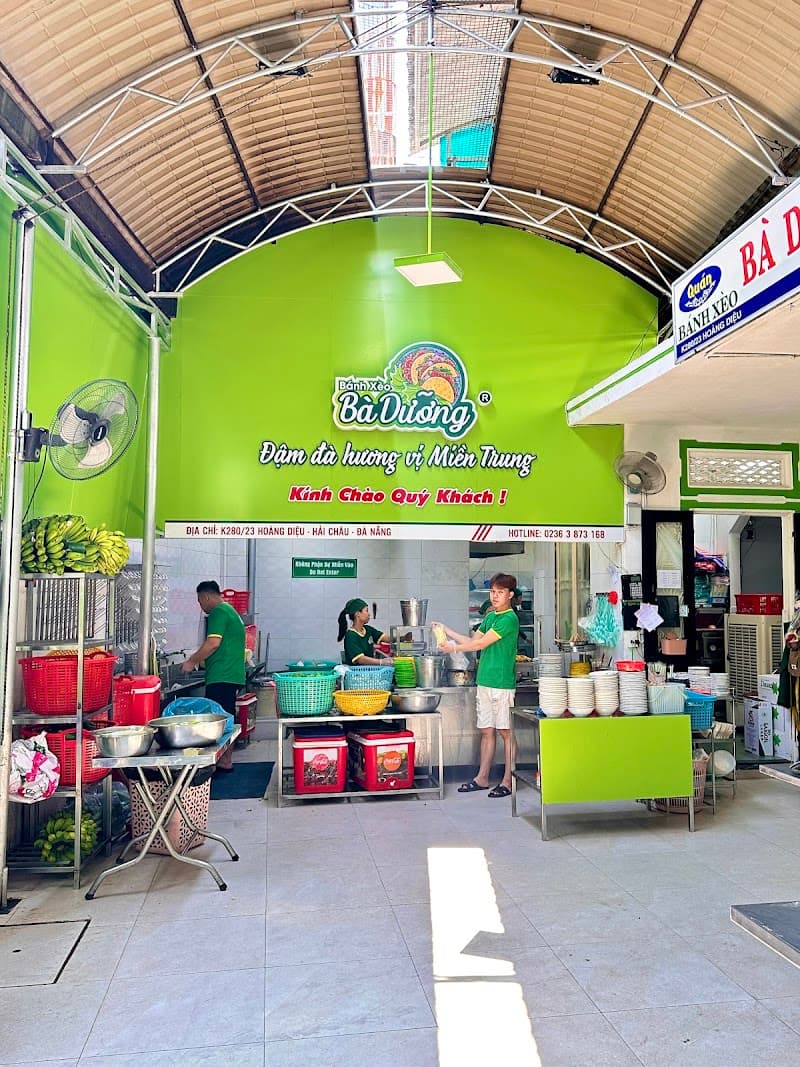
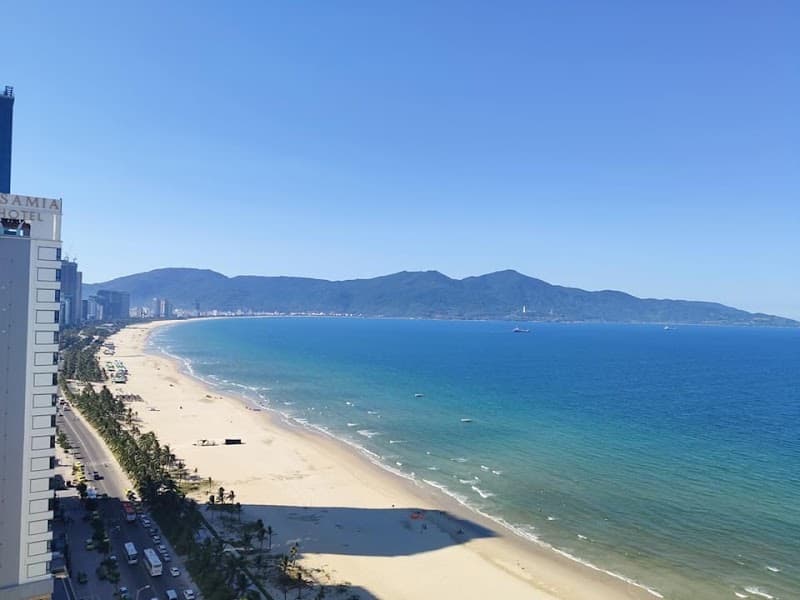
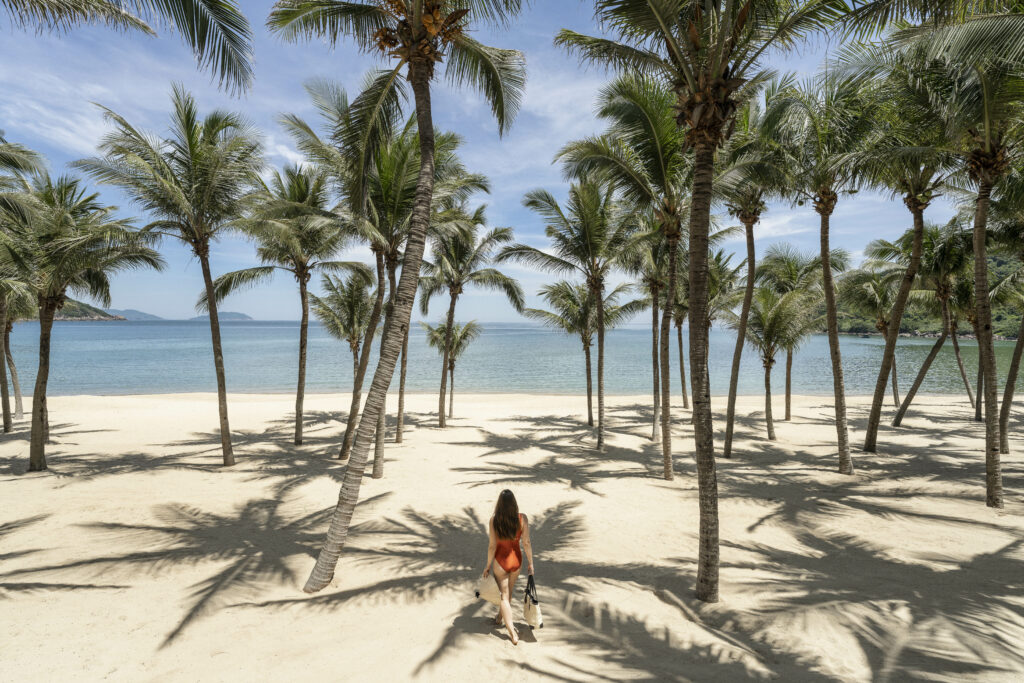
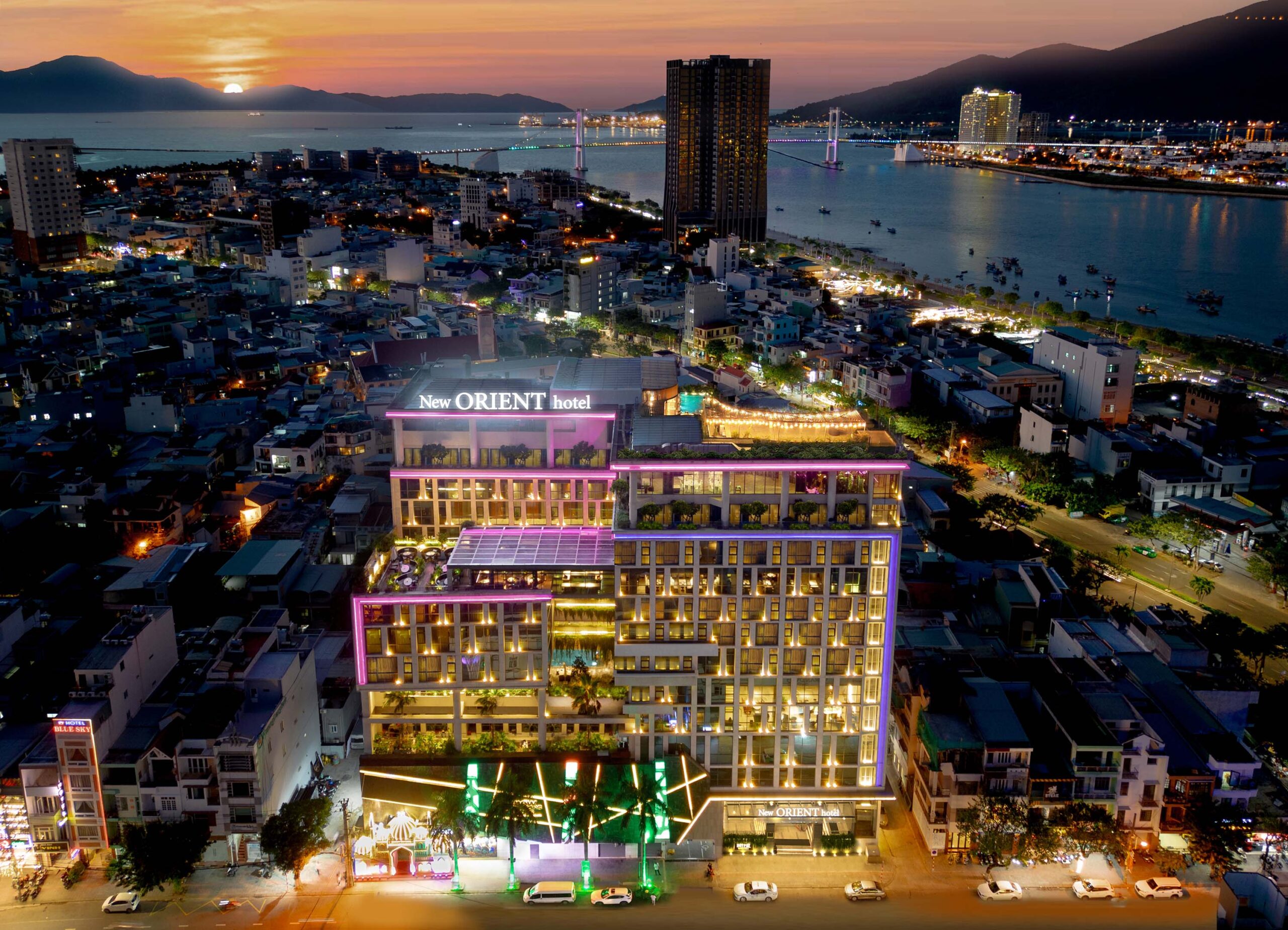
Where to Stay in Da Nang
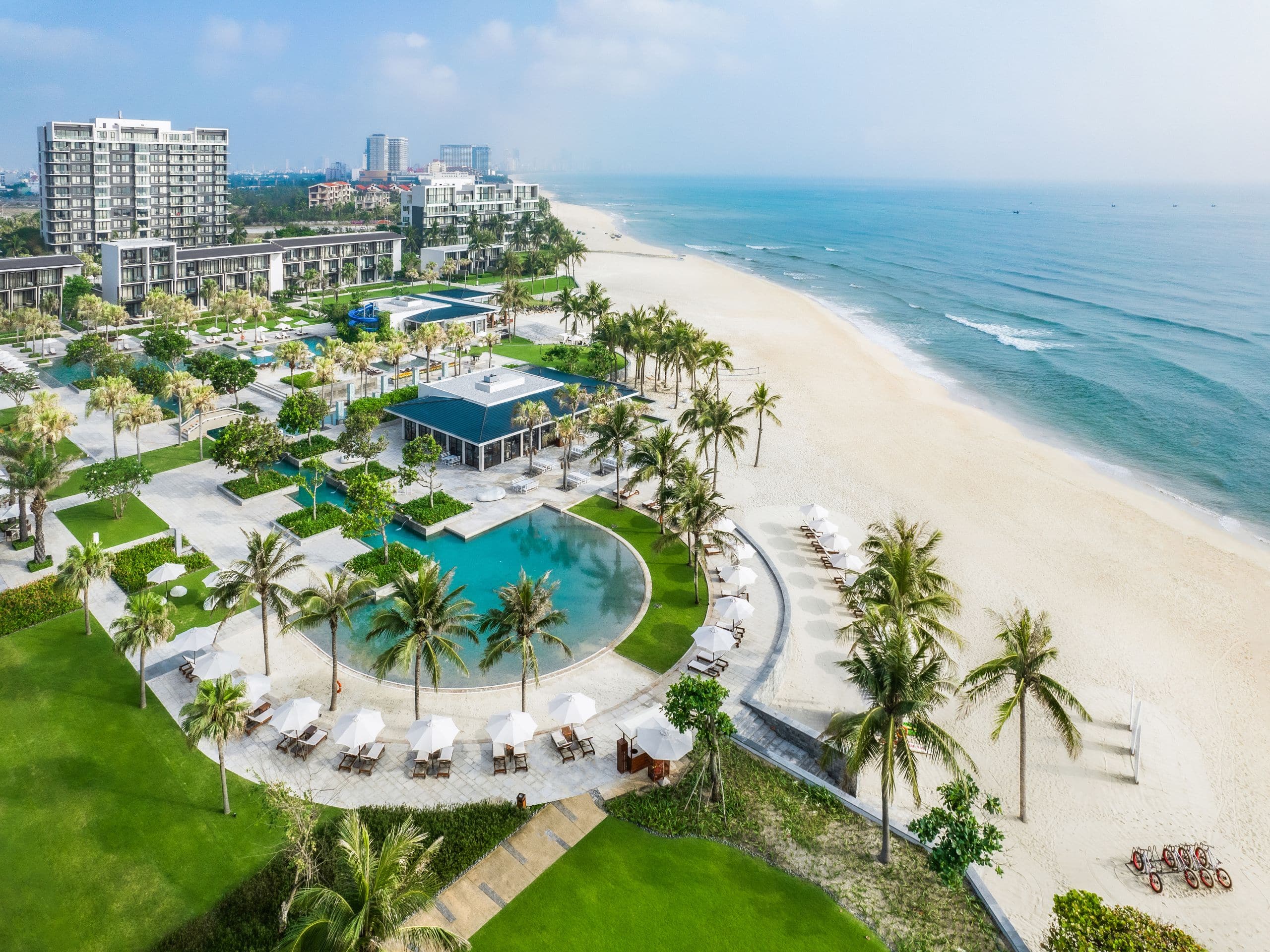
3 recommended properties
Things to Do in Da Nang
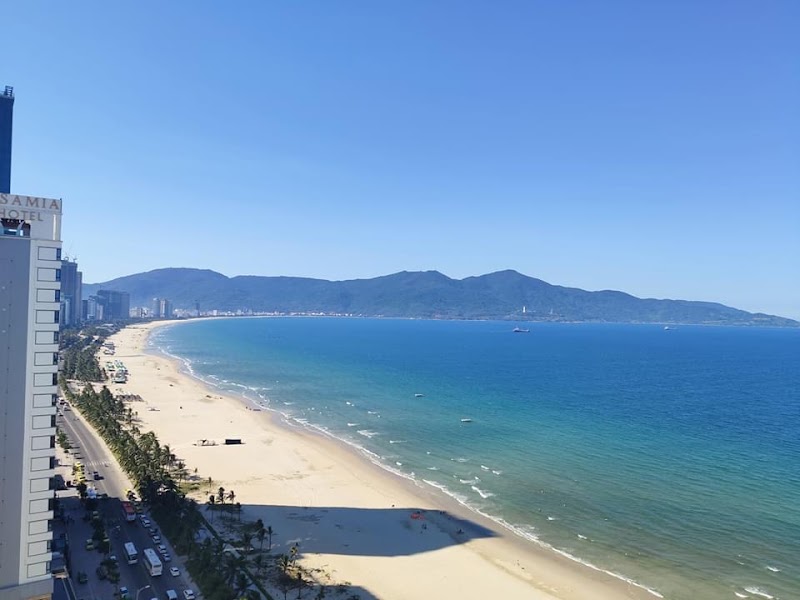
My Khe Beach Morning Stroll & Swim
My Khe Beach Strip · 90 min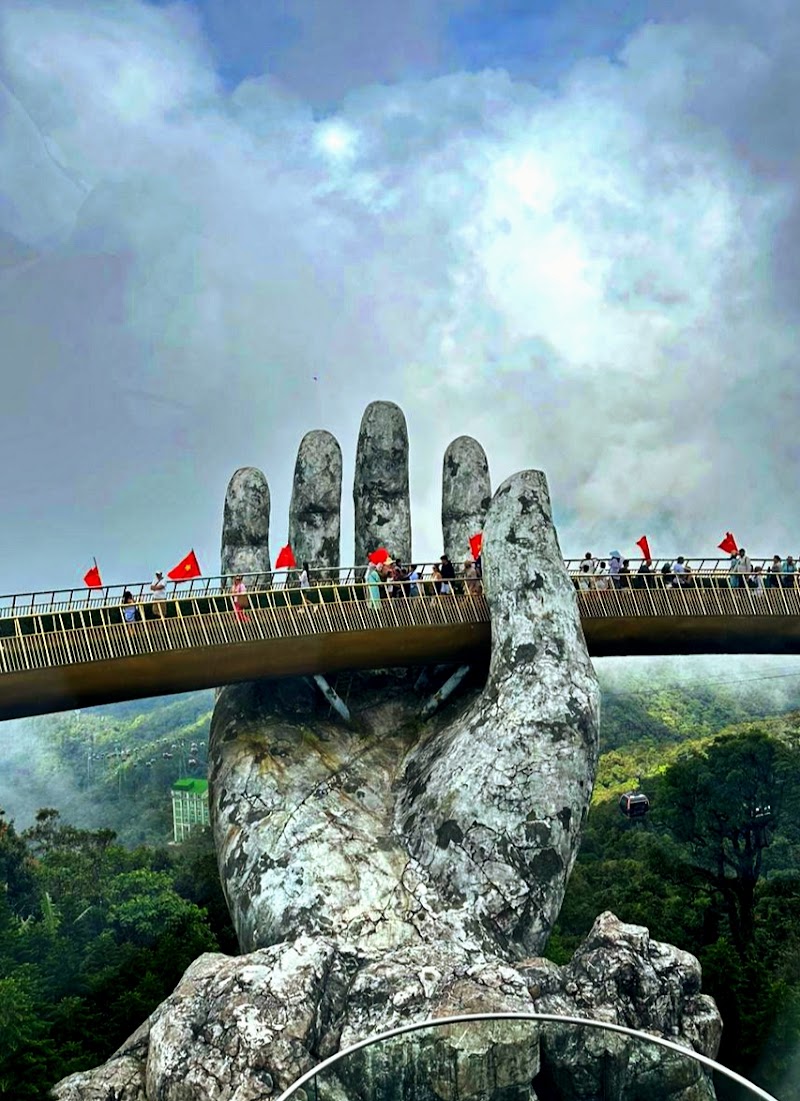
Ba Na Hills & Golden Bridge Day Trip
West of Da Nang (day trip starting from Hai Chau) · 240 min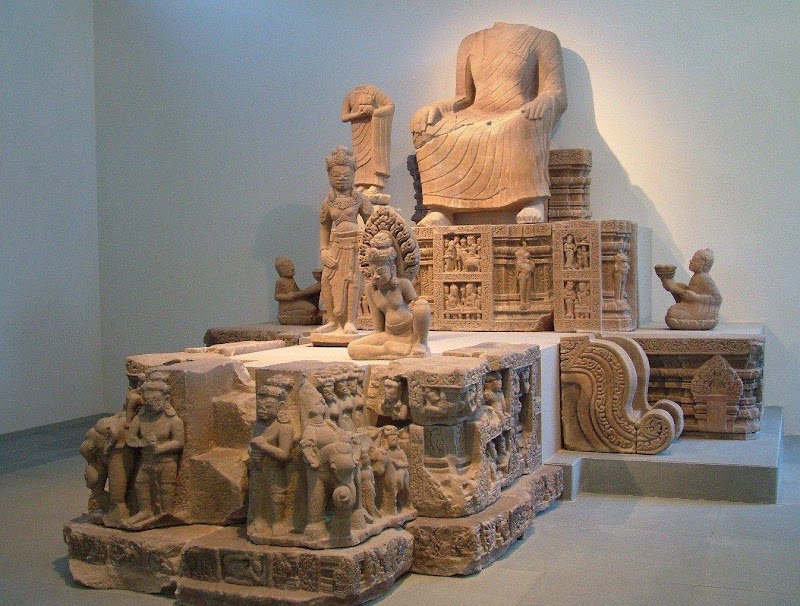
Cham Sculpture Museum
Hai Chau District (city center) · 90 minMoney-Saving Tips
- 1.Eat at local street stalls instead of tourist restaurants — Mi Quang costs $1.50 on the street vs $8 in hotels
- 2.Rent a motorbike for $6/day rather than taking Grab everywhere — saves $20+ daily on transport
- 3.Stay in An Thuong area for mid-range hotels with better value than beachfront properties
- 4.Buy fresh seafood at Han Market in the morning, then pay restaurants $2-3 to cook it for you
- 5.Visit during March-April or September-October for 30-50% cheaper accommodation than peak season
- 6.Skip expensive Ba Na Hills ($25) and explore free Marble Mountains ($2) for better views and culture
- 7.Drink bia hoi at street stalls (25 cents) instead of hotel bars ($3-5 per beer)
- 8.Book domestic flights through Vietnamese websites like VietJet for better prices than international booking sites
Travel Tips
- •Download Grab app before arriving — it works better than any local taxi app and shows prices upfront
- •Learn to say 'khong co MSG' (no MSG) if you're sensitive — many local dishes use it heavily
- •Bring reef-safe sunscreen — Da Nang's sun is intense and regular SPF 30 won't cut it on the beach
- •Pack a rain jacket even during dry season — afternoon thunderstorms can appear suddenly
- •Exchange money at gold shops downtown for better rates than hotels or the airport
- •Book accommodations with pools — even budget places often have them and they're lifesavers during hot afternoons
- •Keep your passport copy separate from the original — police sometimes check IDs and you don't want to lose the real thing
- •Download Google Translate with Vietnamese offline — restaurant menus rarely have English